
Over the years, medical history has been as varied as it is fascinating, blending elements of science, culture, belief, and sometimes, pure desperation. It records humankind’s relentless quest for well-being and relief of pain and suffering. Whether born out of desperation or curiosity, these treatments offer a fascinating glimpse into the past, reminding us how far we’ve come in medical science.
Bloodletting
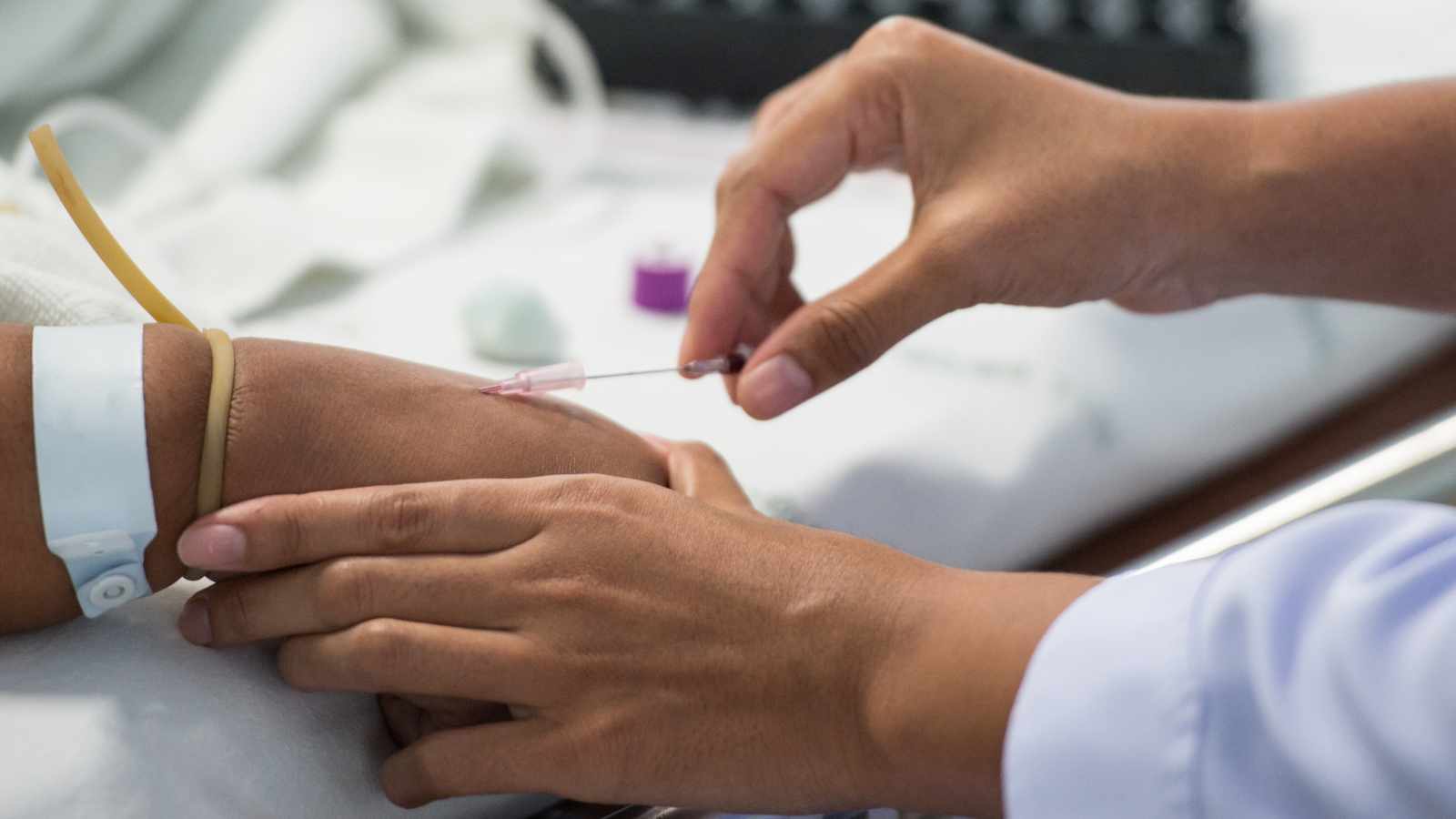
Bloodletting, or phlebotomy, is a medical procedure that involves withdrawing blood from a patient. It was believed that by removing blood, the body could eliminate toxins or imbalances that caused illness. This treatment often did more harm than good and resulted in numerous deaths.
Trepanation

Trepanation was a surgical procedure where a hole was drilled into the skull to release pressure or evil spirits that were believed to be causing illness. This practice has been found in various cultures, from ancient civilizations like the Incas and Egyptians to more recent European societies.
Lobotomy

Lobotomy is a procedure that involves severing connections in the brain’s prefrontal cortex to reduce symptoms of anxiety, depression, and schizophrenia. It was soon discovered that lobotomies caused severe side effects and left most patients in a vegetative state.
Snake Oil

In the 1800s, snake oil became a popular cure-all for various ailments. It was typically made from a mixture of herbs and minerals and marketed as a panacea, capable of curing everything from headaches to cancer. In reality, snake oil had no medicinal value and often contained harmful substances.
Electric Shock Therapy
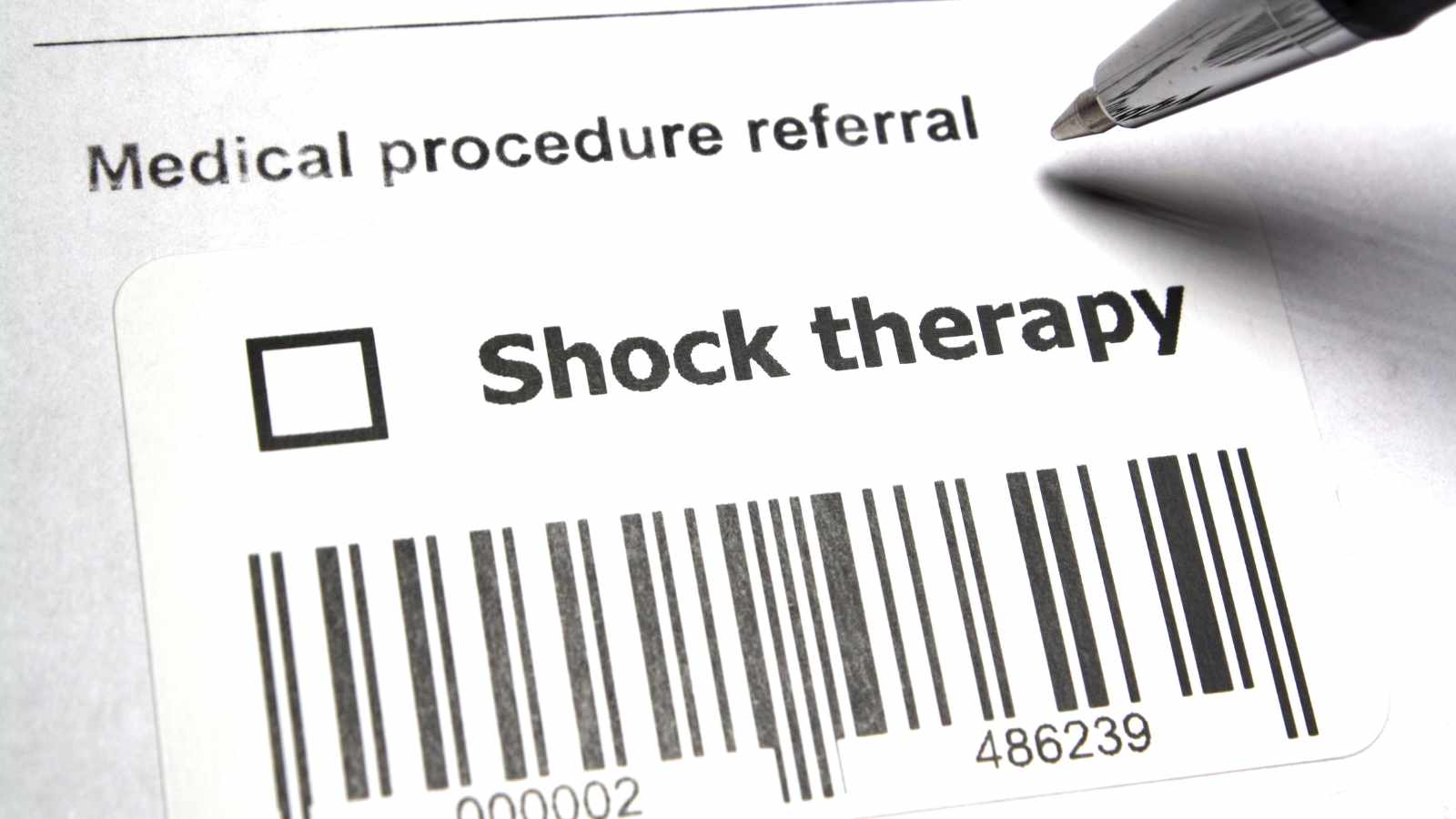
Electric shock therapy was used in the 1930s as a treatment for mental illness. Patients were subjected to high-voltage electric shocks, often resulting in convulsions and memory loss. This treatment was later abandoned due to its harmful effects.
Treacle
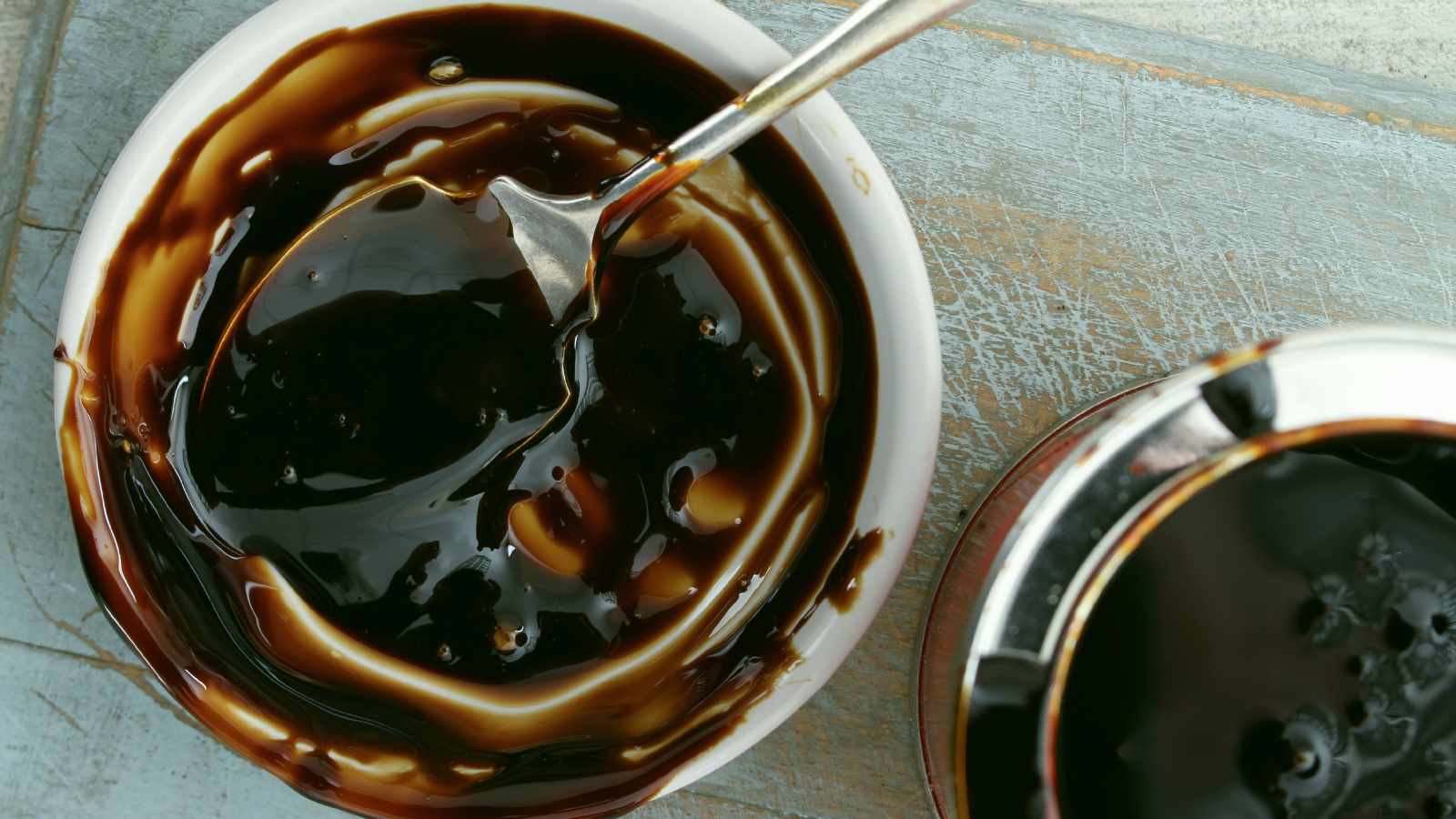
Treacle, a thick, dark syrup made from molasses, was once believed to have healing properties. Although it was used as a remedy for the bubonic plague and the Black Death, no evidence supports its effectiveness in treating these diseases.
Fart Therapy

Fart therapy was a treatment used in ancient China, where doctors believed that certain illnesses were caused by an excess of “bad air” in the body. Patients were required to smell the farts of healthy people to cure these ailments.
Vin Mariani
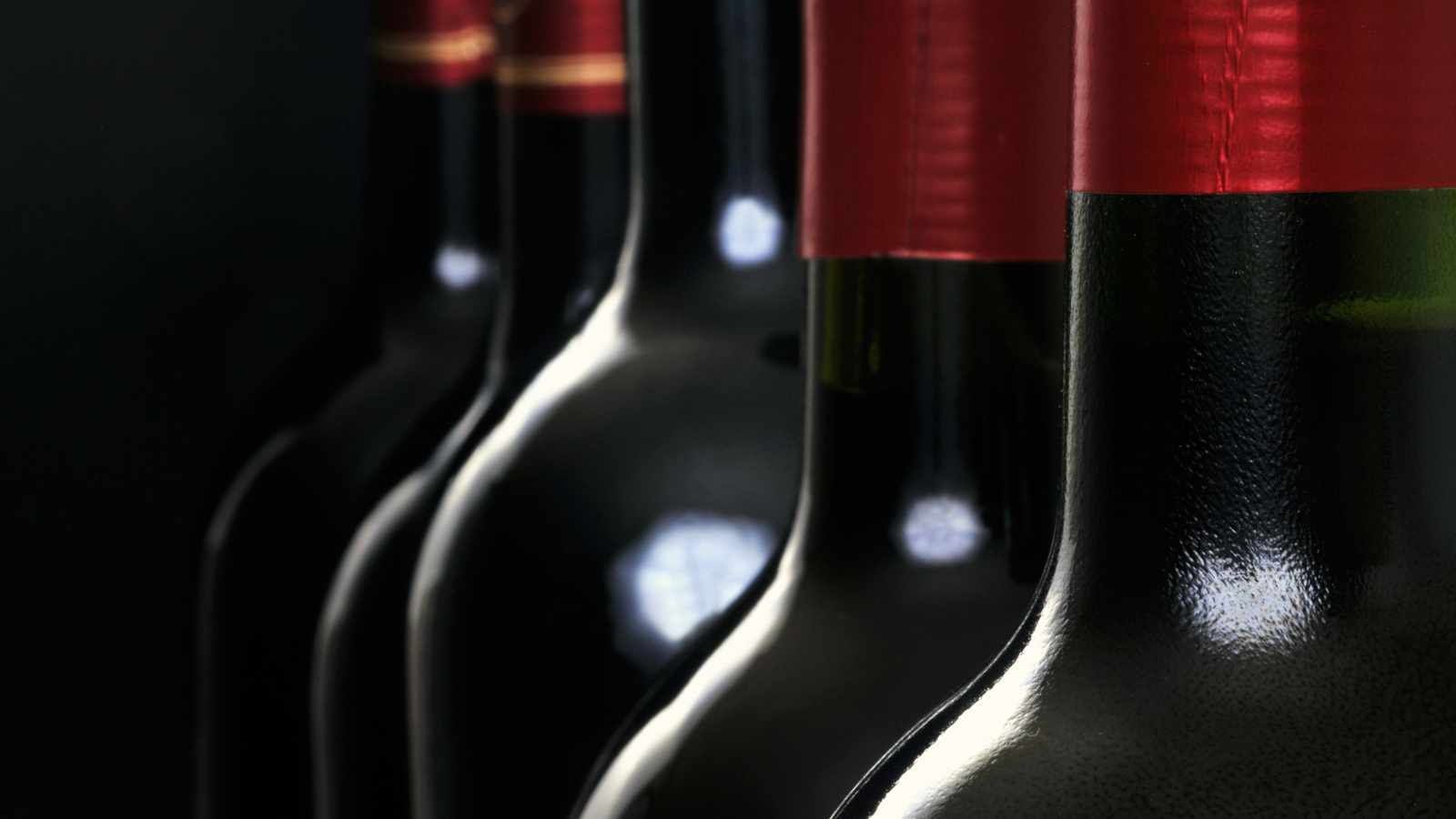
In the late 1800s, Vin Mariani was a popular tonic made from Bordeaux wine and coca leaves. It was marketed as a cure for various illnesses, including depression and fatigue. It also contained high levels of an illegal substance, leading to addiction and health problems.
Leeches

Leeches were once used to extract blood from targeted areas of the body. Although these slippery creatures were believed to possess remarkable abilities in restoring balance and treating diverse ailments, they lacked any therapeutic value.
Moldy Bread
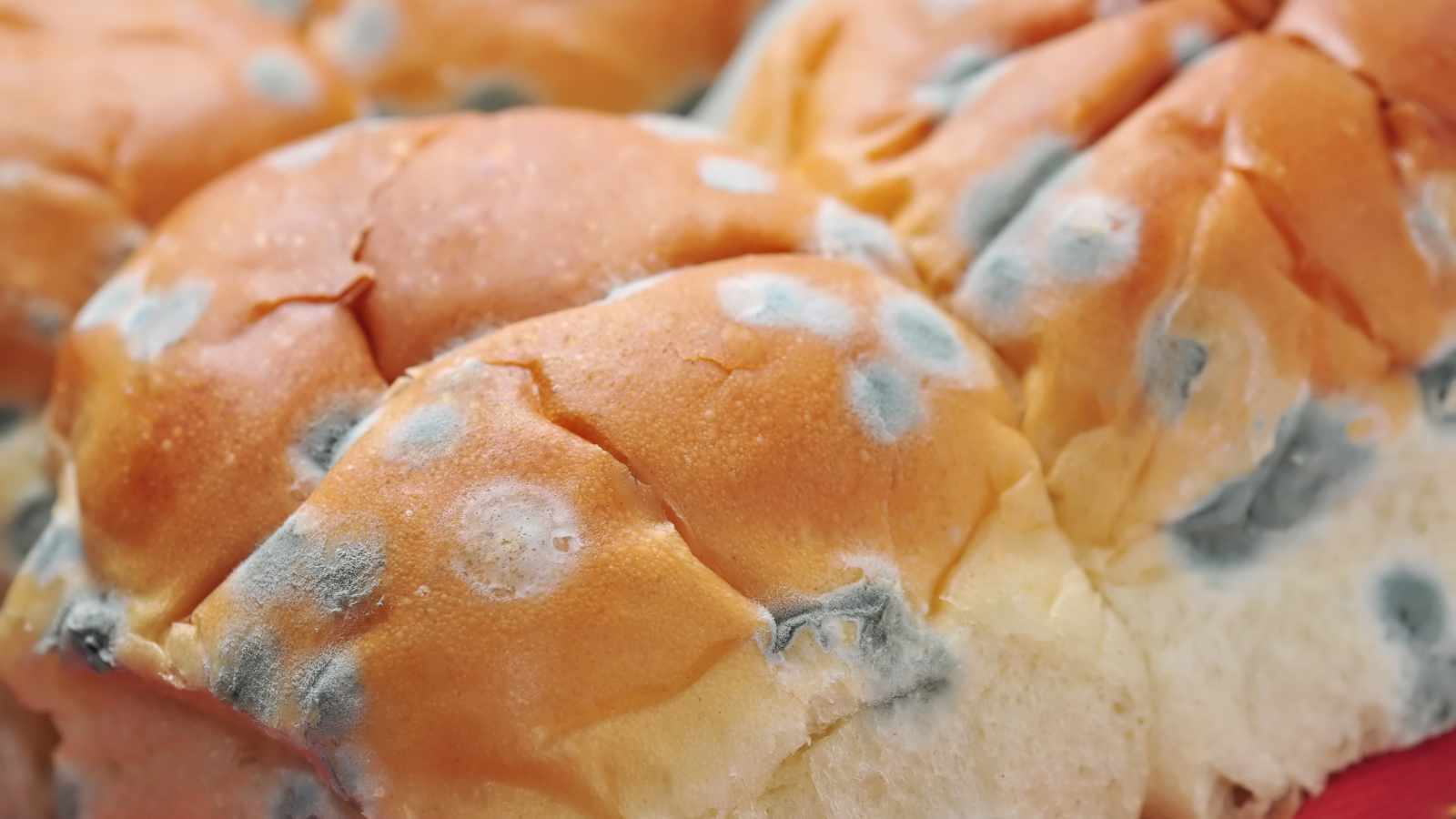
In the 1900s, Dr. Alexander Fleming discovered penicillin after noticing mold growing on a discarded petri dish in his lab. Before its discovery, people used to apply moldy bread directly to wounds, believing it had healing properties.
Urine Therapy

Urine therapy is an ancient practice where urine is ingested or applied topically for various health benefits. While some cultures still believe in its healing properties, modern medicine has debunked this practice as ineffective and potentially harmful.
Mercury
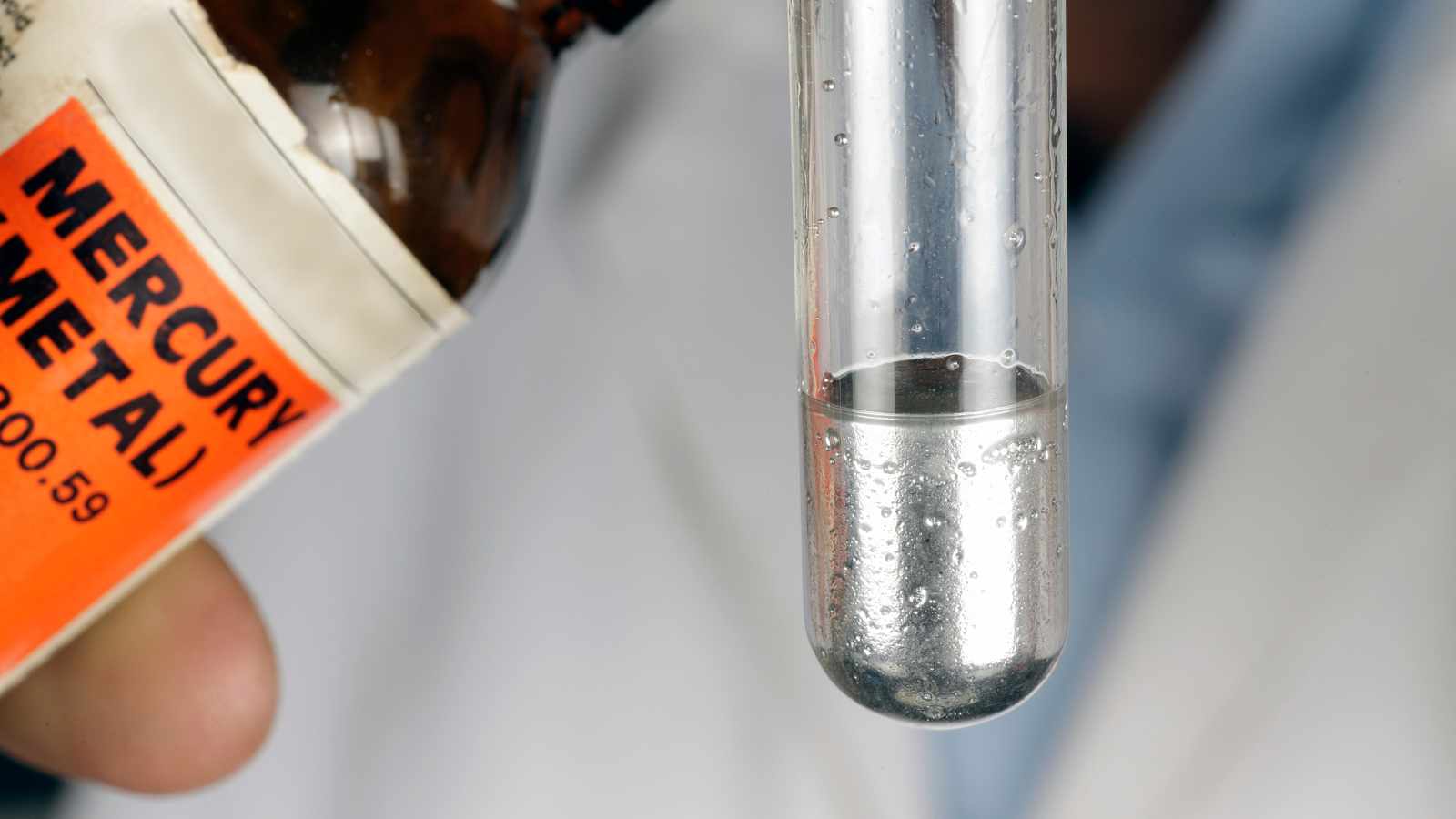
Despite its toxic properties, mercury has a significant historical association with medicine. In the early 1900s, it was employed in the treatment of syphilis and other ailments, but it resulted in grave consequences, including severe health complications and even fatalities.
Malaria Therapy

In the early 20th century, doctors discovered that malaria could cure some diseases like syphilis and neurosyphilis. Patients were deliberately infected with malaria and then treated with quinine to cure their illness. The treatment was risky and caused severe side effects.
Radioactive Water

During the early 20th century, there was a misguided belief that radioactive water possessed healing properties, with extravagant claims of curing ailments like cancer. After the detrimental effects of radiation came to light, this practice was ultimately abandoned.
Hydrotherapy

Hydrotherapy was a popular treatment in the early 19th century when patients were subjected to long periods of immersion in cold water. It was believed that this treatment could cure mental illness and other ailments, but it often resulted in hypothermia and death.
More From Health Makes You

Hearing loss is a serious condition that can significantly impact one’s quality of life. Unfortunately, many people are unaware of the common bad habits which can lead to hearing loss. Here are 14 bad habits that could make you deaf if left unchecked.
14 Bad Habits That Could Make You Deaf
10 “Good” Habits That Are Actually Bad for You

Some healthy activities may seem like good ideas, but they are actually bad for your health. It sounds counterintuitive, but these habits can put your body at risk. Here are ten good habits that can have negative consequences if practiced too often or intensely.
10 “Good” Habits That Are Actually Bad for You
Want to Live a Long Life? Don’t Do These 20 Things

Do you want to live a long and healthy life? Then you should avoid doing certain things. Research shows that some habits, behaviors, and activities can harm your health. Here are the top 20 worst things you can do for your health.
Want to Live a Long Life? DON’T DO These 20 Things
The 30 Worst Foods to Eat After Age 30

Eating healthily is vital at all times, but after 30, consuming certain foods can harm more than help. By avoiding these food items when you reach your thirties, you can promote lasting health and happiness for years.
The 30 Worst Foods to Eat After Age 30
20 Bad Habits That Could Make You Blind

Staring at a screen (phone, laptop) has become a common habit that seems harmless, but over time it can cause severe damage to your eyes. That’s just one of the habits that can damage your eyesight. Here’s more:
20 Bad Habits That Could Make You Blind
This article was produced on Health Makes You.