
The struggle to lose belly fat is a common issue for many people. While diet and exercise are important factors in weight loss, certain medical conditions may also make it difficult to shed those stubborn pounds around the midsection. In this article, we will discuss 13 medical conditions that can prevent you from losing belly fat and provide tips on managing these conditions.
Polycystic Ovary Syndrome (PCOS)

Polycystic Ovary Syndrome, or PCOS, is a hormonal disorder that impacts women of reproductive age. It is characterized by small cysts on the outer edges of enlarged ovaries, resulting in irregular periods and fertility challenges. PCOS can also cause insulin resistance, heightening insulin levels; this excess insulin can lead to weight gain, particularly in the abdominal area.
Cushing’s Syndrome

Cushing’s syndrome, a rare condition marked by elevated stress hormone (commonly called “cortisol”), can cause weight gain, particularly in the abdominal region. This disorder may arise from a pituitary or adrenal tumor, prolonged use of corticosteroid medications, or certain forms of cancer.
Type 2 Diabetes

Type 2 diabetes is a persistent condition that impacts the body’s sugar metabolism. Insulin resistance, which is prevalent among individuals with type 2 diabetes, can accumulate excess fat and weight gain in the abdominal region. Managing blood sugar levels through a balanced diet and regular exercise is crucial for effectively managing diabetes and reducing visceral fat.
Metabolic Syndrome

Metabolic Syndrome encompasses various health conditions, like elevated blood sugar, high blood pressure, excessive abdominal fat, and abnormal cholesterol levels. These factors significantly raise the likelihood of experiencing heart disease, stroke, and type 2 diabetes. Individuals with metabolic syndrome often encounter challenges when attempting to shed excess weight.
Stress

Chronic stress increases cortisol levels, a stress hormone responsible for regulating metabolism and appetite. When cortisol levels remain consistently high, it can increase abdominal fat accumulation and hinder weight loss efforts. Implementing stress management techniques, such as practicing yoga or meditation, may aid in reducing excess belly fat.
Depression

Depression is a mental health condition that affects mood and energy levels. People with depression may experience changes in appetite, leading to weight gain or loss. Depression can also cause high cortisol levels, contributing to belly fat storage. Seeking professional help for managing depression can improve well-being and potentially aid in weight loss efforts.
Sleep Apnea

Sleep apnea is a disruptive sleep disorder characterized by intermittent cessation and resumption of breathing during slumber. Individuals afflicted with this condition frequently experience reduced oxygen levels, resulting in fatigue and hindered weight loss.
Sleep apnea may also contribute to insulin resistance and weight gain. Addressing sleep apnea through lifestyle modifications or a continuous positive airway pressure (CPAP) machine to promote weight loss.
Polycystic Kidney Disease (PKD)
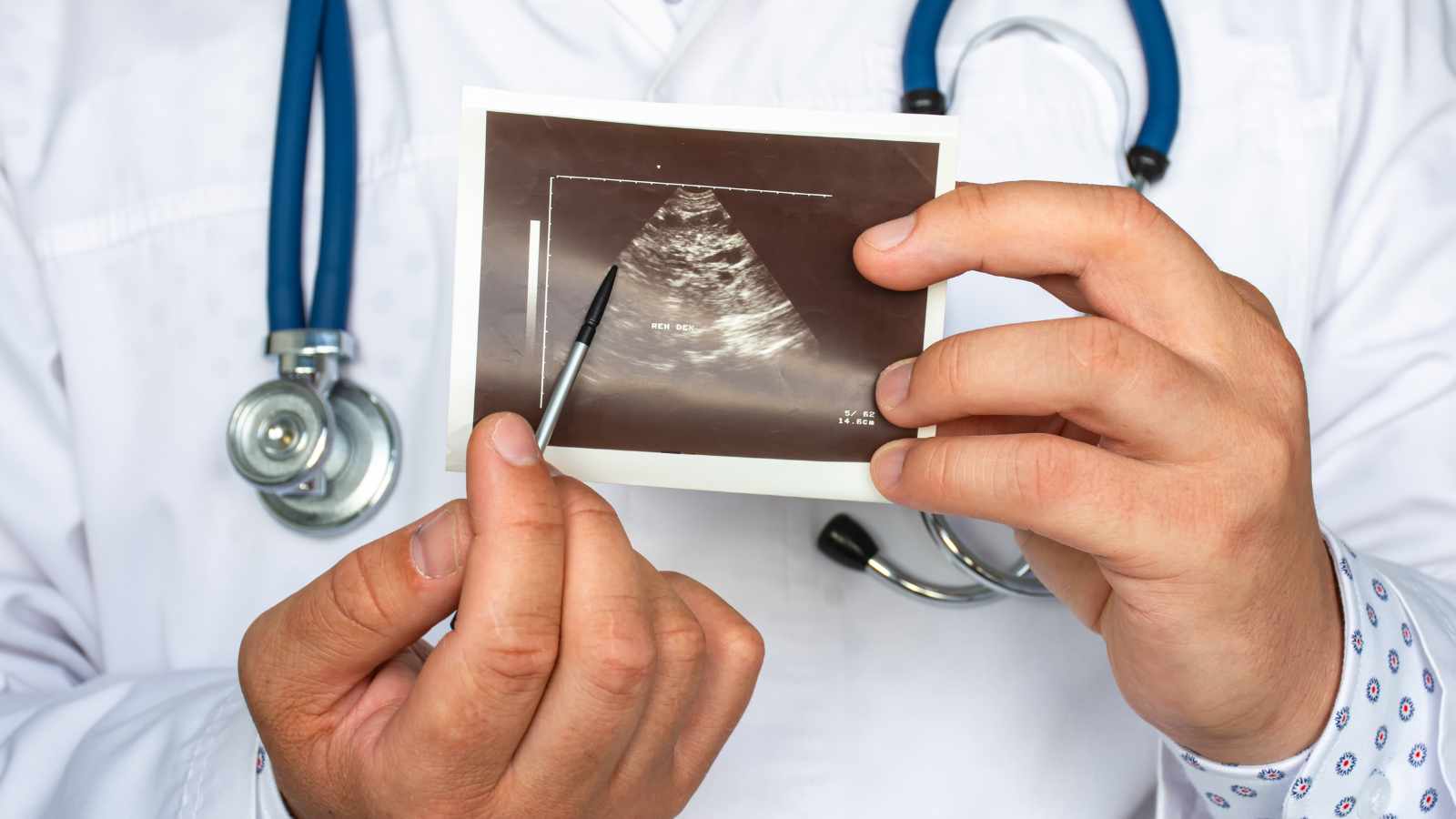
Polycystic Kidney Disease (PKD) is a hereditary disorder marked by developing cysts within the kidneys. This condition can contribute to hypertension and insulin resistance, posing challenges to weight management. Adopting a well-balanced diet and engaging in consistent physical activity can enhance insulin sensitivity in individuals affected by PKD.
Gastrointestinal Issues
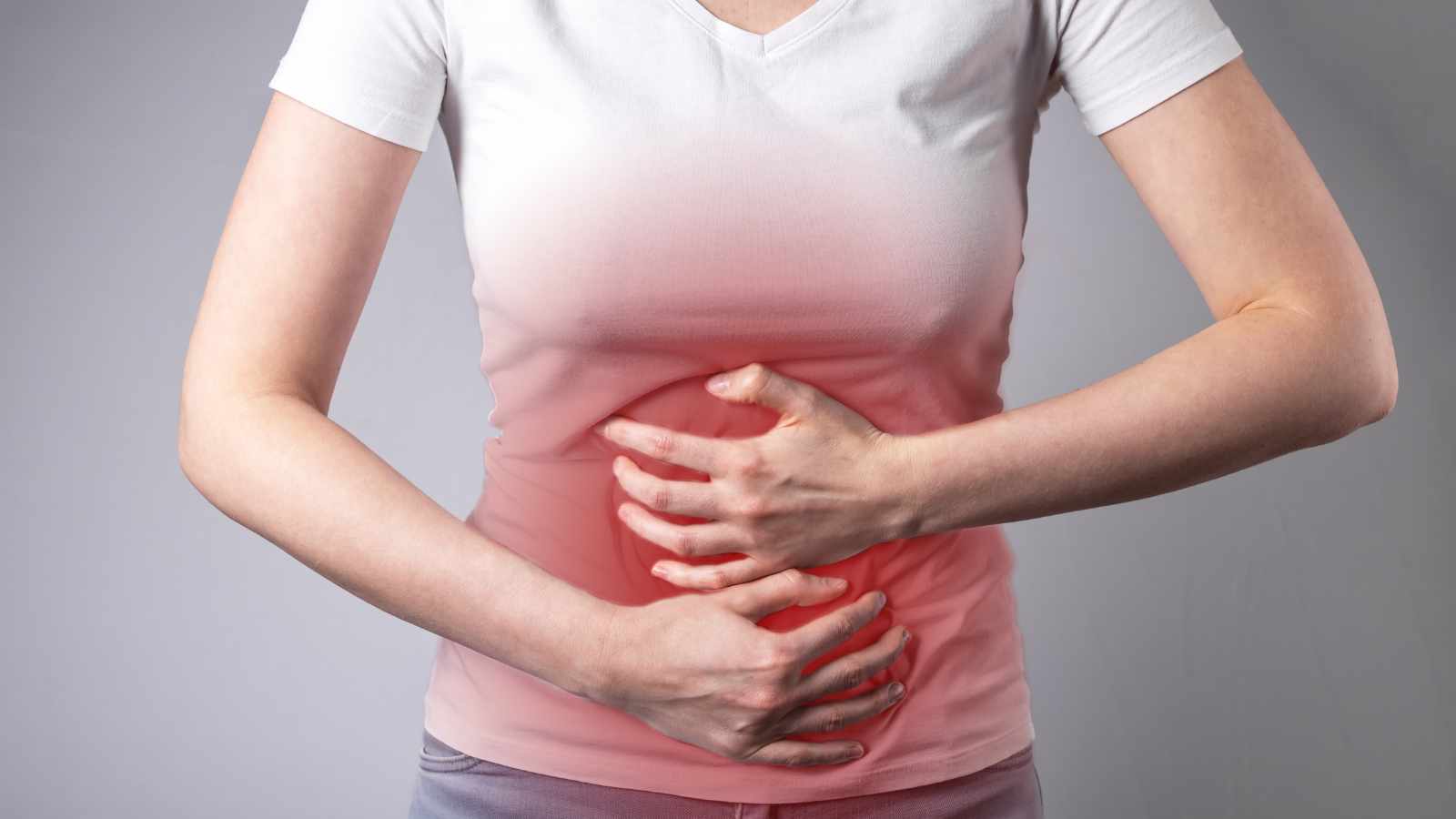
Digestive issues like irritable bowel syndrome (IBS) and inflammatory bowel disease (IBD) can affect the body’s ability to absorb nutrients properly. These issues can lead to malnutrition, making it difficult to lose weight and potentially causing bloating and other digestive symptoms. Treating underlying gastrointestinal conditions can help you lose weight.
Inflammatory Conditions

Chronic inflammation in the body can interfere with weight loss efforts. Conditions like rheumatoid arthritis, lupus, and other autoimmune diseases can cause inflammation, leading to insulin resistance and increased fat storage. Managing these conditions through medication, diet, and exercise may aid in reducing belly fat.
Medications

Weight gain, particularly in the abdomen, has been associated with using antidepressants, antipsychotics, and corticosteroids. It is crucial to have a conversation with your healthcare provider about the probable side effects of your medications and explore alternative options.
Menopause

Menopause is a natural part of aging for women that typically occurs in their 40s or 50s. During this time, hormonal changes can lead to increased abdominal fat storage. Engaging in regular physical activity and following a balanced diet can help minimize the effects of menopause on weight gain.
Thyroid Disorders

The thyroid gland regulates metabolism, and when it’s underactive (hypothyroidism), it can slow down metabolism and make it more challenging to lose weight. Hypothyroidism can also cause fluid retention, leading to bloating and weight gain. Treatment with medication can help regulate the thyroid gland and improve weight loss efforts.
More From Health Makes You

Hearing loss is a serious condition that can significantly impact one’s quality of life. Unfortunately, many people are unaware of the common bad habits which can lead to hearing loss. Here are 14 bad habits that could make you deaf if left unchecked.
14 Bad Habits That Could Make You Deaf
10 “Good” Habits That Are Actually Bad for You

Some healthy activities may seem like good ideas, but they are actually bad for your health. It sounds counterintuitive, but these habits can put your body at risk. Here are ten good habits that can have negative consequences if practiced too often or intensely.
10 “Good” Habits That Are Actually Bad for You
Want to Live a Long Life? DON’T DO These 20 Things

Do you want to live a long and healthy life? Then you should avoid doing certain things. Research shows that some habits, behaviors, and activities can harm your health. Here are the top 20 worst things you can do for your health.
Want to Live a Long Life? DON’T DO These 20 Things
The 30 Worst Foods to Eat After Age 30

Eating healthily is vital at all times, but after 30, consuming certain foods can harm more than help. By avoiding these food items when you reach your thirties, you can promote lasting health and happiness for years.
The 30 Worst Foods to Eat After Age 30
20 Bad Habits That Could Make You Blind

Staring at a screen (phone, laptop) has become a common habit that seems harmless, but over time it can cause severe damage to your eyes. That’s just one of the habits that can damage your eyesight. Here’s more:
20 Bad Habits That Could Make You Blind
This article was produced on Health Makes You.