
Losing weight doesn’t require cutting meals or skipping snacks. In fact, some foods can help your body burn fat, manage hunger, and maintain steady energy throughout the day.
This article explores practical food choices that naturally support weight loss while keeping your appetite in check. Expect real, science-backed insights; no gimmicks or extreme diets.
High-Fiber Vegetables

Fiber slows digestion and keeps your stomach feeling satisfied. Vegetables like broccoli, spinach, Brussels sprouts, and carrots are excellent examples.
These veggies are low in calories but bulky in volume, which helps fill up your plate without loading on excess energy. Eating more of them can reduce your cravings between meals.
Soluble vs. Insoluble Fiber
- Soluble fiber (found in carrots and sweet potatoes) dissolves in water and forms a gel that slows absorption.
- Insoluble fiber (found in kale and cauliflower) adds bulk to stool and promotes digestive health.
Lean Protein

Eating protein makes your body work harder to break it down. This process, called the thermic effect of food, means you burn more energy simply by eating. Lean protein sources like chicken breast, turkey, lentils, tofu, and eggs keep you fuller and help preserve muscle mass during weight loss.
Aim to include a protein source with every meal to reduce overeating later in the day. Scrambled eggs for breakfast or grilled salmon for dinner are simple ways to make this a habit.
Whole Grains
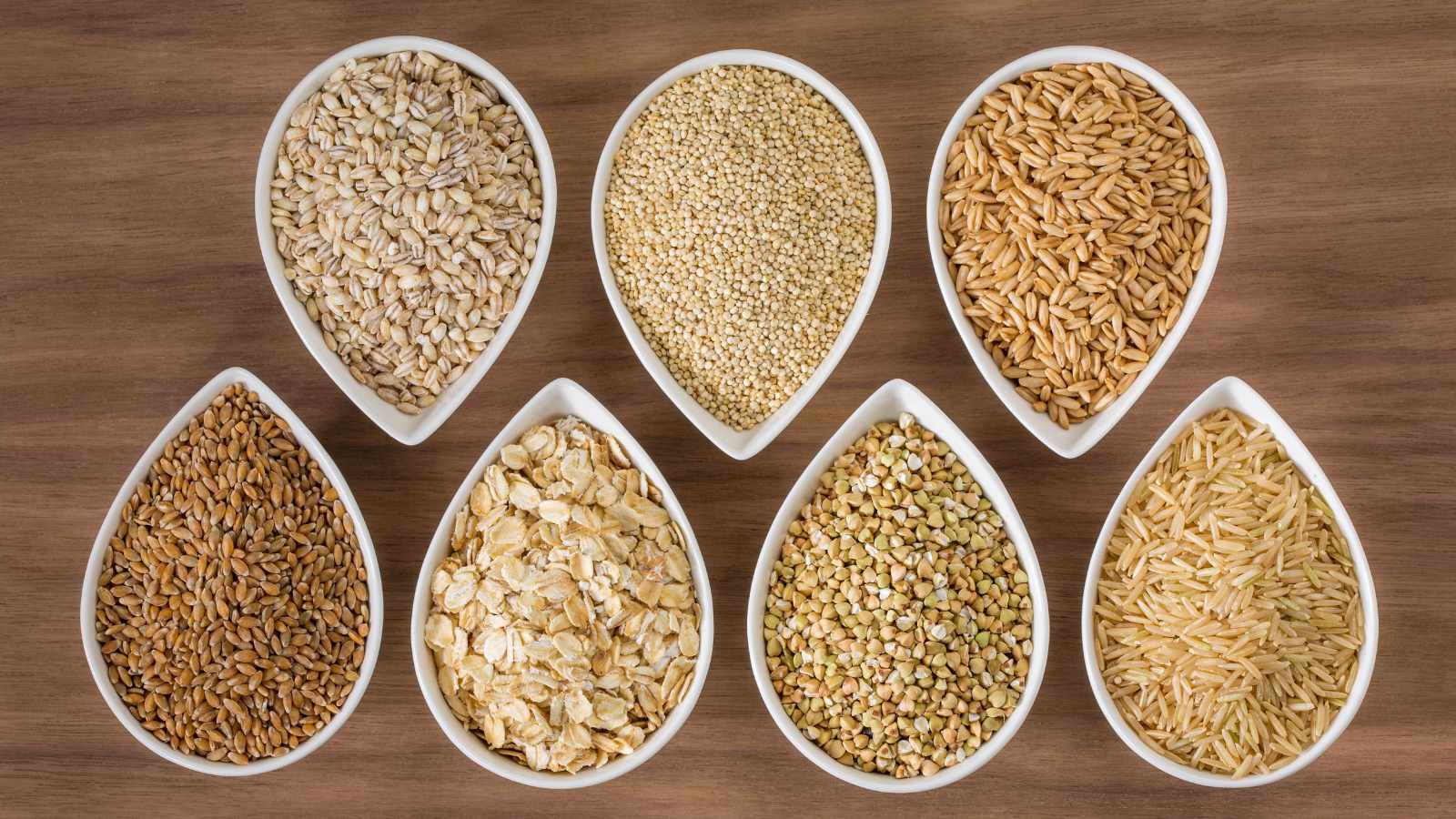
Not all carbs are the enemy. Whole grains like quinoa, oats, brown rice, and barley digest slowly, keeping your blood sugar stable. These foods also contain fiber and B-vitamins, which are key for maintaining metabolism.
Refined grains, in contrast, break down quickly and leave you hungry soon after eating. Swapping white rice for brown or choosing steel-cut oats over instant oatmeal is a small change that can have a big impact.
Healthy Fats
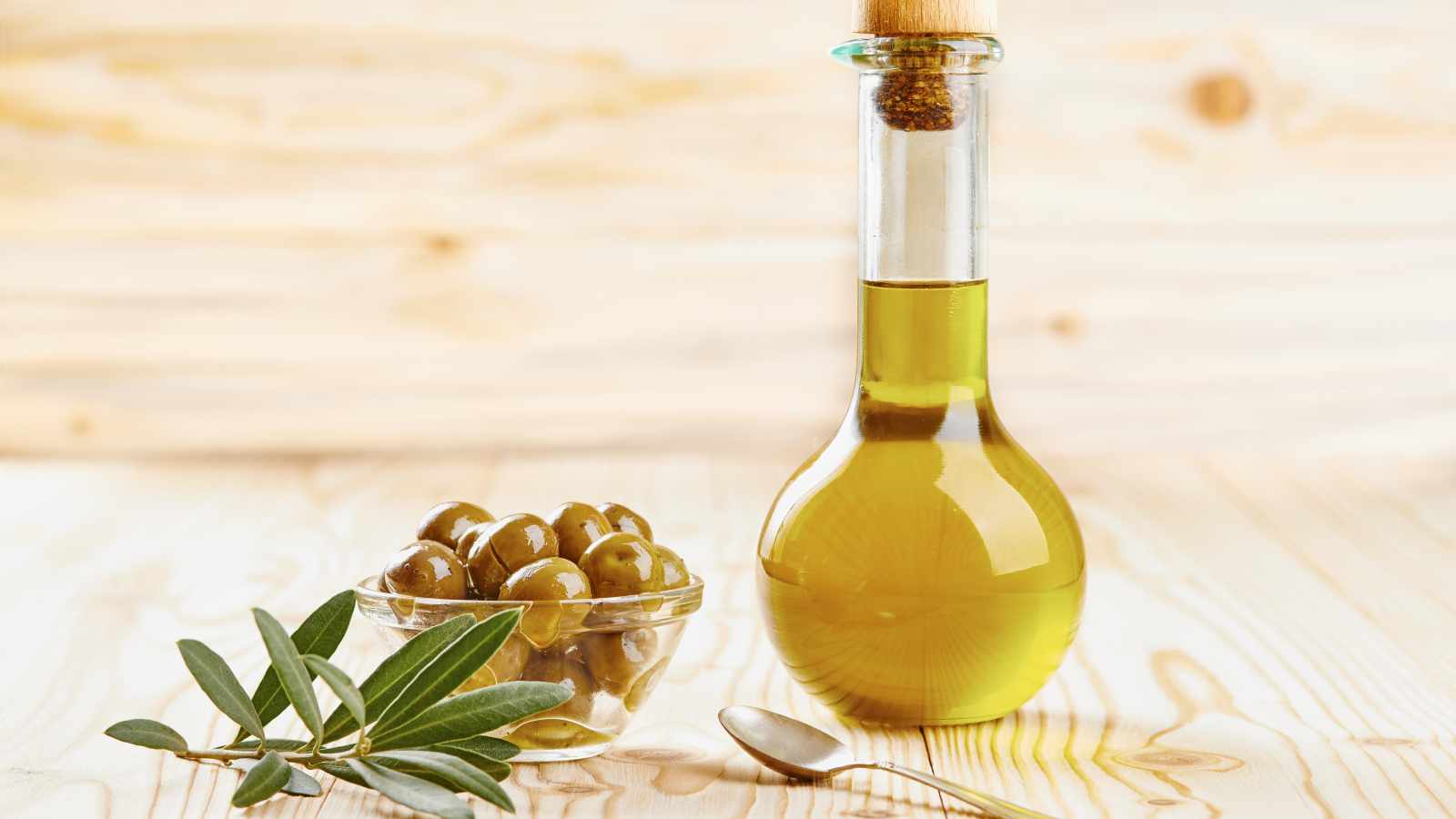
Fat doesn’t necessarily make you fat; eating the right kinds can actually control hunger. Foods rich in unsaturated fats such as avocados, olive oil, chia seeds, and nuts provide long-lasting energy and improve satisfaction after meals.
These fats slow digestion and activate hormones that tell your brain you’ve had enough to eat. Adding a tablespoon of nut butter to your snack or avocado to your salad may prevent bingeing later.
Fermented Foods
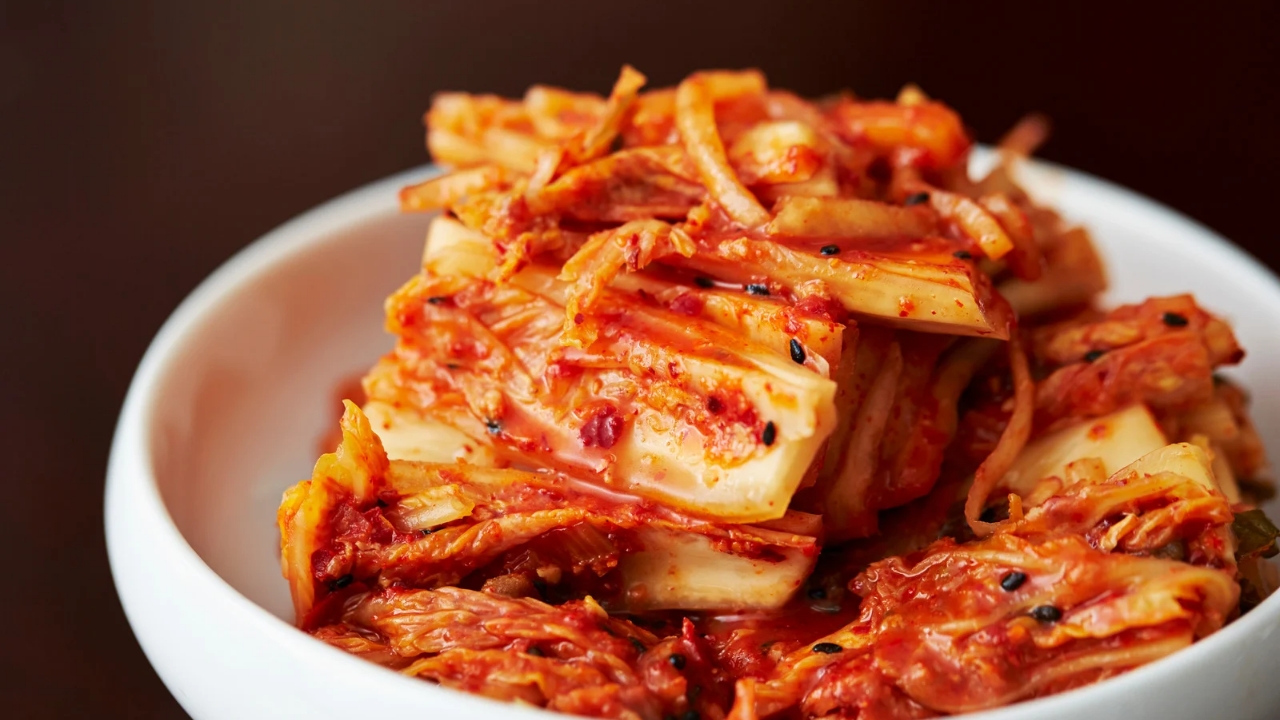
Gut health plays a larger role in weight management than many realize. Fermented foods like kimchi, sauerkraut, kefir, and yogurt contain probiotics that support the balance of bacteria in your digestive tract.
A healthy gut microbiome helps regulate how you store fat and absorb nutrients. Eating these foods regularly can reduce bloating and improve how your body processes other foods, making weight loss efforts more effective.
Beans and Legumes
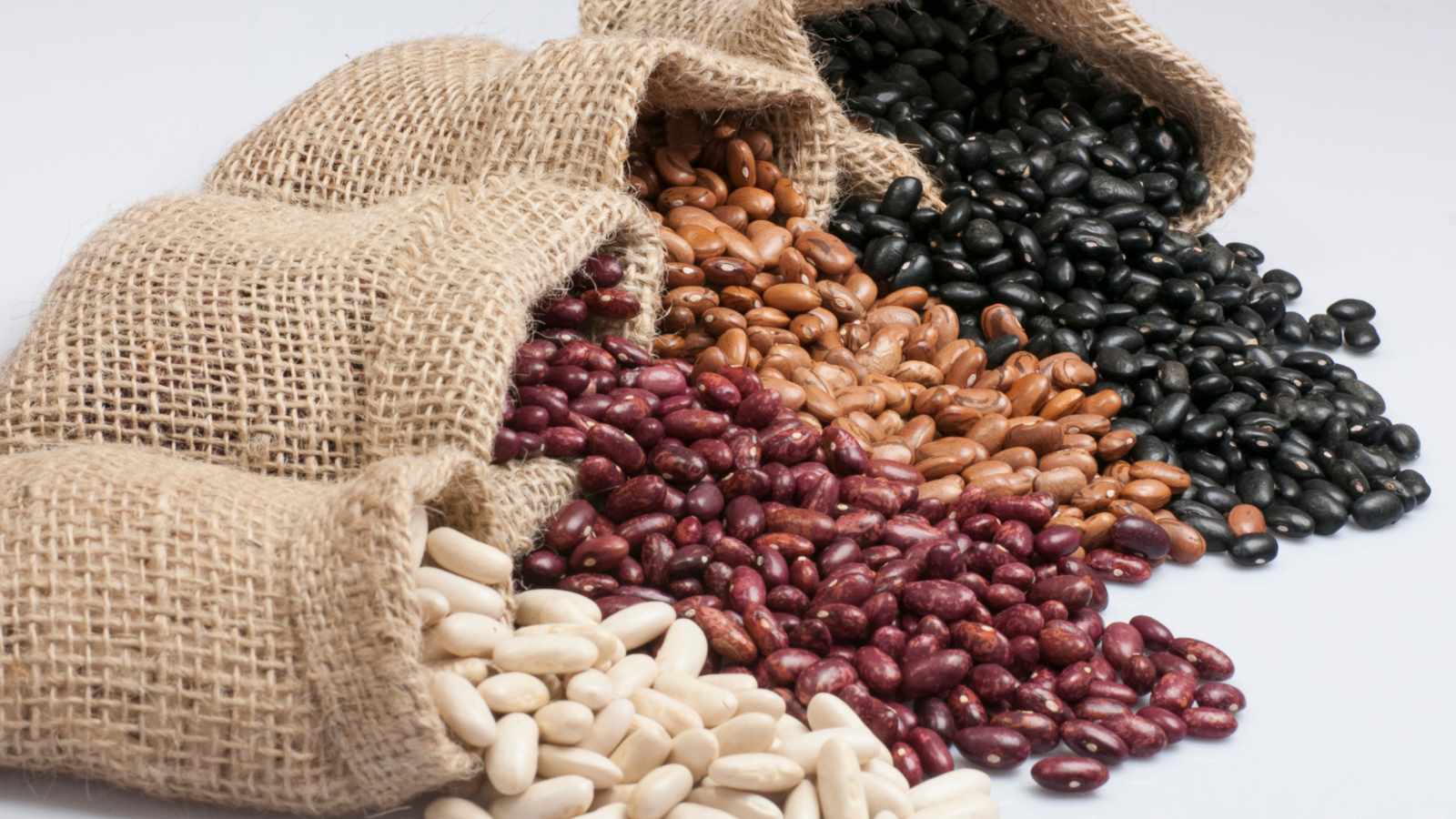
Beans, lentils, peas, and chickpeas are packed with both protein and fiber. That combination makes them incredibly filling without being high in calories. Just one cup of cooked lentils offers about 18 grams of protein and 15 grams of fiber.
They also contain resistant starch, which acts like fiber and supports healthy digestion. Swap out some meat-based meals for legume-based dishes a few times a week for better appetite control and slower fat gain.
Berries

Craving sugar? Berries like blueberries, raspberries, and strawberries provide natural sweetness, antioxidants, and fiber. They have a low glycemic index, which means they don’t cause a rapid spike in blood sugar.
They also promote insulin sensitivity and help fight inflammation, which can affect how your body stores fat. A cup of berries with Greek yogurt or blended in a smoothie makes a great dessert that doesn’t sabotage your goals.
Conclusion
Eating for weight loss doesn’t have to mean eating less; it means eating smarter. The right foods can help your body feel full, energized, and balanced without the need for deprivation.
Focus on whole, minimally processed choices like those listed above. Over time, these habits can reshape not just your weight, but also your relationship with food.