
Vision is one of the most valued senses, yet many people take it for granted. Everyday habits, diet, and screen time all influence long-term eye health.
Understanding these key facts can help protect your sight and reduce the risk of vision problems as you age. Let’s examine each of them.
Regular Eye Exams Detect Problems Early
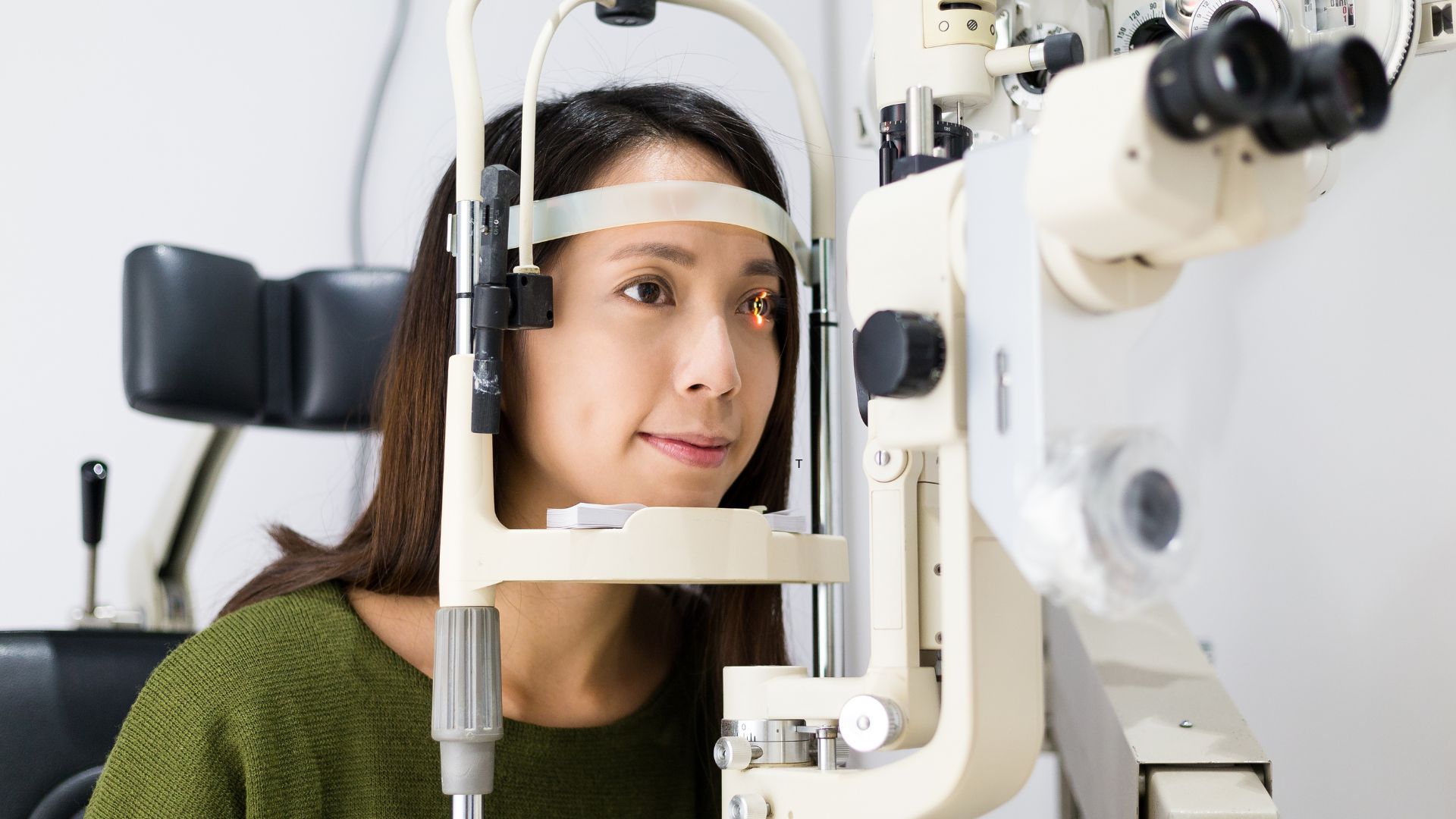
Routine check-ups do more than update a glasses prescription. Eye doctors can spot conditions like glaucoma, macular degeneration, and cataracts in their early stages.
Many eye diseases develop without noticeable symptoms, making early detection essential for treatment and prevention.
How Often Should You Get an Eye Exam?
- Adults under 40 should visit an eye doctor every two years.
- People over 40 or those with risk factors like diabetes should have annual check-ups.
- Children should have their first comprehensive eye exam before starting school.
UV Rays Can Damage Eyes Year-Round

Many think sunglasses are only necessary on sunny days, but UV exposure occurs even when the sky is cloudy.
Long-term UV damage increases the risk of cataracts, macular degeneration, and even eye cancer.
Choosing the Right Sunglasses
- Look for lenses that block 100% of UVA and UVB rays.
- Wraparound styles offer extra protection from side exposure.
- Even in winter, snow reflects UV rays, making sunglasses essential.
Diet Plays a Major Role in Eye Health

The foods you eat directly impact vision and eye function. Nutrients like vitamin A, omega-3 fatty acids, and lutein help maintain healthy eyes and reduce the risk of age-related conditions.
Best Foods for Eye Health
- Leafy greens – rich in lutein and zeaxanthin, and protect against macular degeneration.
- Fatty fish – Omega-3s help prevent dry eye syndrome and support retinal health.
- Carrots and sweet potatoes – high in beta-carotene, which the body converts into vitamin A.
Digital Screens Contribute to Eye Strain

Extended screen time can lead to dry eyes, headaches, and blurred vision. This condition, known as digital eye strain, is becoming increasingly common due to the prolonged use of phones, computers, and tablets.
How to Reduce Eye Strain
- Follow the 20-20-20 rule: Every 20 minutes, look at something 20 feet away for 20 seconds.
- Adjust screen brightness and contrast to a comfortable level.
- Blink frequently to keep eyes moisturized and prevent dryness.
Smoking Increases the Risk of Blindness

Cigarette smoke contains toxins that affect circulation and damage delicate eye tissues. Smokers are at a higher risk for cataracts, optic nerve damage, and macular degeneration.
How Smoking Harms Vision
- Reduces blood flow to the eyes, leading to nerve damage.
- Increases oxidative stress, which accelerates age-related vision loss.
- Raises the likelihood of developing diabetic retinopathy.
Sleep Quality Affects Eye Health

Rest is essential for maintaining moisture balance in the eyes. Poor sleep habits can cause redness, twitching, and increased sensitivity to light. Chronic sleep deprivation may also contribute to long-term vision issues.
Signs of Eye Strain from Lack of Sleep
- Dry, irritated eyes – Inadequate rest reduces tear production.
- Blurred vision – Fatigue weakens focus and coordination.
- Increased light sensitivity – Eyes struggle to adjust in bright environments.
Conclusion
Protecting your vision requires simple but consistent habits. Regular check-ups, a nutrient-rich diet, UV protection, and screen breaks all contribute to long-term eye health.
Small changes today can help preserve your sight for years to come.