
Food allergies can be tricky and confusing to navigate, and unfortunately, there are a lot of misconceptions about them. Understanding what’s fact and what’s fiction is essential when it comes to managing a food allergy. Let’s uncover ten common food allergy misconceptions that many people mistakenly believe.
Food Allergies Are Rare
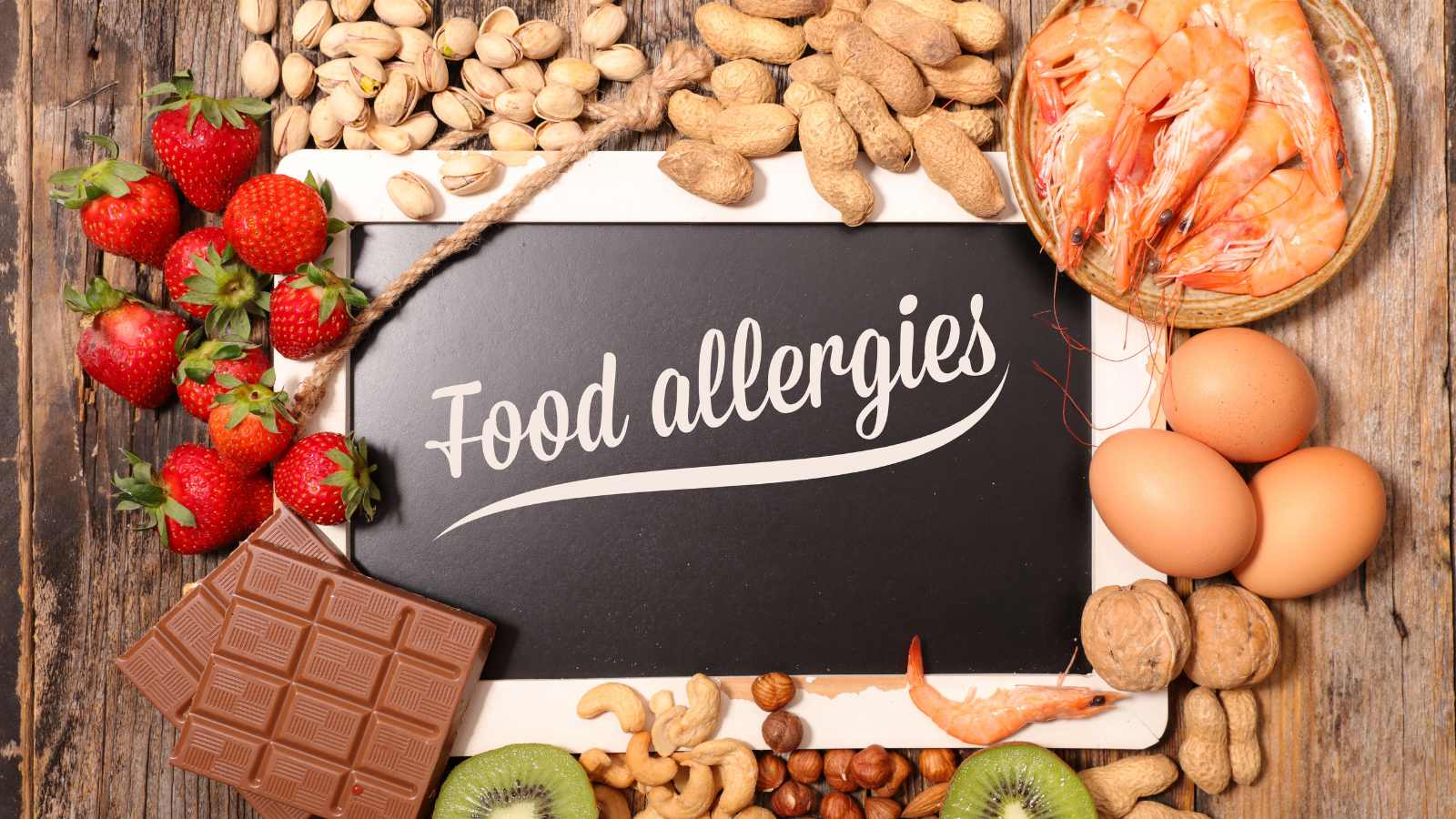
In reality, food allergies are far more common than most people think. According to the Centers for Disease Control and Prevention (CDC), up to 15 million Americans suffer from food allergies, with an estimated 1 in 13 children under 18 having at least one food allergy.
Allergic Reactions are Always Severe

People often assume that all allergic reactions are life-threatening or cause extreme illness. Not all allergic reactions will be severe or require medical attention. Milder symptoms can include hives, itching, swelling in the mouth or throat, or gastrointestinal issues such as vomiting or diarrhea.
You Can Outgrow Allergies

Some people can outgrow allergies, but it’s not guaranteed to happen in all cases. It’s important to note that allergies can also develop later in life, so it’s essential to keep a close eye on any potential reactions or symptoms that may indicate the development of an allergy. Also, some allergies can go away, but this is not the case with all food allergies. Some food allergies are lifelong and cannot be outgrown or cured. Even if an allergy seems to have disappeared, it is still essential to avoid the allergen as a precaution.
People With Allergies Should Avoid Eating Out

Though managing a food allergy when eating out can be challenging, it’s not impossible. With a bit of extra effort and research, finding restaurants and dishes that are safe to eat is possible. It’s essential to be aware of the potential risks and take the necessary precautions, but there’s no reason to avoid eating out.
Allergic Reactions Always Happen Immediately After Eating the Allergen

Many assume that allergic reactions must happen almost immediately after consuming the allergen, but this is not always true. Depending on the individual’s sensitivity level and other factors, an allergic reaction may occur hours or even days after eating the food item.
It is Always Easy to Identify Allergens in Food Products

Just because a food item doesn’t contain nuts or dairy, for example, doesn’t mean it is safe. For instance, some products may contain traces of an allergen that the manufacturer hasn’t listed on the label. Other ingredients, such as modified food starch, can be derived from various sources, including wheat and other common allergens.
Cross-Contamination of Allergens is Not an Issue

Cross-contamination is when food particles from one source are transferred to another. This means that a person with a tree nut allergy could be exposed to traces of the allergen if they consume something prepared in an environment with tree nuts. Cross-contamination is one of the most significant risks regarding food allergies because even trace amounts of an allergen can cause a reaction. Therefore, asking questions and reading labels when dining out or purchasing food products is always important.
Epinephrine is the Only Treatment for Allergic Reactions

Though epinephrine is the most widely used treatment for severe allergic reactions, it is not the only one. Antihistamines such as Benadryl can help reduce mild symptoms, while corticosteroids can help reduce inflammation and swelling. If a person has difficulty breathing due to an allergic reaction, they may require additional treatment, such as oxygen or a nebulizer for breathing assistance. It’s essential to follow the instructions of a doctor or medical professional if you experience a severe allergic reaction.
Food Allergies Are Easy to Diagnose
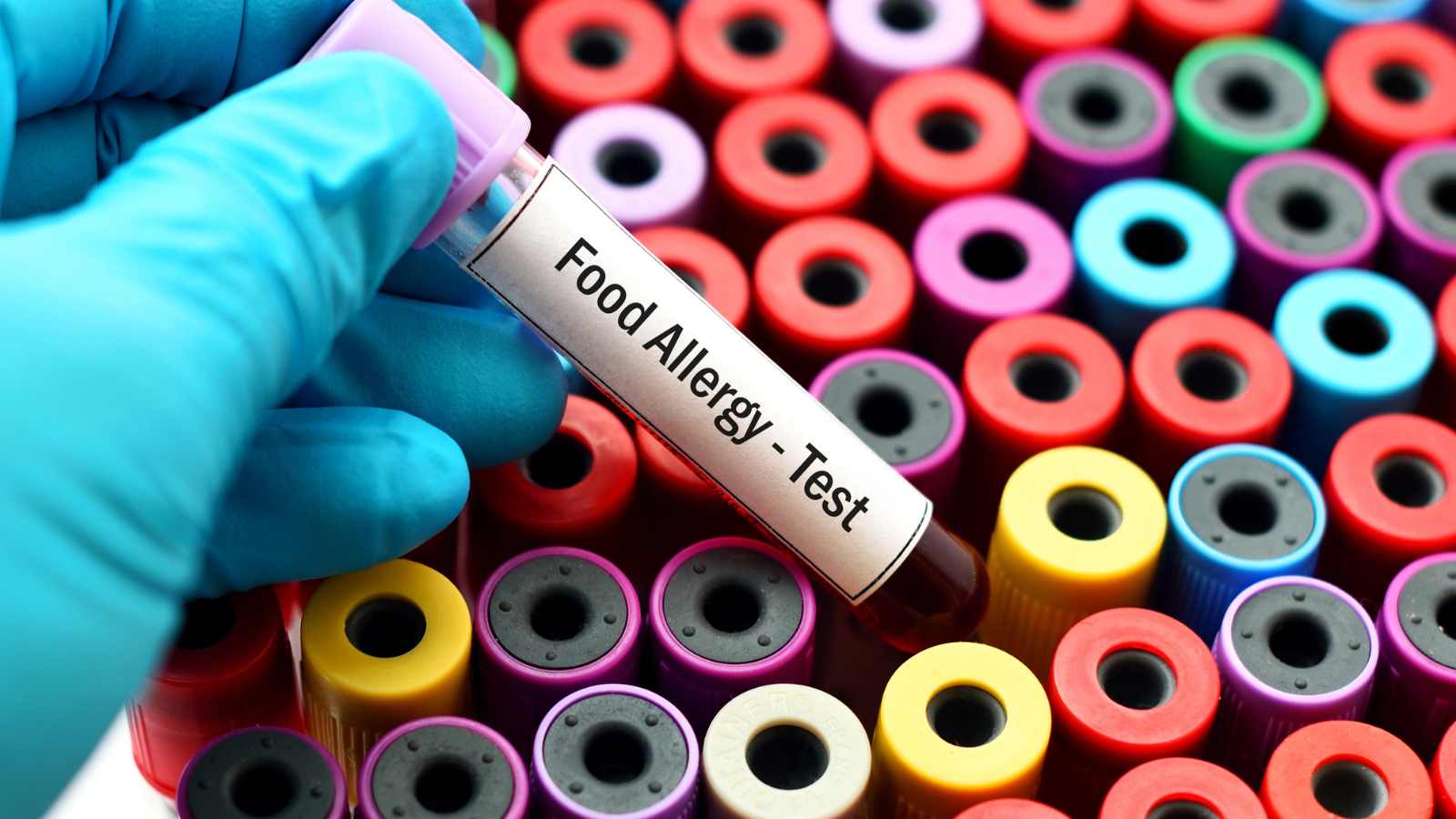
Diagnosing food allergies is not always easy. It can often require multiple tests performed by an allergist, such as skin tests, patch tests, or blood tests. Additionally, it’s essential to record the foods eaten, when symptoms occurred, and their severity to help the allergist diagnose. Since food allergies can be challenging to diagnose, it’s essential to seek medical help if you think you may have a food allergy.
Allergic Reactions Only Affect the Skin and Digestive System
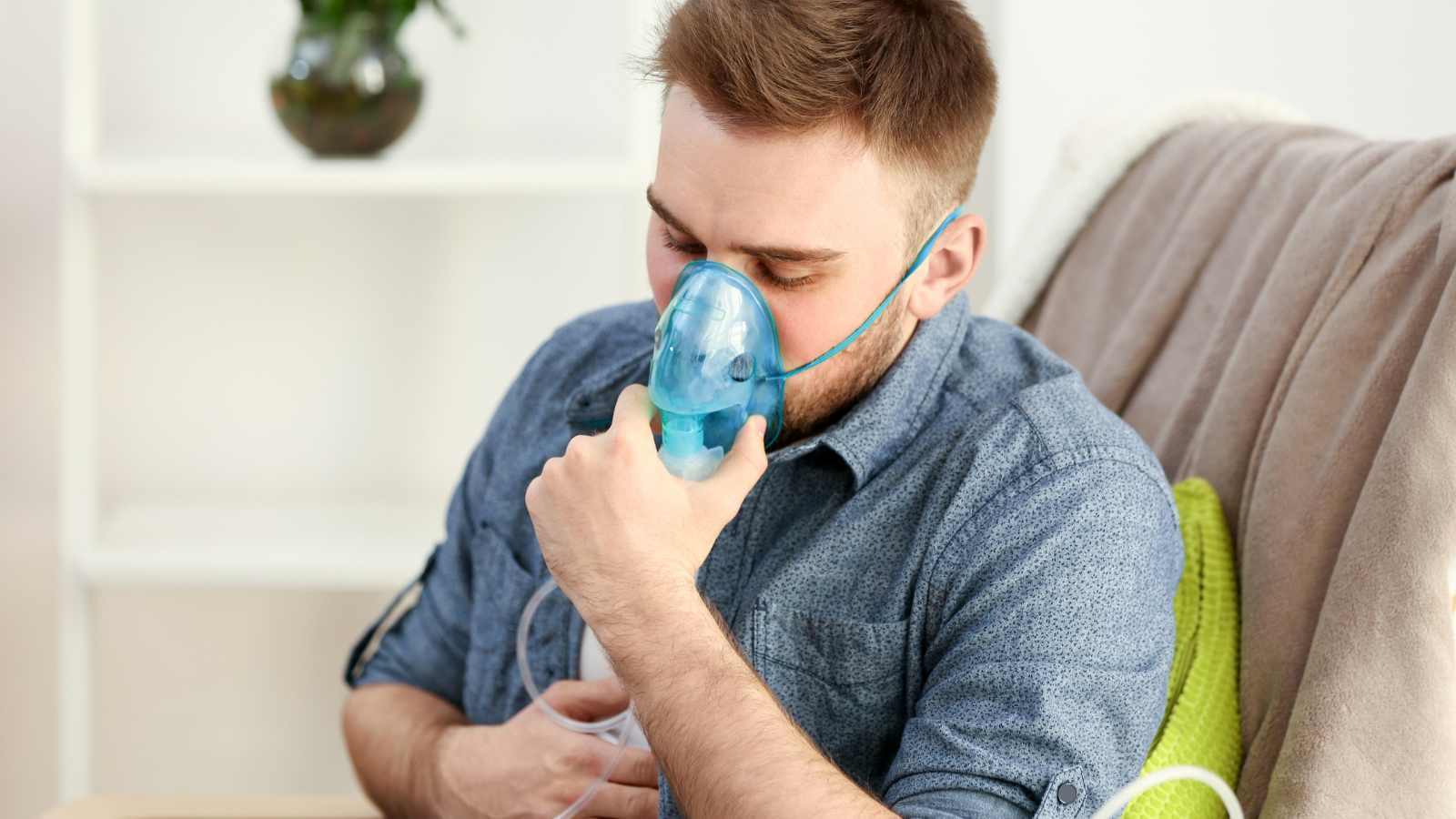
The effects of a food allergy can be far-reaching and range from mild to severe. Allergic reactions can affect various body systems, including the skin, digestive, respiratory, and cardiovascular systems. Food allergies can affect more than just the skin or digestive system. In addition to hives, itching, vomiting, and diarrhea, food allergies can also cause difficulty breathing, a drop in blood pressure, dizziness, and even loss of consciousness.
Eating a Small Amount of an Allergen is Safe

This is false; even small amounts of an allergen can trigger severe allergic reactions, and avoiding the allergen entirely is essential. It is also vital to know how to recognize the signs and symptoms of anaphylaxis to provide prompt treatment if necessary.
More From Health Makes You

Hearing loss is a serious condition that can significantly impact one’s quality of life. Unfortunately, many people are unaware of the common bad habits which can lead to hearing loss. Here are 14 bad habits that could make you deaf if left unchecked.
14 Bad Habits That Could Make You Deaf
10 “Good” Habits That Are Actually Bad for You

Some healthy activities may seem like good ideas, but they are actually bad for your health. It sounds counterintuitive, but these habits can put your body at risk. Here are ten good habits that can have negative consequences if practiced too often or intensely.
10 “Good” Habits That Are Actually Bad for You
Want to Live a Long Life? DON’T DO These 20 Things

Do you want to live a long and healthy life? Then you should avoid doing certain things. Research shows that some habits, behaviors, and activities can harm your health. Here are the top 20 worst things you can do for your health.
Want to Live a Long Life? DON’T DO These 20 Things
The 30 Worst Foods to Eat After Age 30

Eating healthily is vital at all times, but after 30, consuming certain foods can harm more than help. By avoiding these food items when you reach your thirties, you can promote lasting health and happiness for years.
The 30 Worst Foods to Eat After Age 30
20 Bad Habits That Could Make You Blind

Staring at a screen (phone, laptop) has become a common habit that seems harmless, but over time it can cause severe damage to your eyes. That’s just one of the habits that can damage your eyesight. Here’s more:
20 Bad Habits That Could Make You Blind
This article was produced on Health Makes You.