
Cholesterol is essential for your body, but too much of it in your blood can raise the risk of heart disease and stroke. What you eat has a direct impact on your cholesterol levels, and certain foods can quietly push them higher. Recognizing these foods is the first step to protecting your heart and keeping your cholesterol in check.
Many everyday favorites—often seen as quick, tasty, or convenient—can actually work against your health. By knowing which foods increase cholesterol, you can make smarter swaps that lower risk and support long-term heart health. Simple adjustments in your diet today can lead to stronger protection tomorrow.
Red Meat

Red meat, especially in large quantities, can increase cholesterol and saturated fat levels in the body. This effect is due to its high heme iron content, which can contribute to the production of LDL (“bad”) cholesterol. Consuming leaner cuts of meat or reducing overall intake of red meat can help manage cholesterol levels.
Better alternative: Swap out red meat for leaner protein options that support heart health. Eat Wild-Caught Salmon – Packed with omega-3 fatty acids that reduce inflammation and support cardiovascular wellness. Try Wild-Caught Sockeye Salmon Fillets.
Processed Meats

Processed meats like sausages, hot dogs, and bacon are linked to saturated fats and cholesterol-raising additives, which can harm heart health. To maintain a heart-healthy diet, opt for leaner protein sources like poultry, fish, legumes, and tofu. These choices can enhance overall well-being and support cardiovascular health.
Better alternative: Replace processed meats with healthier protein options you can prepare at home. Eat Skinless Chicken Breast – A lean source of protein with very little saturated fat. Try Whole Foods Boneless Chicken Thighs.
Trans Fats

Trans fats, also known as trans-fatty acids, are a type of unsaturated fat that can severely impact cholesterol levels. These fats increase the level of LDL (“bad”) cholesterol while simultaneously lowering the level of HDL (“good”) cholesterol. This double-edged effect heightens the risk of heart disease, stroke, and type 2 diabetes.
Better alternative: Replace foods high in trans fats with healthier cooking options like air frying or baking, which cut out the need for unhealthy oils. For example, the Cuisinart Air Fryer lets you prepare crispy meals using little to no oil, helping you enjoy your favorite foods while supporting better cholesterol levels.
Fast Food and Fried Delights

Fast food and fried foods are typically high in trans fats, which can contribute to unhealthy cholesterol levels. These foods often contain harmful amounts of calories, sodium, and sugar. Consuming them in excess can lead to weight gain and an increased risk of heart disease.
Better alternative: Make your own healthier fast-food favorites at home. For example:
Homemade Oven-Baked Fries – Use fresh sweet potatoes, lightly seasoned and baked instead of deep-fried. A nonstick baking sheet makes this easy.
High-Fat Dairy Products
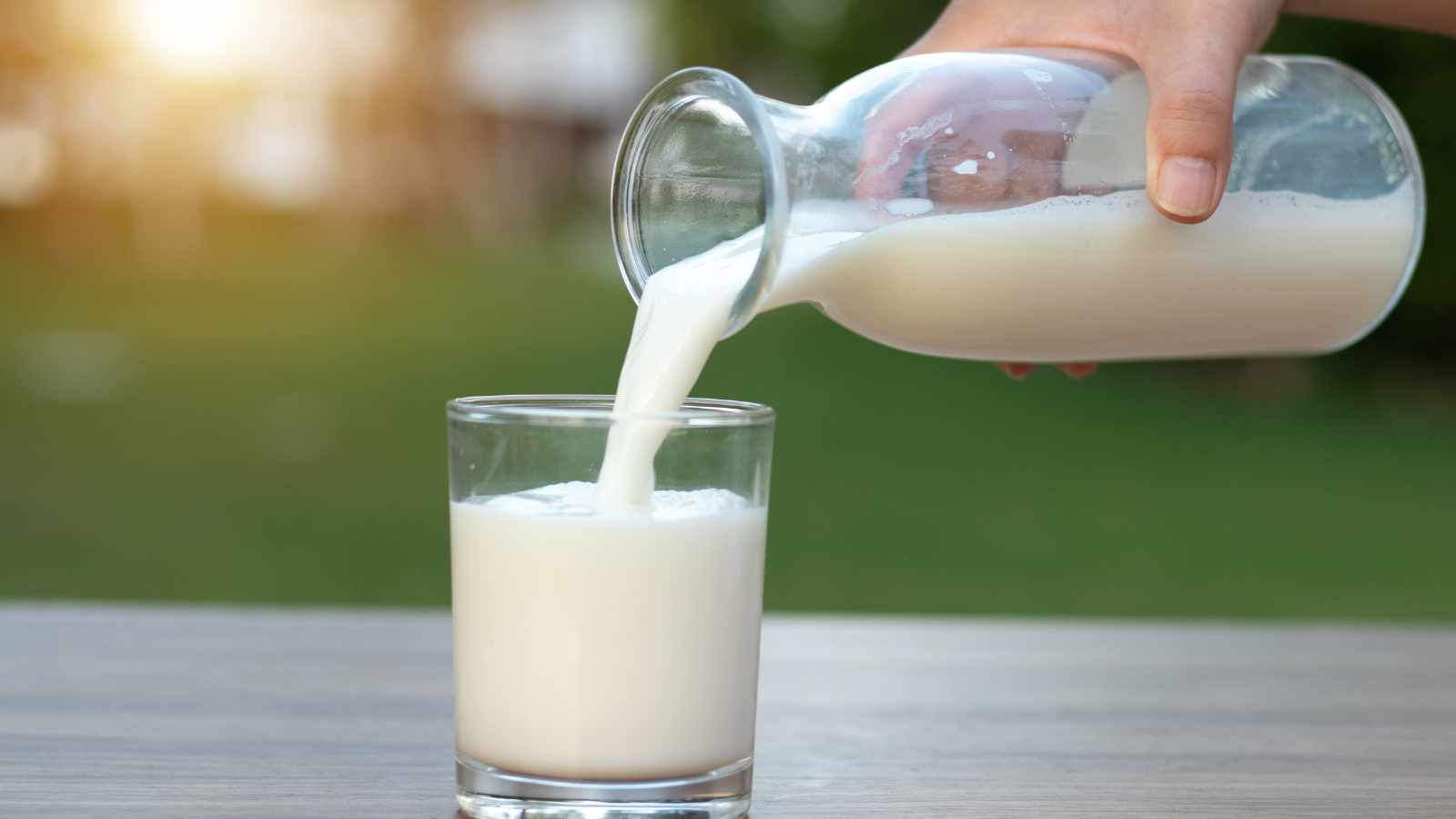
Full-fat dairy products like whole milk, cream, and cheese contain saturated fat, which can affect cholesterol levels and heart health. Replace these full-fat options with low-fat or non-dairy alternatives to maintain healthy cholesterol levels. This simple change in your diet can help promote a healthier lifestyle and take care of your heart.
Better alternative: Switch to plant-based dairy substitutes that are lower in saturated fat and often fortified with calcium and vitamin D. Drink MALK Organic Vanilla Almond Milk – A heart-healthy option.
Seafood and Shellfish

While seafood is often associated with heart-healthy diets, some types of seafood contain high levels of cholesterol. Examples include shrimp, crab, and lobster, which are all higher in cholesterol than other protein sources. While these foods can be enjoyed in moderation, balancing their intake with other low-cholesterol options is essential.
Better alternative: Choose fish that are naturally lower in cholesterol but still rich in omega-3s. Try Wild Planet Albacore Wild Tuna – A nutrient-dense, heart-friendly seafood option packed with healthy fats and protein.
Egg Yolks

Eggs are a nutritious food, but the yolks contain cholesterol. While research suggests that moderate egg consumption may not significantly impact cholesterol for most people, those with existing cholesterol issues should consult healthcare professionals.
Butter and Solid Fats

Butter and solid fats are high in saturated fat, which can contribute to increased cholesterol levels. Diets rich in saturated fat raise LDL cholesterol, often called the “bad” cholesterol, which increases the risk of heart disease and stroke. These fats are commonly found in butter, lard, shortening, and some types of margarine, as well as in fatty cuts of meat and full-fat dairy products.
Better alternative: Switch to heart-healthy spreads and oils. Try California Olive Ranch Extra Virgin Olive Oil – a high-quality option rich in healthy fats that support cholesterol balance.
Packaged Snacks and Crackers

Packaged snacks and crackers often contain trans fats and unhealthy additives that can harm your lipid profile and overall health. Regular consumption of these snacks increases the risk of cardiovascular diseases and other health issues.
Better alternative: Choose whole, unprocessed snacks like nuts or fresh fruits for better nutrition and overall well-being.
Some Cooking Oils

Cooking oils high in saturated or trans fats, such as coconut oil, can negatively impact cholesterol levels if consumed excessively. These fats can raise LDL cholesterol, making arteries more prone to plaque buildup and increasing the risk of heart disease. While coconut oil has become popular for its flavor and potential benefits in moderation, relying on it as a main cooking fat may do more harm than good for heart health.
Better alternative: Choose heart-healthy oils, such as olive or canola oil, which contain unsaturated fats that promote better heart health.
Creamy Sauces and Gravies

Although delicious, cream-based sauces and rich gravies often contain high levels of saturated fats that can affect cholesterol levels. To foster a healthier lifestyle, explore lighter alternatives or opt for smaller portions when indulging in these decadent meal additions.
Pre-packaged Desserts

Convenience desserts contain unhealthy fats and additives that can negatively impact cholesterol levels. However, opting for homemade treats allows for greater control over ingredient choices, providing a healthier and more satisfying alternative.
High-Sugar Foods

Consuming foods high in added sugars can lead to weight gain and result in metabolic changes that hurt cholesterol levels. Monitor and manage your sugar intake to ensure optimal overall health and well-being.
Commercially Baked Goods

Commercially baked goods, like cookies, cakes, and pastries, contain unhealthy ingredients like trans fats that can harm cholesterol levels. Instead of buying these products, try making yours home using healthier ingredients for a more balanced and nourishing treat.
Highly Processed Foods

Highly processed foods, often loaded with unhealthy fats, sugars, and additives, have been found to affect cholesterol levels negatively. Regularly consuming these types of foods can contribute to an increased risk of cardiovascular issues.