
Gastroesophageal reflux disease (GERD) is a chronic condition where stomach acid frequently flows back into the esophagus, leading to discomfort and potential complications.
While medications and lifestyle changes help manage GERD, diet can help prevent acid reflux symptoms. Certain foods are known tox trigger or exacerbate reflux, making it essential to know what to avoid.
Understanding GERD and Acid Reflux
Before diving into the worst foods for GERD, let’s briefly understand how acid reflux occurs.
- The lower esophageal sphincter (LES) is a muscle at the end of the esophagus that acts as a valve, preventing stomach acid from flowing back up.
- When the LES weakens or relaxes inappropriately, stomach acid can escape into the esophagus, causing heartburn, regurgitation, and discomfort.
- Certain foods and beverages can weaken the LES, stimulate acid production, or irritate the esophagus, worsening GERD symptoms.
Now, let’s take a closer look at the top offenders you should avoid in a GERD-friendly diet.
Citrus Fruits and Juices

Citrus fruits are packed with vitamin C and antioxidants, but they are also highly acidic. Consuming them can irritate the esophageal lining and trigger acid reflux.
Why Citrus Fruits Are Problematic
- High acidity lowers pH levels in the stomach, increasing acid production.
- Citrus juices (like orange, lemon, grapefruit, and lime) can weaken the LES.
- Frequent consumption can lead to a burning sensation in the chest and throat.
Examples of Acidic Fruits to Avoid
- Oranges
- Lemons
- Grapefruits
- Limes
- Pineapples (though not citrus, they are also acidic)
Alternatives
- Bananas (low in acid and help coat the stomach lining)
- Melons (like cantaloupe and honeydew, which have an alkaline effect)
- Apples and pears (milder on the stomach)
Tomatoes and Tomato-Based Products

Tomatoes are another highly acidic food that can aggravate GERD symptoms. Whether eaten raw, cooked, or processed, they tend to increase stomach acidity and weaken the LES.
Worst Tomato-Based Offenders
- Tomato sauce and ketchup (common in pasta dishes and fast food)
- Salsa and hot sauces (combining acidity with spices makes it even worse)
- Canned tomatoes (more concentrated acidity than fresh tomatoes)
- Tomato soup (often made with additional acidic ingredients like vinegar)
Alternative Options
- Instead of red pasta sauce, opt for pesto or olive oil-based sauces.
- Try non-tomato-based soups like butternut squash or lentil soup.
- If making homemade sauces, add a pinch of baking soda to neutralize acidity.
Spicy Foods
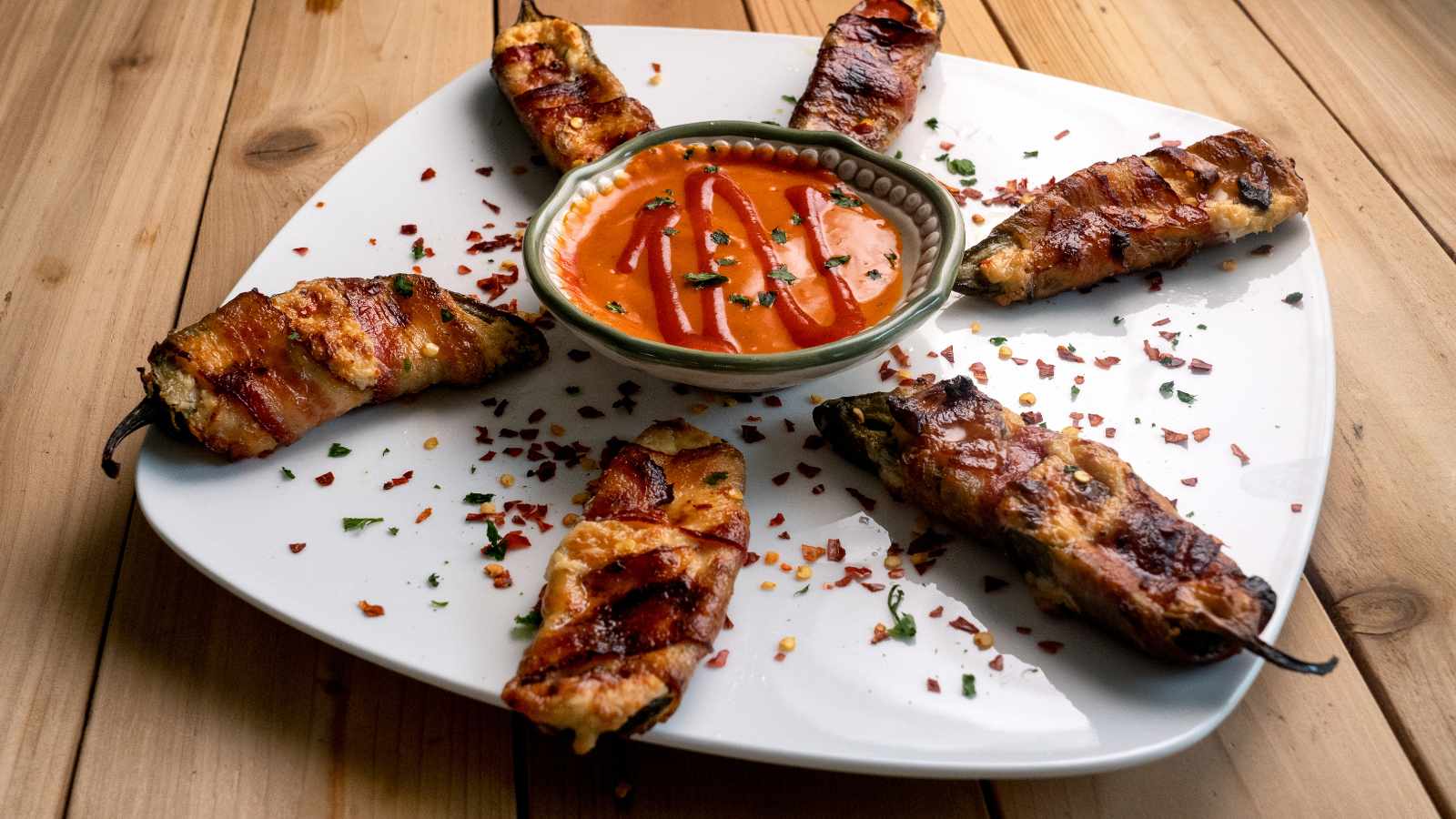
Spicy foods can cause inflammation and irritation in the digestive tract, making GERD symptoms significantly worse. The capsaicin found in chili peppers slows digestion, meaning food stays in the stomach longer, increasing acid reflux risk.
Spicy Culprits to Watch Out For
- Hot chili peppers (jalapeños, habaneros, ghost peppers)
- Hot sauces
- Wasabi and horseradish
- Spicy curries and chili-based dishes
Milder Alternatives
- Use mild herbs like basil, oregano, and thyme instead of chili peppers.
- Opt for seasonings like ginger or turmeric, which are less harsh on digestion.
- Try low-spice versions of your favorite dishes by using bell peppers instead of hot peppers.
Fried and Fatty Foods

High-fat foods slow down digestion, keeping food in the stomach longer, which increases the risk of acid reflux. Additionally, fatty meals relax the LES, allowing stomach acid to flow back into the esophagus.
Worst Fatty Offenders
- Deep-fried foods (French fries, fried chicken, onion rings)
- Fast food burgers and pizza
- Heavy cream-based dishes (alfredo sauce, creamy soups)
- Full-fat dairy products (cheese, butter, whole milk)
Healthier Choices
- Choose grilled, baked, or steamed versions of your favorite meals.
- Opt for lean proteins like chicken, turkey, or fish instead of fried meats.
- Use healthy fats like avocado, olive oil, and nuts in moderation.
Caffeinated and Carbonated Beverages
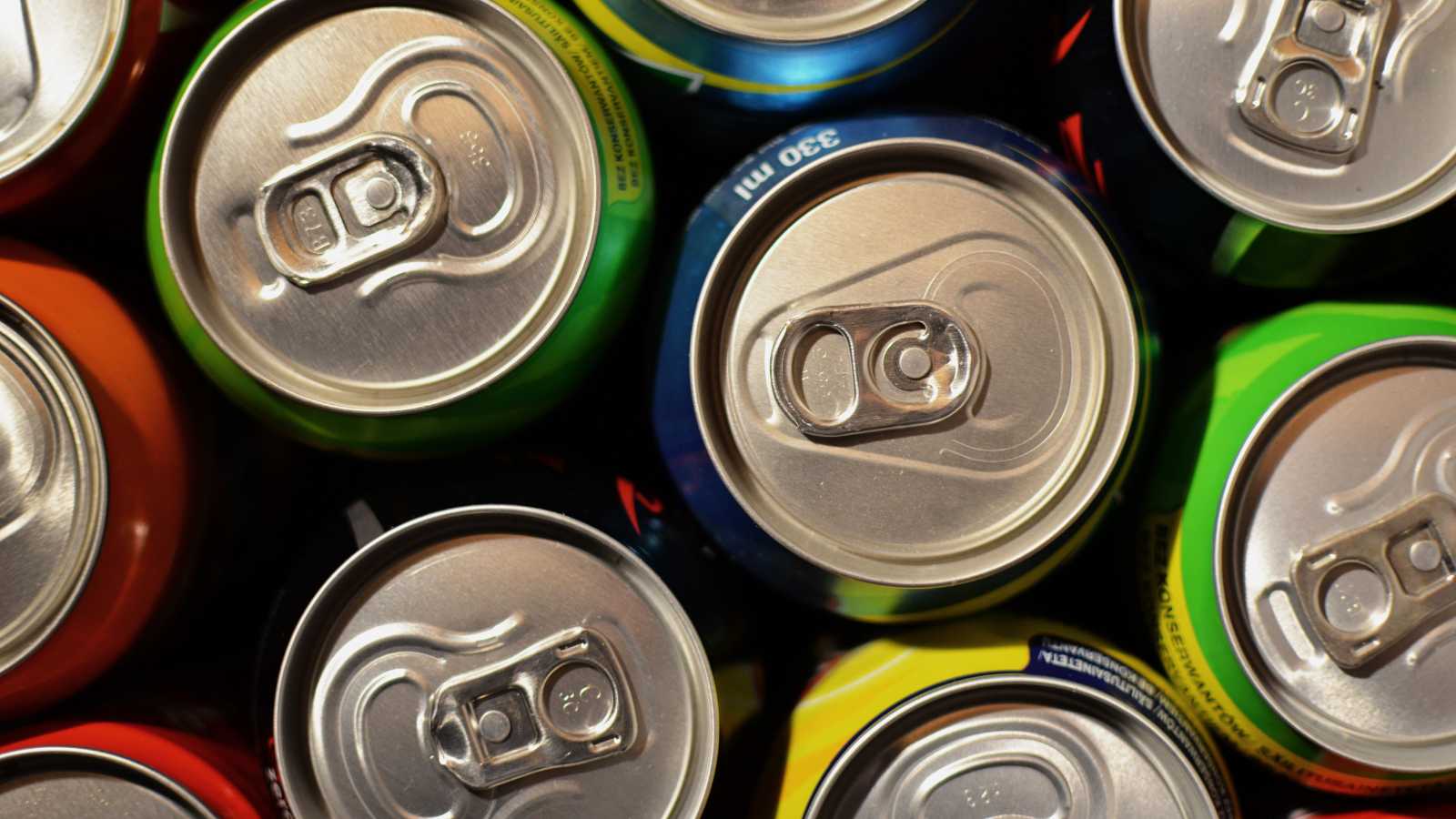
Coffee, tea, and carbonated drinks can increase stomach acid production and cause bloating, which puts pressure on the LES, leading to acid reflux.
Why Caffeine and Carbonation Are Bad for GERD
- Caffeine relaxes the LES, making acid reflux more likely.
- Carbonated drinks create excess gas, increasing pressure on the stomach.
- Coffee and strong tea can stimulate acid production.
Beverages to Avoid
- Coffee and espresso
- Black tea and green tea (high in caffeine)
- Sodas and energy drinks
- Beer and sparkling wine
GERD-Friendly Drink Alternatives
- Herbal teas (chamomile, ginger, and licorice tea help digestion)
- Alkaline water (can help neutralize stomach acid)
- Non-caffeinated alternatives like golden milk (turmeric-based drink)
Chocolate

Chocolate contains caffeine, theobromine, and fat, all of which can trigger acid reflux. Theobromine, in particular, relaxes the LES, allowing stomach acid to escape into the esophagus.
Forms of Chocolate to Avoid
- Milk chocolate and dark chocolate
- Chocolate-flavored desserts (brownies, chocolate cake, cookies)
- Hot chocolate and chocolate milk
Alternatives for Chocolate Lovers
- Carob (a caffeine-free chocolate substitute)
- Small amounts of white chocolate, which contains less caffeine and theobromine
- Non-chocolate desserts like vanilla-based treats
Alcoholic Beverages

Alcohol weakens the LES, increases stomach acid production, and slows digestion, all of which make acid reflux worse. Some alcoholic drinks are more problematic than others.
Worst Alcoholic Drinks for GERD
- Red and white wine (high acidity levels)
- Beer (carbonation worsens bloating and reflux)
- Cocktails with citrus, soda, or chocolate
- Hard liquor (vodka, whiskey, rum, tequila)
Tips for Minimizing GERD Symptoms When Drinking
- Drink in moderation (limit to 1-2 drinks occasionally).
- Choose low-acid drinks like clear spirits with water instead of acidic mixers.
- Never drink on an empty stomach to avoid increased acid production.
Conclusion
Managing GERD requires a careful diet and lifestyle choices. Avoiding acidic, fatty, spicy, and caffeinated foods can help reduce reflux symptoms significantly.
By choosing healthier alternatives, you can still enjoy delicious meals while keeping acid reflux under control.