
We all face small but nagging issues that interfere with our comfort, such as sore throat, indigestion, insomnia, or dry skin. While over-the-counter treatments have their place, many people are turning to time-tested home remedies that offer quick relief with ingredients you likely already have in your kitchen or bathroom. These natural fixes are low-cost, low-risk, and often surprisingly effective.
In this article, we explore practical, science-supported home remedies you can try tonight to address everyday health and wellness issues. While they aren’t substitutes for medical treatment when needed, they can offer fast relief for mild to moderate symptoms.
Natural Solutions for Common Ailments
Sore Throat: Saltwater Gargle and Honey Tea

A sore throat can be the first sign of a cold or result from dryness and irritation. One of the simplest and most effective remedies is a saltwater gargle. Mix ½ teaspoon of salt in a cup of warm water and gargle for 30 seconds before spitting it out. This helps reduce swelling and temporarily relieves pain.
Pair this with a warm honey-lemon tea. Honey has antimicrobial properties and forms a soothing coating on the throat, while lemon thins mucus and provides vitamin C.
Bonus tip: Add grated ginger for an anti-inflammatory boost.
Indigestion and Bloating: Apple Cider Vinegar or Baking Soda

Overate at dinner or feeling bloated before bed? Try one of these two time-tested remedies:
- Apple cider vinegar (ACV): Mix 1 tablespoon of raw, unfiltered ACV in a glass of warm water and drink slowly. The acidity helps stimulate stomach acid and digestive enzymes.
- Baking soda: Mix ½ teaspoon in a glass of water. As an alkaline substance, it helps neutralize stomach acid, easing heartburn and discomfort.
Note: Avoid both remedies if you have kidney issues, acid reflux, or are on a sodium-restricted diet.
Insomnia: Warm Milk or Chamomile Tea

Sleep troubles? Turn to nature’s sedatives. A cup of warm milk contains tryptophan, an amino acid that helps produce melatonin and serotonin (hormones responsible for inducing sleep). Add a pinch of turmeric or cinnamon for extra flavor and benefit.
Alternatively, chamomile tea is a natural sleep aid that contains apigenin, an antioxidant that binds to brain receptors and promotes relaxation.
Other options: Valerian root tea, lavender oil in a diffuser, or a 10-minute mindfulness session before bed.
Headaches: Peppermint Oil and Cold Compress
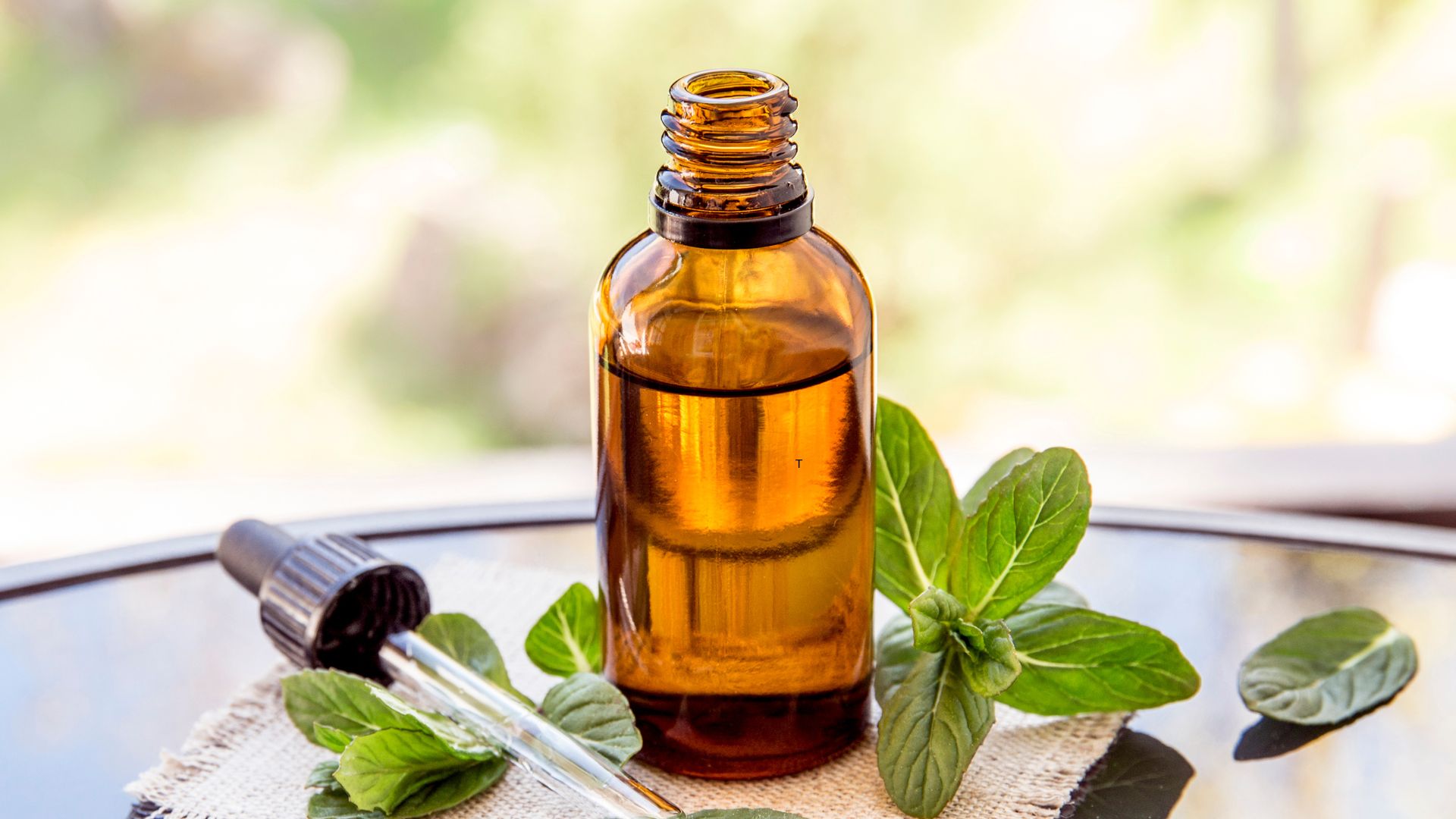
For tension or sinus headaches, peppermint essential oil can be remarkably effective. Dilute a few drops in a carrier oil and apply to your temples, forehead, and the back of your neck. The menthol improves blood flow and provides a soothing cooling effect.
A cold compress on the forehead or the back of the neck can also constrict blood vessels and reduce inflammation, helping to relieve pain quickly.
Hydration matters too: Dehydration is a common trigger for headaches. Drink a glass of water first.
Congestion: Steam Inhalation with Eucalyptus

If you’re feeling stuffy or have sinus pressure, do a steam inhalation. Boil water, pour into a bowl, add a few drops of eucalyptus oil, and inhale the steam with a towel over your head. This loosens mucus, opens nasal passages, and helps clear your sinuses.
You can also add fresh ginger slices or thyme to the hot water for additional antimicrobial effects.
Caution: Keep your face a safe distance from the steam to avoid burns.
Dry Skin: Oatmeal Baths and Coconut Oil

Winter weather or over-showering can strip the skin of natural oils. A soothing colloidal oatmeal bath (grind rolled oats into a fine powder and add to bathwater) reduces itching and inflammation.
After drying off, apply organic coconut oil or shea butter to lock in moisture. These oils are rich in fatty acids and antioxidants that nourish and repair the skin barrier.
Optional DIY blend: Mix coconut oil with a drop of lavender or tea tree oil for additional calming and antibacterial benefits.
Mild Burns: Aloe Vera Gel

For first-degree burns (like touching a hot pan), aloe vera gel is a proven natural remedy. It cools the skin, reduces inflammation, and accelerates healing. Use fresh aloe if possible, or a store-bought version that’s free of alcohol or added fragrances.
Don’t use butter or oil on burns: tese can trap heat and worsen the injury.
Dandruff or Itchy Scalp: Apple Cider Vinegar Rinse

If your scalp feels dry or flaky, apple cider vinegar’s acidity can help restore your scalp’s pH balance and reduce yeast growth (a common dandruff cause). Mix equal parts ACV and water, apply to your scalp, let it sit for 5–10 minutes, and rinse thoroughly.
Do this 2–3 times a week for noticeable improvement.
Alternative: Tea tree oil mixed into your shampoo has strong antifungal properties.
Safe Use Tips for Home Remedies
While home remedies can be effective, safety comes first. Follow these general tips:
- Always do a patch test for topical remedies to check for allergic reactions.
- Don’t mix too many remedies at once, especially herbal supplements, which can interact with medications.
- Check with a healthcare provider if symptoms persist, worsen, or if you’re pregnant or immunocompromised.
- Label and store essential oils properly, and never ingest them unless approved by a medical professional.
Conclusion
When everyday problems pop up, your solution may already be in your pantry or medicine cabinet. From sore throats to insomnia, these time-tested home remedies are simple, safe, and effective tools you can use tonight.
While not a cure-all, they’re a great first line of defense and may save you a trip to the drugstore.