
Rhubarb is often mistaken for a fruit, but it’s actually a vegetable with a sharp, sour flavor that becomes vibrant when cooked. Its bright red stalks appear in spring and early summer, offering a tart contrast that pairs well with both desserts and hearty dishes. Many people limit rhubarb to pies, yet it can add a bold punch to sauces, salads, meats, and drinks.
This article guides you through cooking with rhubarb, covering both sweet and savory recipes. You’ll learn how to prepare it properly, balance its tartness, and use it in a variety of dishes that go beyond the usual cobbler or crisp.
Choosing and Preparing Rhubarb
Fresh rhubarb should have firm, glossy stalks in shades of red or pink, sometimes with subtle green highlights. Avoid stalks that feel rubbery or limp, as they will lack the structure needed for cooking. The leaves should always be discarded because they contain natural toxins that aren’t safe to eat.
Before cooking, rinse the stalks under cool water and trim both ends. If the outer layer feels tough, peel it with a paring knife. Cut rhubarb into even pieces depending on your recipe: smaller slices break down faster for sauces while larger chunks hold up better in baking.
Sweet Rhubarb Recipes to Try
Rhubarb shines in desserts, where its sour notes are softened by sugar and fruit. You can stew it down into sauces, bake it into cakes, or blend it into compotes that pair well with ice cream or yogurt.
Rhubarb Crisp

A crisp is one of the fastest ways to enjoy rhubarb with minimal effort. Combine chopped rhubarb with sugar, orange zest, and a touch of cinnamon. Top it with a mixture of oats, flour, butter, and brown sugar, then bake until bubbly and golden.
Rhubarb Compote
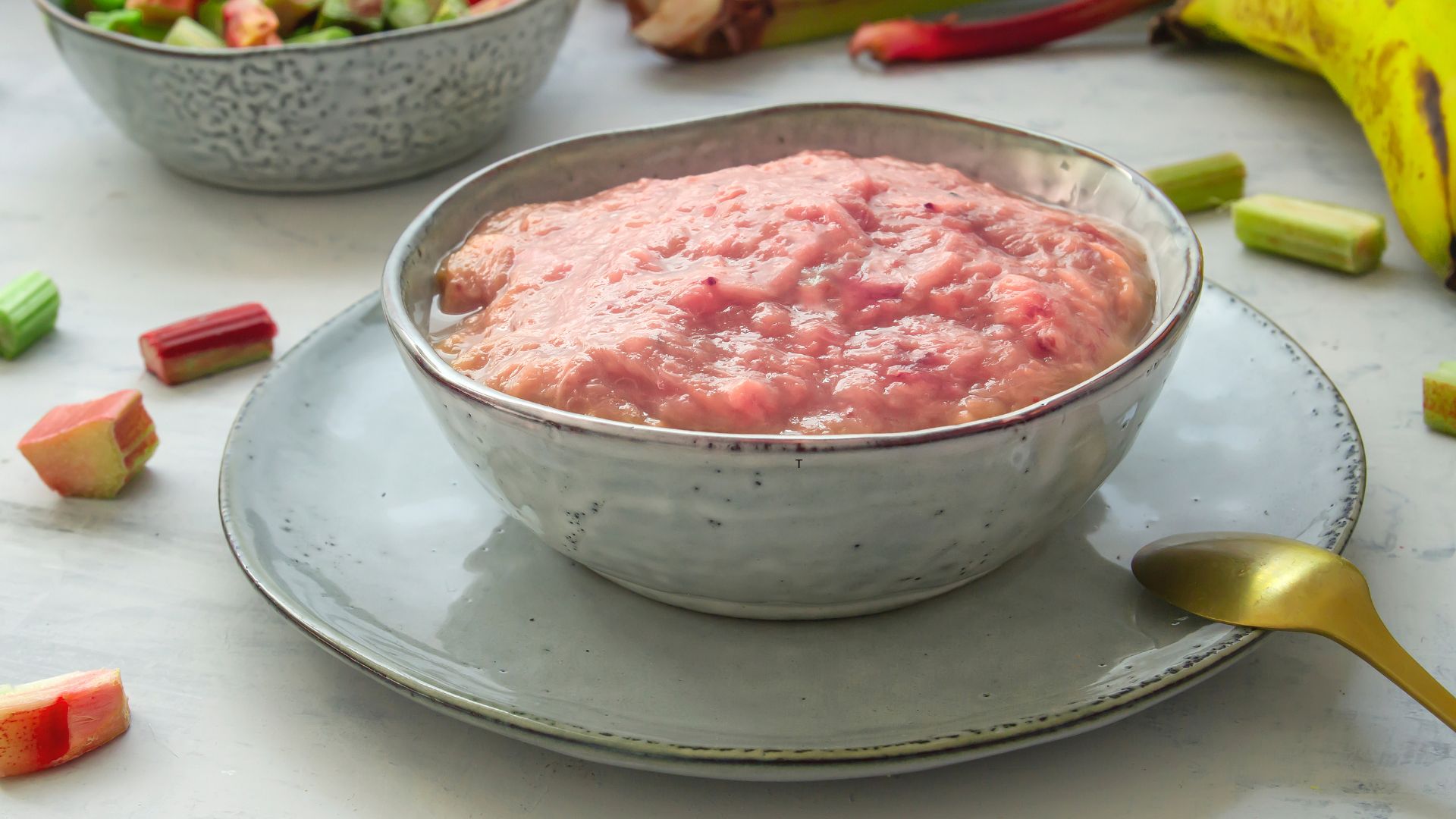
Simmer rhubarb with a bit of honey and a splash of vanilla until it softens into a jammy consistency. This compote works well over pancakes, stirred into oatmeal, or as a filling for crepes.
Strawberry-Rhubarb Jam
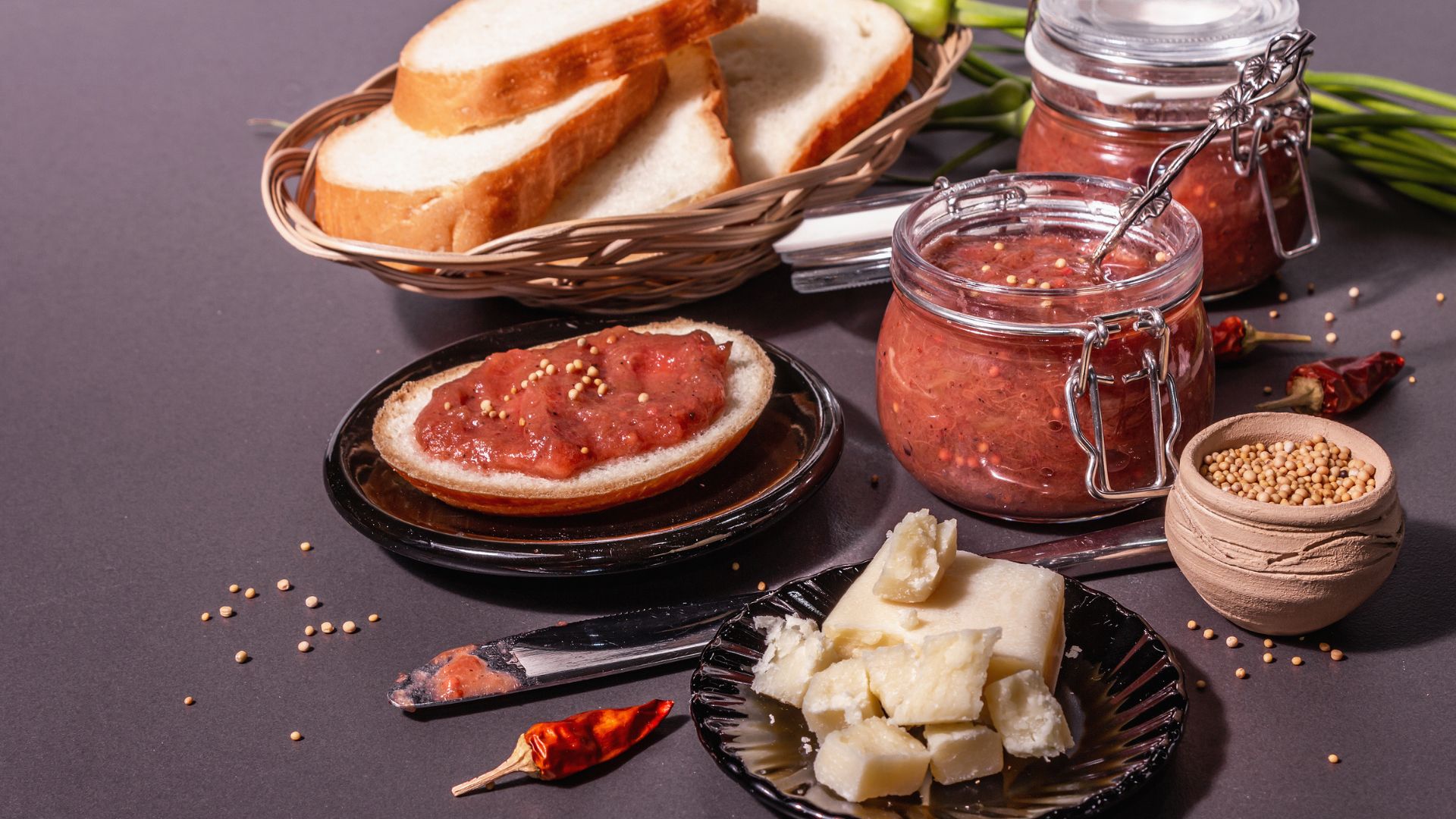
Rhubarb pairs naturally with strawberries, which help round out its sharp edges. Use equal parts of both fruits with lemon juice and pectin to make a bright jam that stores well in the fridge or freezer. It also works as a glaze for shortbread or spread on warm toast.
Using Rhubarb in Savory Dishes
Rhubarb’s acidity makes it a powerful ingredient in sauces and meat glazes. When used with restraint, it cuts through rich flavors and adds depth without overwhelming the dish.
Rhubarb Barbecue Sauce
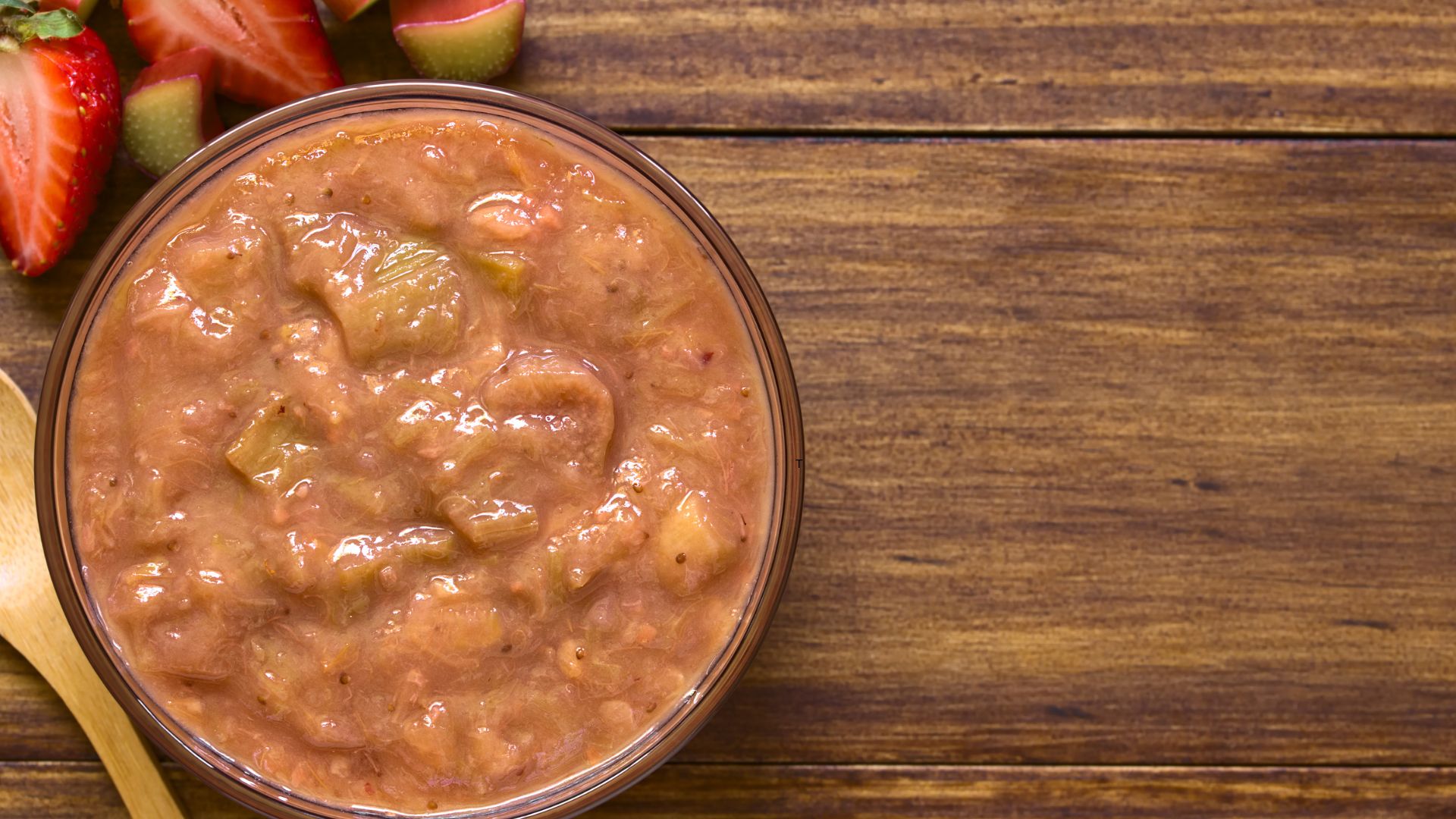
Cook chopped rhubarb with garlic, onion, apple cider vinegar, brown sugar, and smoked paprika until thick. Blend until smooth and use it to brush over grilled chicken or ribs. The sauce has a tangy kick that stands out without overpowering the meat.
Roasted Rhubarb with Pork

Toss rhubarb pieces in olive oil, thyme, and salt, then roast them alongside pork chops or tenderloin. The juices mingle with the pan drippings to create a natural sauce that balances sweetness and acidity.
Rhubarb and Lentil Salad
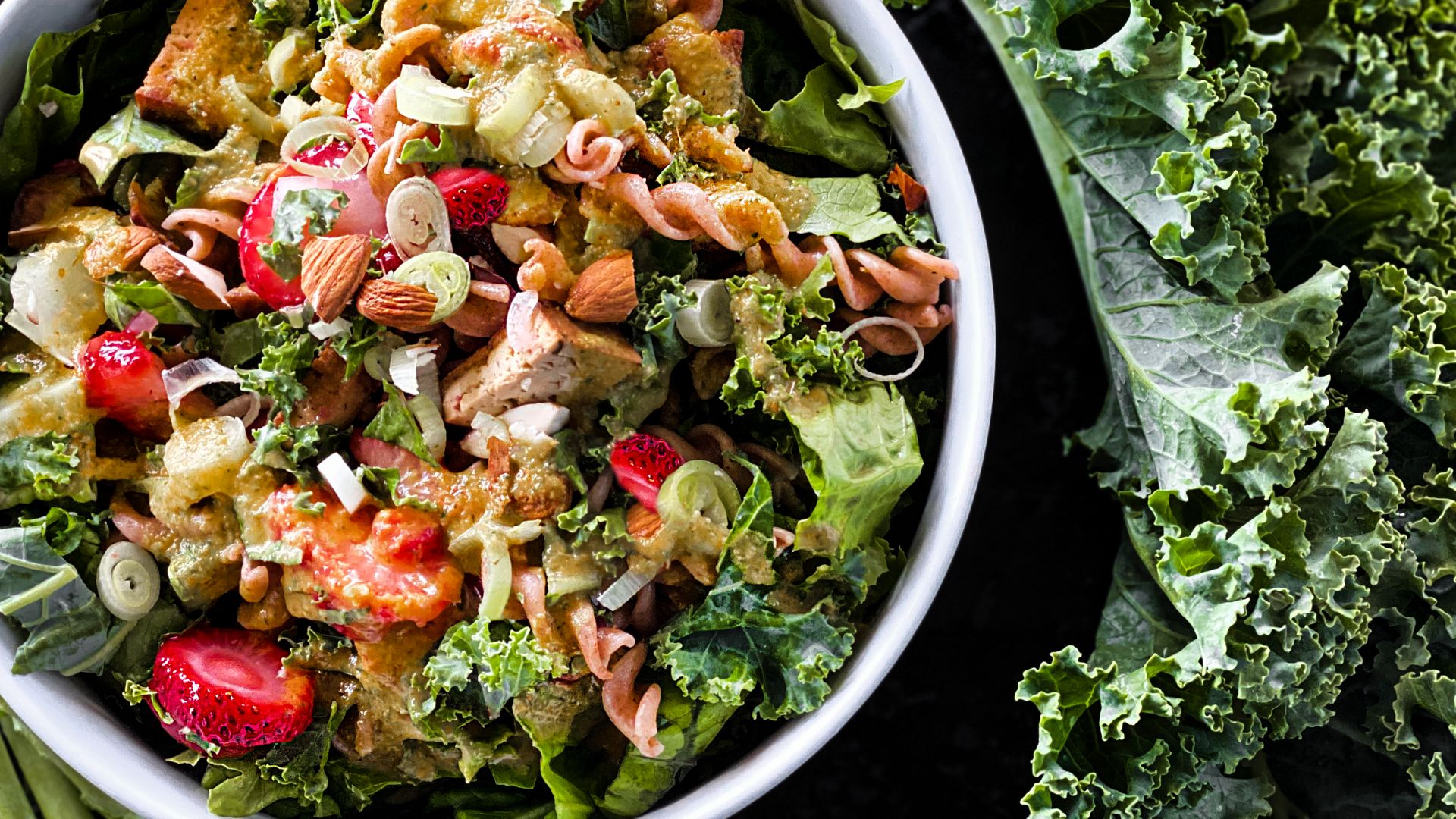
Roast rhubarb with a bit of honey and mix it into a warm lentil salad with arugula, walnuts, and goat cheese. The contrast between the bitter greens, earthy lentils, and tart rhubarb adds layers of flavor in a light but filling dish.
Tips for Cooking with Rhubarb
When cooked, rhubarb softens quickly and can lose its shape if overdone. Timing matters, especially in savory recipes where you want it to hold a bit of texture. Sugar isn’t the only way to balance its tartness; you can also use sweet fruits, roasted vegetables, or rich proteins to round out the flavor.
If you’re freezing rhubarb for later, chop it and freeze it raw in airtight bags. It holds up well for sauces and stews, though you may want to drain off some of the liquid after thawing. Don’t worry about peeling every stalk, but always taste your dish as you cook. Some rhubarb varieties are milder than others, and that will affect how much sweetener or seasoning you need.
Conclusion
Rhubarb offers far more than a filling for pie. Its sharp taste and soft texture make it a versatile ingredient that seamlessly bridges sweet and savory recipes. Once you understand how to control its flavor and pair it wisely, it becomes a useful addition to both spring desserts and main courses.
Whether you’re spooning it over cake or simmering it into a glaze for meat, rhubarb deserves a spot in your kitchen. The key is knowing how to balance its boldness so that every bite stands out without taking over the plate.