
The cold and flu season can take a toll on your health, especially if your immune system is not prepared. The immune system is your body’s defense against viruses and bacteria. Keeping it strong helps reduce the risk of illness and supports faster recovery if you do get sick.
A healthy lifestyle, a balanced diet, and simple habits can give your body the tools it needs to fight infections. This article explains practical ways to support immune health during cold and flu season.
Eat a Balanced, Nutrient-Rich Diet

Your immune system relies on nutrients to function correctly. A balanced diet with fruits, vegetables, lean proteins, and whole grains provides vitamins and minerals that strengthen defense cellsEssentialnt nutrients for immunity include:
- Vitamin C from citrus fruits, berries, and peppers
- Vitamin A from carrots, sweet potatoes, and leafy greens
- Zinc from beans, nuts, and seeds
- Protein from eggs, chicken, and legumes
Limiting processed foods and added sugars is also essential. These can weaken the immune response and increase inflammation.
Stay Hydrated

Proper hydration supports circulation and helps your body transport nutrients to cells. It also keeps mucous membranes moist, which makes it harder for viruses to enter the body.
Aim to drink water throughout the day, not just when you feel thirsty. Herbal teas and broths are also good options during colder months. Limiting sugary drinks and excess caffeine helps keep hydration levels stable.
Prioritize Quality Sleep

Sleep is essential for immune health. During rest, your body produces cytokines, proteins that help fight infection and reduce inflammation. Without enough sleep, the immune system becomes less effective.
Adults should aim for 7 to 9 hours each night. Going to bed and waking up at consistent times helps regulate your sleep cycle. Creating a relaxing pre-bed routine without screens or heavy meals supports deeper rest.
Manage Stress Levels
Chronic stress weakens the immune system by increasing cortisol, a hormone that suppresses immune function. Finding ways to reduce stress can improve your body’s ability to defend against illness.
Helpful practices include:
- Daily deep breathing or meditation
- Physical activity such as walking or yoga
- Spending time outdoors
- Talking with supportive friends or family
Small stress-management habits practiced daily are more effective than occasional efforts.
Stay Physically Active

Regular movement improves circulation, allowing immune cells to travel more efficiently through the body. It also lowers stress, supports heart health, and improves sleep.
Moderate activity, such as brisk walking, cycling, or bodyweight exercise, is enough to strengthen immune function. Aim for at least 30 minutes on most days of the week. Avoid overtraining, as intense workouts without recovery can temporarily lower immunity.
Wash Hands and Maintain Good Hygiene

Germs spread easily during cold and flu season. Simple hygiene habits reduce the chances of infection and protect both you and those around you.
Key habits include:
- Washing hands with soap and water for at least 20 seconds
- Using hand sanitizer when soap is not available
- Avoidding touching your face with unwashed hands
- Covering coughs and sneezes with a tissue or elbow
Regular cleaning of high-touch surfaces such as phones, keyboards, and doorknobs also lowers the spread of viruses.
Include Immune-Supporting Herbs and Spices
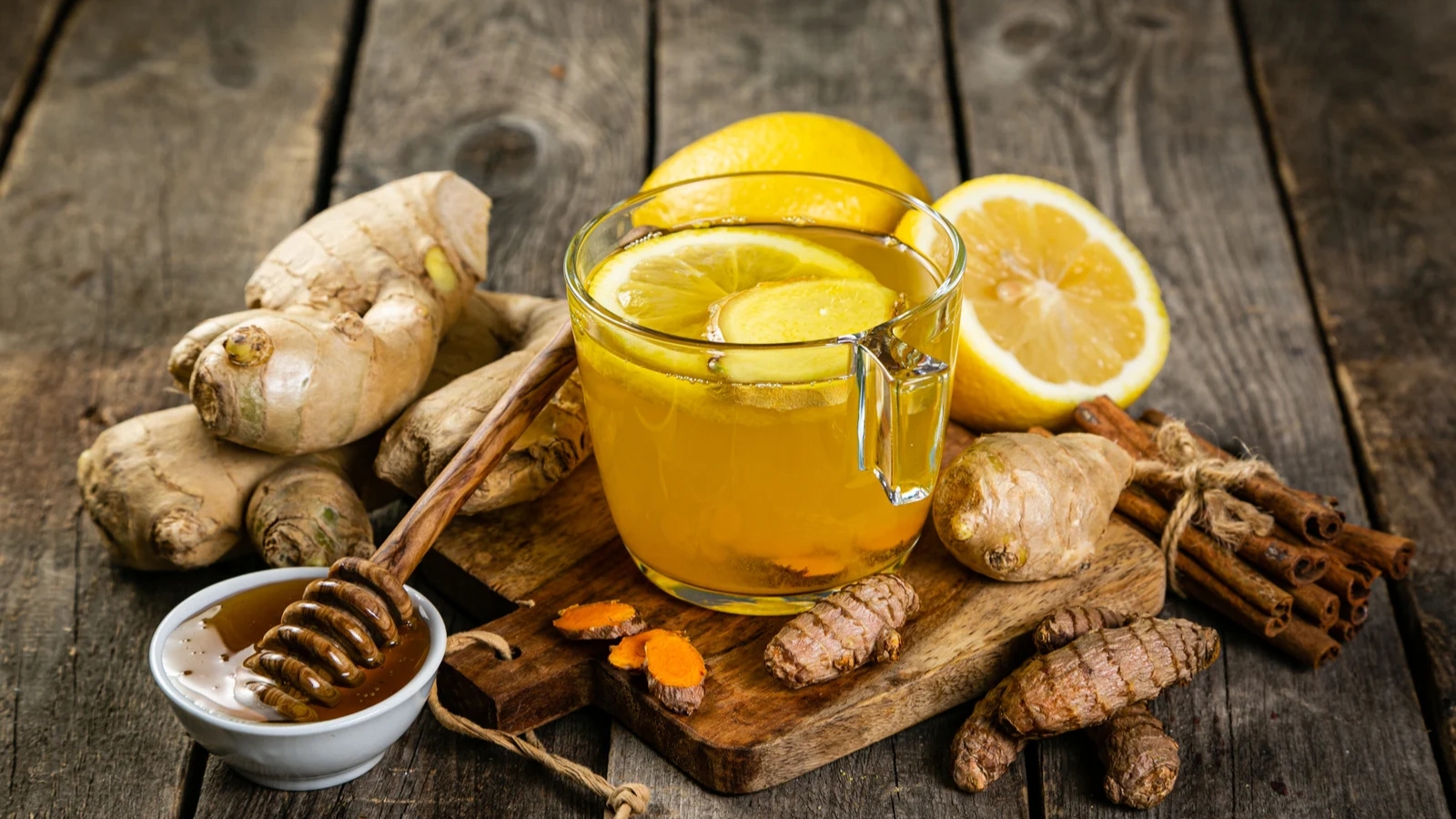
Certain herbs and spices contain compounds that support immune function. While they are not cures, they can provide an extra layer of defense when included in a balanced diet.
Examples include:
- Garlic, which contains allicin that suppthe orts the immune response
- Ginger, which reduces inflammation
- Turmeric, with curcumin, may strengthen defense cells
- Green tea, rich in antioxidants
Adding these to meals, teas, or soups is a simple way to increase your intake.
Consider Probiotics and Gut Health
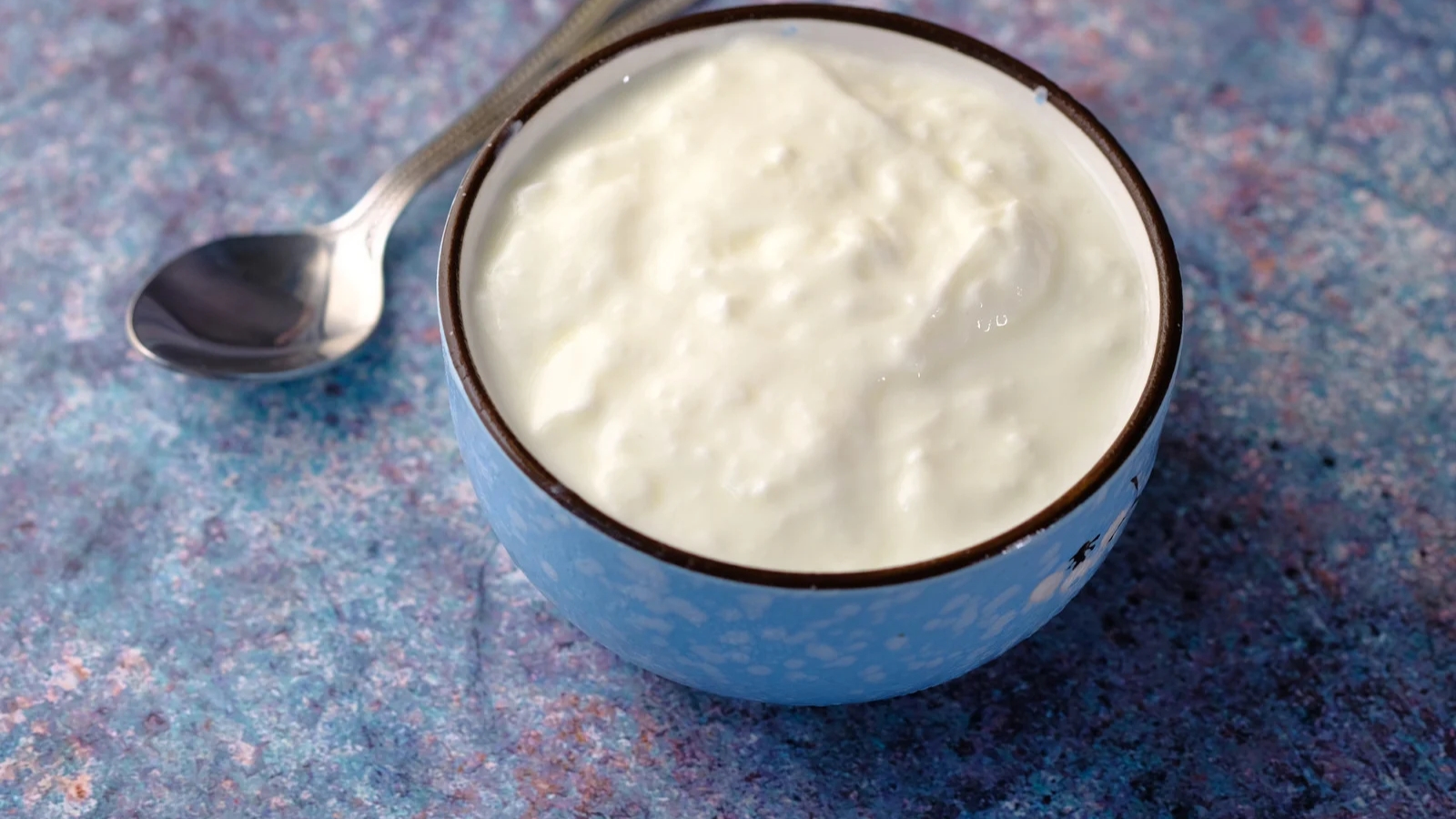
A large portion of the immune system is located in the gut. Healthy gut bacteria play a role in regulating immune response and reducing inflammation.
Probiotics, found in foods like yogurt, kefir, sauerkraut, and kimchi, support a balanced gut environment. Pairing probiotics with fiber-rich foods such as beans, oats, and vegetables helps feed beneficial bacteria.
Including a mix of probiotic and prebiotic foods in your diet can improve both digestion and immune defense.
Limit Alcohol and Quit Smoking
Alcohol weakens immune function by interfering with white blood cells. Smoking damages lung tissue and reduces the body’s ability to fight respiratory infections.
Limiting or avoiding these habits improves immune health and reduces the risk of complications from cold and flu. Replacing alcohol with herbal teas or water and seeking support to quit smoking are practical steps.
Stay Up to Date With Vaccinations
Vaccinations help your immune system recognize and respond to viruses more effectively. Getting the seasonal flu shot and other recommended vaccines reduces the chances of severe illness.
Talk to your healthcare provider about which vaccinations are appropriate for your age and health status. Combining vaccination with healthy lifestyle choices provides stronger protection during cold and flu season.
Conclusion
Supporting your immune health during cold and flu season is not about one single habit but a combination of consistent practices. A nutrient-rich diet, hydration, quality sleep, and regular movement create a strong foundation. Managing stress, maintaining hygiene, and including immune-supportive foods further strengthen defenses.
These habits not only lower your risk of getting sick but also help your body recover faster if you do catch a cold or flu. By making small, steady changes, you can protect your health throughout the season and feel more energized every day.