
Your home should be your sanctuary, a haven to unwind and relax. However, potential hazards are lurking beneath the comfort and familiarity, some obvious and others not so much. From everyday objects to hidden dangers, this article explores surprising things that can turn your home sweet home into a dangerous place.
Carbon Monoxide
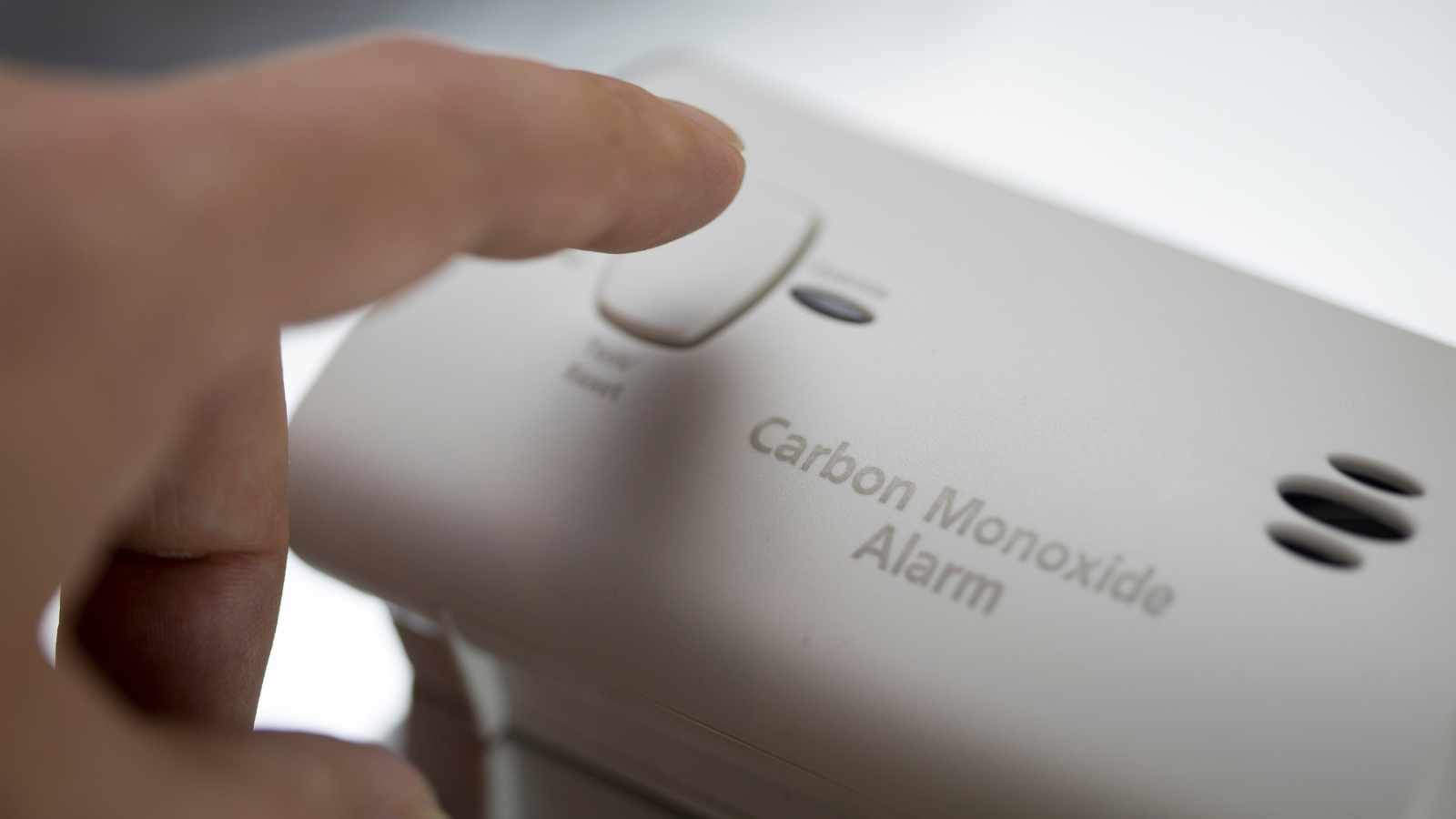
Carbon monoxide is a dangerous gas produced when burning wood, oil, and coal. It’s colorless and odorless, making it a “silent killer.” Without a carbon monoxide detector, it isn’t easy to detect. High levels of carbon monoxide exposure can lead to flu-like symptoms, confusion, and death.
Cleaning Products

Most cleaning products used in the household contain harmful chemicals that can be hazardous. Bleach, ammonia, and other common cleaning agents can irritate your skin and eyes, cause respiratory problems, and even be fatal if ingested. Always read the labels and use protective gear accordingly.
Stairs
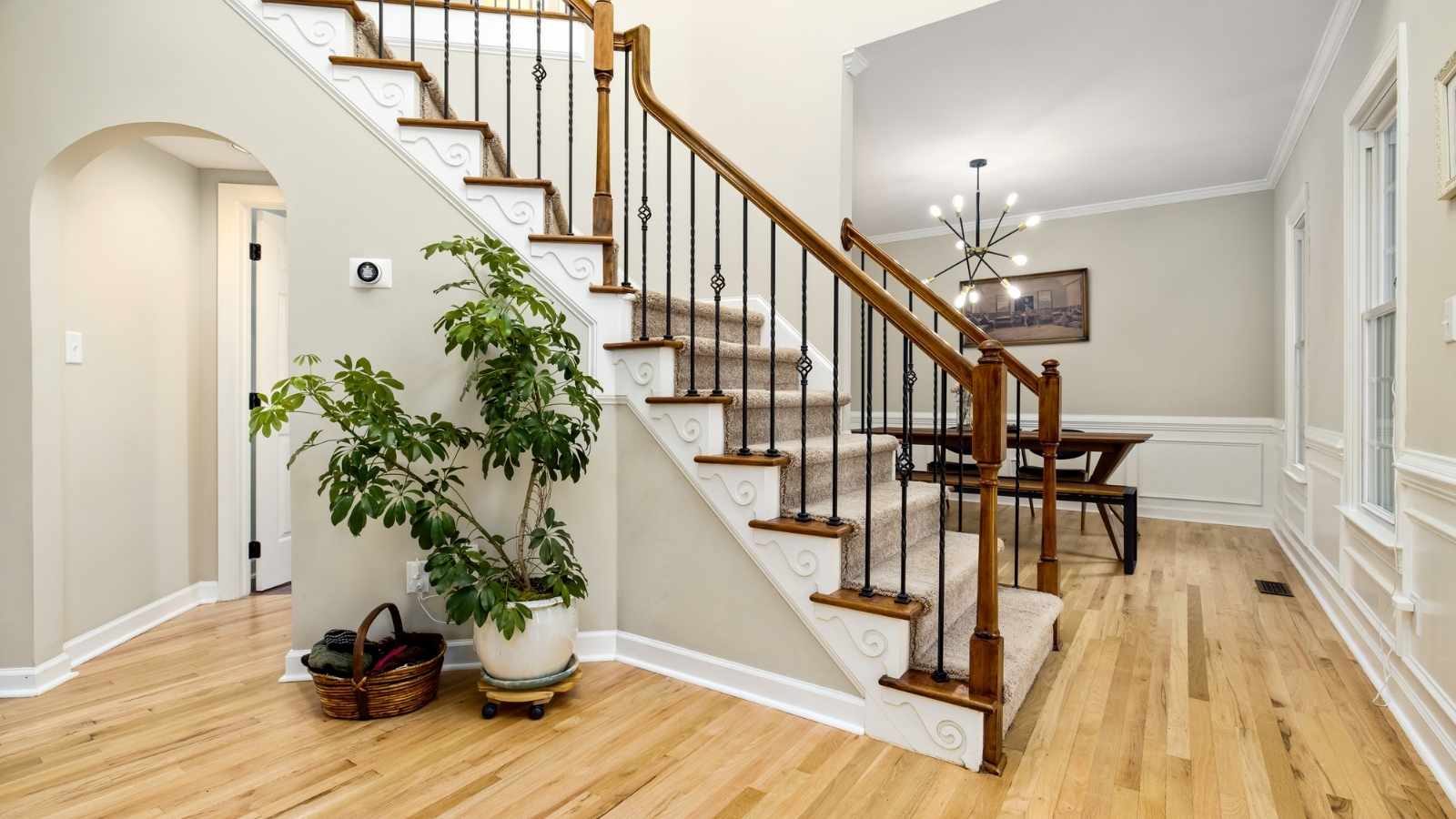
Slipping and falling down the stairs is a common accident that can result in serious injuries. Ensure to keep staircases clear of clutter and install handrails for extra support. If you have young children or elderly family members, consider adding non-slip treads to the stairs.
Candles

While candles create a cozy and comforting ambiance, they can be dangerous if left unattended. Accidental fires caused by lit candles are not uncommon, especially if placed near flammable materials or in drafts. Extinguish candles before leaving the house or retiring to bed.
Hot Appliances

Hot appliances can cause severe burns, from stovetops to hair straighteners, if not handled carefully. Always turn them off, unplug when not in use, and keep them away from children and pets. Remember to let them cool down before touching or storing them.
Houseplants

While houseplants can add a touch of nature to your home, many common plants are toxic if ingested. Keep them out of reach of children and pets, and research which plants are safe for your household. Some common poisonous plants include lilies, philodendrons, and Dieffenbachia.
Pools

Relaxing in the pool during the hot summer is fun but poses a significant drowning risk, especially for young children. Always supervise children around pools and have proper safety measures like fences and pool covers.
Furniture

Unstable or poorly made furniture can easily tip over and cause injuries, especially for young children climbing on them. Secure heavy furniture to walls, avoid placing objects on top of unstable pieces and teach children not to climb or hang onto furniture.
Coins
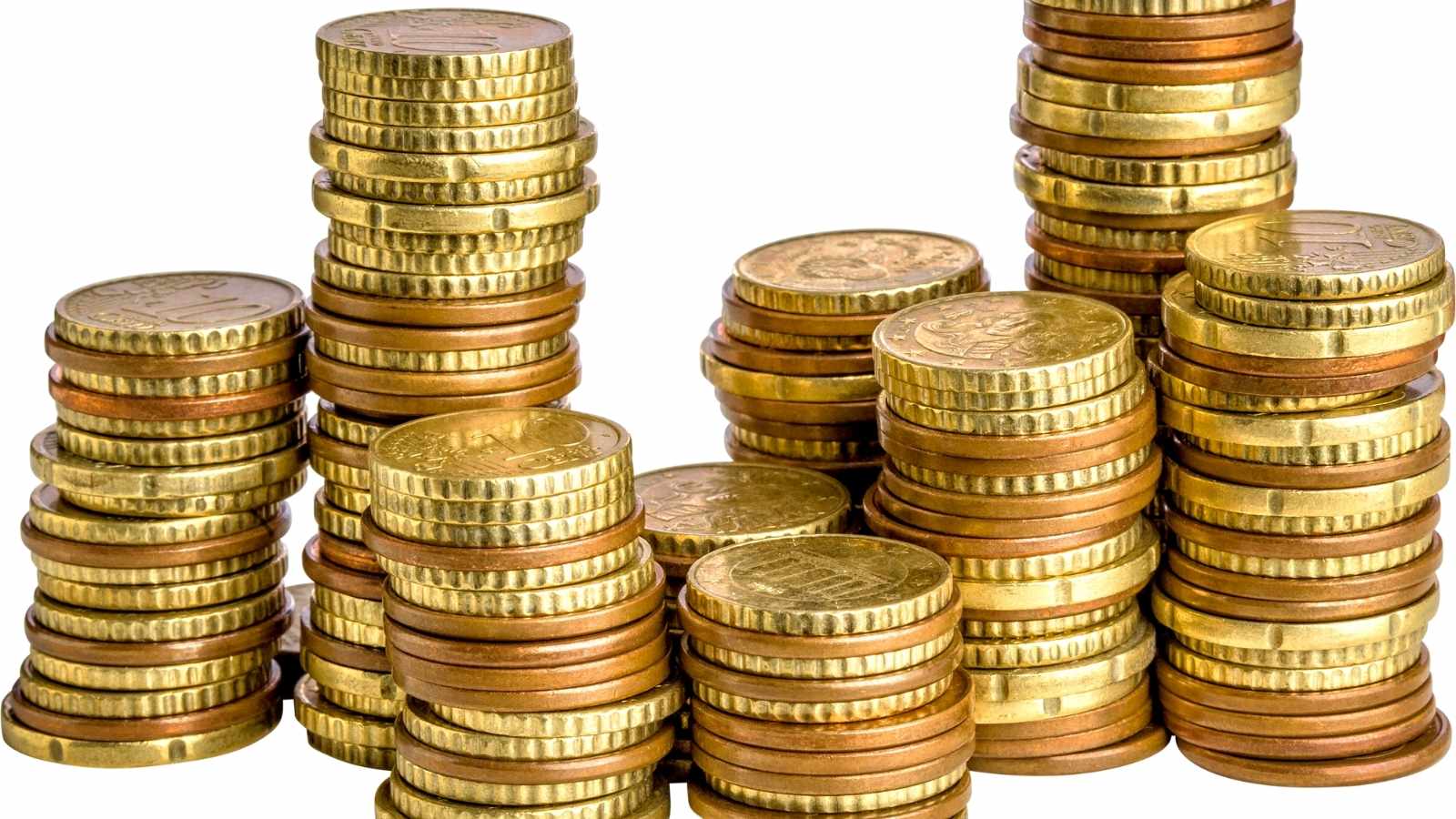
Small objects like coins can be a potential choking hazard, especially for young children who put things in their mouths. Keep small objects out of their reach and ensure utmost caution when handling loose change or any small items in their presence. We make the environment safe for our little ones by being vigilant and taking necessary precautions.
Refrigerator Coils
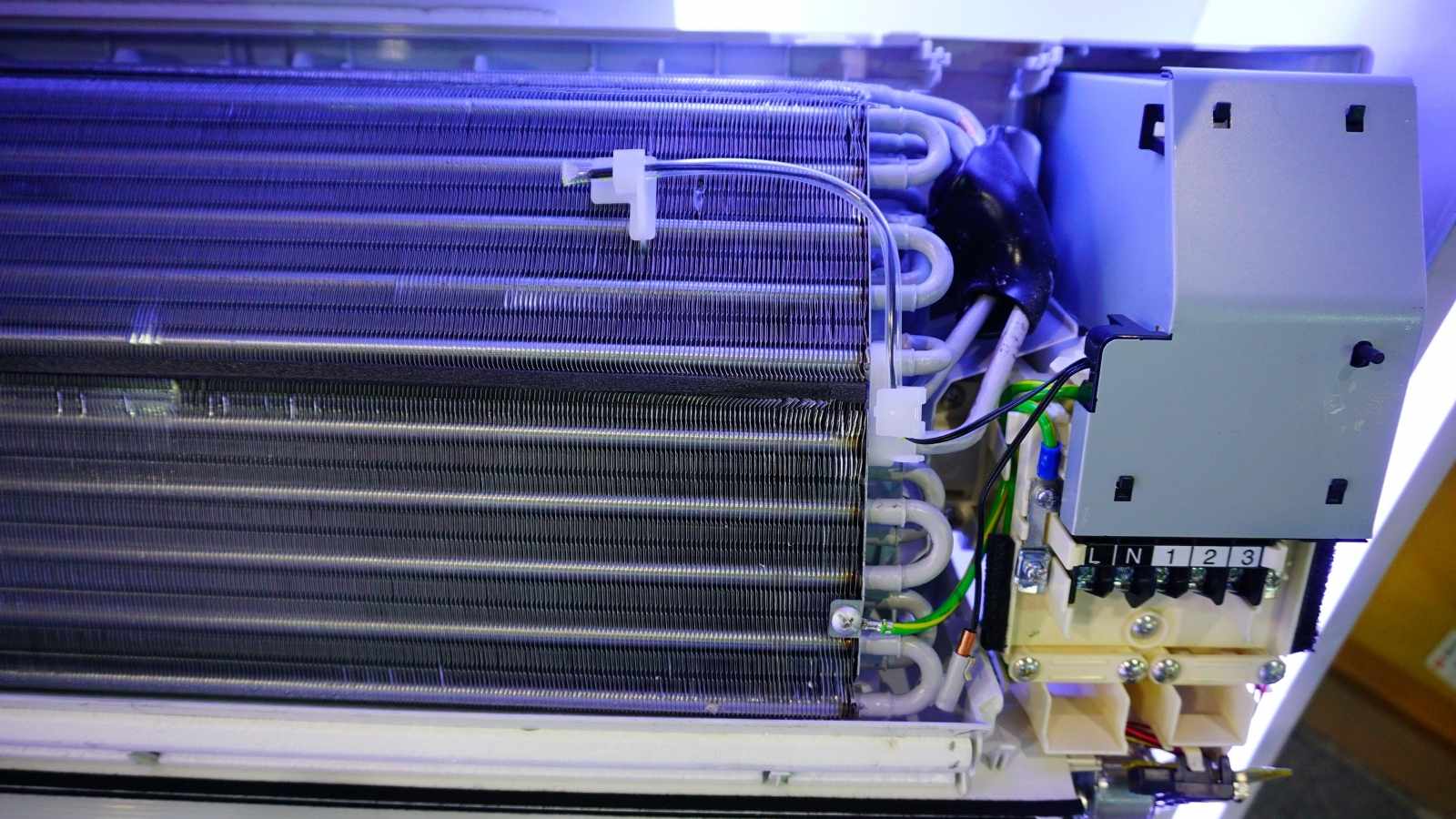
The coils at the back of your refrigerator release heat and need proper ventilation to prevent overheating. Dust buildup on the coils can cause them to work harder and overheat, increasing the fire risk. Regularly vacuum or brush off any dust from the coils to prevent potential hazards.
Batteries

Batteries contain toxic chemicals that are harmful if ingested or exposed to the skin. Keep batteries out of reach of children or pets and properly dispose of them when dead. Avoid mixing old and new batteries in devices and promptly replace any leaking or damaged batteries.
Windows
Windows may seem harmless but can be dangerous if not properly secured. Install window guards to prevent falls, especially in children’s rooms on higher floors. Be aware of the potential hazards of broken glass and take necessary precautions when handling it.
Dryer Lint
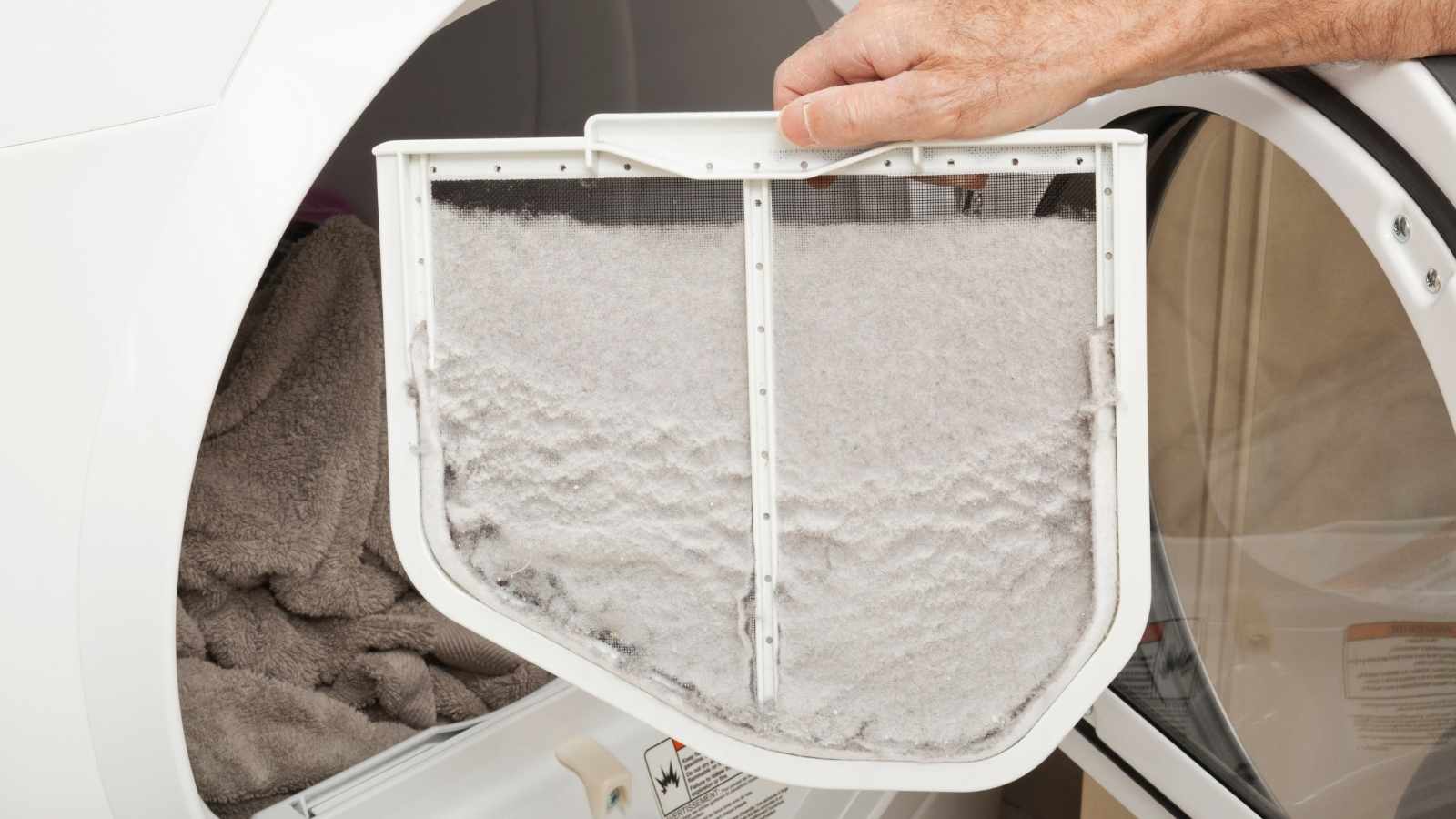
Dryer lint can be a serious fire hazard because it catches fire quickly. To prevent this, regularly clean the vent and filter, avoid overloading the dryer, and never leave it running unattended. These precautions help protect your home from fire incidents caused by dryer lint.
Electrical Outlets
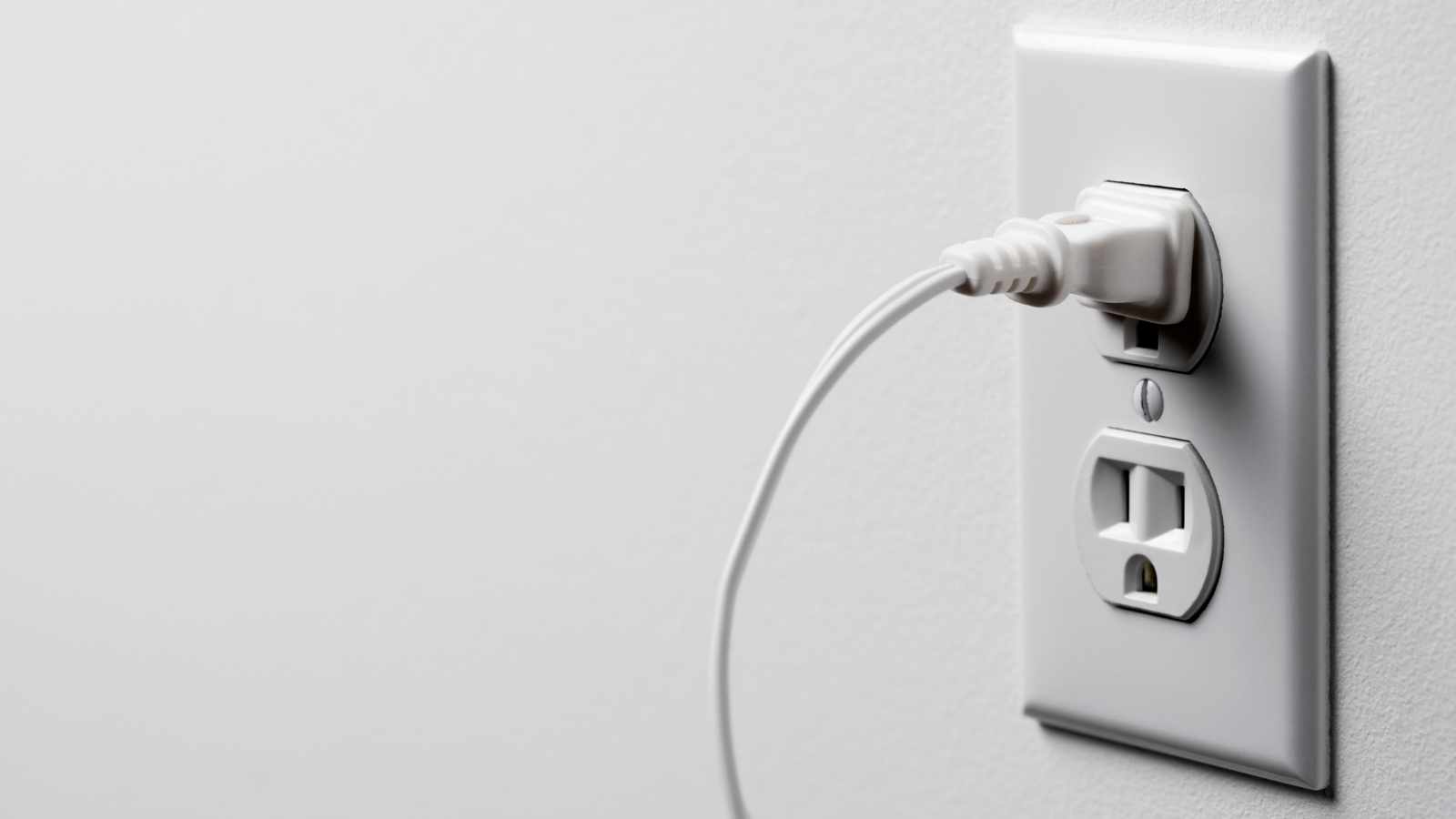
Electrical outlets are essential for powering our devices but can pose a threat if misused. Never overload outlets, use extension cords for temporary purposes only, and keep them out of reach of children and pets. Regularly check for any damage signs or frayed wires.
Plastic Bags

Plastic bags may seem harmless but can be a suffocation risk, especially for young children. Keep them out of reach and adequately dispose of them to prevent accidental ingestion. Use reusable bags or recycling plastic bags to reduce waste and potential hazards.
Recalled Products
Products recalled due to safety concerns can still be present in your home unknowingly. Regularly check for any recalls and promptly stop using the product if necessary. Properly dispose of recalled products and follow any instructions provided by the manufacturer.
Gas Leaks
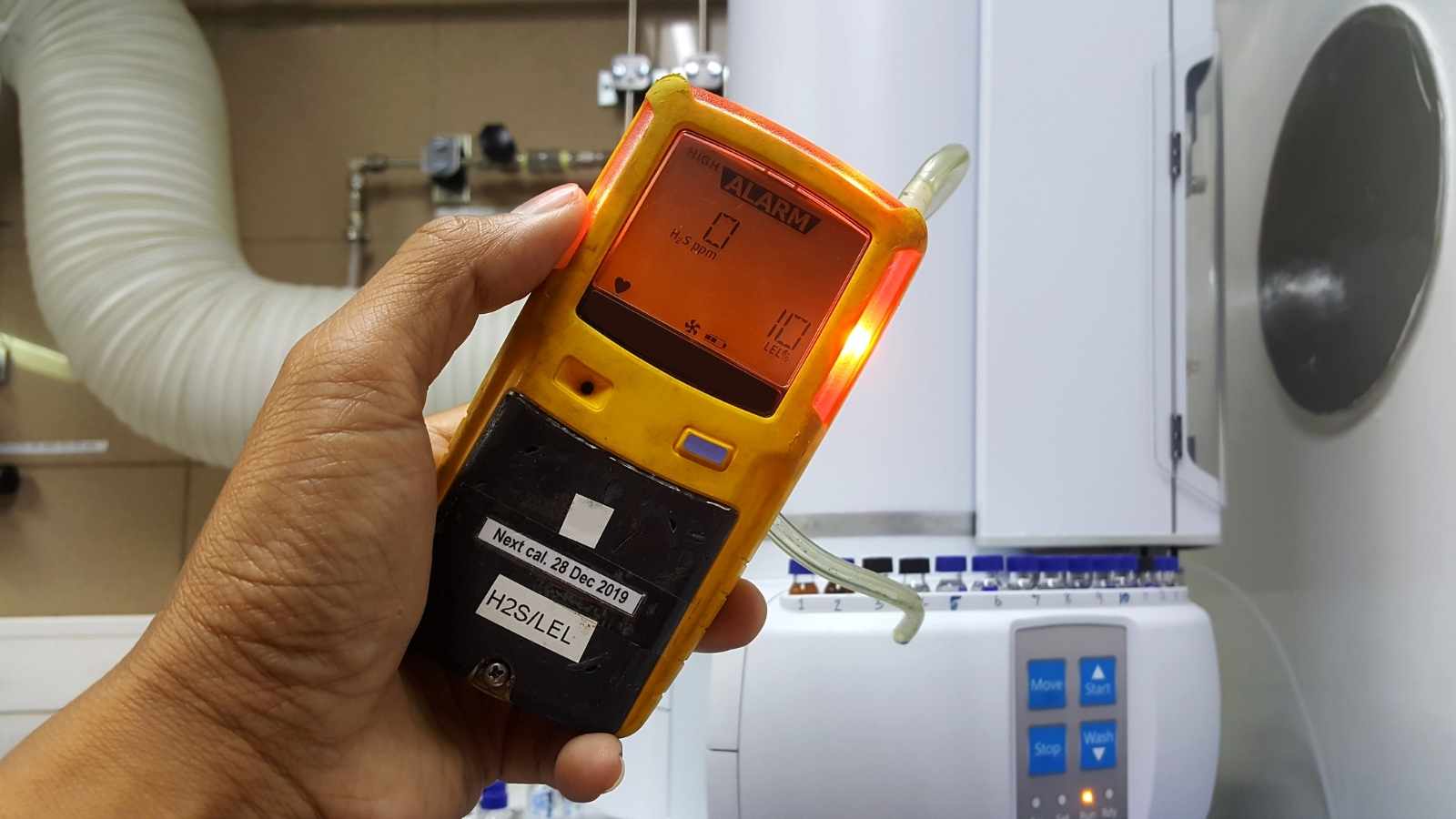
Gas leaks are a potentially deadly hazard that can go unnoticed without proper detection equipment. If you smell gas or suspect a leak, evacuate the area immediately and call for professional help. Regularly check gas appliances and have them inspected by a certified technician.
Insects
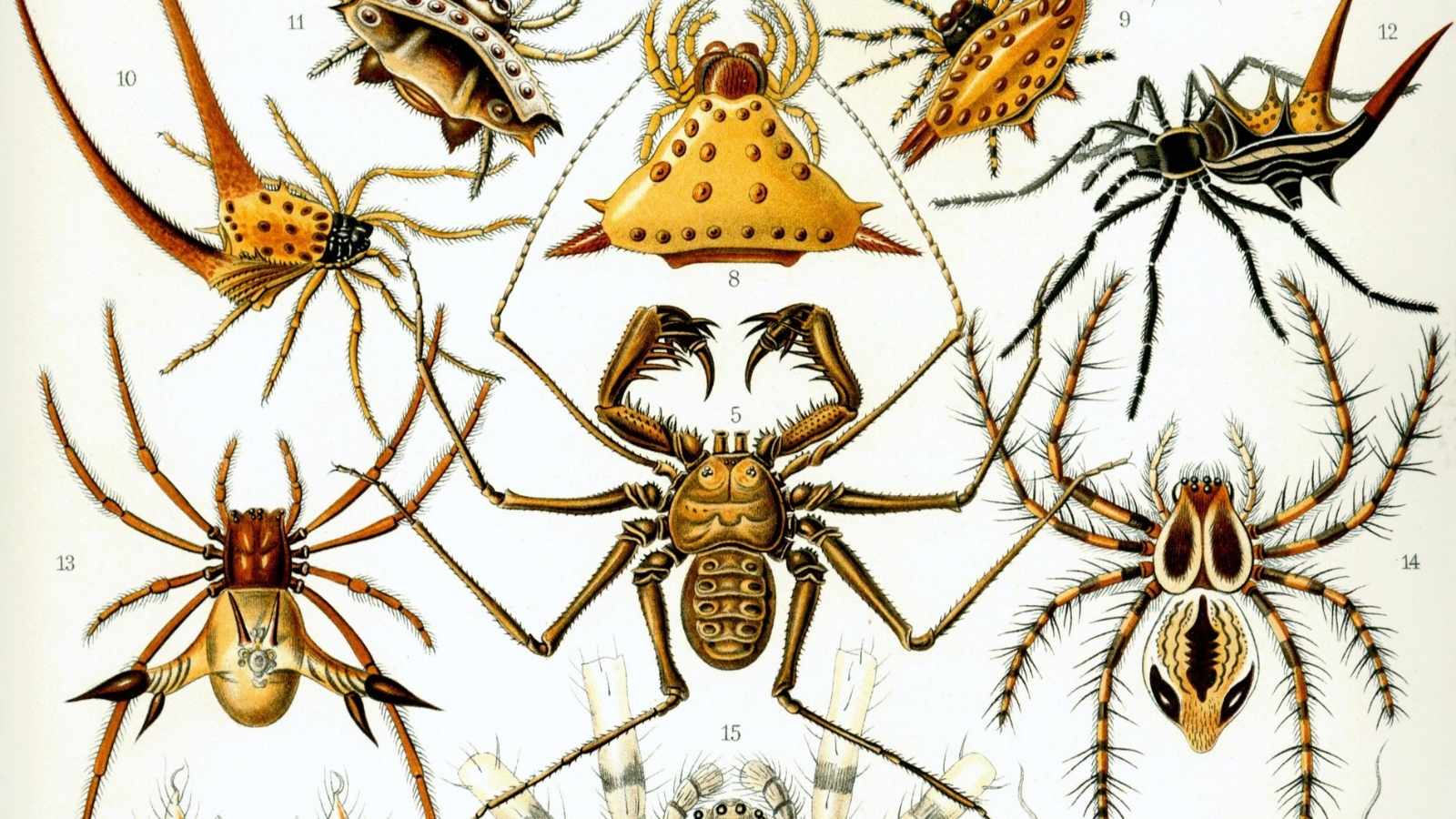
Insects like spiders, bees, and wasps may seem harmless, but they can cause severe reactions if you are allergic. If you encounter a swarm or nest of insects, leave the area immediately and seek professional help if necessary. Always check your home for any potential entry points and address them accordingly.
Pets

While pets can bring joy and companionship, they can harm you or themselves. Keep them away from hot appliances, dangerous chemicals, and hazardous objects. Regularly groom your pets to prevent hair buildup that can pose a choking risk for humans and animals.
Mold

Mold can multiply in damp and humid areas, causing respiratory problems and allergies. Regularly check for any signs of mold growth, especially in bathrooms or basements. Proper ventilation and cleaning can help prevent mold from growing in your home.
Asbestos

Asbestos is a hazardous material that can cause serious health problems if inhaled. If your home was built before the 1980s, it may contain asbestos in insulation or flooring. Seek professional help for removal and avoid disturbing any suspected asbestos-containing materials.
Old Paint Cans
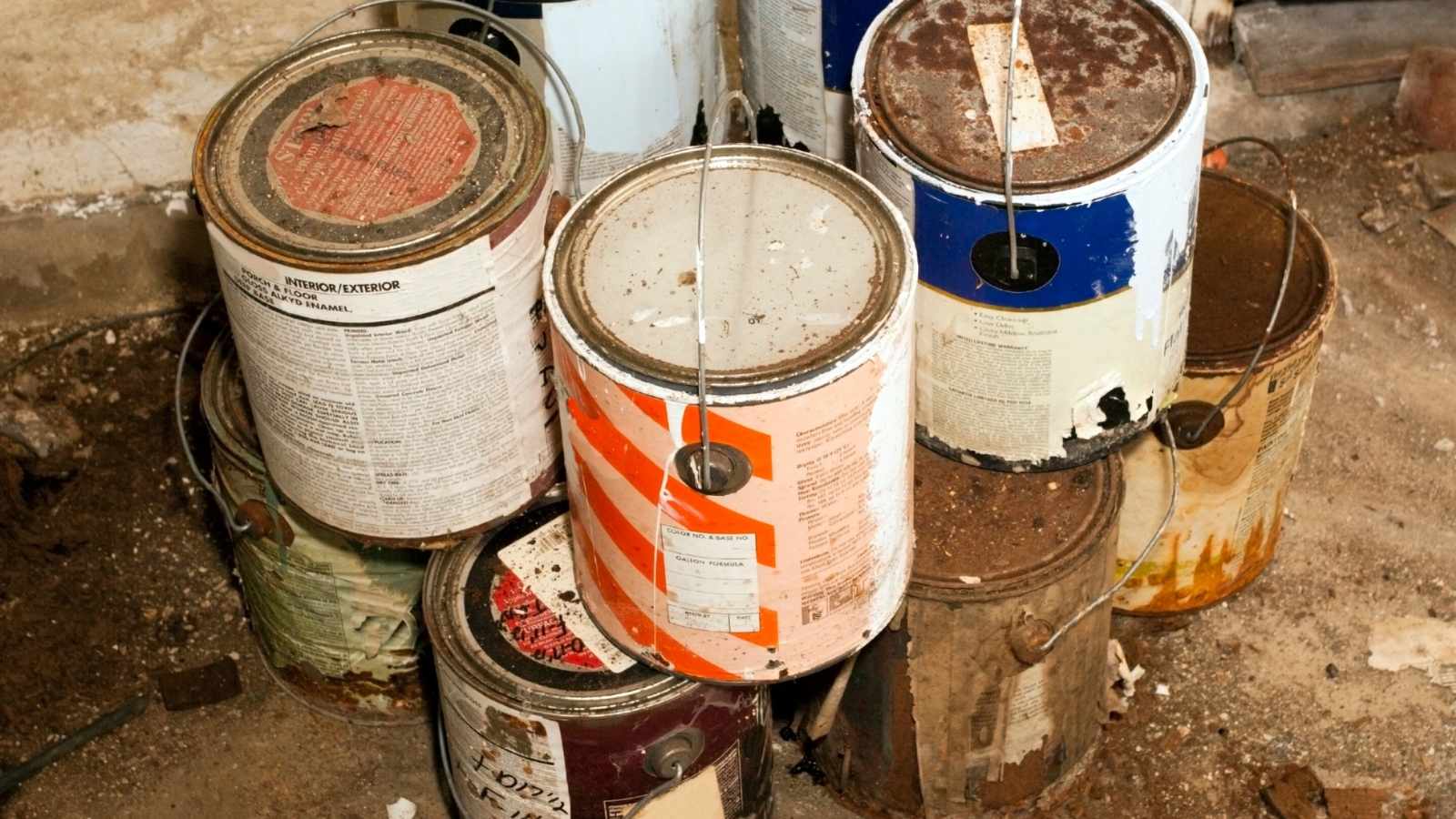
Old paint cans can contain harmful chemicals and should be disposed of properly. Keep them away from children and pets, and never pour the contents down the drain or throw them in regular trash. Contact your local authorities for proper disposal methods.
Chimneys
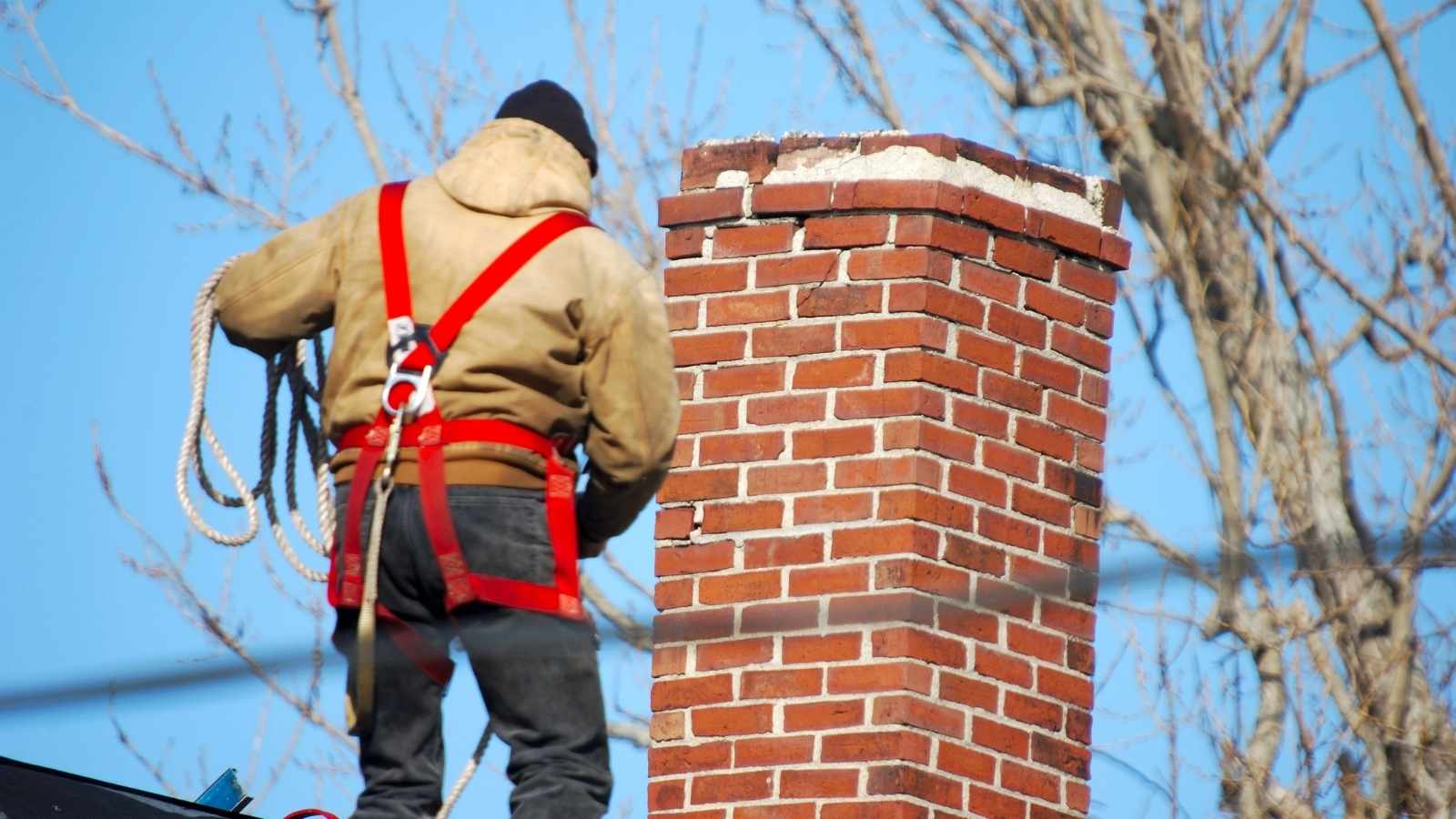
Chimneys and fireplaces can be cozy additions to your home but require regular maintenance to prevent hazards. Have your chimney inspected and cleaned annually, avoid burning anything other than wood, and never leave a fire unattended. Properly extinguish the fire before going to bed or leaving the house.
Radon Gas
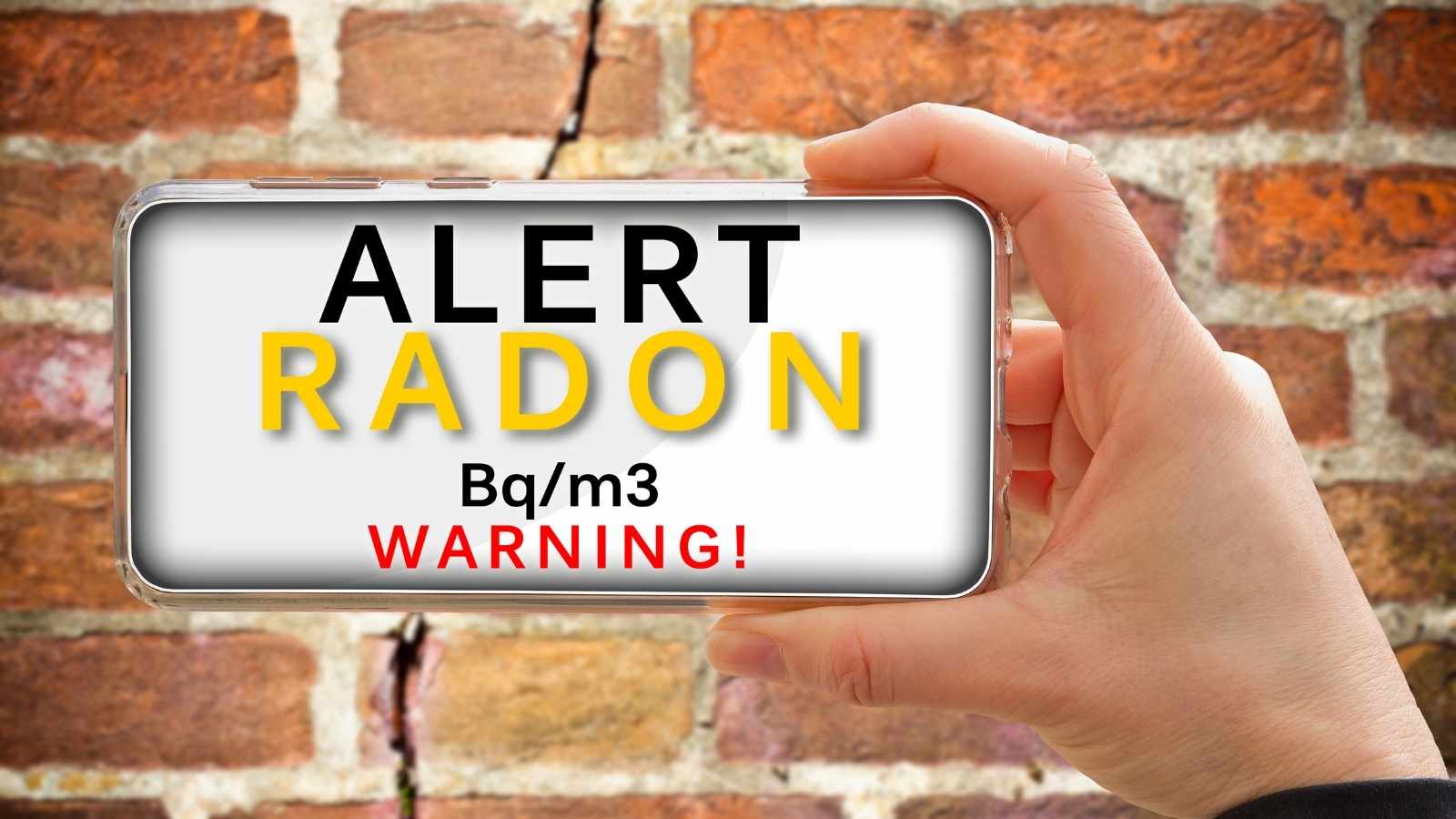
Radon is a radioactive gas that can be present in your home without any noticeable signs. Exposure to high radon levels can cause lung cancer, so regularly test for its presence and take necessary measures if you detect it. Proper ventilation and sealing foundation cracks can prevent radon from entering your home.
Allergens
Allergens like dust mites, pollen, and pet dander can cause severe reactions in individuals with allergies or respiratory problems. Regularly clean your home and use air filters to reduce allergen levels. Keep pets out of bedrooms and wash bedding regularly in hot water to keep allergens at bay.
More From Health Makes You

Hearing loss is a serious condition that can significantly impact one’s quality of life. Unfortunately, many people are unaware of the common bad habits which can lead to hearing loss. Here are 14 bad habits that could make you deaf if left unchecked.
14 Bad Habits That Could Make You Deaf
10 “Good” Habits That Are Actually Bad for You

Some healthy activities may seem like good ideas, but they are actually bad for your health. It sounds counterintuitive, but these habits can put your body at risk. Here are ten good habits that can have negative consequences if practiced too often or intensely.
10 “Good” Habits That Are Actually Bad for You
Want to Live a Long Life? DON’T DO These 20 Things

Do you want to live a long and healthy life? Then you should avoid doing certain things. Research shows that some habits, behaviors, and activities can harm your health. Here are the top 20 worst things you can do for your health.
Want to Live a Long Life? DON’T DO These 20 Things
The 30 Worst Foods to Eat After Age 30

Eating healthily is vital at all times, but after 30, consuming certain foods can harm more than help. By avoiding these food items when you reach your thirties, you can promote lasting health and happiness for years.
The 30 Worst Foods to Eat After Age 30
20 Bad Habits That Could Make You Blind

Staring at a screen (phone, laptop) has become a common habit that seems harmless, but over time it can cause severe damage to your eyes. That’s just one of the habits that can damage your eyesight. Here’s more:
20 Bad Habits That Could Make You Blind
This article was produced on Health Makes You.