
Doctors employ medical terminology to discuss diagnoses and treatments among themselves. These terminologies can convey amusing medical scenarios, describe the conditions of terminally ill patients, or refer to the irritating habits of loved ones. Doctors hide these terms from plain sight to avoid passing the wrong impression. Here’s a list of terms they use discreetly.
Medical Zebra
A medical zebra is an obscure and rare diagnosis that a medical practitioner may encounter. The term originated from the expression, “When you hear hoofbeats, think horses, not zebras,” implying that doctors should consider common disorders before considering other rare conditions.
Throckmorton Sign

Throckmorton sign, also known as the John Thomas sign, is a phenomenon where the male private organ points towards the side affected by unilateral disease, usually involving the hip. Although originally coined as a humorous term by medical students and residents, it holds clinical significance in identifying certain conditions.
The Daughter/Son From California Syndrome

The “daughter from California” is a family member who has been absent from the life and care of a patient. They are often shocked at the extent of the patient’s decline and may have unrealistic expectations regarding treatment options. Due to guilt over their absence, they want to reaffirm their role as an involved caregiver.
Funny-looking Kid
Physicians, nurses, and paramedics often refer to patients with distinct facial features as “funny-looking” kids. While unintended, this term is insensitive and reflects a lack of compassion. Choosing our words carefully and approaching patient descriptions with empathy and understanding is important.
Social Injury of the Rectum

When the rectum sustains injury due to foreign objects, medical professionals refer to it as a rectal injury of non-medical origin or a social injury of the rectum. This terminology respects the privacy of the patient and suggests that this incident resulted from recreational activities.
Slow Code
Slow code is a term used to describe an emergency medical situation where healthcare professionals are trying to save a patient’s life without rushing or panicking. Healthcare providers resort to slow code when they believe that resuscitation will not benefit the patient.
Super-utilizers
Super-utilizers, also known as frequent flyers, frequently appear at a hospital’s emergency department instead of seeing their doctor. These patients may seek care in the emergency room because they don’t have health insurance, they suffer from drug or alcohol withdrawal, or they are attention seekers.
July Phenomenum

July effect refers to a potential decline in the quality of patients’ care, leading to complications and higher mortality. One possible explanation for this phenomenon is the rise in trainee numbers. However, this theory is unfounded.
Normal For Norfolk

This slang term is often used in medical contexts to refer to patients encountering difficulties when accurately expressing their symptoms. Also, it is commonly employed to describe individuals who exhibit peculiar or unusual characteristics.
Cowboy
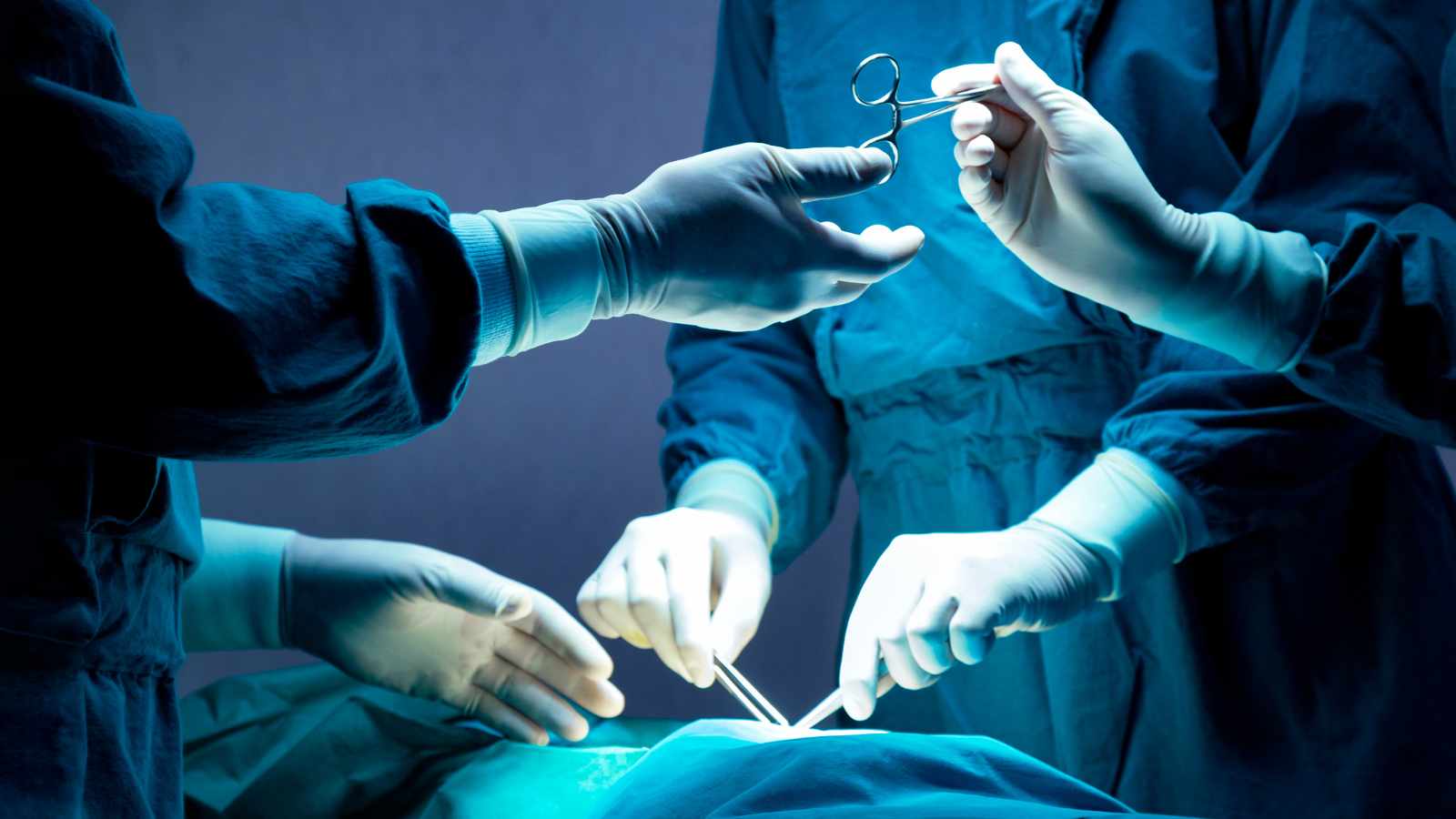
Doctors call others “cowboys” when they prioritize action over careful consideration. Similarly, doctors who challenge boundaries and guidelines, offer audacious and potentially unnecessary treatments, and work independently are also labeled cowboys.
Harpooning the Whale

Sometimes, doctors can be insensitive when talking about patients who are overweight or obese. They may use terms like “harpooning the whale” to explain the insertion of an epidural catheter in the spinal canal of an obese woman in the later stages of labor to provide pain relief.
Show Code
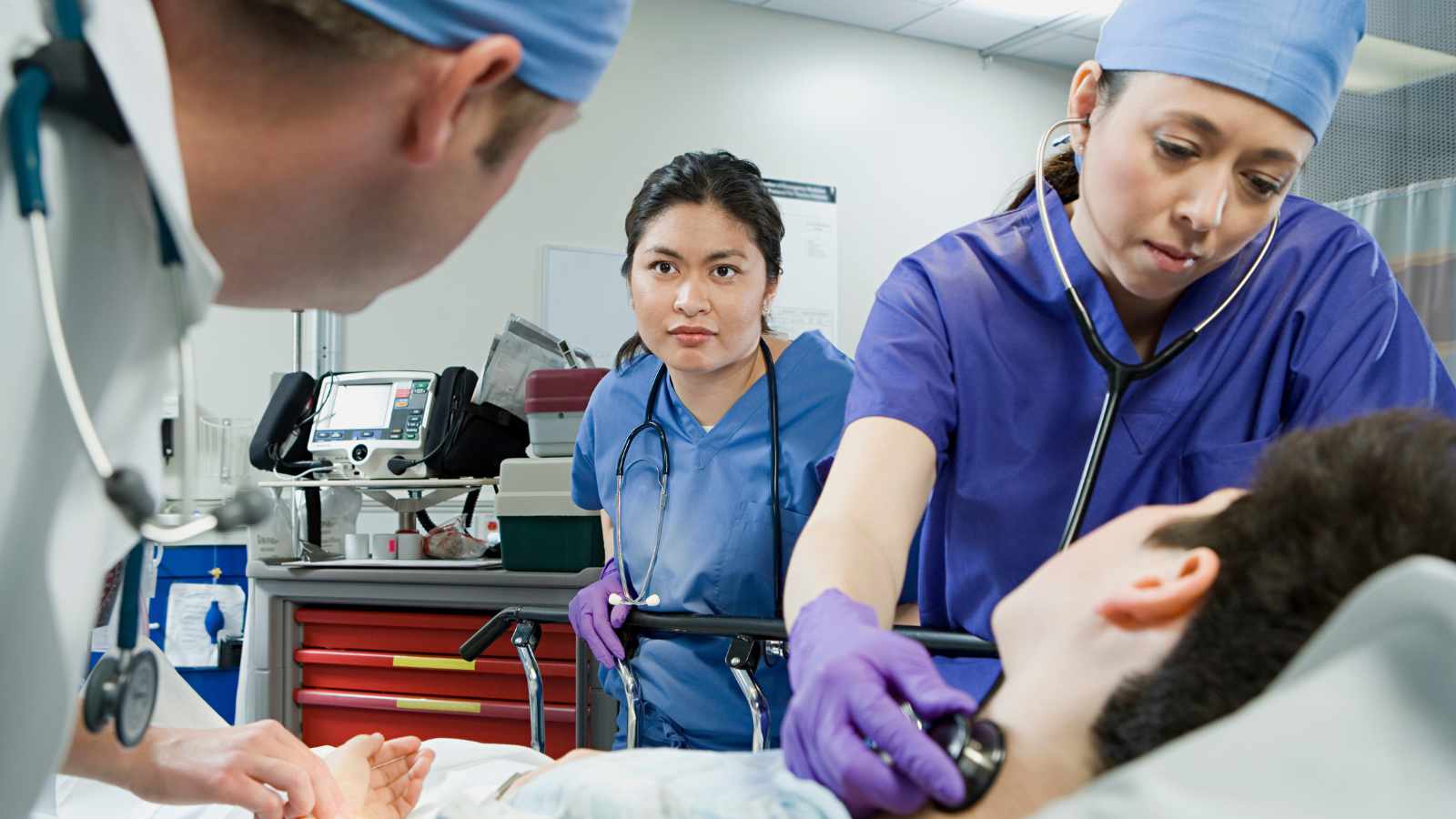
Show code is used in some hospitals by the resuscitation team to fake response to a patient in case of a cardiac arrest for the sake of their family. The practice is ethically controversial and banned in some jurisdictions.
Status Dramaticus

Status dramaticus is a fascinating purported medical condition in which a patient tends to excessively exaggerate and amplify their symptoms with the intention of garnering attention from others. This phenomenon is often characterized by individuals indulging in melodramatic behavior, occasionally throwing tantrums until their demands and desires are satisfied, further illustrating the extent to which they go to ensure they are in the limelight.
Whiney Primey

A “whiney primey” is a term used to describe a pregnant woman who frequently visits the hospital, mistakenly believing she is in labor. The term “primey” originates from “primipara,” which refers to a woman who is expecting her first pregnancy.
Dyscopia

Dyscopia is a whimsical term used by doctors to describe a patient’s struggle to adapt to their illness or specific aspects of their lives. It reflects the challenges they face in embracing their condition and finding balance within.
More From Health Makes You

Hearing loss is a serious condition that can significantly impact one’s quality of life. Unfortunately, many people are unaware of the common bad habits which can lead to hearing loss. Here are 14 bad habits that could make you deaf if left unchecked.
14 Bad Habits That Could Make You Deaf
Want to be Fit and Healthy? DON’T DO These 18 Things

Do you want to be fit and healthy? It’s time to say goodbye to habits holding you back from achieving your health goals. Here are twenty unhealthy habits to stop now and how to start the journey toward a healthier lifestyle.
Want to be Fit and Healthy? DON’T DO These 18 Things
The 20 Worst Habits That Are Destroying Your Heart

Living a healthy lifestyle is essential for maintaining a healthy heart. Unfortunately, many of us have bad habits that can harm our hearts. These unhealthy behaviors can increase the risk of developing cardiovascular diseases such as stroke and coronary artery disease.
The 20 Worst Habits That Are Destroying Your Heart
The 30 Worst Foods to Eat After 30

Eating healthily is vital at all times, but after 30, consuming certain foods can harm more than help. By avoiding these food items when you reach your thirties, you can promote lasting health and happiness for years.
The 30 Worst Foods to Eat After Age 30
You Have No Business Eating These Foods for Dinner, Unless You Just Don’t Care

Breakfast may be the most important meal of the day, but dinner is a close second. Eating a healthy and nutritious dinner can give you energy and help your body prepare for a good night of restful sleep. Some foods, however, won’t only deny you these benefits — they can create more problems. Avoid these dinner foods to keep your body in a healthy balance.
You Have No Business Eating These Foods for Dinner, Unless You Just Don’t Care
This article was produced on Health Makes You.