
Migraine headaches are painful and debilitating. They’re often unpredictable and difficult to treat, but understanding the triggers behind your migraine attacks can reduce their frequency and severity. Here are 15 common migraine triggers.
Stress

Stress is one of the most common migraine triggers. It can be caused by external and internal factors, like impossible deadlines at work, relationship issues, financial worries, and other life changes. You can manage stress through relaxation techniques or counseling services.
Missed Meals

Skipping meals or fasting can trigger a migraine attack. When you don’t eat, your blood sugar levels drop, causing headaches and other symptoms. Maintain regular meal times and keep handy snacks so you don’t experience hypoglycemia-related migraines.
Sleep
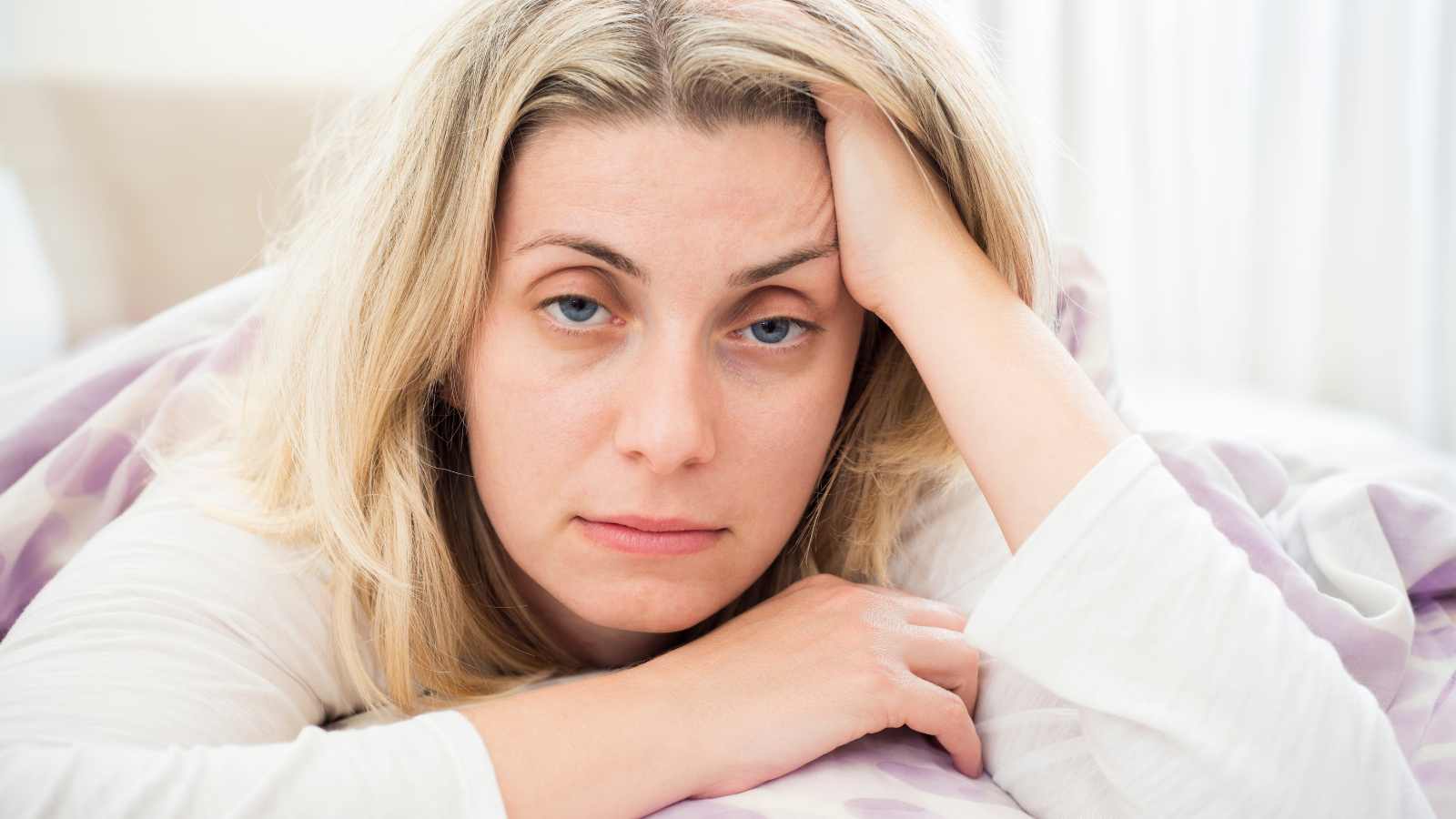
Sleeping less than usual can cause migraines, and sleeping more than normal after being sleep-deprived can also be a risk factor. To prevent this, aim to get at least seven hours of restful and uninterrupted sleep every night and adhere to a consistent sleep routine.
Caffeinated Drinks

Caffeine causes your blood vessels to expand and contract, leading to headaches. And excessive consumption leads to withdrawal symptoms like migraines if you skip or decide to stop taking caffeinated drinks. These symptoms occur because your blood vessels get used to the predictable dose and can’t function properly without it.
Hormonal Changes
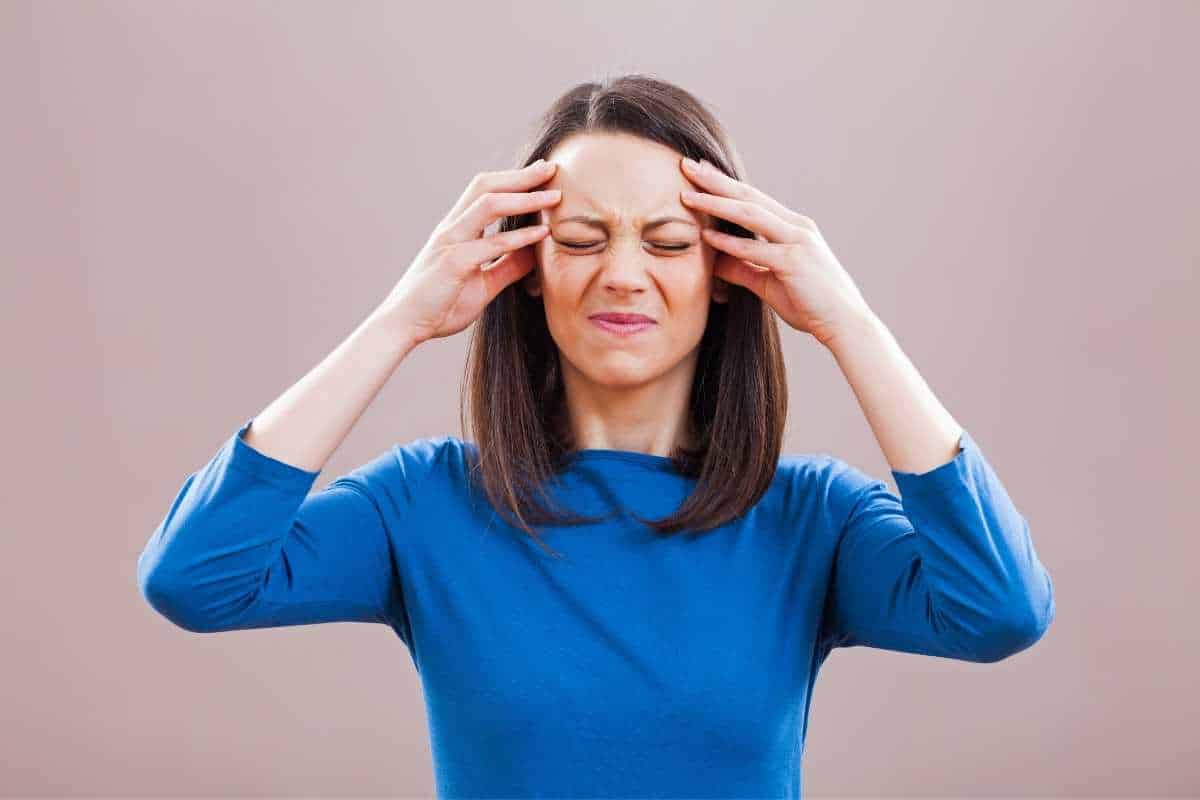
Hormonal fluctuations in both men and women can set off migraines. Factors like monthly menstruation, aging, puberty, pregnancy, menopause, or taking birth control pills can cause these changes.
Weather Changes
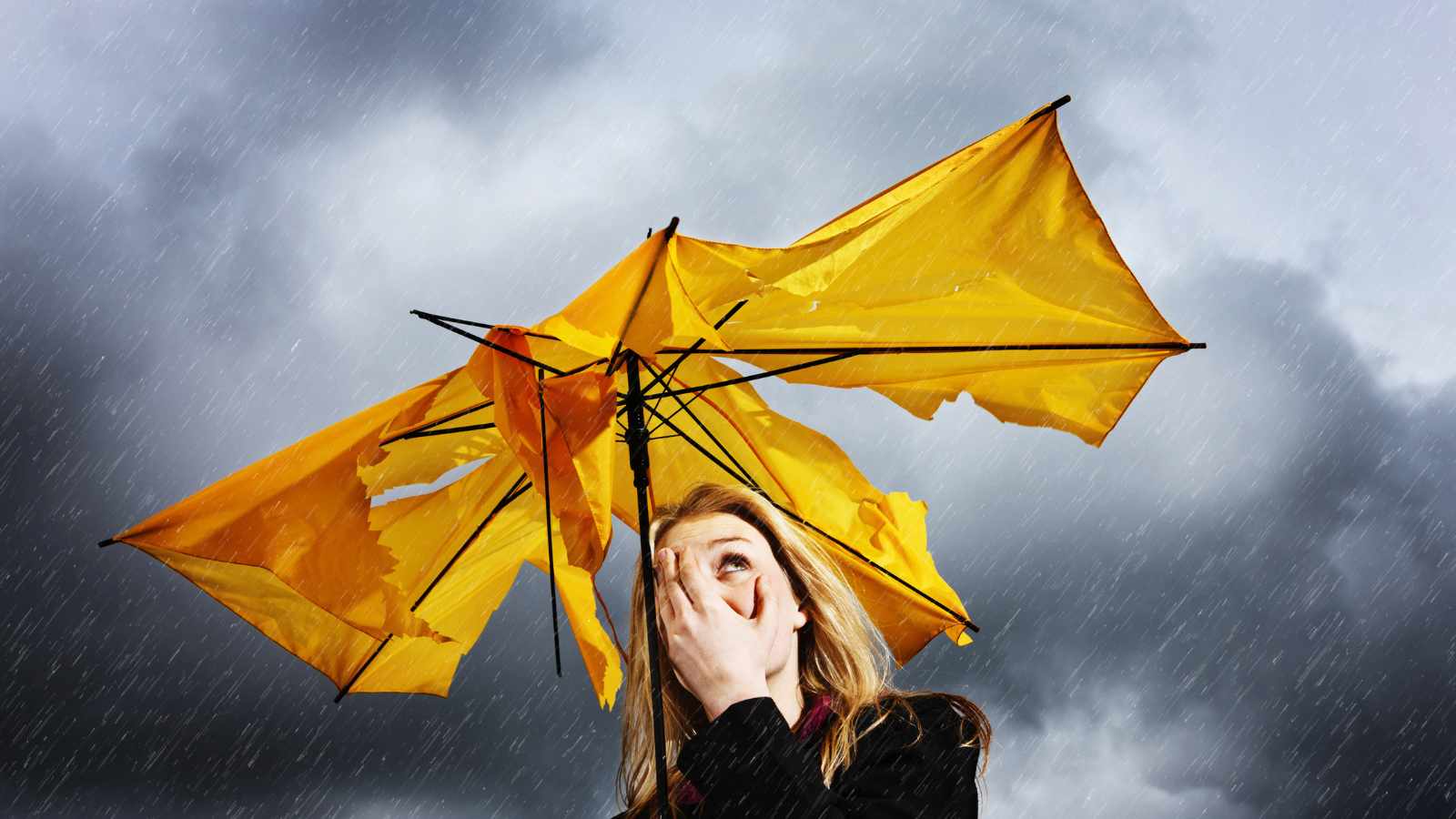
Sudden changes in the weather, especially barometric pressure drops due to storms or changing seasons, build tension between the sinuses, causing a chemical imbalance that triggers a migraine attack. Stay alert to weather forecasts and take medications if you sense early-onset migraine symptoms.
Smell

Strong odors, like smoke, perfume, cleaning products, and paint, can initiate migraines. If you have a sensitive sense of smell, limit your exposure to strong scents or use an air filter to remove them.
Noise

Migraines can result from exposure to sudden loud noises or persistent low-level noise. Wear hearing protection or earplugs in noisy surroundings and take medication at the onset of a migraine attack to alleviate symptoms.
Flickering Lights

People sensitive to light can experience migraines from flickering lights because it causes changes in the brain. Also, flashing lights can cause eye strain and fatigue, which contributes to the development of migraines. To avoid triggering migraines, stay away from places with flickering lights or wear sunglasses.
Alcohol

Consumption of alcohol results in changes in serotonin levels in the brain and causes blood vessels in the brain to dilate, leading to migraines. Although any alcoholic drink can trigger a migraine, red wine might be the most common culprit.
Food Additives

Monosodium glutamate (MSG), nitrates, and artificial sweeteners are all food additives that can trigger migraines by affecting the brain and nervous system. Processed meats like bacon and hot dogs contain these additives and artificial sweeteners like aspartame.
Dehydration
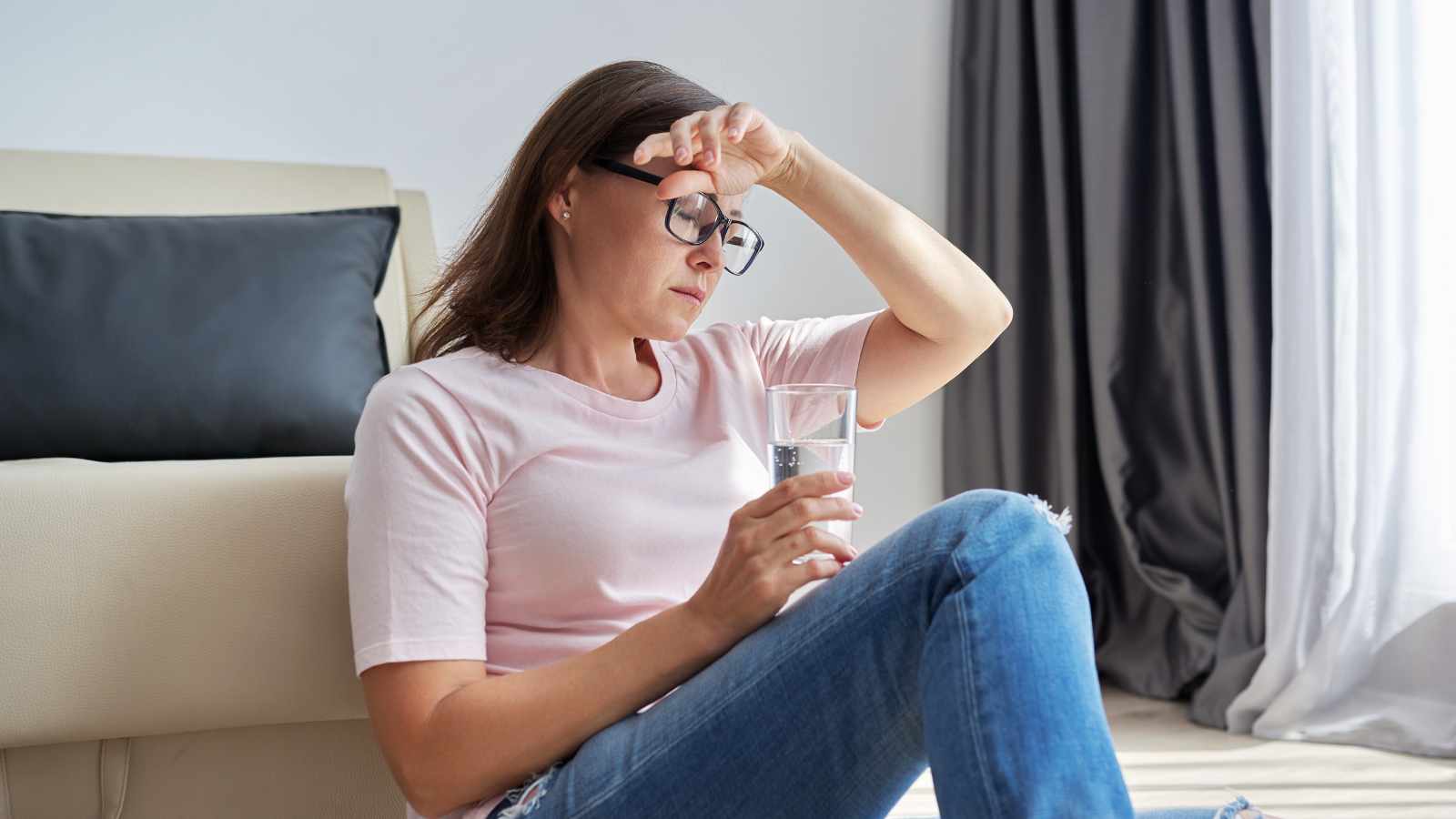
Not drinking enough water or other fluids can lead to dehydration, a common cause of migraines. Try drinking at least eight glasses of water daily and carrying a bottle when out.
Rigorous Exercise

Exercise is vital for overall health, but when done in excess, it may result in migraine attacks due to dehydration, fatigue, and sudden blood sugar drop. Take breaks during your workout and ease yourself into exercise programs gradually.
High Temperatures

High temperatures can cause migraine headaches, especially in humid weather conditions. Take cool showers or baths to cool down your body temperature, stay in an air-conditioned environment during summer days, and drink plenty of fluids to avoid dehydration.
Neck Pain

Neck pain linked to migraines is likely due to activation of the trigeminal cervical complex (nerves that transmit pain signals from the neck and face to the brain), leading to changes that cause migraines. Adjust your pillows or sleep position, and ensure good posture while working at your computer or looking at your phone to prevent this.
More From Health Makes You

Hearing loss is a serious condition that can significantly impact one’s quality of life. Unfortunately, many people are unaware of the common bad habits which can lead to hearing loss. Here are 14 bad habits that could make you deaf if left unchecked.
14 Bad Habits That Could Make You Deaf
Want to be Fit and Healthy? DON’T DO These 18 Things

Do you want to be fit and healthy? It’s time to say goodbye to habits holding you back from achieving your health goals. Here are twenty unhealthy habits to stop now and how to start the journey toward a healthier lifestyle.
Want to be Fit and Healthy? DON’T DO These 18 Things
The 20 Worst Habits That Are Destroying Your Heart

Living a healthy lifestyle is essential for maintaining a healthy heart. Unfortunately, many of us have bad habits that can harm our hearts. These unhealthy behaviors can increase the risk of developing cardiovascular diseases such as stroke and coronary artery disease.
The 20 Worst Habits That Are Destroying Your Heart
The 30 Worst Foods to Eat After 30

Eating healthily is vital at all times, but after 30, consuming certain foods can harm more than help. By avoiding these food items when you reach your thirties, you can promote lasting health and happiness for years.
The 30 Worst Foods to Eat After Age 30
You Have No Business Eating These Foods for Dinner, Unless You Just Don’t Care

Breakfast may be the most important meal of the day, but dinner is a close second. Eating a healthy and nutritious dinner can give you energy and help your body prepare for a good night of restful sleep. Some foods, however, won’t only deny you these benefits — they can create more problems. Avoid these dinner foods to keep your body in a healthy balance.
You Have No Business Eating These Foods for Dinner, Unless You Just Don’t Care
This article was produced on Health Makes You.