
Building muscle doesn’t require an expensive supplement stack, designer protein powders, or “miracle” drinks promoted by influencers. What it does require is consistency, a calorie surplus, and a diet rich in high-quality whole foods that fuel strength and support recovery. This article outlines a practical, shake-free muscle gain diet grounded in real science and real food.
If you’re looking to build lean mass, boost your strength, and support your workouts with effective nutrition, this guide will show you exactly how to do it with food you can buy at any grocery store.
Why Skip the Shakes?
Protein shakes are convenient, but they’re not essential for muscle gain. They can help meet protein goals in a pinch, but they also:
- Often contain artificial sweeteners or sugars
- May cause digestive issues (especially whey)
- Can create a false dependency that good nutrition can only come from supplements
- Vary widely in quality and transparency
Whole foods, on the other hand, offer complete nutrition, including micronutrients, fiber, enzymes, and healthy fats, all of which support better metabolism, recovery, and hormone function.
The Science Behind Muscle Gain
To build muscle, your body needs two key things:
- Progressive resistance training that stimulates muscle tissue
- Adequate nutrition, especially:
- Calories in excess of what you burn (caloric surplus)
- Protein for muscle protein synthesis
- Carbs for energy and glycogen replenishment
- Fats to support hormones and nutrient absorption
The best muscle-building diets support all these areas without compromising long-term health or sustainability.
Muscle Gain Diet That Works (Without Shakes)
Here’s a breakdown of what a complete muscle-building diet looks like using whole, unprocessed, everyday foods.
Prioritize High-Protein Whole Foods

Protein is the foundation of muscle growth. You need 0.7–1 gram of protein per pound of body weight per day (1.6–2.2 g/kg). Focus on a variety of complete protein sources:
- Chicken breast (31g protein per 100g)
- Eggs and egg whites (6g protein per egg)
- Greek yogurt (15–20g protein per cup)
- Lean beef (22–25g protein per 100g)
- Lentils, black beans, chickpeas (13–18g per cooked cup)
- Fish like salmon, tuna, sardines (20–25g per 100g)
- Tofu and tempeh (15–20g per serving)
Pro tip: Incorporate protein with every meal and snack to maintain a steady stream of amino acids in your system throughout the day.
Eat More Calories, But Cleanly
A caloric surplus of 250–500 calories per day over your maintenance needs is ideal for lean bulking. This fuels growth without excessive fat gain. Clean bulk calories should come from nutrient-dense sources:
- Complex carbs: brown rice, sweet potatoes, oats, quinoa, whole wheat pasta
- Healthy fats: avocado, nuts, seeds, olive oil, fatty fish
- Fruits and vegetables: for fiber, antioxidants, and micronutrients
Avoid ultra-processed foods high in sugar and trans fats; they spike inflammation and don’t support muscle recovery.
Smart Carb Timing Around Workouts
Carbohydrates are your primary fuel source for resistance training. Consuming carbs before and after your workout helps:
- Increase training performance
- Replenish muscle glycogen
- Reduce muscle protein breakdown
Pre-workout (1–2 hours before):
- Oats with fruit
- Rice and chicken
- Banana with nut butter
Post-workout (within 30–60 minutes):
- Sweet potato and grilled salmon
- Whole grain toast and eggs
- Rice and beans with veggies
Including protein in both pre- and post-workout meals optimizes muscle repair.
Don’t Neglect Fats
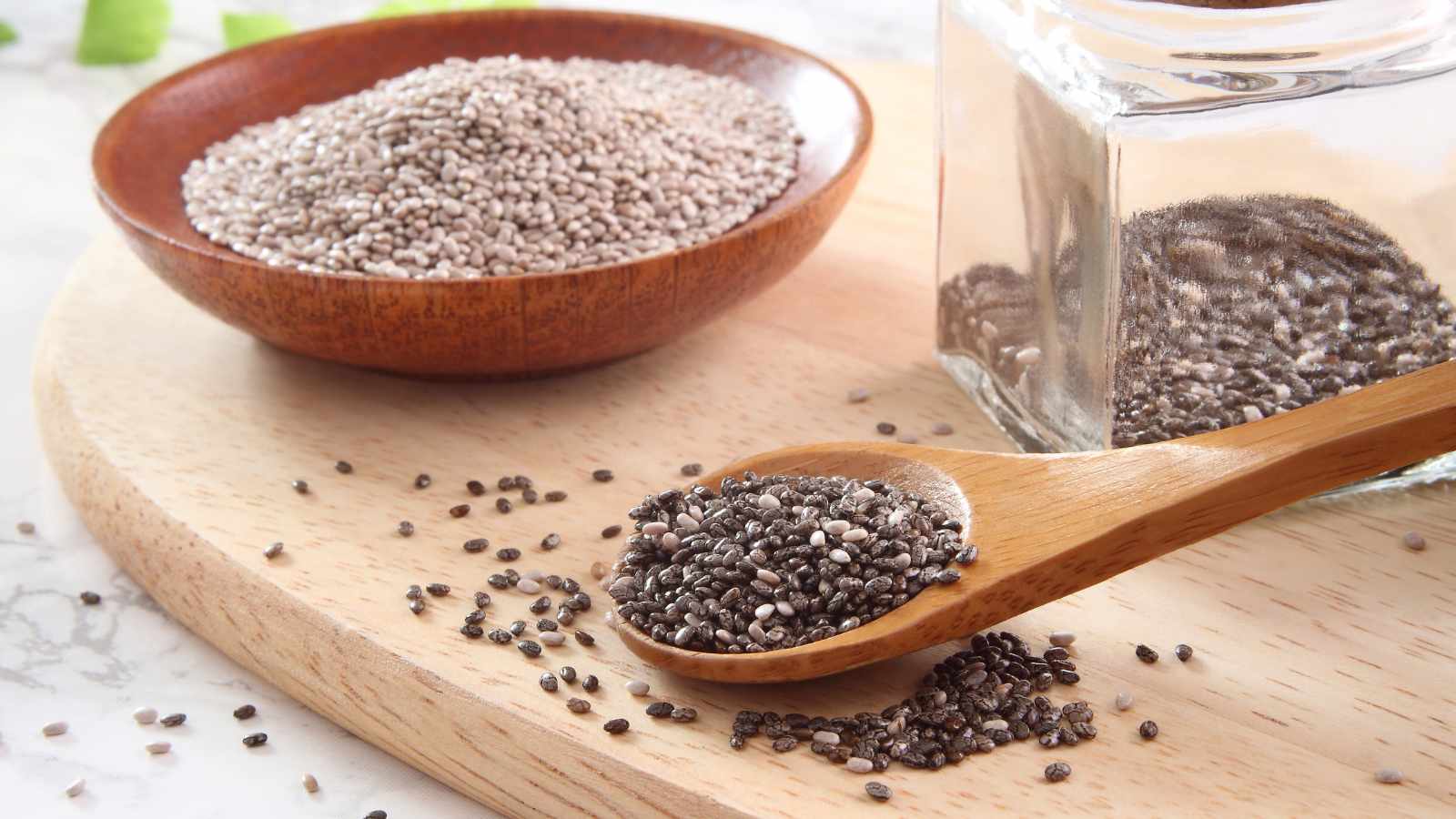
Fats are critical for hormone production, especially testosterone, essential for muscle growth in men and women alike. Aim for 20–35% of your calories from fat. Focus on healthy fat sources:
- Olive oil
- Almonds, walnuts, chia seeds
- Fatty fish (omega-3 rich)
- Egg yolks
Limit saturated fats and avoid trans fats completely.
Sample Whole-Food Muscle Gain Meal Plan (No Shakes)
Meal 1 (Breakfast)
- 4 scrambled eggs + 2 slices of whole grain toast
- Avocado
- Mixed berries
- Black coffee or green tea
Meal 2 (Mid-Morning Snack)
- Greek yogurt + honey
- Handful of almonds
Meal 3 (Lunch)
- Grilled chicken breast
- Quinoa + steamed broccoli + olive oil drizzle
- Apple
Meal 4 (Pre-Workout)
- Oatmeal with banana and cinnamon
- 2 boiled eggs
Meal 5 (Post-Workout Dinner)
- Baked salmon
- Roasted sweet potatoes
- Mixed green salad with vinaigrette
Meal 6 (Evening Snack)
- Cottage cheese or tofu with berries
- Walnuts or pumpkin seeds
This sample plan provides around 3,000 calories and 180–200g of protein, depending on portion sizes.
Final Thoughts
The idea that muscle gain requires fancy shakes or sketchy supplements is a myth. A well-structured, whole food diet rich in high-quality protein, healthy fats, and complex carbs can build lean muscle just as effectively, and often more sustainably, than a supplement-heavy regimen.
If you’re determined to put on size, start by mastering the basics: eat more whole foods, train consistently, rest well, and fuel your recovery. The gains will come.