
Alcohol is a socially integrated aspect of many cultures worldwide and is subject to different opinions and habits. Medical professionals’ insights often serve as crucial guidance for navigating the complexities of responsible alcohol consumption.
Here are 15 vital points doctors and health experts urge individuals to know about drinking alcohol, shedding light on its impact, risks, and potential benefits.
Moderation Is Key

Drinking in moderation is essential for maintaining a healthy lifestyle. It means consuming alcoholic beverages in a controlled and responsible manner, which can help prevent the onset of various health complications. Excessive and unchecked consumption can lead to liver damage, cardiovascular issues, and the risk of addiction.
Alcohol and the Brain
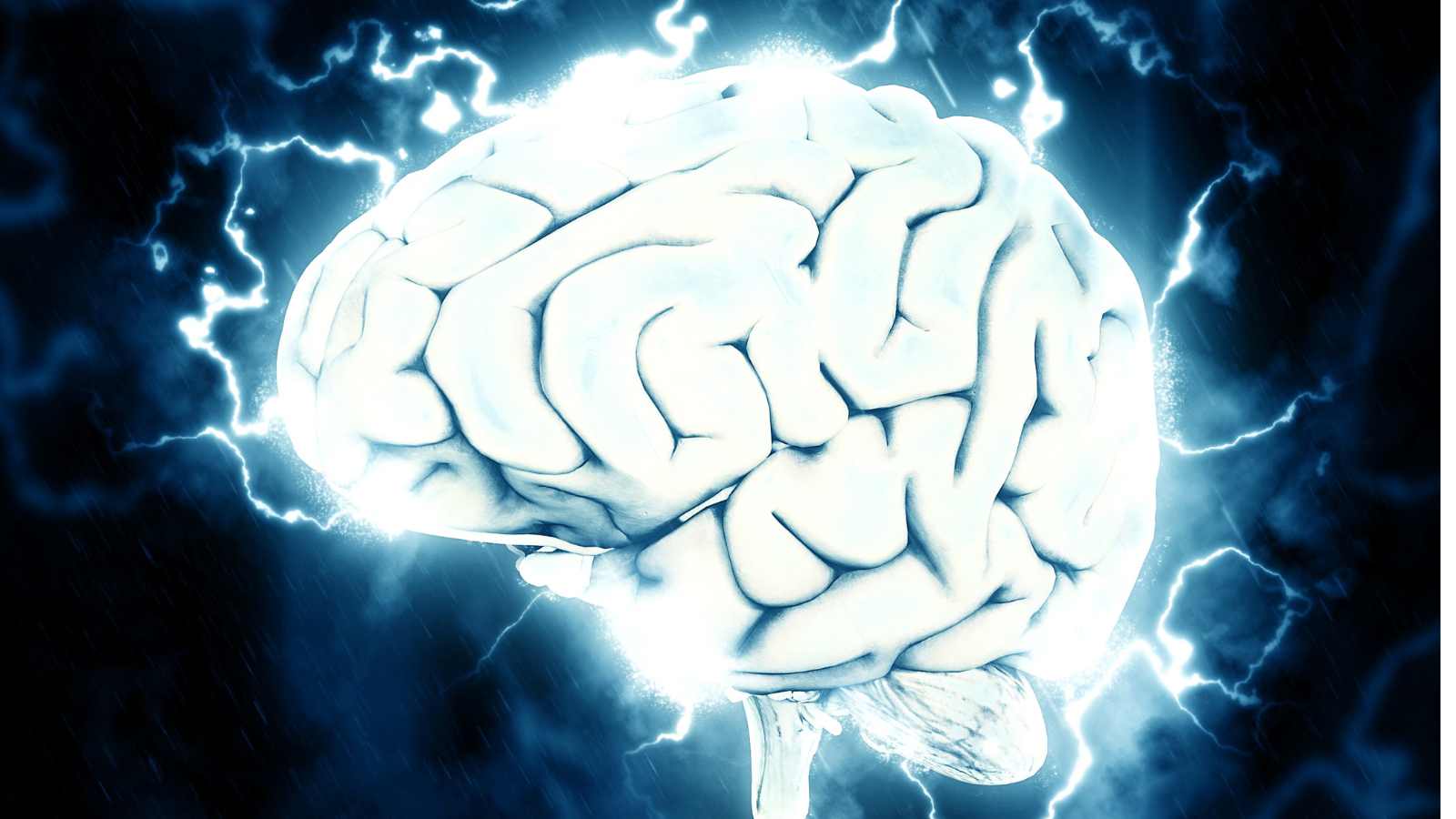
Excessive alcohol consumption can significantly impair cognitive abilities, including memory, attention, and problem-solving skills. It can also lead to an increased risk of depression, anxiety, and other mood disorders. It’s essential to be mindful of your alcohol intake and its effects on the brain.
Heart Health Benefits

Consuming a moderate amount of alcohol within recommended limits may offer potential cardiovascular benefits like improved heart health and reduced risk of some conditions. However, drinking alcohol in amounts that exceed the recommended limits can negate these potential benefits and instead lead to various adverse health effects.
Long-Term Health Risks

Persistently consuming alcohol in excessive amounts can lead to serious long-term health risks, including liver damage, heart disease, stroke, and some types of cancer. It’s crucial to practice moderation and limit your alcohol intake to decrease these risks.
Avoid Drinking While Pregnant

Pregnant women should avoid drinking alcohol altogether as it can have severe consequences on the development and health of the fetus. Alcohol consumption during pregnancy puts you at risk of congenital disabilities, developmental issues, and other complications.
Alcohol and Weight Management
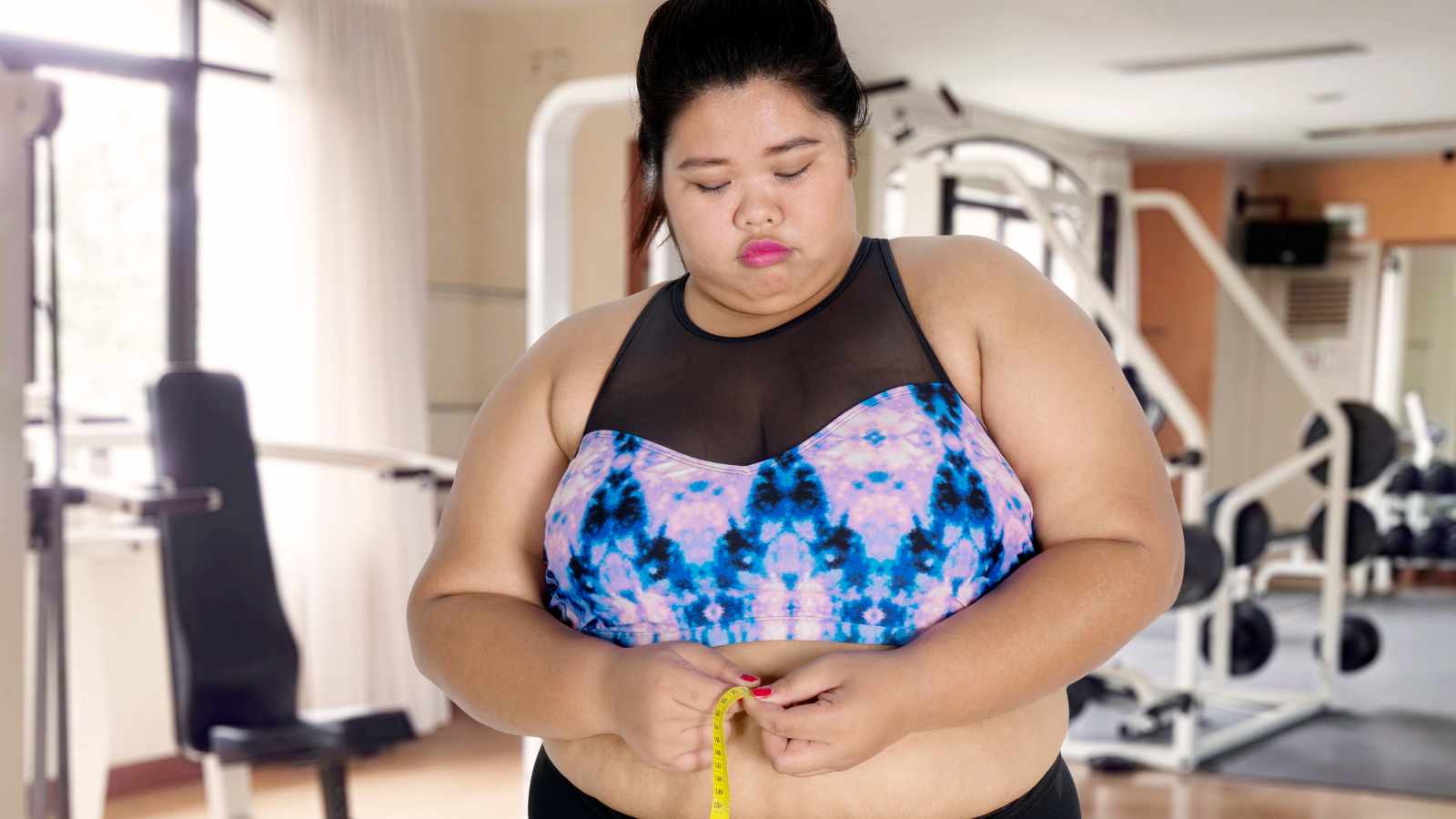
Alcohol is high in empty calories and can contribute to obesity when consumed in large quantities. Be mindful of your alcohol intake while maintaining a healthy and balanced diet. Alcohol also affects metabolism, leading to increased fat storage.
Effects on Sleep Quality
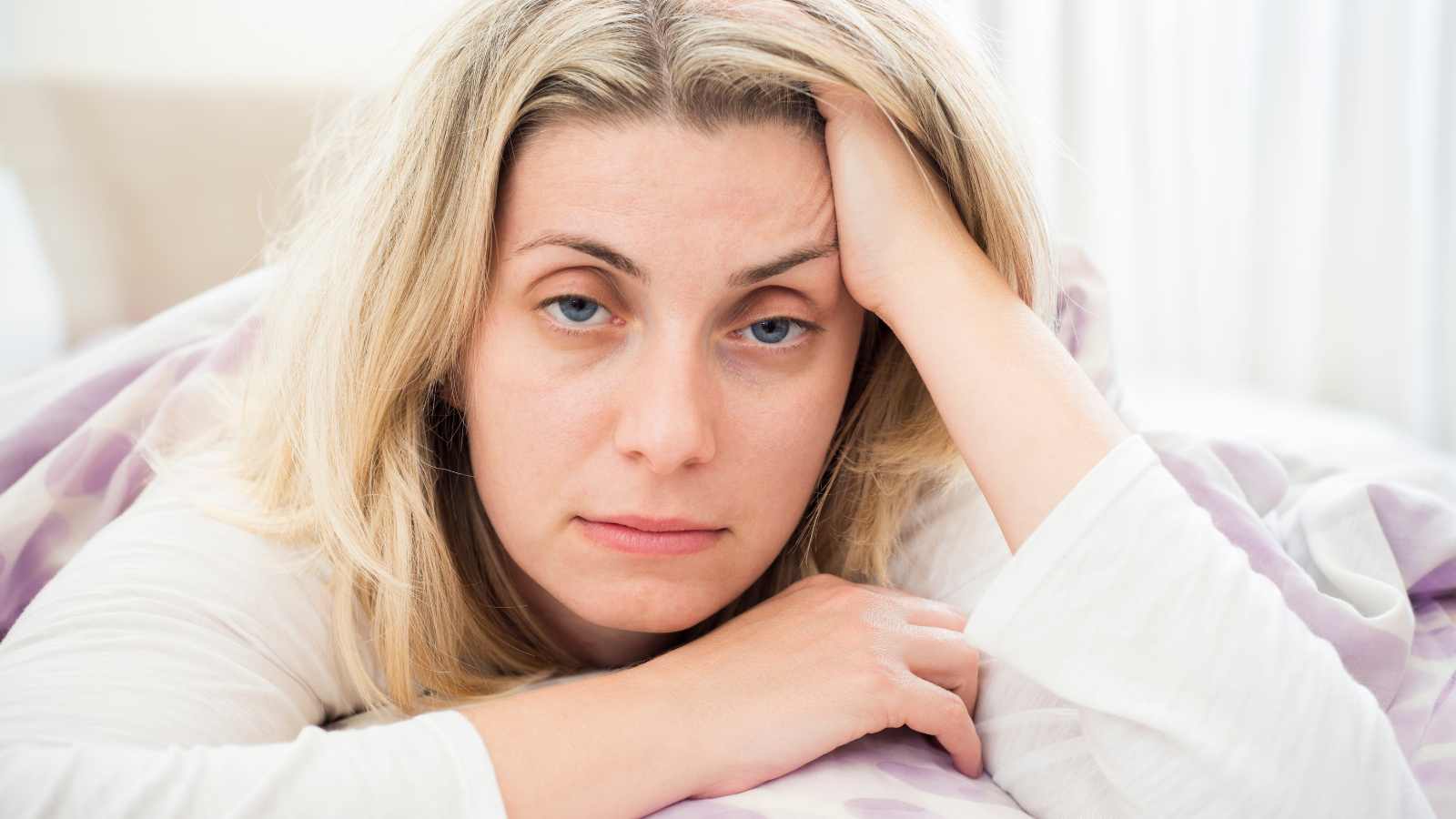
Alcohol consumption can disrupt sleep patterns and affect the quality of your rest. While it may induce initial drowsiness, it can disturb your REM cycle and lead to poor sleep quality. Poor sleep quality, in turn, impacts your mood, energy levels, and productivity the following day.
Interaction With Medications

Alcohol can interact negatively with some medications, either reducing their effectiveness or causing adverse side effects. It’s crucial to consult with your doctor and understand how alcohol may interact with any medication you are currently taking.
Social and Psychological Impact

Engaging in excessive drinking can result in hazardous behavior, strained relationships, and an elevated susceptibility to addiction. Prioritizing responsible drinking practices and seeking assistance when necessary are of utmost importance.
Potential for Accidents

The consumption of alcohol can impair judgment, leading to a heightened risk of accidents and injuries. Alcohol diminishes coordination, causes slower reaction times, and reduces cognitive abilities, which can all contribute to hazardous situations.
Alcohol Dependence and Addiction

Regular excessive alcohol consumption can lead to physical and psychological dependence, making it difficult to function without consuming alcohol. Recognizing the signs of addiction and seeking professional help when needed is crucial for managing and overcoming an alcohol use disorder.
Dehydration
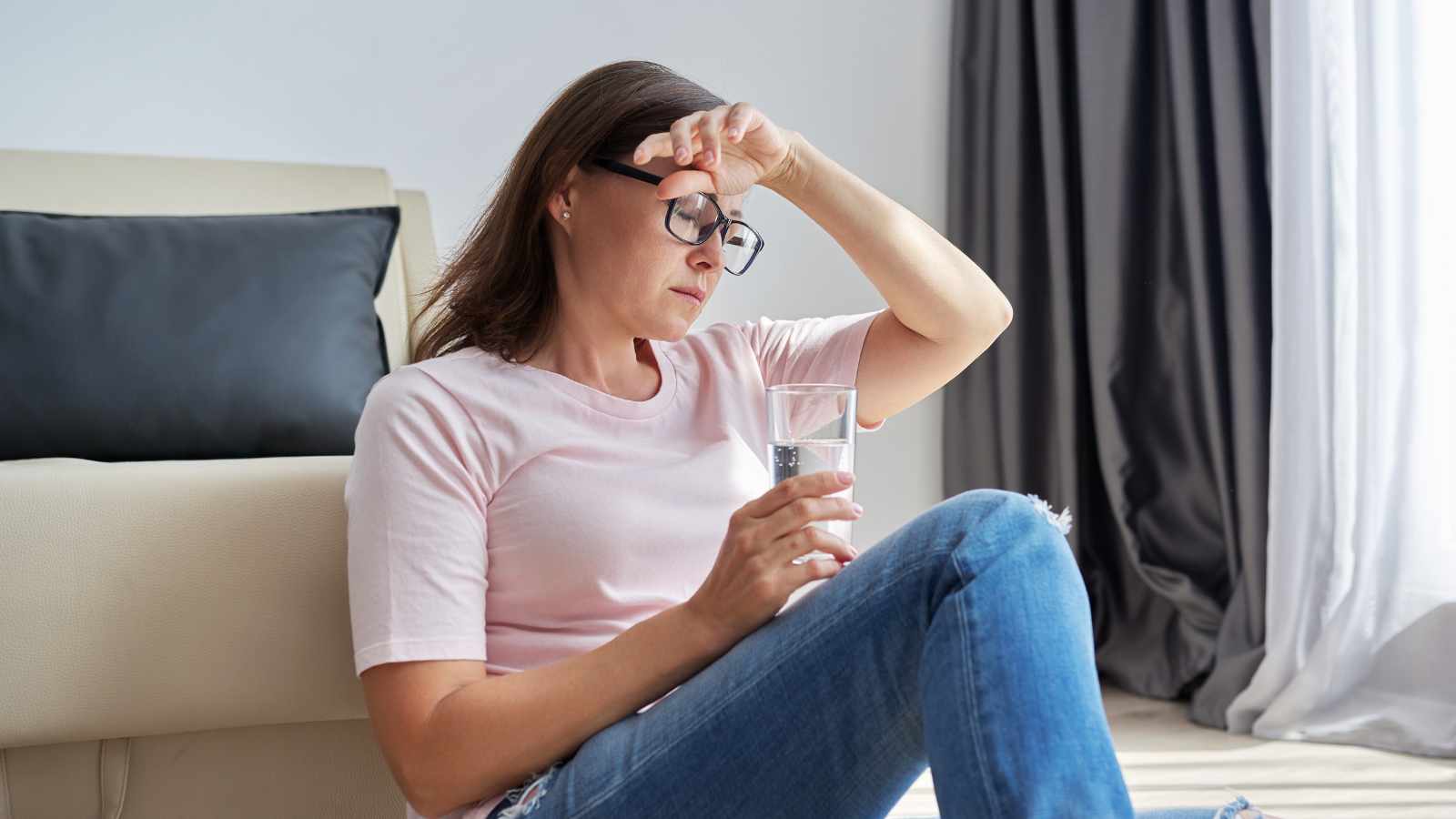
Alcohol dehydrates the body by causing increased urination because it is a diuretic. This condition can result in hangovers, which are characterized by headaches, fatigue, and nausea. Drinking plenty of water and avoiding excessive alcohol consumption can help prevent dehydration and hangovers.
Recommended Limits

Doctors recommend limiting alcohol intake to no more than one drink per day for women and two drinks per day for men. These recommendations may vary depending on an individual’s health status, age, and other factors. It’s essential to consult with a medical professional about the recommended limits for your specific circumstances.
Age and Alcohol Consumption

The impact of alcohol on individuals varies greatly depending on their age. As we grow older, our body’s capacity to process and metabolize alcohol diminishes, rendering older adults more vulnerable to its effects. Older individuals must be mindful of their alcohol consumption and prioritize moderation.
Seek Help When Needed

If you or someone you know is struggling with excessive alcohol consumption, seek help from a medical professional or support group. There are resources available to assist in managing alcohol use and promoting responsible drinking habits. Remember, it’s never too late to seek help and make positive changes for your health and well-being.
More From Health Makes You

Hearing loss is a serious condition that can significantly impact one’s quality of life. Unfortunately, many people are unaware of the common bad habits which can lead to hearing loss. Here are 14 bad habits that could make you deaf if left unchecked.
14 Bad Habits That Could Make You Deaf
10 “Good” Habits That Are Actually Bad for You
Some healthy activities may seem like good ideas, but they are actually bad for your health. It sounds counterintuitive, but these habits can put your body at risk. Here are ten good habits that can have negative consequences if practiced too often or intensely.
10 “Good” Habits That Are Actually Bad for You
Want to Live a Long Life? Don’t Do These 20 Things

Do you want to live a long and healthy life? Then you should avoid doing certain things. Research shows that some habits, behaviors, and activities can harm your health. Here are the top 20 worst things you can do for your health.
Want to Live a Long Life? DON’T DO These 20 Things
The 30 Worst Foods to Eat After Age 30

Eating healthily is vital at all times, but after 30, consuming certain foods can harm more than help. By avoiding these food items when you reach your thirties, you can promote lasting health and happiness for years.
The 30 Worst Foods to Eat After Age 30
20 Bad Habits That Could Make You Blind

Staring at a screen (phone, laptop) has become a common habit that seems harmless, but over time it can cause severe damage to your eyes. That’s just one of the habits that can damage your eyesight. Here’s more:
20 Bad Habits That Could Make You Blind
This article was produced on Health Makes You.