
Public pools are a popular way to beat the heat during the summer, but some lesser-known facts might make you think twice before taking a dip. From hygiene concerns to hidden dangers, here are ten surprising facts about public pools.
Chlorine Doesn’t Instantly Kill Germs

While chlorine disinfects pool water, it doesn’t work instantly. It takes time to kill bacteria, viruses, and parasites. This means that if someone with an infectious disease enters the pool, there’s a risk of transmission before the chlorine has done its job.
Chemical Smell Is a Sign of Trouble

That distinct “pool smell” isn’t actually from chlorine but rather from chloramines. Chloramines are formed when chlorine interacts with urine, sweat, and other bodily fluids in the water.
Not only do they create a strong odor, but they can also irritate your eyes and respiratory system.
Crypto Outbreaks Are on the Rise

Cryptosporidium, or “crypto,” is a parasite that causes diarrhea. It’s highly resistant to chlorine and can survive up to ten days in properly chlorinated water. In recent years, there has been an increase in outbreaks linked to public pools and waterparks.
Pee in the Pool Is Common
Unfortunately, it’s not uncommon for people to relieve themselves in the pool. A survey found that 64% of participants admitted to peeing in a public pool at least once.
This act adds to the formation of chloramines and increases the risk of illness.
Public Pools Can Harbor Dangerous Pathogens

Public pools can serve as breeding grounds for pathogens like E.coli and norovirus. Inadequate chlorine levels or improper maintenance can facilitate the transmission of these harmful microorganisms.
Proper sanitation and maintenance practices are essential to mitigate the risk of their spread.
Risk of Recreational Water Illnesses (RWIs)

Recreational Water Illnesses (RWIs) are infections that can be acquired by swimming in contaminated water. These illnesses range from mild skin irritation to more severe respiratory and gastrointestinal issues.
Children, pregnant women, and people with weakened immune systems are particularly vulnerable.
Skin and Hair Issues From Pool Chemicals

Chlorine and other pool chemicals can cause skin and hair problems for frequent swimmers. These problems include dry, itchy skin, rashes, and hair discoloration.
To minimize the effects, shower immediately after swimming and use moisturizer to hydrate your skin.
High PH Levels Are a Concern
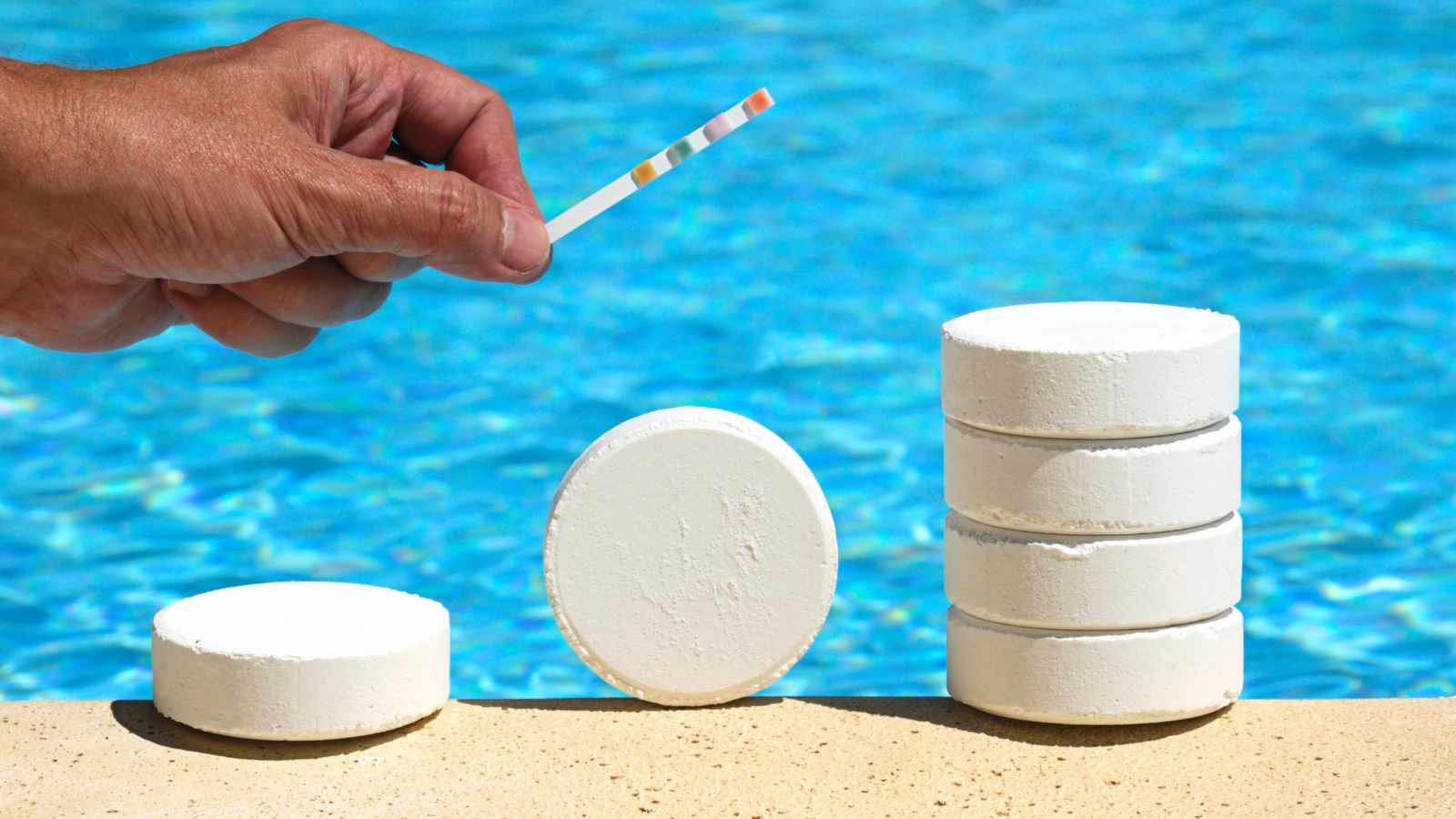
The ideal pH level for a pool is between 7.2-7.8, but many public pools have higher levels due to heavy use and improper maintenance. High pH levels can cause eye and skin irritation and reduce the effectiveness of chlorine.
Drain Entrapment Can Be Deadly
Pool drains can be dangerous, especially for young children. If a child sits on or near a drain, their hair or body parts can become trapped, causing them to drown. In recent years, safety regulations have been implemented to prevent these incidents.
The Bathrooms Are Filthy
The bathroom facilities at public pools can often be dirty and unsanitary. With many people using them, they can quickly become breeding grounds for germs.
Wash your hands thoroughly after using the bathroom, and avoid touching your face while swimming.
More From Health Makes You

Hearing loss is a serious condition that can significantly impact one’s quality of life. Unfortunately, many people are unaware of the common bad habits which can lead to hearing loss. Here are 14 bad habits that could make you deaf if left unchecked.
14 Bad Habits That Could Make You Deaf
10 “Good” Habits That Are Actually Bad for You
Some healthy activities may seem like good ideas, but they are actually bad for your health. It sounds counterintuitive, but these habits can put your body at risk. Here are ten good habits that can have negative consequences if practiced too often or intensely.
10 “Good” Habits That Are Actually Bad for You
Want to Live a Long Life? Don’t Do These 20 Things

Do you want to live a long and healthy life? Then you should avoid doing certain things. Research shows that some habits, behaviors, and activities can harm your health. Here are the top 20 worst things you can do for your health.
Want to Live a Long Life? DON’T DO These 20 Things
The 30 Worst Foods to Eat After Age 30

Eating healthily is vital at all times, but after 30, consuming certain foods can harm more than help. By avoiding these food items when you reach your thirties, you can promote lasting health and happiness for years.
The 30 Worst Foods to Eat After Age 30
20 Bad Habits That Could Make You Blind

Staring at a screen (phone, laptop) has become a common habit that seems harmless, but over time it can cause severe damage to your eyes. That’s just one of the habits that can damage your eyesight. Here’s more:
20 Bad Habits That Could Make You Blind
This article was produced on Health Makes You.