
Pak choi, also known as bok choy or Chinese cabbage, is one of the most versatile and nutrient-rich vegetables you can cook with. Its tender white stalks and dark leafy greens deliver a satisfying crunch and a subtly sweet, peppery flavor that works well in a variety of dishes, from Asian stir-fries to Western-style grain bowls. The best part? Pak choi cooks in minutes and requires minimal ingredients to taste incredible.
In this article, you’ll find a quick, no-fuss pak choi recipe that pairs seamlessly with virtually any protein or grain. Whether you’re preparing a weeknight dinner or meal-prepping for the week ahead, this simple method will become your go-to base vegetable.
Why Pak Choi Deserves a Spot in Your Kitchen
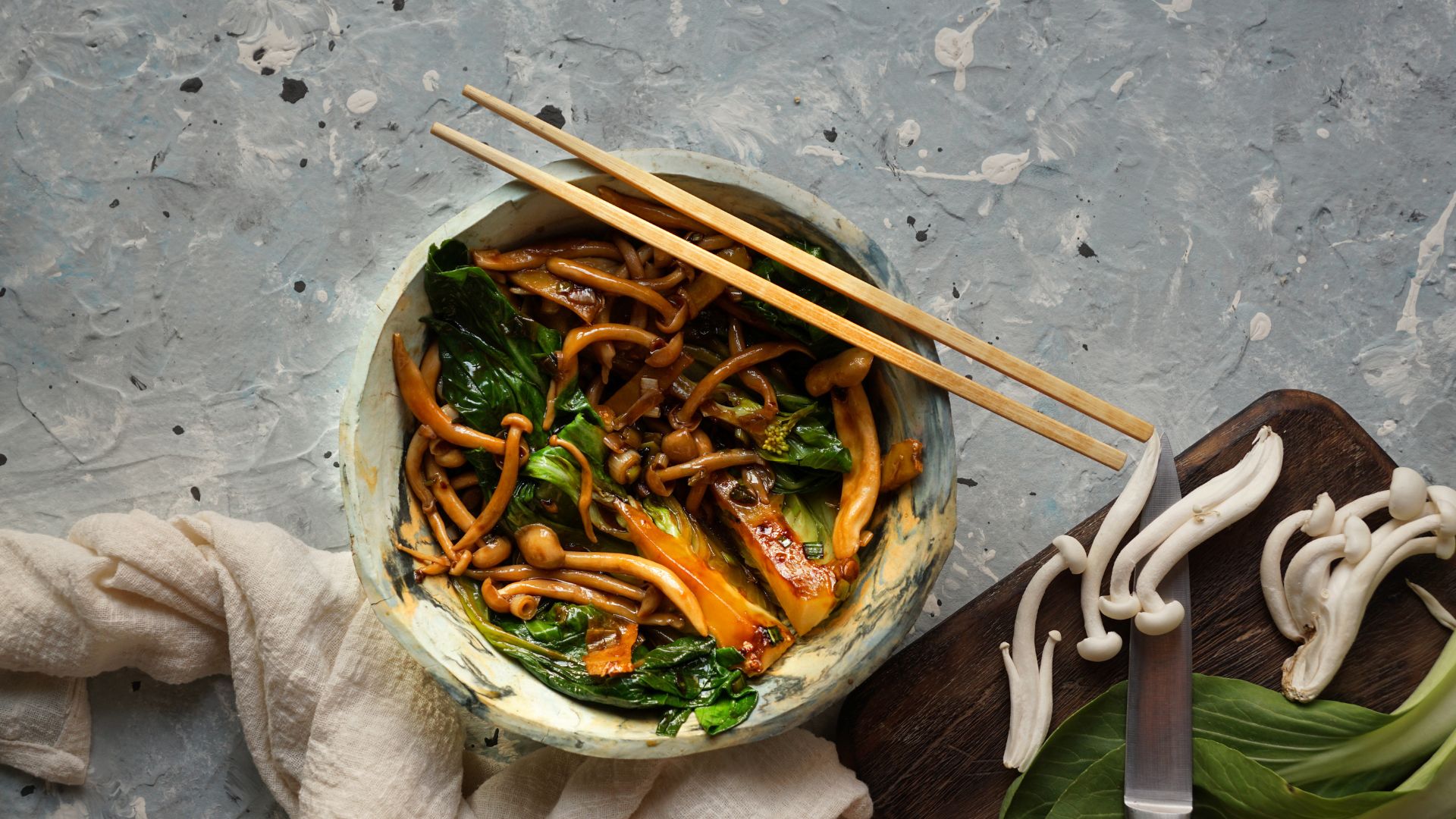
Before we get into the recipe, here’s why pak choi should be a regular on your grocery list:
- Nutrient dense: Rich in vitamins A, C, and K, as well as calcium, magnesium, and folate.
- Low in calories: One cup of cooked pak choi contains around 20 calories.
- Quick to cook: It sautés or steams in just 5–7 minutes.
- Versatile: Complements everything from Asian noodles to roasted meats and grain bowls.
The Quick & Easy Pak Choi Recipe
Ingredients
- 2 large heads of pak choi, washed and chopped (separate stems and leaves)
- 1 tablespoon neutral oil (e.g., grapeseed, avocado, or vegetable oil)
- 2–3 cloves garlic, thinly sliced
- 1 teaspoon soy sauce or tamari
- ½ teaspoon sesame oil
- Optional: a pinch of red pepper flakes or a dash of rice vinegar
Instructions
- Prepare the Pak Choi: Cut pak choi lengthwise into halves or quarters for large stalks, or chop into 2-inch pieces if using baby pak choi. Keep the stems and leaves separate.
- Heat the Pan: Heat the neutral oil in a large skillet or wok over medium-high heat.
- Sauté Garlic: Add the sliced garlic and stir for 15–30 seconds, just until fragrant—do not let it brown.
- Cook the Stems First: Add the pak choi stems to the pan and stir-fry for 2–3 minutes. They take slightly longer to soften than the leaves.
- Add Leaves & Seasoning: Toss in the leaves, soy sauce, and optional chili flakes. Cook for another 2–3 minutes until the leaves are wilted but still vibrant green.
- Finish With Sesame Oil: Turn off the heat, drizzle with sesame oil, and optionally splash with rice vinegar for brightness.
- Serve Immediately: Serve warm, either as a standalone side or as a topping on bowls, rice, or noodles.
Recipe Variations
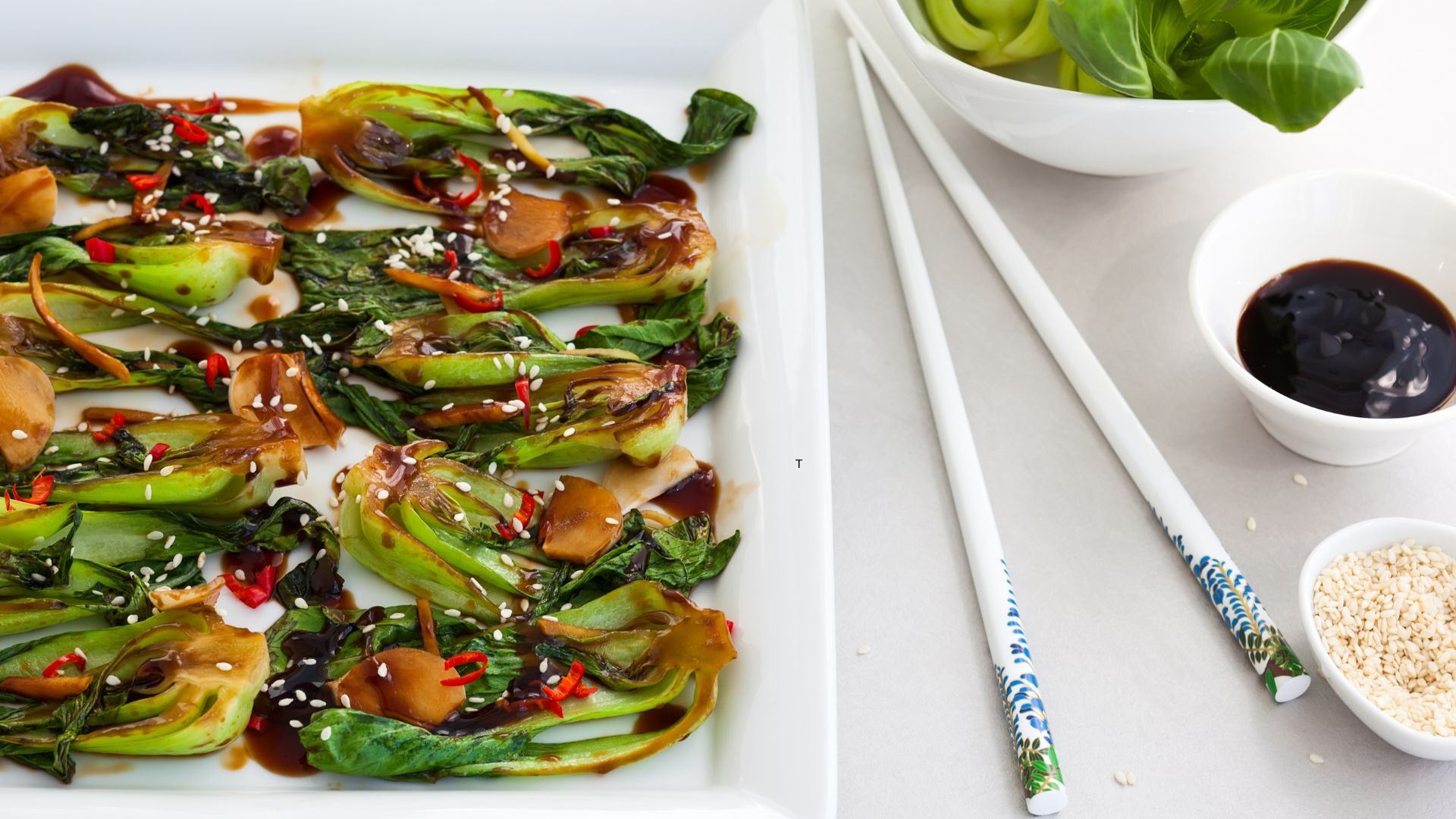
This basic recipe can be endlessly modified depending on what you’re serving it with:
- For a protein boost: Add tofu cubes or sliced chicken breast to the skillet before adding the pak choi.
- For umami depth: Stir in a teaspoon of oyster sauce or hoisin sauce during the final minute of cooking.
- For crunch: Sprinkle toasted sesame seeds or crushed peanuts just before serving.
- For brightness: Grate in a touch of fresh ginger or finish with lemon or lime juice.
What to Serve Pak Choi With
The neutral, savory nature of pak choi allows it to play well with just about anything. Here are some meal pairing ideas:
| Main Dish | Why It Works with Pak Choi |
| Grilled salmon or cod | Balances fatty richness with a clean, green crunch |
| Stir-fried noodles | Adds a light, fresh contrast to saucy dishes |
| Fried rice | Packs in extra veggies with almost no added cooking time |
| Teriyaki tofu or chicken | Soaks up the sweet-salty glaze perfectly |
| Grain bowls (quinoa, rice) | Provides texture and nutrients without overpowering flavors |
| Dumplings or potstickers | A natural pairing with Asian-style appetizers |
Conclusion
Pak choi is a kitchen MVP that deserves more attention for its fast cooking time, adaptability, and health benefits. This quick recipe takes under 10 minutes, uses minimal ingredients, and pairs with just about everything on your dinner table. With a simple garlic-soy stir-fry base, you can dress it up or down to suit any meal.
Whether you’re serving grilled fish, crispy tofu, or a hearty grain bowl, this quick and easy pak choi recipe will never feel out of place, and might even steal the show.