
Ginger is a root from the Zingiber officinale plant used for centuries for its culinary and medicinal properties. Despite its benefits, the consumption of ginger has some adverse effects you might never have heard of. We have listed some of these effects to help you make an informed decision when including ginger in your meals or taking it as a supplement.
Low Blood Sugar
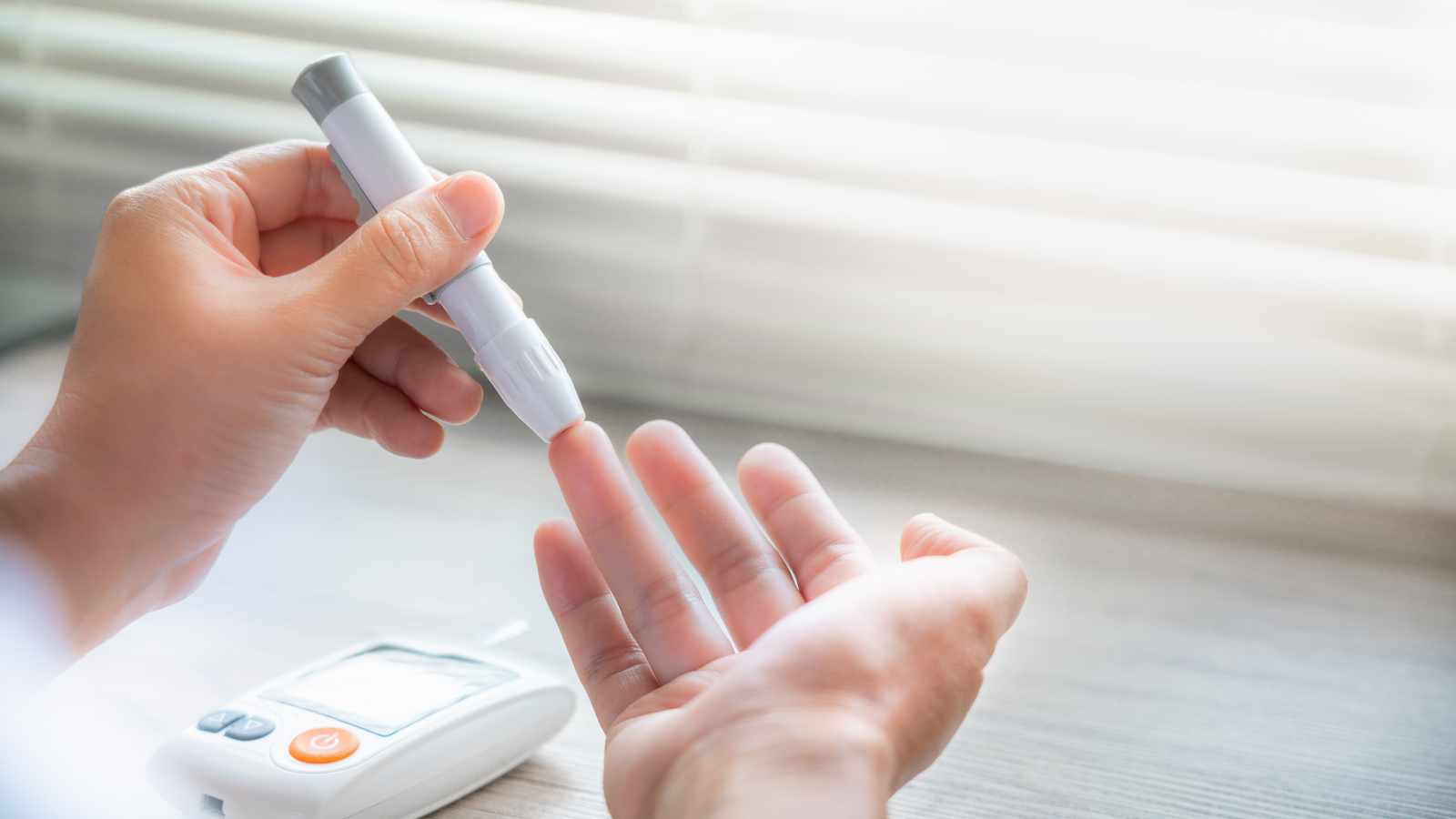
Ginger reduces blood sugar levels in some individuals, which can be particularly concerning for those with diabetes. Exercise caution before incorporating ginger into your diet, especially if you have underlying health conditions.
Diarrhea

Ginger stimulates the release of watery fluids from the intestines leading to diarrhea; this side effect is more prominent when consuming large amounts of ginger or taking it in concentrated forms like candied ginger or extracts.
Stomach Discomfort

Ginger stimulates bile production, aiding in the breakdown of consumed food. Taking ginger on an empty stomach can cause excessive gastric stimulation, leading to stomach irritation and discomfort.
Hypotension

Ginger is a natural vasodilator, causing blood vessels to relax, widen, and improve blood flow. While this benefits most individuals, it could cause a decrease in blood pressure, which is dangerous for people with hypotension.
Acid Reflux

Ginger relaxes and soothes the smooth muscle lining of the digestive tract, bringing relief. However, consuming excessive amounts of ginger can lead to increased reflux and discomfort.
Bleeding Risk

Ginger has natural blood-thinning properties that may reduce the body’s ability to form clots. This anticoagulation property could cause bruising or excessive bleeding and is dangerous for those taking blood thinners like aspirin, warfarin, or heparin.
Allergic Reactions

Although rare, some individuals may experience allergies to ginger. If someone is allergic, they may develop symptoms like hives, itching, swelling of the face or throat, and difficulty breathing. Watch out for these potential reactions and seek medical attention.
Interaction With Medications
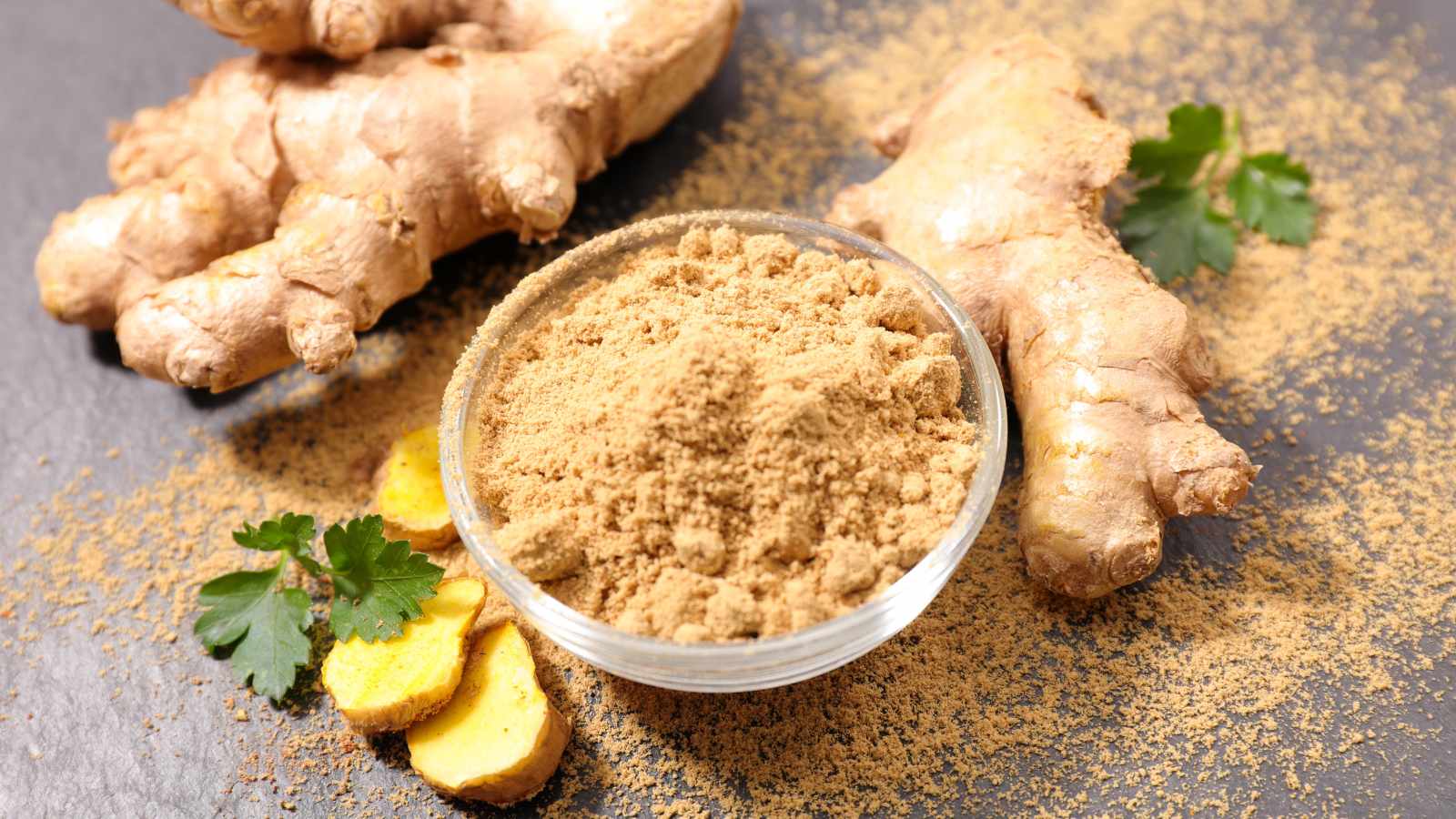
Ginger interferes with certain medications, thereby causing adverse effects. Before adding ginger to your routine, discuss possible drug interactions with your doctor.
Kidney Stones

Consuming excessive amounts of ginger elevates the concentration of oxalates in your urine, contributing to the formation of kidney stones. If you have a history of kidney stones, moderate your intake of ginger.
More From Health Makes You

Hearing loss is a serious condition that can significantly impact one’s quality of life. Unfortunately, many people are unaware of the common bad habits which can lead to hearing loss. Here are 14 bad habits that could make you deaf if left unchecked.
14 Bad Habits That Could Make You Deaf
Want to be Fit and Healthy? DON’T DO These 18 Things

Do you want to be fit and healthy? It’s time to say goodbye to habits holding you back from achieving your health goals. Here are twenty unhealthy habits to stop now and how to start the journey toward a healthier lifestyle.
Want to be Fit and Healthy? DON’T DO These 18 Things
The 20 Worst Habits That Are Destroying Your Heart

Living a healthy lifestyle is essential for maintaining a healthy heart. Unfortunately, many of us have bad habits that can harm our hearts. These unhealthy behaviors can increase the risk of developing cardiovascular diseases such as stroke and coronary artery disease.
The 20 Worst Habits That Are Destroying Your Heart
The 30 Worst Foods to Eat After 30

Eating healthily is vital at all times, but after 30, consuming certain foods can harm more than help. By avoiding these food items when you reach your thirties, you can promote lasting health and happiness for years.
The 30 Worst Foods to Eat After Age 30
You Have No Business Eating These Foods for Dinner, Unless You Just Don’t Care

Breakfast may be the most important meal of the day, but dinner is a close second. Eating a healthy and nutritious dinner can give you energy and help your body prepare for a good night of restful sleep. Some foods, however, won’t only deny you these benefits — they can create more problems. Avoid these dinner foods to keep your body in a healthy balance.
You Have No Business Eating These Foods for Dinner, Unless You Just Don’t Care
This article was produced on Health Makes You.