
Heart disease can be severe and even life-threatening, but the good news is that you can take plenty of steps to help lower your risk. Research shows that many of the most effective ways to reduce your risk of heart disease are relatively simple and easy to implement. If you’re looking to reduce your risk of heart disease and live a longer, healthier life, read on for 15 expert-approved tips and tricks to keep your heart in tip-top shape.
Eat a Heart-Healthy Diet

Eating a diet rich in whole grains, healthy fats, fruits, lean proteins, and vegetables can help reduce your risk of heart disease. Avoid processed foods and added sugars as much as possible to keep your heart healthy and strong.
Exercise Regularly

Aim for 30 minutes of exercise at least five days per week (more if possible). Not only will regular physical activity help lower cholesterol levels, but it also helps maintain a healthy weight and reduce stress levels—both proven ways to cut your chances of developing heart disease.
Maintain Healthy Blood Pressure Levels

Your blood pressure is the force your heart exerts to circulate blood throughout your body. When it is high, it poses a major risk factor for heart disease, so monitor your levels and take steps to keep your blood pressure in check.
Manage Your Cholesterol Levels
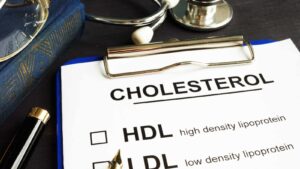
Most of the cholesterol in your body is the bad kind, called low-density lipoprotein or LDL. If you have high levels of LDL, low levels of the good kind (high-density lipoprotein or HDL), and high levels of triglycerides, you may be at risk of heart disease. Get regular cholesterol screenings to know your numbers.
Quit Vaping

The nicotine in electronic cigarettes is a dangerous stimulant that raises your heart rate and blood pressure, which increases your risk of heart attack. Quitting vaping reduces its negative effects on cardiovascular health and lowers your tendency to develop heart disease.
Sleep for at Least Seven Hours Daily

Getting a good night’s sleep is essential for overall and heart health. Lack of sleep leads to high blood pressure and increases the risk of stroke and heart attack, but if you aim for at least 7 hours of quality sleep each night, your body and heart will thank you for it by being healthy.
Limit Alcohol Consumption

Too much alcohol harms your heart by affecting the receptors in blood vessels near the heart that regulate blood pressure. If you decide to drink, limit your consumption to one drink per day if you’re a woman and no more than two drinks per day if you’re a man. Moreover, drinking in moderation can have a positive impact on your heart.
Monitor Blood Sugar Levels

Your heart needs glucose – a type of sugar – for energy to function properly. However, consistently high glucose levels can damage the nerves and vessels that regulate your heart, reducing their flexibility to expand and deliver blood to the heart and other organs of the body.
Take Supplements

Vitamins and minerals are crucial for protecting your heart. Omega-3 fatty acid supplements and vitamins C and E reduce the risk of developing heart disease. However, talk to your doctor before taking any new supplement, as some may interact negatively with your current medications.
Reduce Salt Intake

Limit sodium consumption to avoid heart disease caused by high blood pressure due to excessive salt intake. Adults should not consume more than 2,300mg daily, while individuals over 50 should stick to 1,500mg. Also, keep an eye out for hidden sources of sodium found in processed foods, and prepare fresh meals at home instead of relying on store-bought options.
Reduce Caffeine Intake

Caffeine is a stimulant that causes your heart to beat faster and harder than normal, and excessive amounts increase your blood pressure leading to a higher risk of cardiovascular disease. Limit your daily consumption to no more than 400mg, or choose decaf coffee or herbal tea as an alternative energy source when feeling sluggish.
Stay Positive

Focusing on the positive instead of worrying can help reduce stress and anxiety. Stay positive by engaging in activities that bring you joy, like spending time with friends or family or taking up a new hobby or sport.
Write in a Journal

Writing in a journal can be a helpful way to manage your emotions and improve your heart health. By recording your thoughts, feelings, and achievements, you can healthily work through challenging emotions and decrease your likelihood of developing heart disease.
Maintain a Good Bedtime Routine

A consistent bedtime routine can be beneficial for achieving higher quality and longer sleep, decreasing stress, and promoting heart health. Some habits to incorporate into a soothing nighttime routine include reading and a warm bath before bed.
Get Regular Checkups

Visit your doctor regularly to keep track of your heart health and discuss any possible risk factors. Your doctor can evaluate your chances of developing heart disease, suggest ways to improve your lifestyle, and prescribe necessary medications. This way, you can detect problems early on and take the necessary steps to maintain a healthy heart.
More From Health Makes You

Hearing loss is a serious condition that can significantly impact one’s quality of life. Unfortunately, many people are unaware of the common bad habits which can lead to hearing loss. Here are 14 bad habits that could make you deaf if left unchecked.
14 Bad Habits That Could Make You Deaf
Want to be Fit and Healthy? DON’T DO These 18 Things

Do you want to be fit and healthy? It’s time to say goodbye to habits holding you back from achieving your health goals. Here are twenty unhealthy habits to stop now and how to start the journey toward a healthier lifestyle.
Want to be Fit and Healthy? DON’T DO These 18 Things
The 20 Worst Habits That Are Destroying Your Heart

Living a healthy lifestyle is essential for maintaining a healthy heart. Unfortunately, many of us have bad habits that can harm our hearts. These unhealthy behaviors can increase the risk of developing cardiovascular diseases such as stroke and coronary artery disease.
The 20 Worst Habits That Are Destroying Your Heart
The 30 Worst Foods to Eat After 30

Eating healthily is vital at all times, but after 30, consuming certain foods can harm more than help. By avoiding these food items when you reach your thirties, you can promote lasting health and happiness for years.
The 30 Worst Foods to Eat After Age 30
You Have No Business Eating These Foods for Dinner, Unless You Just Don’t Care

Breakfast may be the most important meal of the day, but dinner is a close second. Eating a healthy and nutritious dinner can give you energy and help your body prepare for a good night of restful sleep. Some foods, however, won’t only deny you these benefits — they can create more problems. Avoid these dinner foods to keep your body in a healthy balance.
You Have No Business Eating These Foods for Dinner, Unless You Just Don’t Care
This article was produced on Health Makes You.