
Bone health starts to decline gradually after age 30. The natural process of bone loss speeds up as we grow older, especially in women during menopause. However, you can slow this down and even strengthen your bones by staying physically active in specific ways.
In this article, you’ll learn about targeted exercises that support bone strength. Each section highlights what makes the movement effective and how you can include it in your routine safely and consistently.
Weight-Bearing Exercises

Weight-bearing exercises make your bones work against gravity. These include walking, jogging, dancing, hiking, and stair climbing. They stimulate bone-forming cells, which help maintain and build bone mass.
Brisk walking for 30 minutes a day, five days a week, is an easy place to start. If you’re more active, jogging or jumping rope can provide greater benefits.
Strength Training
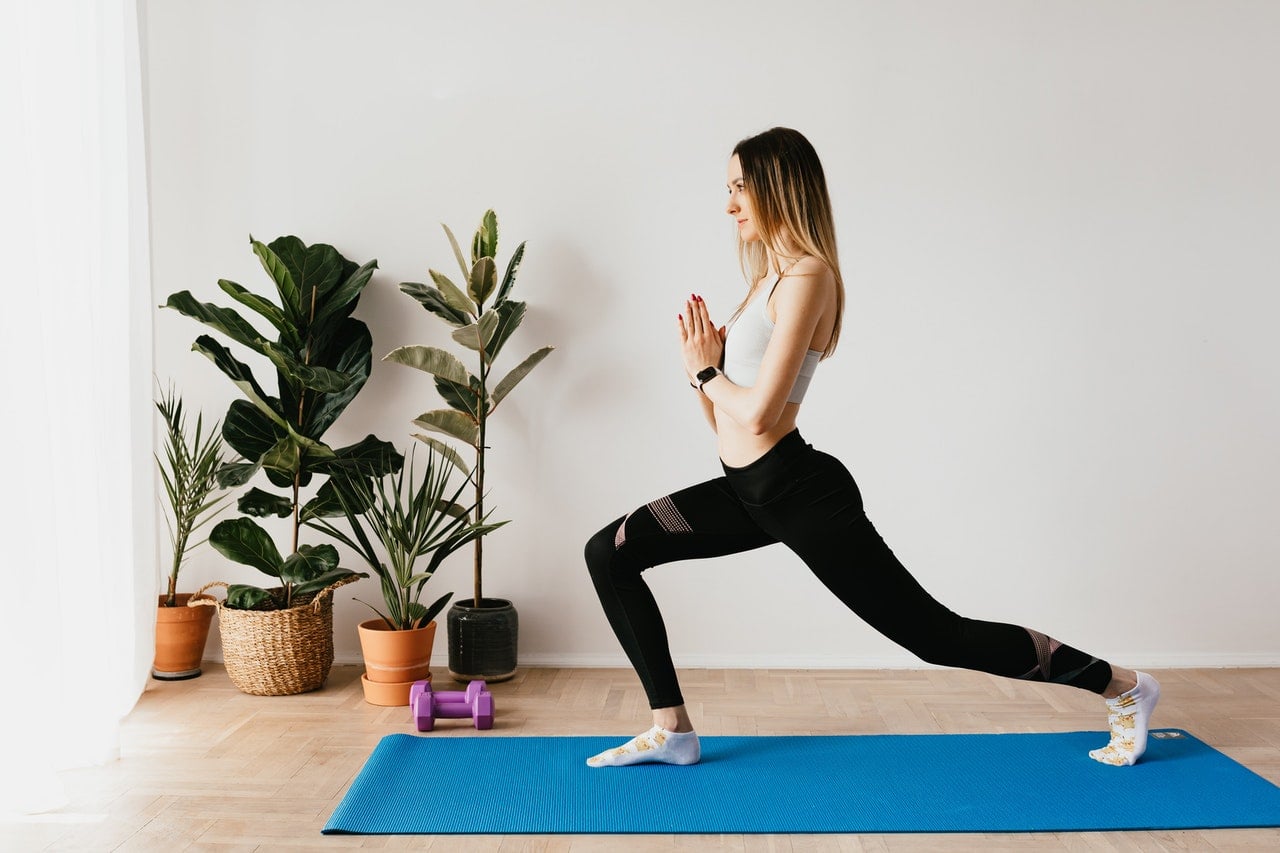
Lifting weights isn’t just for building muscle. It also helps maintain bone strength by applying stress on the bone, encouraging it to become denser over time. This is especially helpful for areas prone to fractures like the hips, spine, and wrists.
You don’t need a gym membership. Bodyweight exercises like squats, push-ups, and lunges work just as well when done regularly.
Balance Exercises

Strong bones matter, but preventing falls is just as important. Exercises that improve balance help you stay stable and avoid injuries. They also engage your core and lower body muscles.
Effective Balance Moves:
- Single-leg stands: Stand on one foot for 10–20 seconds, then switch.
- Heel-to-toe walk: Walk in a straight line placing one foot directly in front of the other.
- Tai Chi: This gentle practice improves stability and body awareness through slow, controlled movements.
Resistance Band Exercises

Resistance bands provide tension without the impact of heavy weights. They’re useful if you have joint discomfort or are recovering from injury. You can adjust the intensity by changing the band strength or range of motion.
Start with seated rows, bicep curls, and leg presses using bands. They engage both muscle and bone without putting stress on your joints.
High-Impact Moves (For Those Who Can)

If you don’t have joint pain or other limitations, adding short bursts of jumping or hopping can increase bone strength. These activities apply quick, sharp force that encourages bone remodeling.
Jump squats, box jumps, and skipping exercises can be added 2–3 times a week. Make sure you use proper form to avoid injury.
Daily Movement Matters More Than You Think

You don’t have to work out intensely every day. What counts is staying active consistently. Cleaning, gardening, walking to the store: all these daily activities load your bones naturally.
Small choices, like taking the stairs instead of the elevator or standing more often, also add up over time.
Conclusion
Exercise plays a powerful role in protecting your bones after 30. By choosing the right movements, you can slow bone loss, reduce fall risk, and stay stronger as you age.
The key is consistency and listening to your body. Start with simple movements and build your routine from there. Even small efforts make a lasting difference.