
High blood sugar often develops without clear warning signs. Many people walk around with elevated glucose levels and don’t realize it. The early symptoms may feel minor or be mistaken for daily fatigue, stress, or poor sleep. But over time, high blood sugar can affect your energy, mood, and organ function.
This article breaks down the quiet signs your blood sugar might be too high. You’ll learn what to look out for, why these symptoms matter, and what immediate steps you can take to bring your blood sugar back into a healthy range. Understanding these signs can help you act early and avoid long-term health issues.
What Is High Blood Sugar?
High blood sugar, or hyperglycemia, occurs when glucose builds up in your bloodstream. This often happens due to low insulin production or insulin resistance. It may result from poor eating habits, low activity levels, stress, or certain medications.
Even without diabetes, you can experience blood sugar spikes. Over time, high glucose levels can harm your nerves, kidneys, and heart. Recognizing early symptoms helps you take action before serious damage begins.
Common Silent Signs Of High Blood Sugar
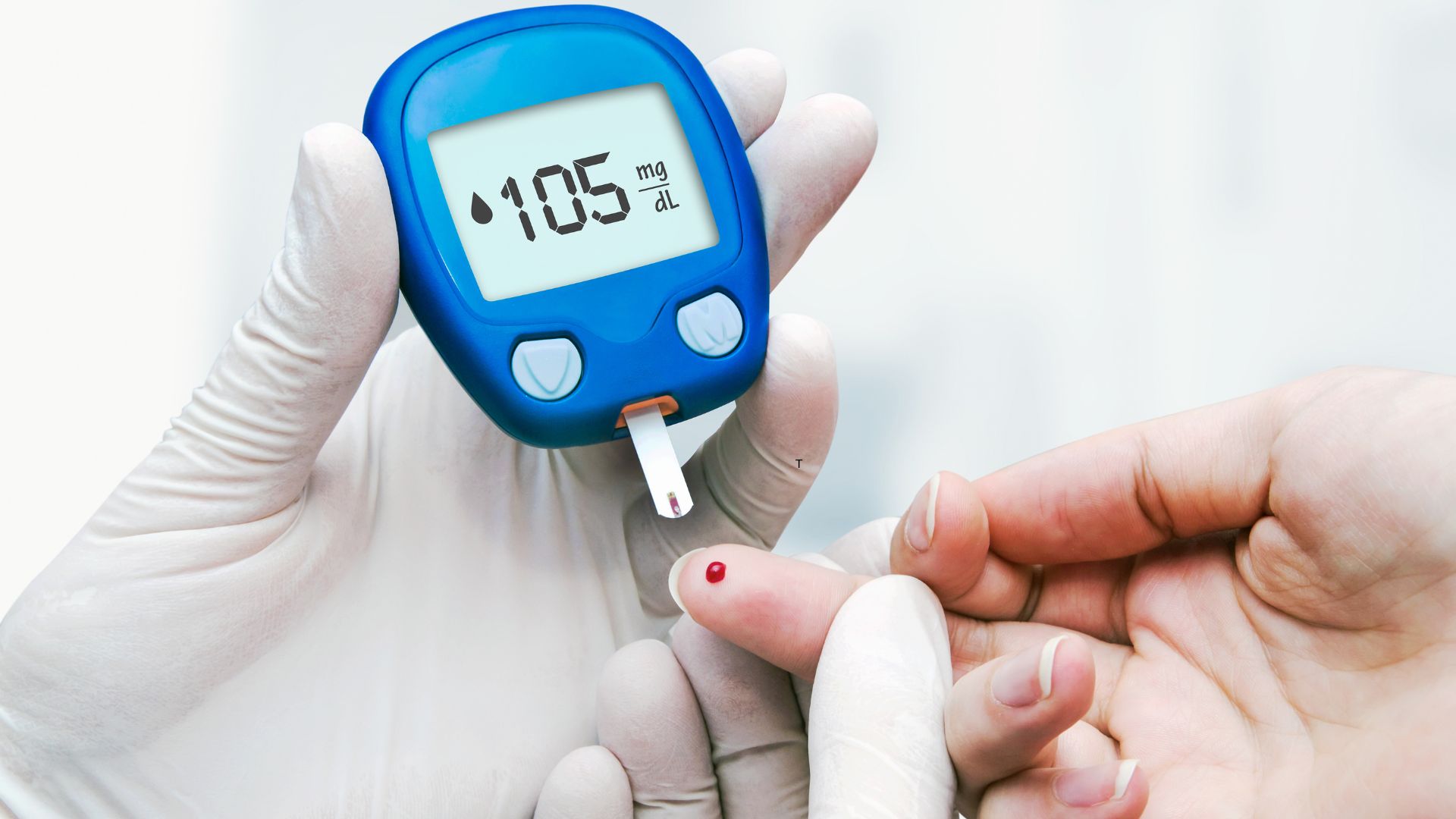
You may not feel sick right away, but your body often sends subtle signals. These signs usually develop slowly and may be easy to miss.
Watch for:
- Frequent urination, especially at night
- Feeling thirsty even after drinking water
- Dry mouth or skin
- Blurry vision that comes and goes
- Feeling tired after eating
- Unexplained weight changes
- Slow-healing cuts or infections
These symptoms suggest your body struggles to manage glucose. They often show up before blood sugar reaches dangerous levels.
How High Blood Sugar Affects Daily Life
Small changes in glucose levels can affect how you feel and perform throughout the day. Even slight elevations can reduce focus, impact sleep, and increase cravings.
You might:
- Feel irritable or moody
- Struggle to stay alert at work
- Wake up feeling unrefreshed
- Crave sugar or carbs shortly after meals
These signs can seem unrelated at first. But tracking them alongside meals or stress can help you find patterns.
What To Do Fast If Your Blood Sugar Is High

If you suspect high blood sugar, act quickly to reduce levels and avoid further spikes. Start with basic steps that support glucose control.
Take Immediate Action
You don’t need to wait for test results to make helpful changes. Begin by:
- Drinking water to help flush out excess sugar
- Taking a brisk walk for 10 to 15 minutes
- Avoiding sugary snacks and refined carbs
- Eating a meal with lean protein and fiber
- Managing stress through deep breathing or short breaks
These small steps help reduce blood sugar and stabilize your levels throughout the day.
Monitor Your Symptoms
Keep track of how your body responds. If symptoms improve after lifestyle changes, you’re on the right path. If not, it may be time to consult a healthcare provider. Regular monitoring gives you better control over your condition.
Long-Term Habits That Support Blood Sugar Balance
Fixing one high reading won’t solve the problem alone. Building steady habits will help you prevent future spikes.
Focus on:
- Eating balanced meals with protein, healthy fat, and fiber
- Avoiding sugary drinks and processed snacks
- Staying active with daily movement
- Getting enough quality sleep
- Managing stress with regular routines
Even small improvements in these areas can reduce the frequency and severity of symptoms.
When To Talk To A Professional
If you notice recurring signs or feel unwell despite changes, speak to your doctor. High blood sugar can develop into serious health problems without proper care. Early medical advice can guide you toward better long-term results.
Doctors may suggest:
- Blood tests to measure fasting glucose or A1C levels
- Nutrition counseling
- Medications if needed
- Regular follow-ups for tracking progress
Don’t wait until symptoms worsen. Timely action can protect your health and help you feel better each day.
Final Thoughts
High blood sugar often shows up through quiet, everyday symptoms. Fatigue, thirst, and frequent urination can signal your body isn’t processing glucose well. Recognizing these signs early helps you avoid long-term complications.
Simple actions like walking, hydrating, and adjusting meals can lower blood sugar quickly. Long-term habits offer more lasting control. If symptoms persist, talk to a professional for support. Early attention leads to better outcomes.