
Protein is vital for building muscle mass, repairing tissues, and ensuring proper immune function, but a well-balanced diet is the cornerstone of good health. Consuming protein in excessive amounts can have harmful effects on your body. This article highlights the risks and negative impacts of protein overconsumption.
Increased Risk of Kidney Damage

Overeating protein can put a strain on your kidneys. This strain is caused because the breakdown products of protein, like urea and ammonia, must be filtered out by the kidneys. When you consume high amounts of protein, your kidneys must work harder to eliminate these waste products.
Weight Gain

While protein is essential for building muscle mass, too much can increase body fat. This increase is because your body will store excess calories from protein as fat if not used for energy or muscle building. Also, many high-protein foods are high in calories and can contribute to weight gain if consumed excessively.
May Cause Dehydration

Protein requires more water for digestion compared to carbohydrates and fats. When you eat a high-protein diet, your body naturally needs more water to break down and metabolize the protein. If you don’t drink enough water, you may become dehydrated.
Nutrient Deficiencies

Overeating protein can lead to a reduction in the consumption of other essential nutrients. When your diet primarily focuses on protein, it’s easy to overlook foods that provide crucial vitamins, minerals, and fiber. These deficiencies can seriously affect your health and lead to issues like anemia, osteoporosis, and digestive problems.
Increased Risk of Heart Disease

A diet high in protein, especially from animal sources, can significantly increase your risk of heart disease. A high protein intake is associated with elevated LDL cholesterol levels, known as the “bad” form of cholesterol. This increase in LDL cholesterol can clog arteries and lead to cardiovascular issues.
Risk of Gout

Gout is a form of arthritis that occurs when uric acid accumulates in the joints, resulting in inflammation and pain. This condition is often triggered by the excessive consumption of protein, particularly from animal sources, which stimulates the body’s production of uric acid.
Bad Breath

When your body digests protein, it breaks it down into amino acids. As a result of this process, ammonia is produced as a byproduct. Ammonia, which has a strong and pungent smell, can be released through your mouth, leading to the unpleasant phenomenon of bad breath.
Increased Cancer Risk

Excessive protein consumption, particularly from animal sources, may increase some cancer types’ likelihood. Studies have connected a high-protein diet to an increased risk of colon and prostate cancer due to the protein digestion process, which generates compounds capable of DNA damage and mutation induction.
Imbalance of Gut Bacteria

A diet high in protein can alter the balance of bacteria in your gut. The digestion of protein produces gases such as hydrogen sulfide and ammonia, which can be toxic to beneficial bacteria in your gut. This imbalance can lead to digestive issues, inflammation, and a weakened immune system.
Liver Problems

Protein metabolism generates ammonia as a byproduct, which is then converted into urea and excreted through the kidneys. When excess protein is in the body, ammonia levels can rise, putting a strain on the liver to convert it into urea. Over time, this can lead to liver damage and dysfunction.
Difficulty Maintaining Ketosis
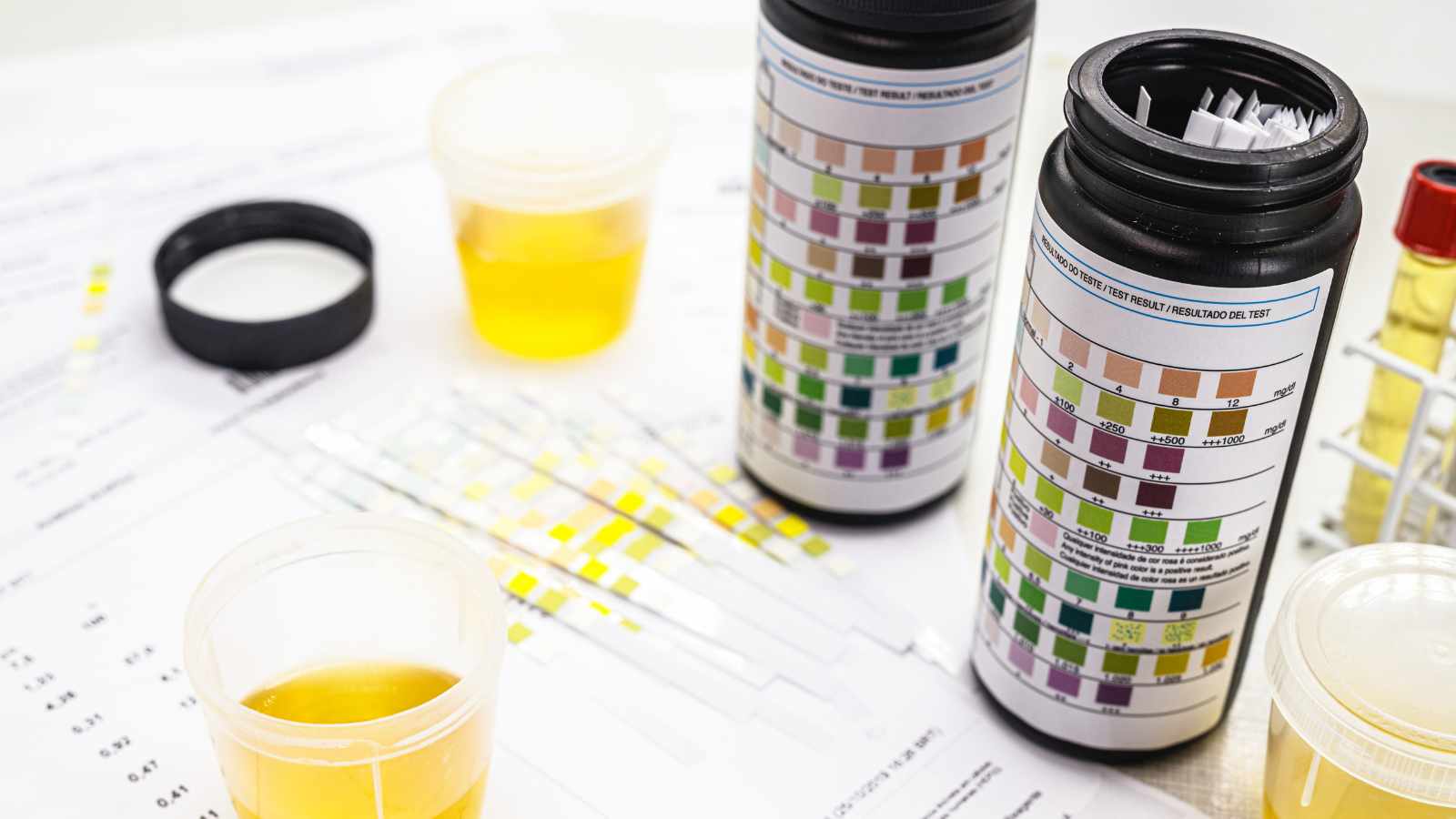
Following a high-protein diet may appeal to people looking to lose weight or follow a ketogenic diet. However, consuming too much protein can make achieving and maintaining ketosis challenging because the excess protein can be converted into glucose, preventing the body from entering a state of ketosis.
Negative Impact on Bone Health

A high-protein diet can adversely affect bone health, especially if it lacks adequate calcium and other essential nutrients. Protein breakdown releases acids into the bloodstream that must be neutralized with calcium, which can lead to calcium loss from your bones and increase the risk of osteoporosis.
Seizures
People with epilepsy or other seizure disorders may be at risk for increased seizures if they consume too much protein. When protein is digested, it produces ammonia, which can result in a chemical imbalance in the brain and potentially trigger seizures.
More From Health Makes You

Hearing loss is a serious condition that can significantly impact one’s quality of life. Unfortunately, many people are unaware of the common bad habits which can lead to hearing loss. Here are 14 bad habits that could make you deaf if left unchecked.
14 Bad Habits That Could Make You Deaf
10 “Good” Habits That Are Actually Bad for You

Some healthy activities may seem like good ideas, but they are actually bad for your health. It sounds counterintuitive, but these habits can put your body at risk. Here are ten good habits that can have negative consequences if practiced too often or intensely.
10 “Good” Habits That Are Actually Bad for You
Want to Live a Long Life? DON’T DO These 20 Things

Do you want to live a long and healthy life? Then you should avoid doing certain things. Research shows that some habits, behaviors, and activities can harm your health. Here are the top 20 worst things you can do for your health.
Want to Live a Long Life? DON’T DO These 20 Things
The 30 Worst Foods to Eat After Age 30

Eating healthily is vital at all times, but after 30, consuming certain foods can harm more than help. By avoiding these food items when you reach your thirties, you can promote lasting health and happiness for years.
The 30 Worst Foods to Eat After Age 30
20 Bad Habits That Could Make You Blind

Staring at a screen (phone, laptop) has become a common habit that seems harmless, but over time it can cause severe damage to your eyes. That’s just one of the habits that can damage your eyesight. Here’s more:
20 Bad Habits That Could Make You Blind
This article was produced on Health Makes You.