
When feeling under the weather, some people do everything possible to hasten their recovery. As much as we all want to feel better quickly, there are some actions and habits, although seemingly harmless, that can be counterproductive to your healing process.
We have highlighted 20 things never to do when you feel sick to ensure you don’t inadvertently prolong your recovery.
Ignoring Symptoms

Ignoring symptoms when feeling sick is a common mistake people make. Sometimes, you are caught up in your daily routines and responsibilities, putting your health on the back burner. When you feel sick, paying attention to your body and any warning signs it may give you is vital.
Skipping Meals

When you feel sick, your body is weakened, and skipping meals can worsen the situation. Eating healthy and nutritious foods helps boost your immune system, giving it the necessary nutrients to fight off illness. Proper nutrition is crucial for recovery.
Overexerting Yourself

Many believe pushing themselves to work and being active when sick can help them feel better. However, overexertion can weaken your immune system, making you more susceptible to other illnesses. Give your body the rest it needs to fight off infection and recover.
Self-Diagnosing
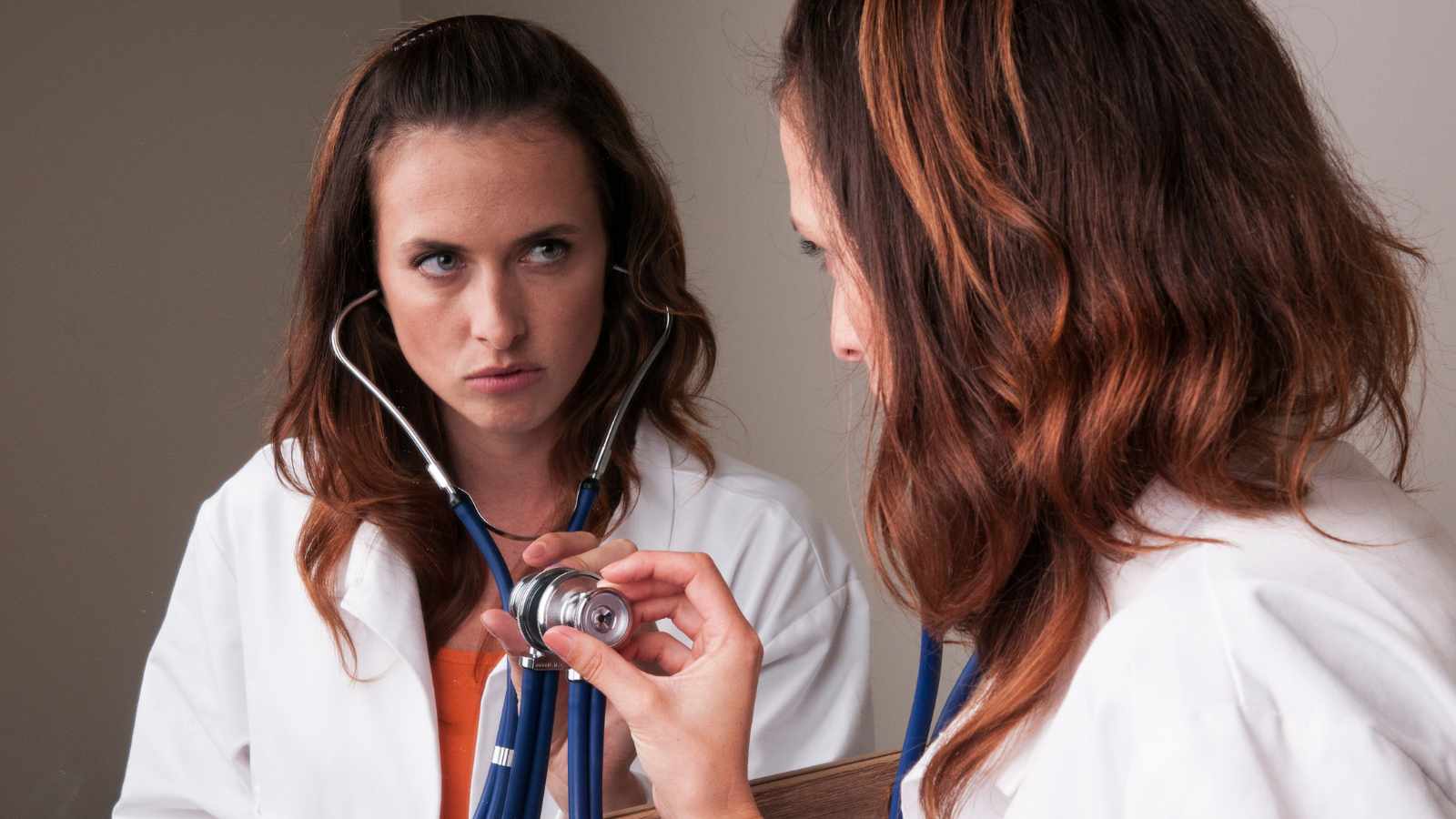
The internet can be a valuable source of information, but it’s not a means to get an accurate diagnosis and proper treatment. Self-diagnosing can lead to incorrect assumptions about your condition and delay necessary medical care. Consult a doctor for a precise diagnosis and treatment plan.
Consuming Caffeine

Caffeine, a stimulant in beverages like coffee and energy drinks, can cause dehydration, disrupt sleep patterns, and even impact your body’s immune response, making it more challenging to fight off illnesses. When you’re under the weather, steer clear of caffeine and opt for soothing herbal teas or decaffeinated alternatives that won’t interfere with your recovery process.
Drinking Alcohol

Alcohol can dehydrate the body and compromise the immune system’s ability to fight off infection. It can also interact with medications and worsen some symptoms. Avoid alcohol when you’re sick to avoid complicating your illness further.
Vaping

Vaping can irritate the respiratory system, making it harder for your body to heal from a cough, cold, or other respiratory illnesses. Nicotine in these devices can also suppress your immune system’s response to infection. If you feel sick, stay away from vaping until you’ve fully recovered.
Ignoring Hygiene Practices
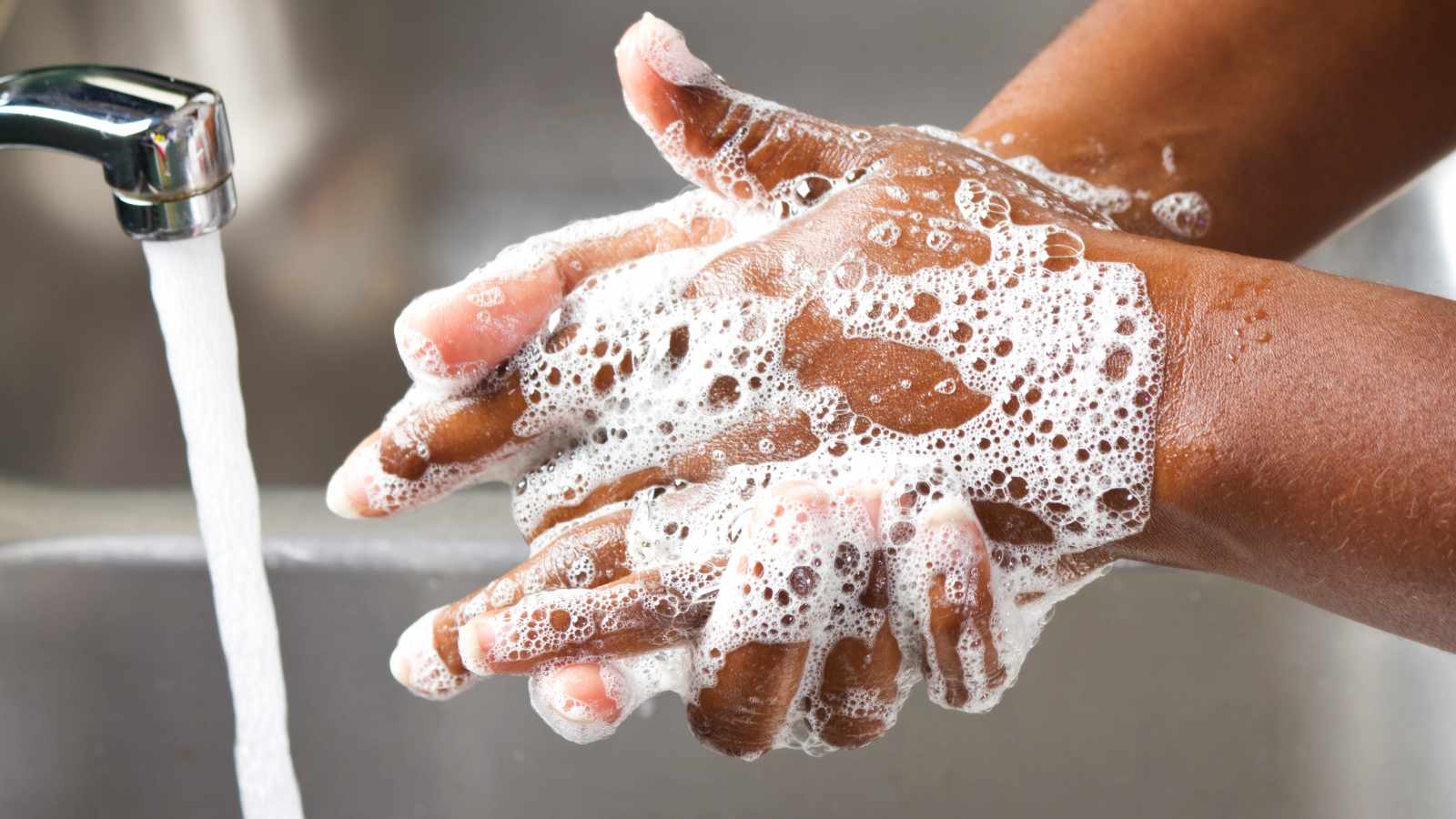
When you’re sick, it’s even more critical to practice good hygiene to prevent spreading germs and avoid getting others sick. Wash your hands frequently with soap and water, cover your mouth when coughing or sneezing, and disinfect commonly touched surfaces regularly.
Relying Solely on Medication

Medication can be beneficial in relieving symptoms, but it does not directly target the root cause of your illness. In addition to drugs, prioritize ample rest and provide your body with the necessary nutrients to support its natural healing process.
Avoiding Sleep

When your body fights off an infection, it requires ample rest to recover and regain strength fully. Insufficient rest can compromise your immune system and prolong the duration of your illness. Prioritize getting sufficient, high-quality sleep to support your body’s healing process and facilitate a speedy recovery.
Neglecting Mental Health

Feeling sick can take a toll on your mental health, causing feelings of stress, anxiety, and depression. Take care of your mental well-being by practicing relaxation techniques, talking to loved ones, or seeking professional help.
Consuming Sugary Foods

Sugar can suppress your immune system’s response, making it harder for your body to fight infections. Avoid consuming sugary foods, including candies and processed snacks, when feeling sick. Opt for nourishing, whole foods to support your body’s recovery.
Ignoring Temperature Changes

Your body may have difficulty regulating temperature when sick, making you more sensitive to hot or cold temperatures. Keep your room comfortable and dress appropriately for the weather to prevent further discomfort.
Ignoring Doctor’s Orders

If a healthcare professional provides instructions or prescribes medication, follow their advice diligently. They possess the expertise and knowledge required to ensure your well-being and recovery. By adhering to their guidance, you can optimize the effectiveness of the treatment and promote a speedy and successful healing process.
Excessive Screen Time

The temptation to stay in bed and indulge in endless phone scrolling or TV binge-watching might be strong when you are ill. Prolonged screen time can strain your eyes and disrupt sleep, hindering crucial recovery. Instead, limit screen exposure and embrace activities that will help you relax.
Skipping Vaccinations
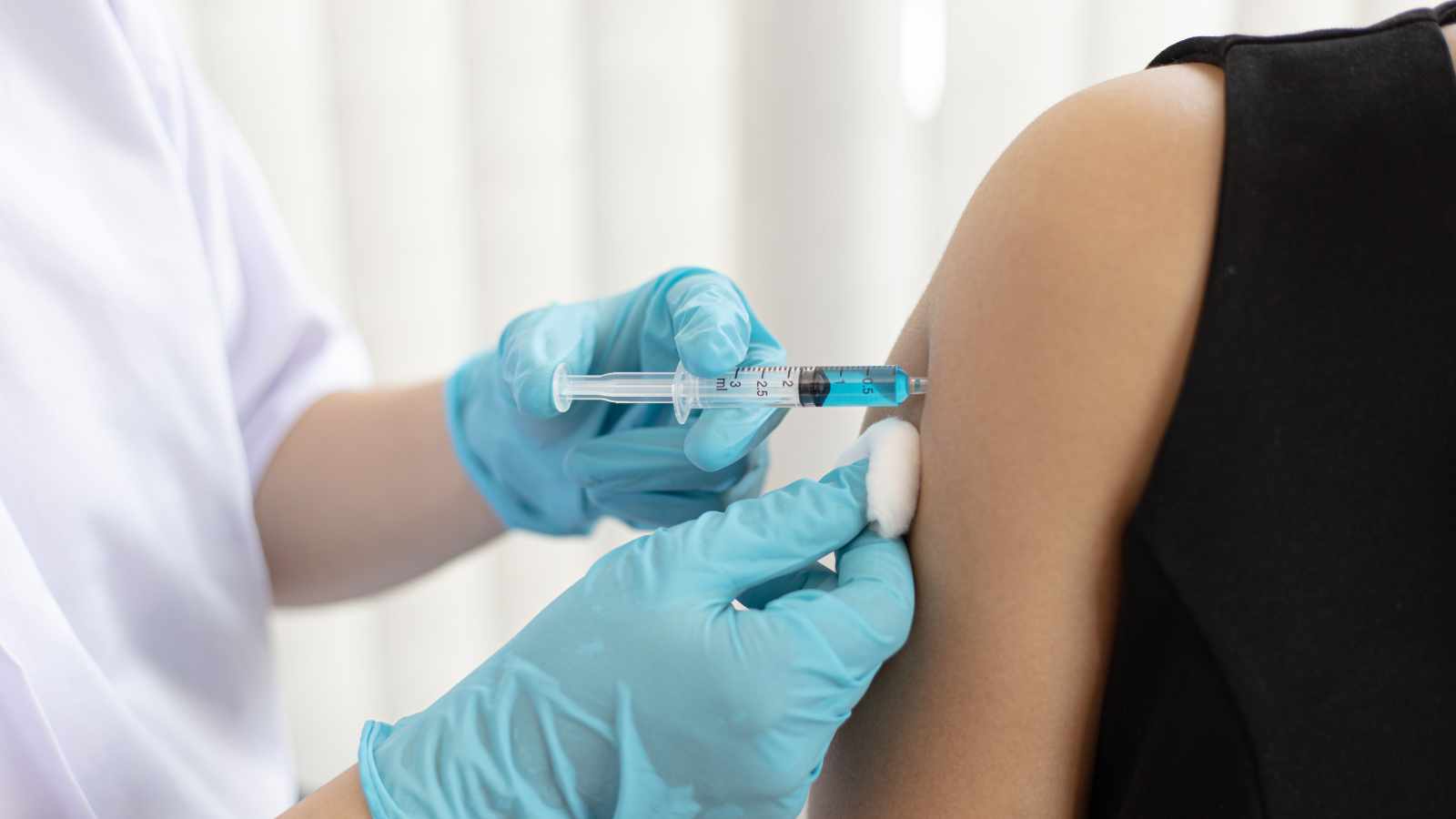
Keeping up with vaccinations can prevent some illnesses or reduce their severity. When sick, your immune system is weakened, and you may be more susceptible to infections. Prioritize staying up-to-date with vaccinations to protect yourself and those around you.
Ignoring Fluid Intake
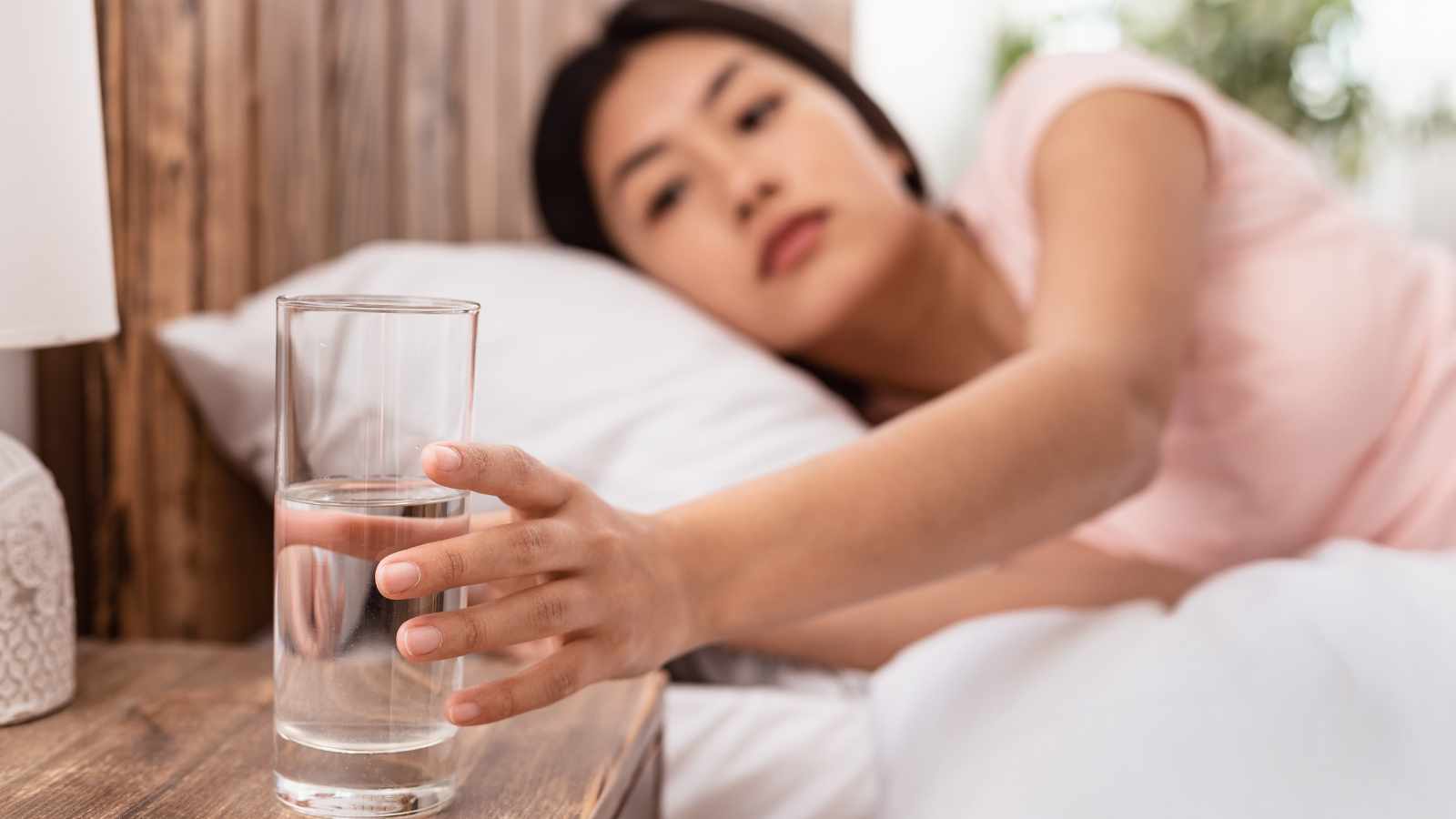
Dehydration can exacerbate symptoms. Ensure you’re consistently hydrated with water, herbal teas, or broths. If you have a fever or are vomiting, you may need to drink more fluids to replace lost electrolytes and prevent dehydration.
Neglecting Humidification
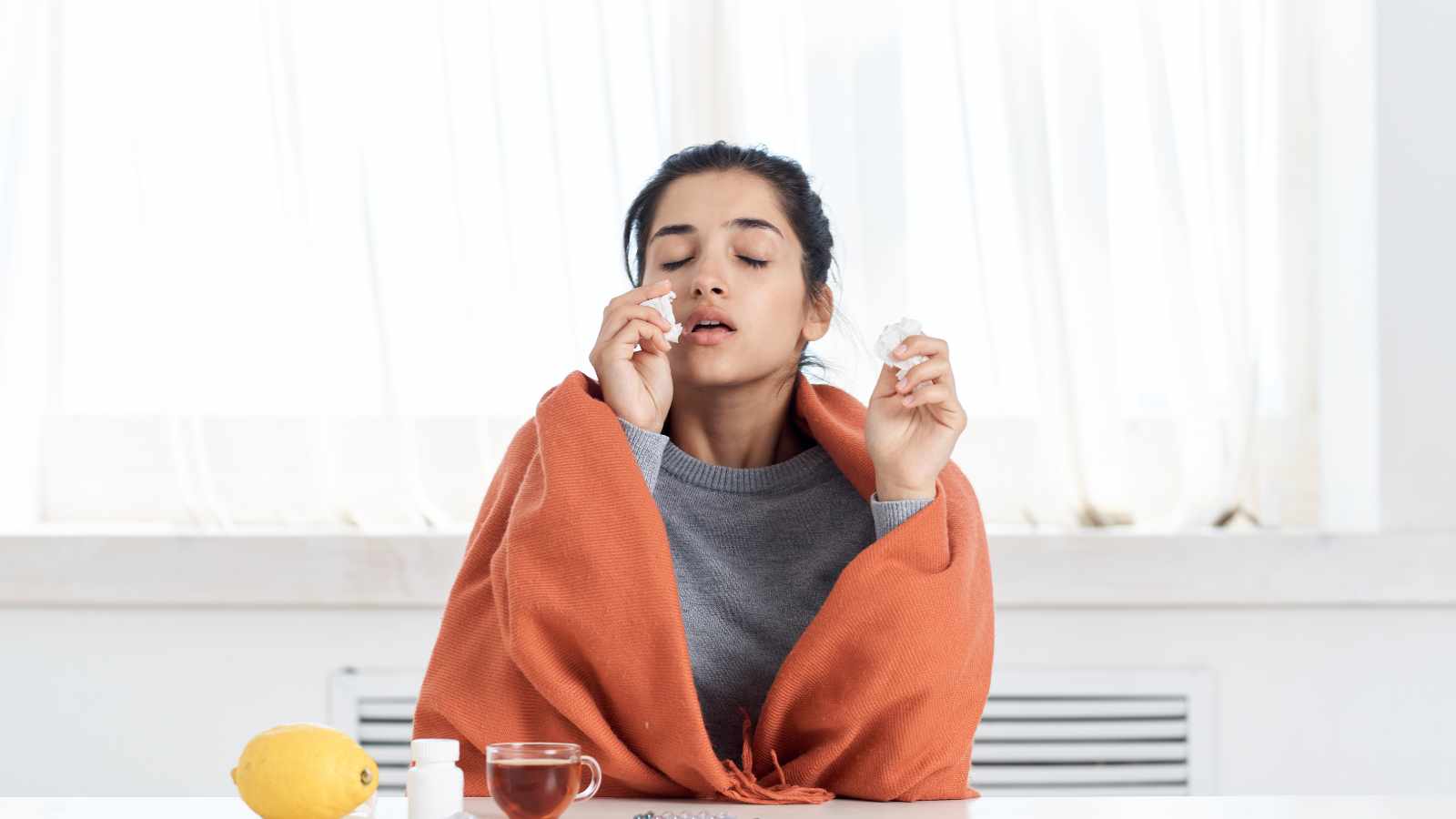
Using a humidifier can alleviate respiratory symptoms by adding moisture to the air. Dry air can irritate the sinuses and throat, making breathing harder for a sick person. Use a humidifier in your bedroom to create a more comfortable environment for rest and recovery.
Ignoring Allergies

If you are experiencing symptoms, consider the impact of allergies, as they can exacerbate your condition. Identifying and effectively managing any allergies will help alleviate discomfort and improve recovery.
Ignoring Contagion Risk
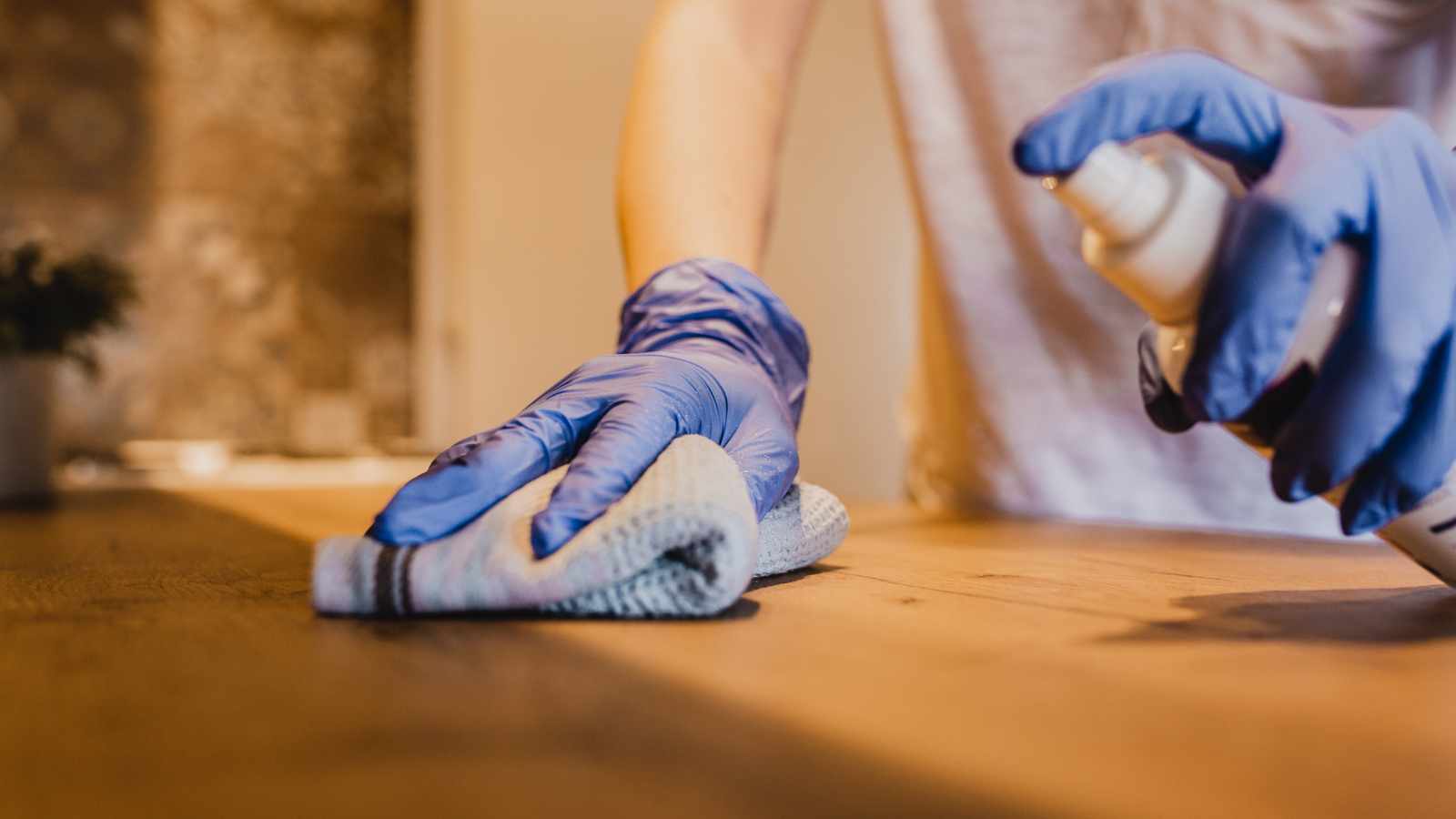
Take precautions to prevent the spread of your illness to others. Avoid close contact with people and wear a mask in public to reduce the risk of transmission. Also, disinfect surfaces frequently to minimize germs’ spread.
Avoiding Follow-up Care

Even after recovering from an illness, following up with your doctor if symptoms persist or worsen is crucial. They can provide additional treatment recommendations and ensure that you have fully recovered. Neglecting follow-up care can result in a relapse or complications.
More From Health Makes You

Hearing loss is a serious condition that can significantly impact one’s quality of life. Unfortunately, many people are unaware of the common bad habits which can lead to hearing loss. Here are 14 bad habits that could make you deaf if left unchecked.
14 Bad Habits That Could Make You Deaf
10 “Good” Habits That Are Actually Bad for You

Some healthy activities may seem like good ideas, but they are actually bad for your health. It sounds counterintuitive, but these habits can put your body at risk. Here are ten good habits that can have negative consequences if practiced too often or intensely.
10 “Good” Habits That Are Actually Bad for You
Want to Live a Long Life? Don’t Do These 20 Things

Do you want to live a long and healthy life? Then you should avoid doing certain things. Research shows that some habits, behaviors, and activities can harm your health. Here are the top 20 worst things you can do for your health.
Want to Live a Long Life? DON’T DO These 20 Things
The 30 Worst Foods to Eat After Age 30

Eating healthily is vital at all times, but after 30, consuming certain foods can harm more than help. By avoiding these food items when you reach your thirties, you can promote lasting health and happiness for years.
The 30 Worst Foods to Eat After Age 30
20 Bad Habits That Could Make You Blind

Staring at a screen (phone, laptop) has become a common habit that seems harmless, but over time it can cause severe damage to your eyes. That’s just one of the habits that can damage your eyesight. Here’s more:
20 Bad Habits That Could Make You Blind
This article was produced on Health Makes You.