
Losing weight and keeping it off can feel like an uphill battle, especially with the plethora of dieting trends and conflicting information available. However, sustainable weight loss is achievable through healthy eating habits, regular physical activity, and a positive mindset. We’ve gathered practical, sustainable strategies to help you establish healthy habits and achieve weight loss goals.
Eat More Protein
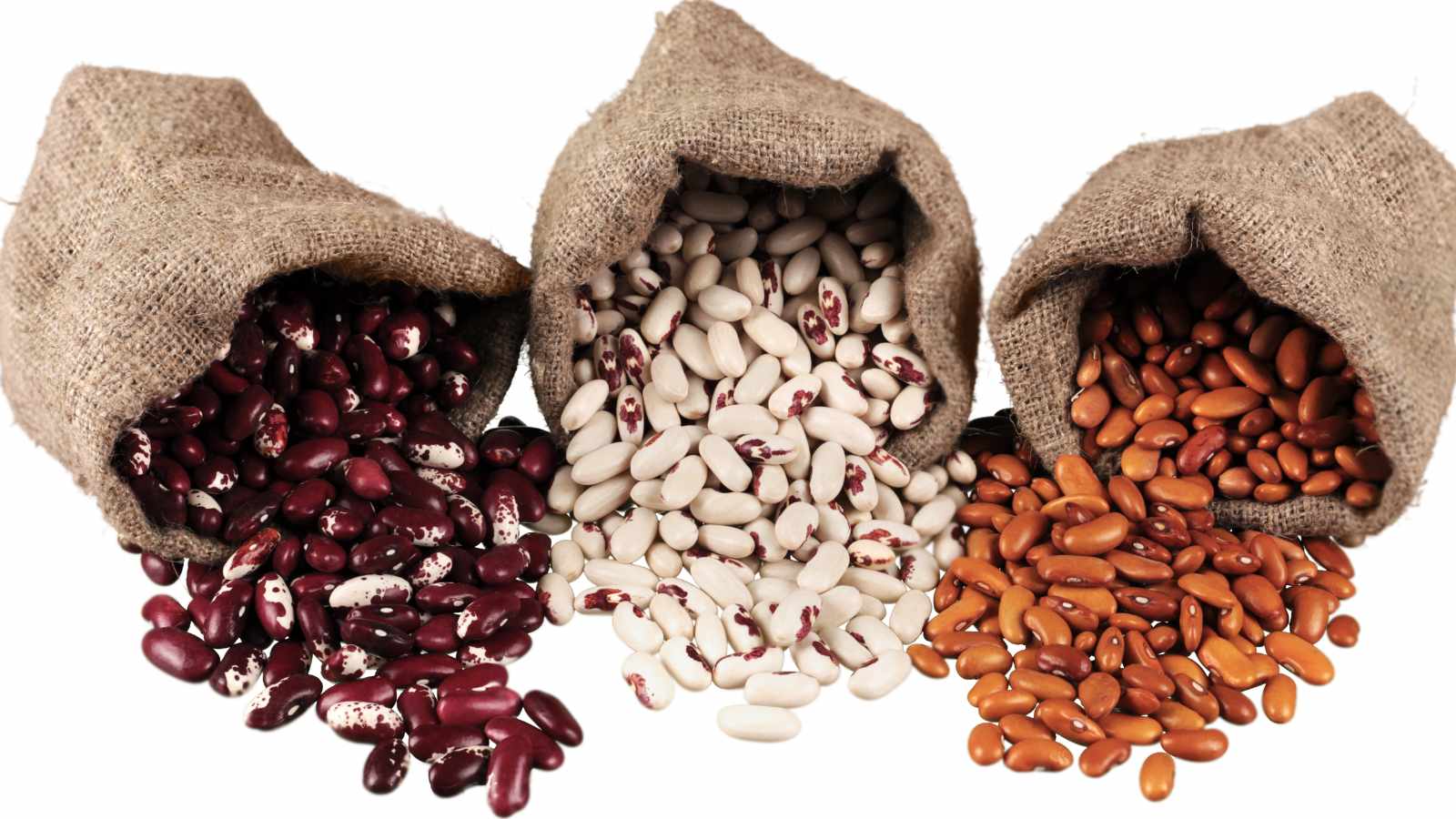
Protein is an essential macronutrient for weight loss and overall health. It helps keep you full, reduces cravings and snacking between meals, boosts your metabolism, and preserves muscle mass during weight loss. Add lean proteins like fish, poultry, beans, nuts, seeds, or tofu to your meals.
Drink More Water
Staying hydrated helps reduce bloating while also curbing appetite and keeping you fuller. Aim to drink eight glasses of water daily or more if you’re exercising regularly. Hydration also boosts metabolism, keeps your skin healthy, and flushes out toxins. You can also add electrolytes to your water for an additional boost.
Get Enough Sleep

Getting enough quality sleep is one of the most essential elements of a healthy lifestyle. Lack of sleep interferes with hormones, causing you to eat more throughout the day or snack on unhealthy foods. Plan a relaxing evening routine that helps you wind down from the day, ensuring at least 7 hours of sleep each night.
Track Your Progress
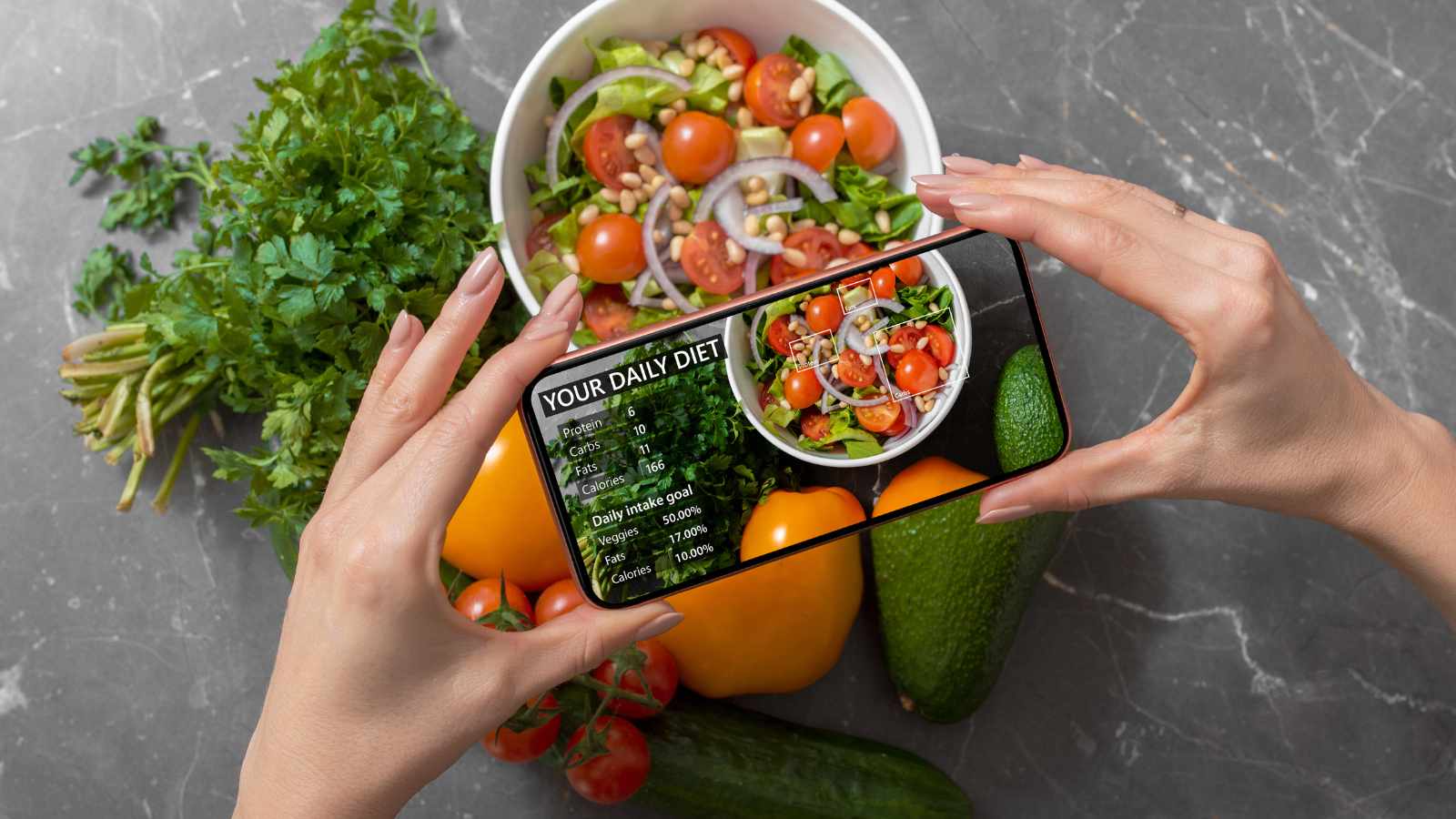
Tracking your progress helps you stay accountable, motivated, and encouraged. You can track your progress by taking weekly photos or measurements, noting how your clothes fit, and logging food intake in a journal. Reviewing the data will give you insight into what’s working and needs to be adjusted.
Keep Healthy Food on Hand

Having healthy snacks easily accessible prevents you from mindlessly snacking on unhealthy options. Stock on healthy foods like fruits, vegetables, nuts, seeds, cheeses, yogurt, and hummus; this way, you have something to grab when hunger strikes that won’t derail your diet.
Avoid Unhealthy Foods

Eliminating or avoiding processed foods, refined sugars and carbohydrates, fried foods, sugary drinks, alcohol, and other unhealthy options is vital to achieving long-term success with weight loss. Eating unprocessed whole foods is the best way to get all the nutrients you need while maintaining a healthy diet.
Eat More Iron Rich Foods
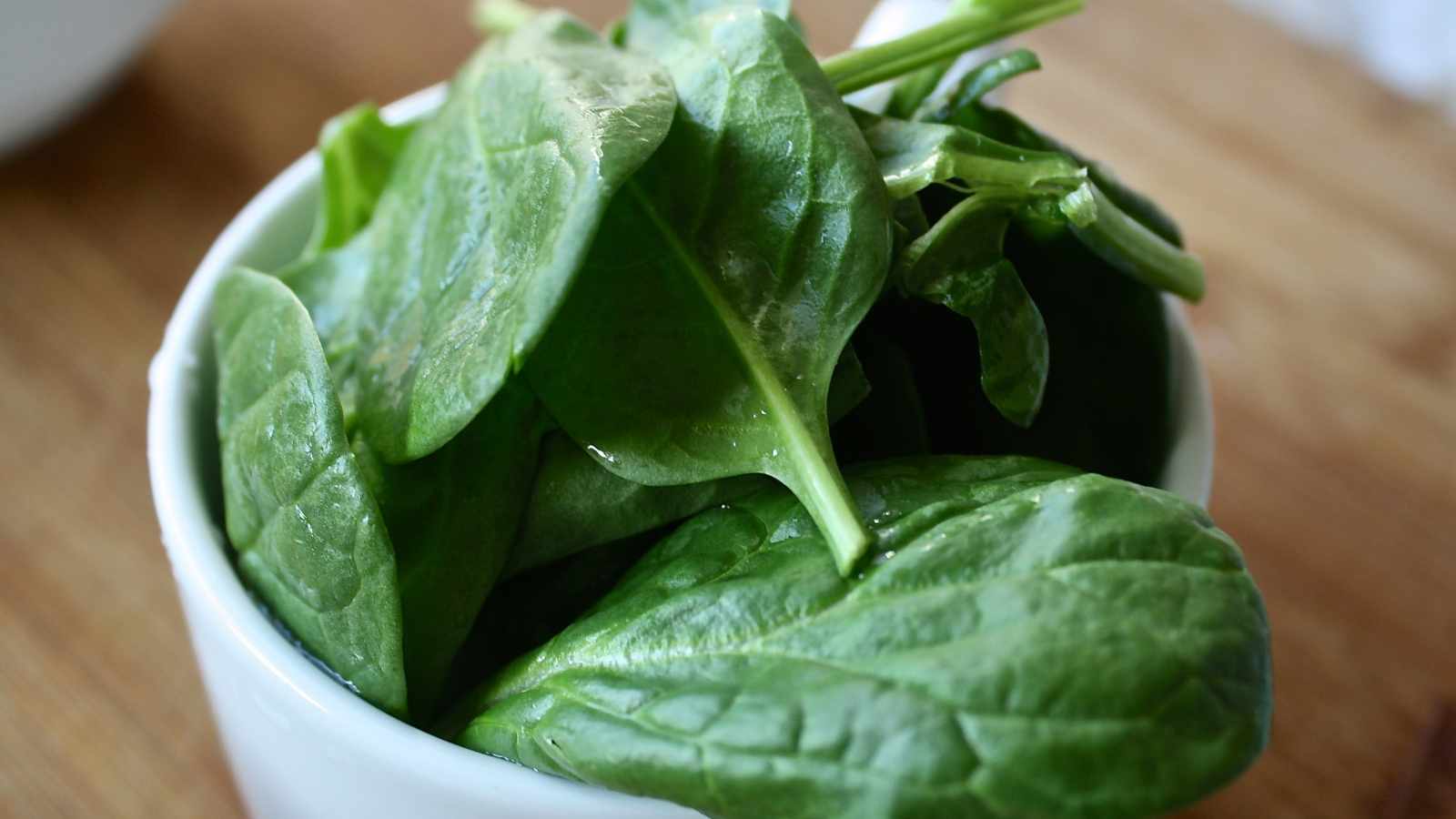
Iron-rich foods like leafy green vegetables, beans, red meats, and fortified cereals help prevent iron deficiency anemia caused by a lack of energy. Eating iron-rich foods improves energy levels, boosts immunity, and promotes overall health, especially when exercising regularly.
Meal Prep Ahead of Time

Meal prepping is a great way to stick to a diet. Meal prepping also helps you save time and money, eliminating the need to buy meals or order takeout. Cook healthy meals in bulk at the beginning of the week, so you have something easy and nutritious to turn to when hunger strikes.
Portion Control

Portion control helps you know how much food is enough to meet your nutrient needs without overdoing it. Use smaller plates for meals and snacks, and be mindful of your eating amount. For most people, portion size should be about the size of one’s palm or a deck of cards.
Cook Your Meals

Preparing your meals grants you complete control over the ingredients in your food. Select fresh, wholesome components, try out new recipes, and experiment with spices to create flavorful dishes that you can enjoy while staying healthy.
Cut Back on Alcohol

Alcohol hinders weight loss as it contains empty calories with no nutritional value. It can interfere with your sleep patterns, impacting metabolism and exercise performance. Cut back on the amount of alcohol you drink or eliminate it to boost your weight loss goals.
Eat Slowly

Eating slowly is a simple but effective strategy for weight management. When you eat quickly, your body doesn’t have the time to process the fullness signals, which can lead to overeating. Conversely, taking the time to savor and enjoy your food enhances the dining experience and makes you feel satiated and eat fewer calories during a meal.
Limit Salt Intake

Excessive salt intake can cause water retention, leading to bloating and a temporary increase in weight. Also, high-sodium foods are calorie-dense processed foods, contributing to weight gain. Limiting your salt intake can reduce water retention and bloating, increasing the likelihood of weight loss.
Exercise Regularly

Regular physical activity exercise is essential to any successful weight loss plan. Combining strength training and cardiovascular exercise will help you shed fat while building muscle mass for toning. Start with at least 30 minutes of exercise a few days a week and work your way up as you become more comfortable.
Get Moving During the Day

In addition to exercise, make an effort to move during the day. Take regular breaks from sitting, go for walks or bike rides, take stairs instead of elevators, park further away from your destination, or stand while working. All these tactics will help you stay active throughout the day and burn more calories.
Manage Stress

Chronic stress leads to emotional eating, which in turn causes weight gain. Identifying and dealing with stress sources is essential to any weight loss journey. Try relaxation techniques like yoga, meditation, massage, and deep breathing exercises to reduce stress.
Try Intermittent Fasting

Intermittent fasting is an eating pattern where you cycle between periods of eating and fasting. This type of fasting improves blood sugar levels and increases metabolic rate, helping you lose weight. Before starting, talk to your doctor to determine if intermittent fasting is safe.
Celebrate Small Wins

Losing weight takes time, so acknowledge and celebrate your small victories and progress. Whether it’s a 5-pound difference or finally fitting into those jeans again, embracing and commemorating these successes will serve as a source of motivation to keep going.
Don’t Skip Breakfast
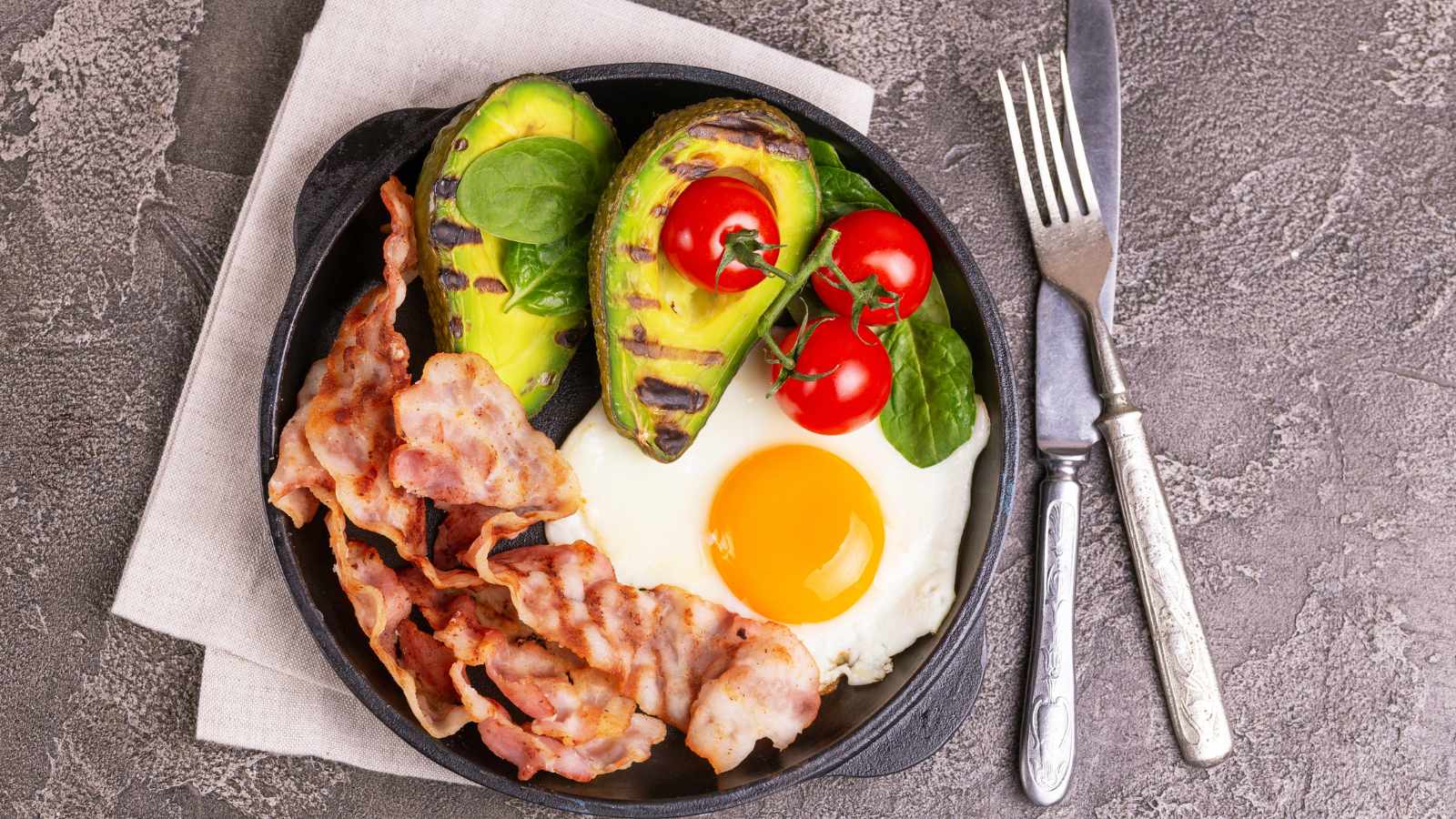
Starting the day with a healthy breakfast helps jumpstart your metabolism and provides you with energy to power through the morning. Eat nutrient-dense foods like oatmeal, avocado toast, smoothies, and eggs. These options will help satisfy hunger throughout the day and support weight loss goals.
Brush Your Teeth After Meals

Brushing your teeth after meals is a simple yet effective method for controlling portions. The minty taste of toothpaste can stop you from wanting to snack and keep your mouth feeling clean. Plus, the extra time spent brushing allows your brain to process fullness signals so you don’t overindulge.
More From Health Makes You
15 Best Dinner Foods that Can Help You Reach Your Weight Loss Goals

Eating the right foods can help you shed those extra pounds. The key is to ensure that the food you eat is packed with nutrients and low in calories, and we’ve compiled this list of the best dinner foods for weight loss.
15 Best Dinner Foods that Can Help You Reach Your Weight Loss Goals
20 Reasons You Are Just Not Losing Weight Despite Your Best Efforts

Despite spending countless hours at the gym and following strict diets, you may still struggle to shed those extra pounds. What could be the reason? Here are 20 possible explanations why weight loss may happen slower than expected.
20 Reasons You Are Just Not Losing Weight Despite Your Best Efforts
15 Things Doctors Wish You Knew About Losing Weight

One major factor that stops people from seeing desired changes in their weight loss journey, despite their healthy lifestyle choices, is following outdated advice or making wrong choices. Here are 15 things that doctors wish you knew about losing weight.
15 Things Doctors Wish You Knew About Losing Weight
8 Weight Loss Secrets You’ve Never Heard Before

This article sheds light on some unfamiliar, lesser-known weight loss advice you may not have encountered before. They are quite unusual, but they could be the key to reaching your ideal weight.
8 Weight Loss Secrets You’ve Never Heard Before
This article was produced on Health Makes You.