
The low-carb and ketogenic diet boom has made “zero carb” a buzzword. Everywhere you turn, you’re promised guilt-free indulgence: zero-carb bread, zero-carb noodles, zero-carb everything.
But here’s the uncomfortable truth: many of these so-called zero-carb foods are anything but. And if you’re serious about fat loss, blood sugar control, or ketosis, falling for these marketing traps could stall your results, or worse, cause long-term metabolic issues.
In this article, we’ll break down why certain “zero carb” foods are fake, what’s really inside them, and how they’re sabotaging your progress. This is the food label deep-dive no one tells you about, but everyone on a low-carb lifestyle needs to read.
1. Sugar-Free Syrups
Those glistening “sugar-free” syrups: whether maple, chocolate, or caramel, might boast zero grams of sugar, but take a closer look. They’re often made with maltitol or sorbitol, sugar alcohols that have a glycemic index of 35–52, nearly as high as table sugar (GI of 65).
Maltitol doesn’t just raise your blood sugar; it can cause gas, bloating, and diarrhea, especially in people sensitive to sugar alcohols. That’s not the digestive cleanse you were going for.
Better alternative: Choose syrups sweetened with erythritol, monk fruit, or stevia, all of which have a negligible glycemic impact.
2. “Zero Carb” Bread and Tortillas
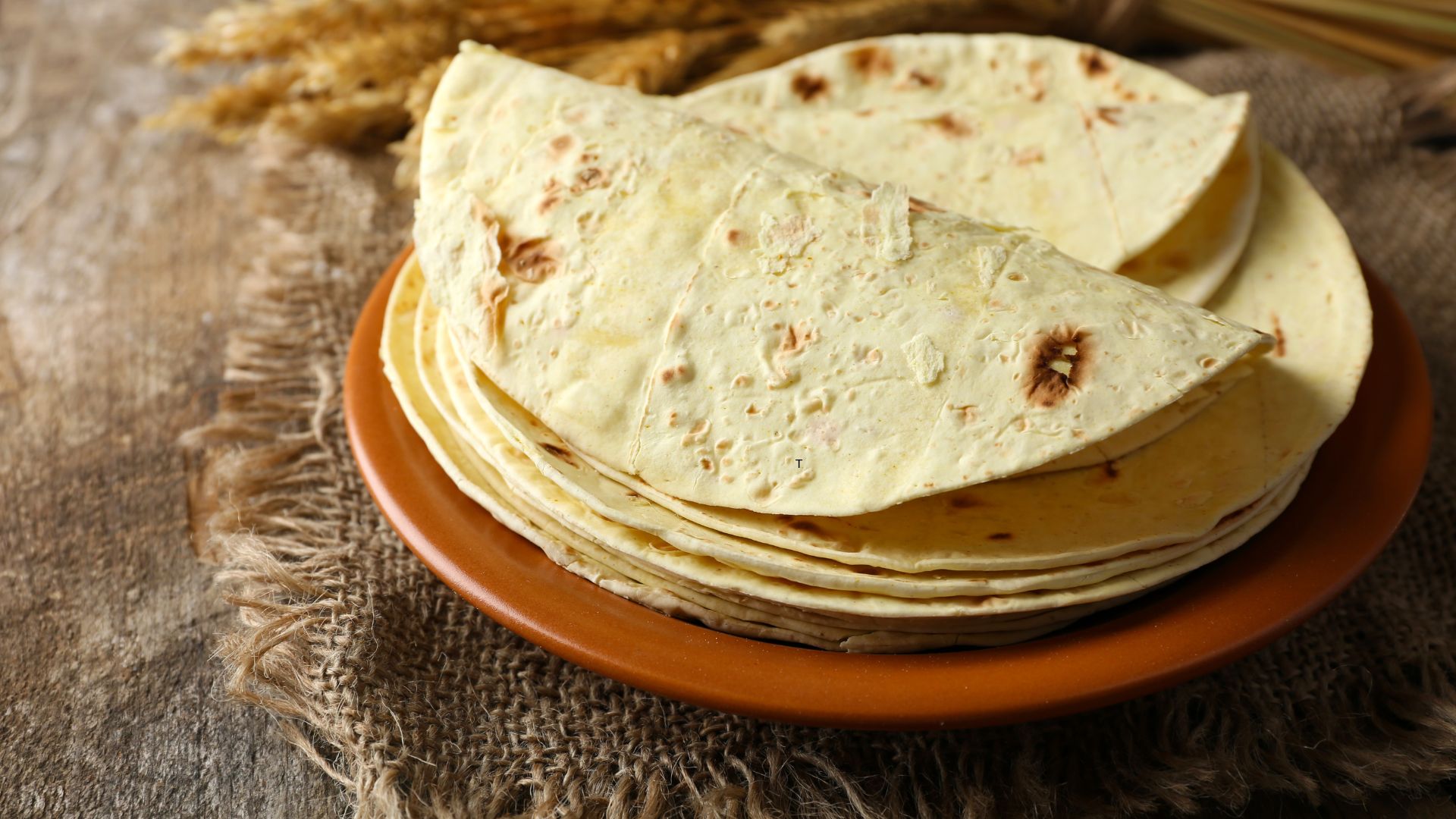
It sounds miraculous: bread with no carbs. However, most of these products contain modified wheat starch, oat fiber, and soybean oil, which can cause insulin spikes even if the net carbs are low. While they technically contain few digestible carbohydrates, these “zero net carb” foods still elicit a metabolic response in many people.
Modified starch is particularly insidious: it behaves like a carb but doesn’t always show up as one in testing. And ingredients like vital wheat gluten can still cause inflammation or digestive issues, especially if you’re gluten-sensitive.
Red flag: Many of these breads list 2–6 grams of total carbs per slice, then subtract the fiber and sugar alcohols to claim “0 net carbs.” That’s marketing magic, not metabolic truth.
Better alternative: Use almond flour wraps or egg-based wraps like crepini, which contain minimal, digestible carbs without sketchy starches.
3. “Zero Calorie” Cooking Sprays
Spray oil listed as zero calories and zero carbs? That’s only because the FDA allows anything under 5 calories or 0.5g fat per serving to be listed as zero. The catch? The serving size is a fraction of a second spray, literally 1/4 of a second.
In reality, using a few seconds’ worth of spray can easily give you 60–100 calories of pure fat, and depending on the spray, potentially trace carbs from emulsifiers or propellants like lecithin or soy derivatives.
Better alternative: Use measured oils like avocado or olive oil using a teaspoon or cooking brush so you’re in control of the intake.
4. “Zero Carb” Noodles (Shirataki and Others)

While shirataki noodles made from konjac root are genuinely low in digestible carbs, not all “zero-carb” noodles fall in this category. Many versions contain soy protein, tapioca starch, or other fillers that add carbs back into the mix.
Also, the impact on digestion and satiety can vary. Some users report bloating, indigestion, or sluggishness after eating them, especially when not thoroughly rinsed or cooked correctly.
If you’re on a strict keto diet and your threshold is under 20 grams of carbs per day, every gram counts. These noodles may contain hidden carbs if you’re not reading the ingredient label closely.
Better alternative: Use spiralized zucchini (zoodles) or cabbage noodles for full transparency.
5. “Zero Carb” Protein Bars and Snacks
Many protein bars claim “zero sugar” or “low net carbs” but are sweetened with isomalto-oligosaccharides (IMOs) or soluble corn fiber, which can spike blood sugar despite being labeled as dietary fiber.
In lab conditions, IMOs often act more like carbohydrates than fibers, with some studies showing they impact blood glucose and insulin levels significantly. That means if you’re eating two of these bars a day thinking they’re “safe,” you could be getting 10–15g of unexpected carbs.
Also, beware of protein chips and crackers that claim to be keto-friendly: they often use potato starch, rice flour, or corn-derived fibers in small amounts that add up.
Better alternative: Stick to whole foods: hard-boiled eggs, nuts (in moderation), or jerky with clean ingredients.
6. Diet Sodas and Artificial Sweeteners
While technically carb-free, diet sodas and artificial sweeteners like aspartame and sucralose can cause insulin responses in sensitive individuals, especially when consumed in large amounts. Animal and human studies suggest that the sweet taste alone can stimulate insulin secretion, priming your body for a carb load that never arrives.
In some people, this can result in increased hunger, cravings, and fat storage. Also, sweeteners may disrupt the gut microbiome, leading to impaired glucose tolerance over time.
Better alternative: Drink sparkling water, black coffee, or water infused with lemon and herbs.
7. Bulletproof Coffee Creamers
Many keto creamers marketed as “zero carb” include MCT oil, butter, coconut cream, and natural flavors. While technically low in carbs, these products often include dextrose or maltodextrin as carriers, both of which are high-glycemic fillers.
Maltodextrin, in particular, has a glycemic index of up to 110, higher than table sugar. Even trace amounts used as flow agents in powders can cause blood sugar spikes and break ketosis.
Better alternative: Make your own keto creamer with pure MCT oil, grass-fed butter, and unsweetened coconut milk.
Conclusion
If you’re wondering why your low-carb diet isn’t delivering the results you were promised, it might not be your willpower; it could be these fake “zero carb” foods silently working against you.
To protect your progress, ditch the marketing hype and start scrutinizing ingredient labels, serving sizes, and sweeteners. Go back to basics: whole, unprocessed, truly low-carb foods.