
Modern diets can be a minefield for parents trying to instill healthy eating habits in their children. With an alarming range of processed foods, sugary snacks, and calorie-packed fast foods readily available, parents must understand which foods are detrimental to their child’s health.
This article sheds light on the worst foods for children to consume, helping parents make informed decisions about their child’s nutrition.
Sugary Cereals
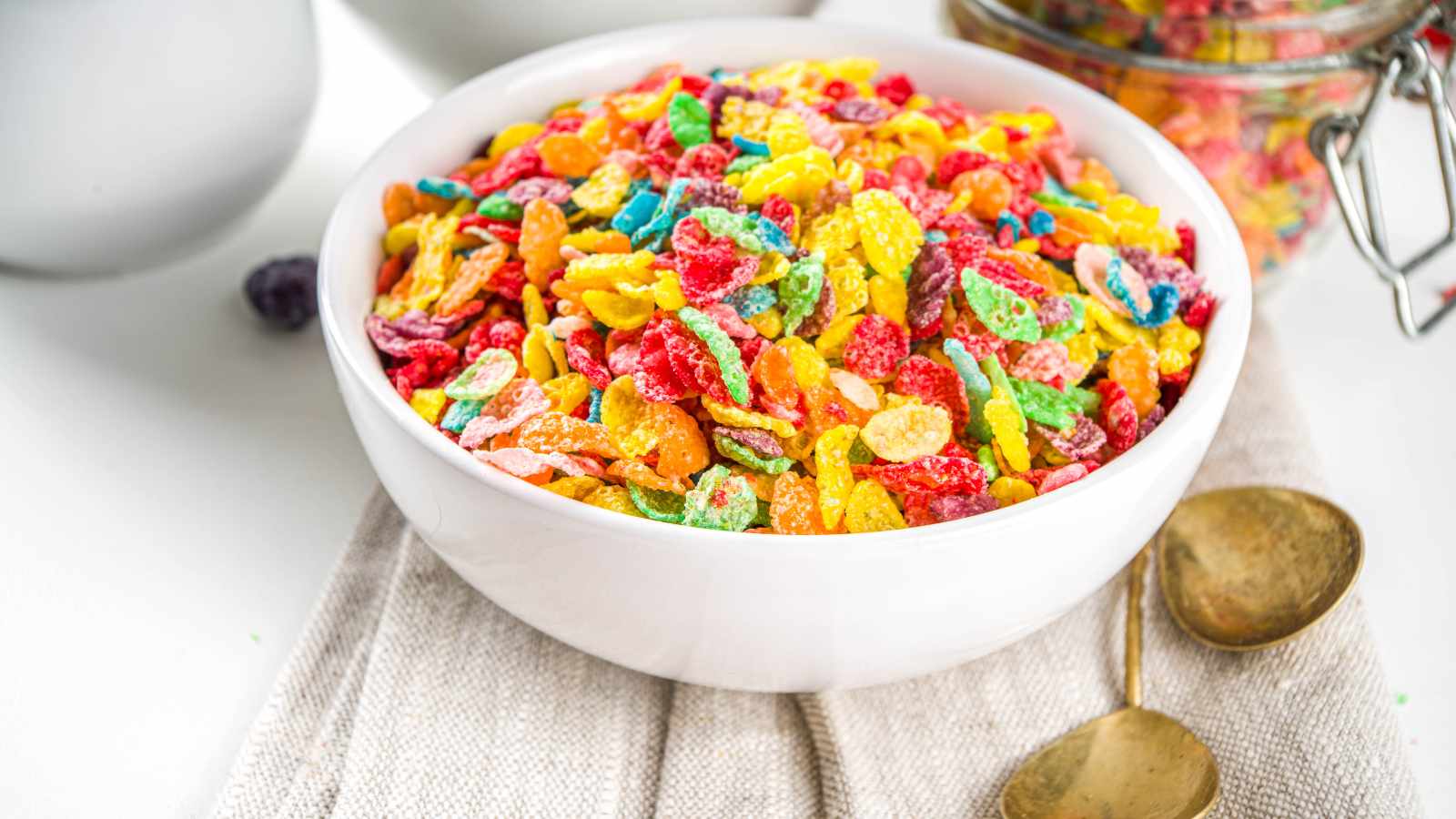
Many popular breakfast cereals for children contain excessive sugar and minimal nutritional value. Consuming these sugar-laden cereals can contribute to weight gain and tooth decay and raise the likelihood of developing diabetes. Opting for whole-grain, low-sugar cereals or making homemade oatmeal or granola for a healthier breakfast is a better choice.
Fried Foods

Fried foods like french fries and chicken nuggets are high in unhealthy fats and calories, contributing to obesity, heart disease, and other health problems when consumed regularly. Instead of frying, parents can bake or grill meats and vegetables for a healthier alternative.
Soda

Soda is one of the worst beverages for children due to its high sugar content and lack of nutritional value. Consistent consumption can result in weight gain and tooth decay and elevate the likelihood of developing type 2 diabetes. Encouraging children to drink water, milk, or natural fruit juices instead is a healthier option.
Pizza
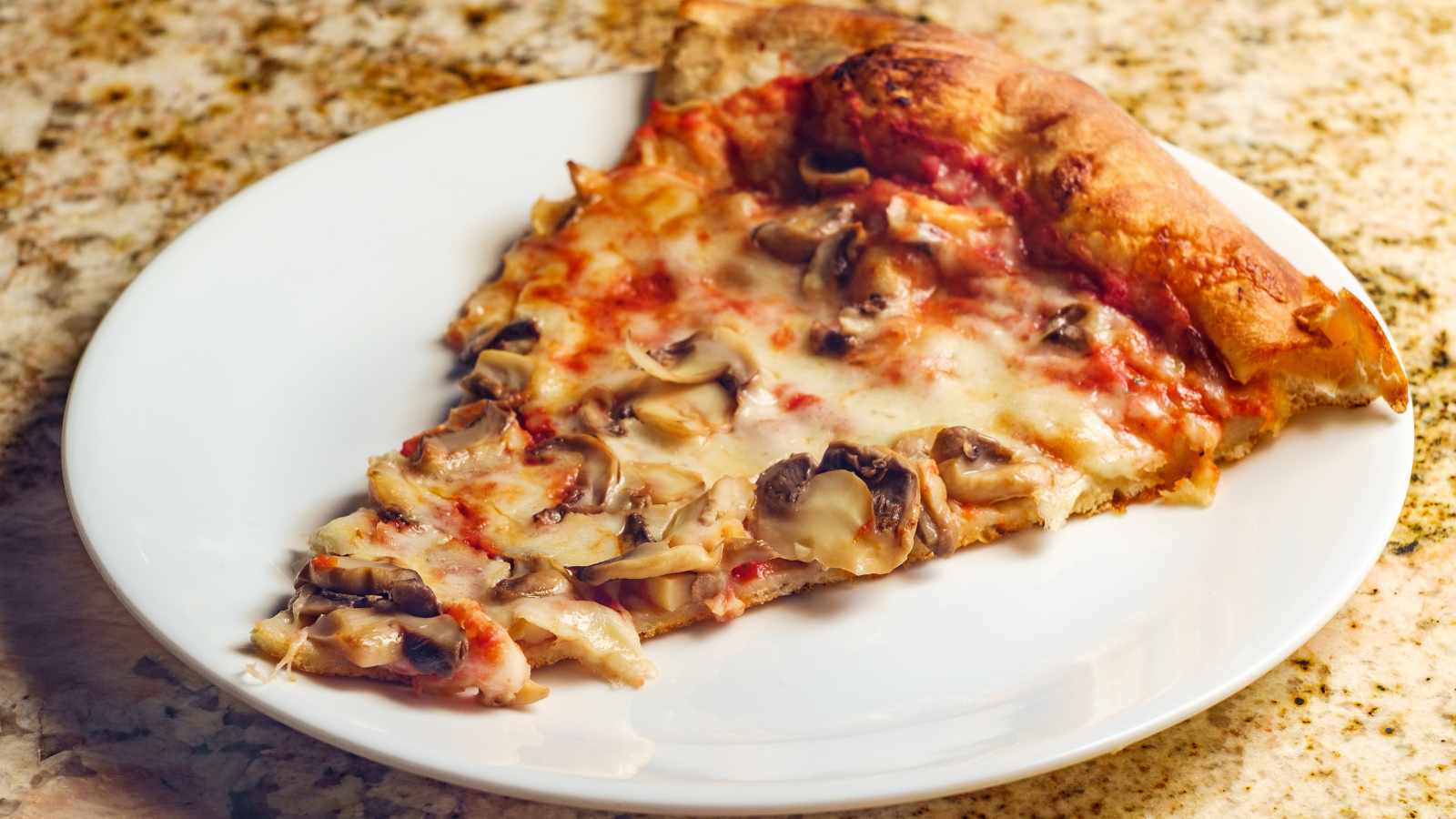
Pizza is a kids’ favorite, often high in sodium, unhealthy fats, and calories. Processed pizza toppings like pepperoni and sausage can also contain nitrates and other harmful additives. Parents can make homemade pizzas with whole-wheat crust, fresh vegetables, and lean meats to make them healthier.
Fruit Juice

While fruit juice may appear healthy, most store-bought juices are packed with sugar and lack the fiber and nutrients in whole fruits. Excessive consumption of fruit juice can contribute to weight gain and tooth decay. Parents can encourage their children to choose whole fruits to promote healthier habits.
Flavored Yogurt

Yogurt is promoted as a nutritious snack, yet many flavored options contain excessive added sugars. These sweetened yogurts can lead to weight gain and dental problems. Parents should choose plain yogurt or create fruit-flavored yogurt using fresh fruits.
White Bread
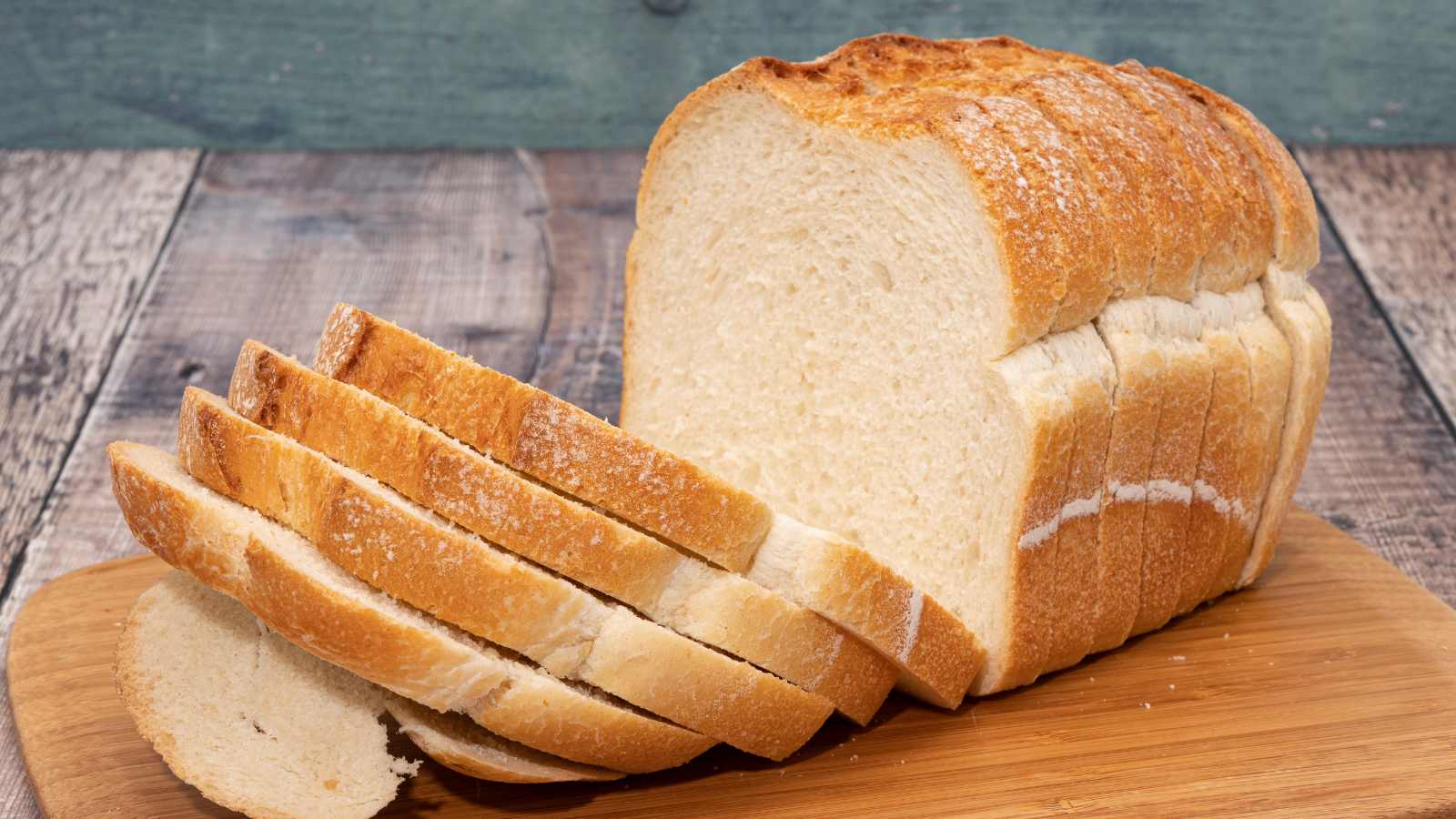
White bread is highly processed and lacks the nutrients, fiber, and healthy fats in whole-grain bread. Consuming large amounts of white bread can lead to weight gain, blood sugar spikes, and an increased risk of heart disease. Parents should choose whole-grain bread or other healthier alternatives like sprouted-grain bread.
Fruit Snacks
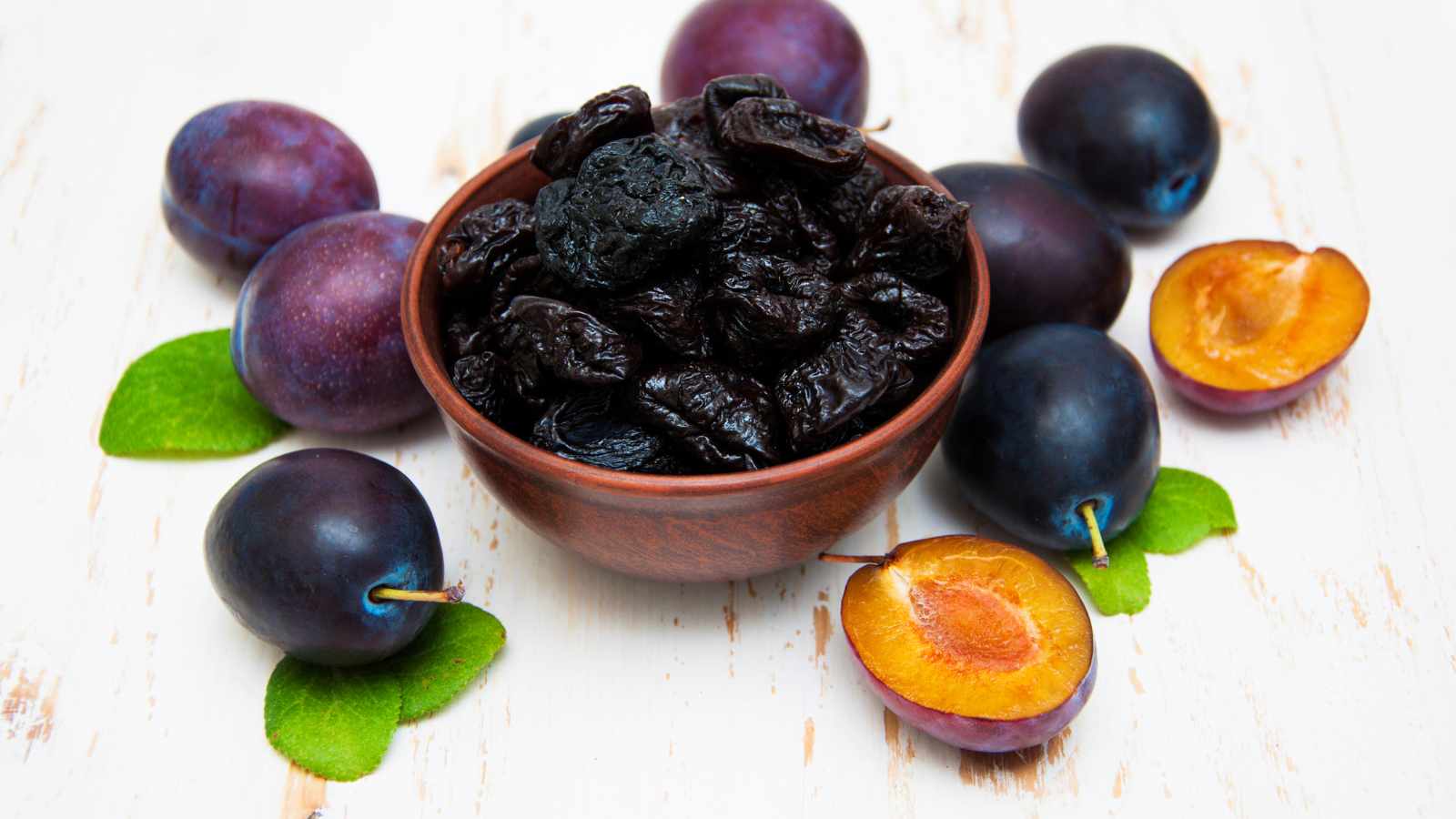
Fruit snacks are marketed as healthy but often contain added sugars, artificial colors, and preservatives. Regular consumption can lead to weight gain and tooth decay. Instead, offer fresh fruits, nuts, or homemade trail mix as a nutritious alternative.
Instant Noodles

Instant noodles are convenient but high in unhealthy fats, sodium, and preservatives. Consistent consumption can lead to weight gain, high blood pressure, and other health issues. Parents can make homemade soups or stir-fries with whole-wheat noodles for a healthier option.
Candy and Sweets

Candy and sweets, laden with sugar, artificial colors, and preservatives, provide minimal nutritional value and can contribute to weight gain and dental issues. As responsible parents, regulate consumption and offer healthier alternatives like dark chocolate and homemade fruit popsicles.
Packaged Mac and Cheese

Packaged mac and cheese is high in sodium, unhealthy fats, and artificial ingredients. Consistently eating this food can cause weight gain, heart disease, and other health problems. You can make homemade mac and cheese using whole-wheat pasta and natural cheese.
Energy Drinks
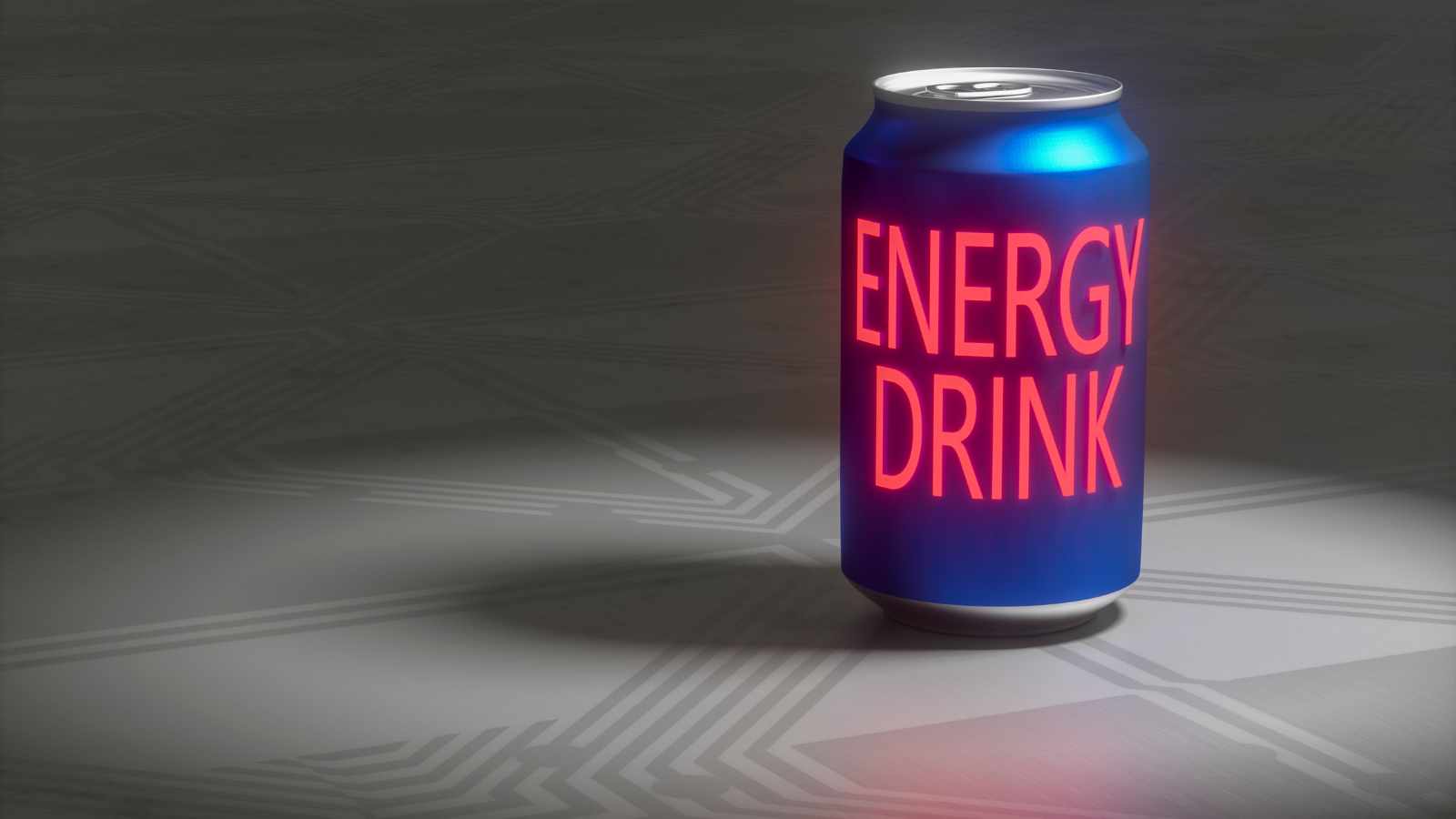
Energy drinks, marketed to children and teenagers for an energy boost, contain excessive caffeine, sugar, and other stimulants that can adversely affect a child’s developing body. Limit your child’s consumption or provide natural energy sources like fruits and nuts.
Processed Cheese

Processed cheese is rich in unhealthy fats, sodium, and artificial additives. Consistently consuming processed cheeses can contribute to weight gain and increase the risk of heart disease. Provide natural cheese alternatives or create cheese spreads using healthier ingredients.
Microwave Popcorn
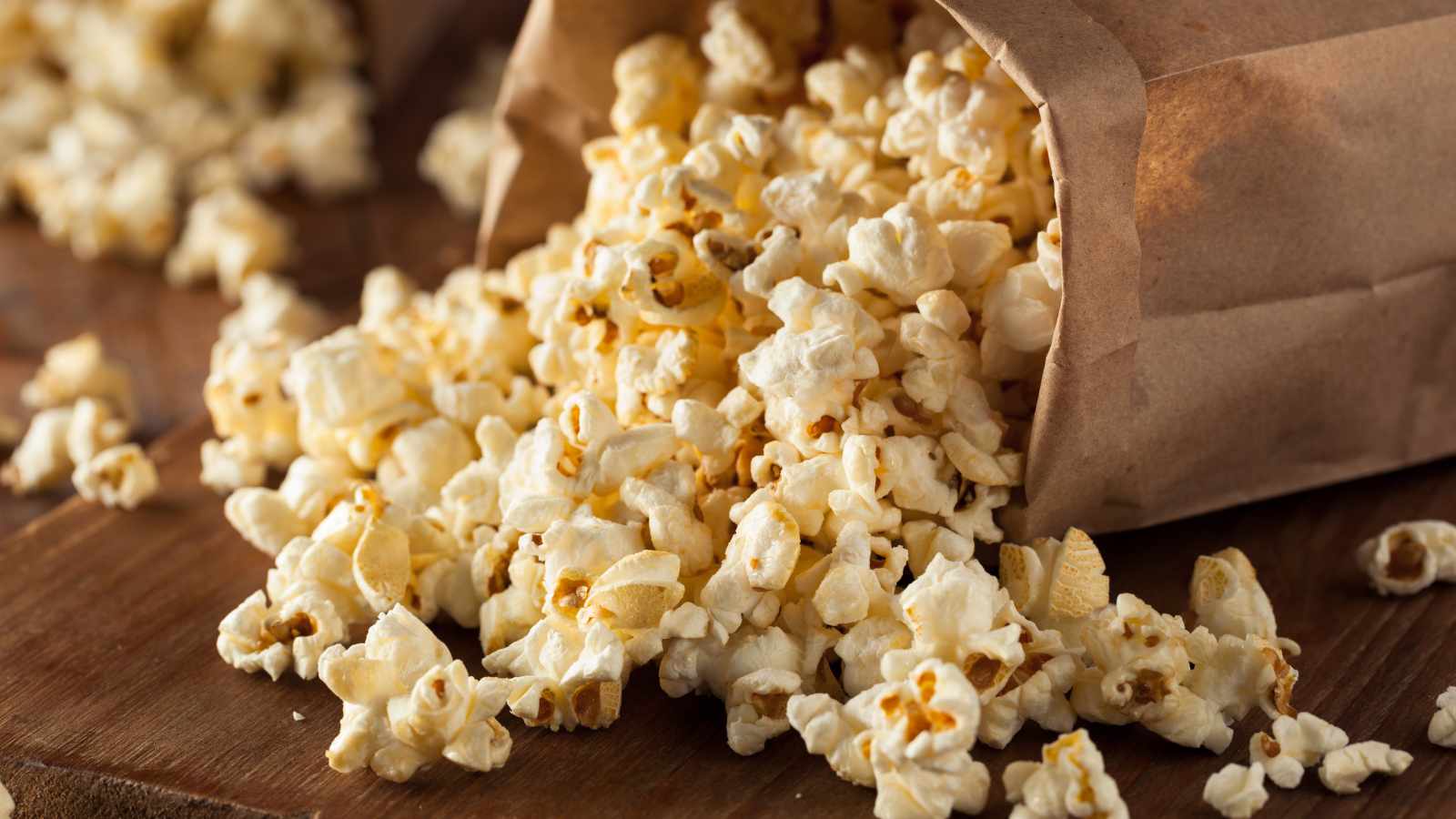
Microwave popcorn, perceived as a convenient and healthy snack, often contains high levels of unhealthy fats, sodium, and artificial flavors. These ingredients can be harmful to a child’s health if consumed regularly. Parents can opt for natural popcorn kernels and make stovetop popcorn with healthier toppings.
Processed Meats

Processed meats are factory-made products like hot dogs, salami, and deli meats. These foods have been linked to several health problems in children, including obesity, heart disease, and type 2 diabetes. Processed meats are laden with excessive amounts of sodium, nitrates, and saturated fats, which can have detrimental effects on the growing bodies of children.