
Growing up in the post-war years, many Boomers learned to stretch a dollar. They got creative in the kitchen, making meals that were cheap, filling, and easy to prepare. These dishes became staples, often tied to memories of family dinners and simpler times.
Today, many of them are met with a mix of confusion and distaste by younger generations. What used to be normal dinner fare now seems outdated or unappetizing. This list dives into 13 meals Boomers once loved that now struggle to find a place on the modern table. From canned meat creations to strange food mashups, here’s what’s not making it onto Gen Z’s plate.
1. Creamed Chipped Beef on Toast
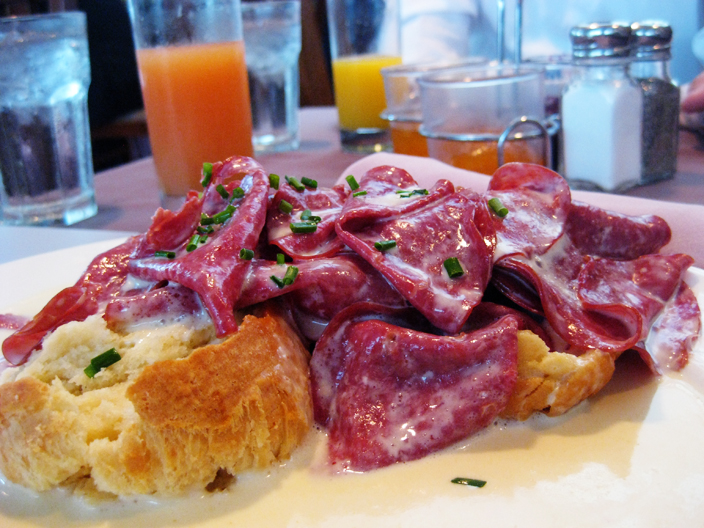
Also known as “S.O.S.” in military slang, this meal combined dried beef and a white flour-based gravy, poured over toast. It was filling, salty, and inexpensive. The dried beef came in jars and had a long shelf life, which made it appealing to families trying to reduce waste. Gen Z, focused on fresh foods and less sodium, rarely gives this dish a second glance.
2. Tuna Noodle Casserole
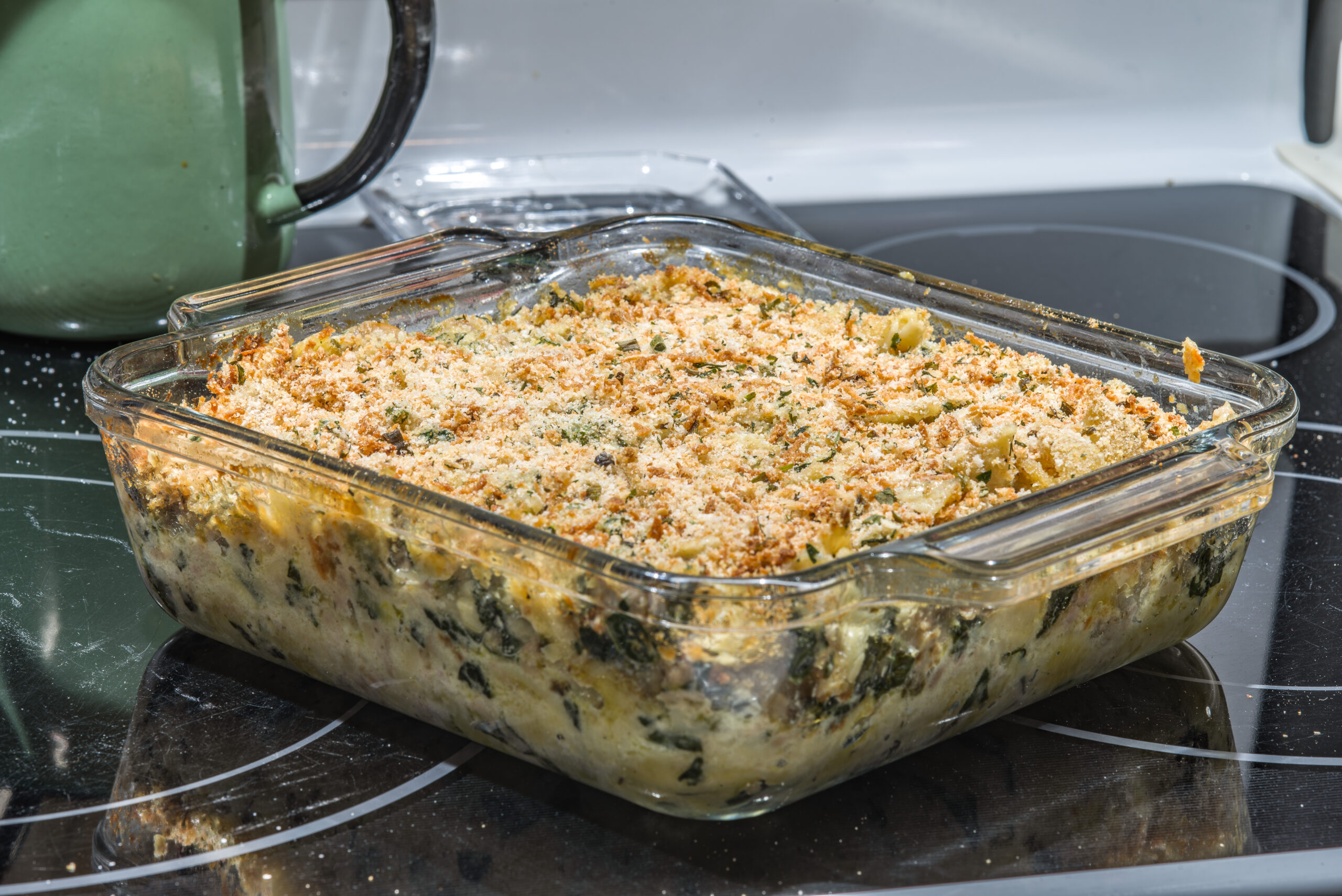
This dish combined canned tuna, cream of mushroom soup, egg noodles, and frozen peas, topped with breadcrumbs or potato chips. Boomers found it hearty, cheap, and easy to make in large quantities. Today, canned fish and condensed soup carry a stigma among younger eaters. The idea of hot tuna in a creamy sauce doesn’t hold much appeal for the modern palate.
3. Hamburger Helper
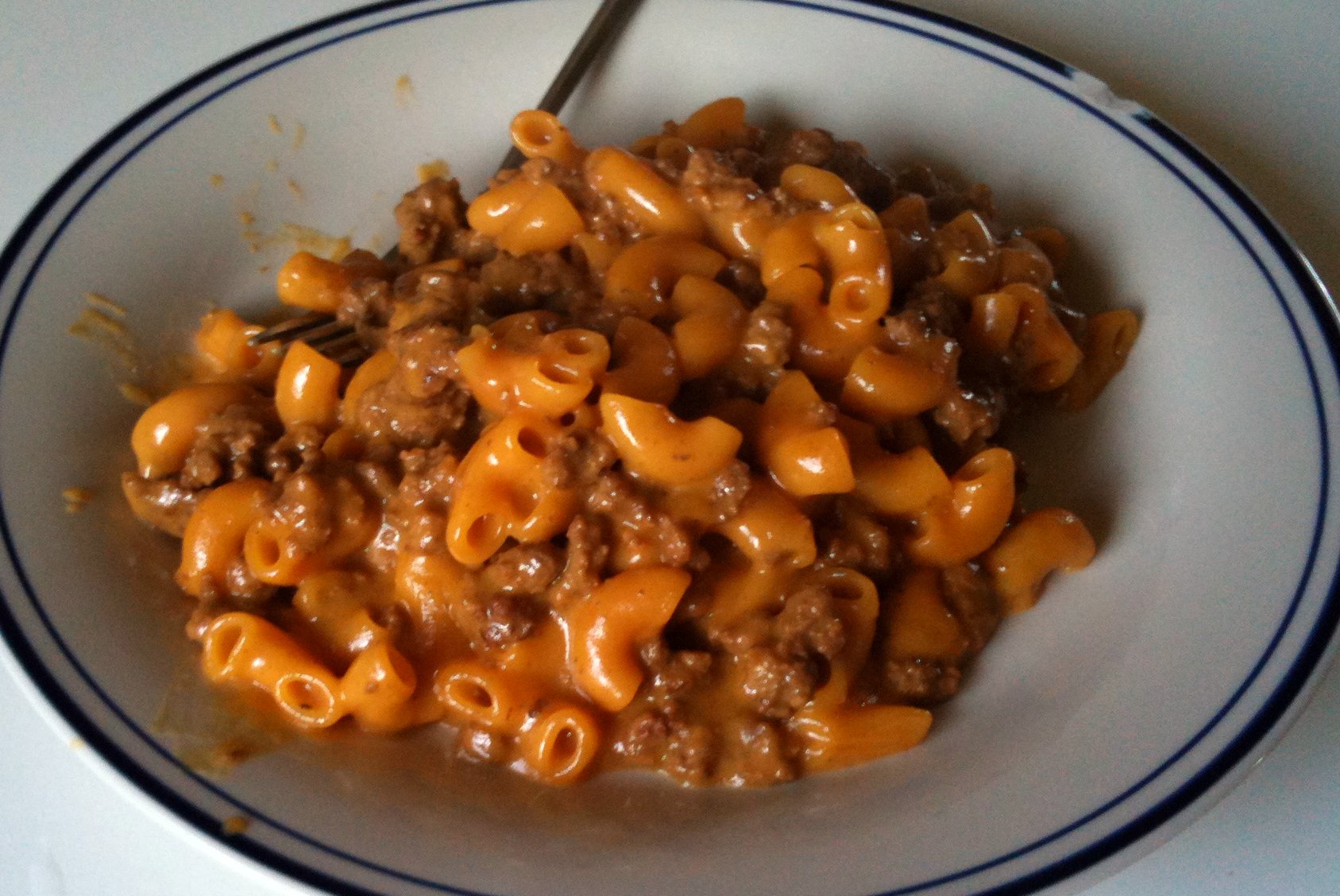
Launched in the early 70s, Hamburger Helper was a box of seasoned pasta meant to stretch a pound of ground beef. It was a weeknight lifesaver for many working families. While convenient, the powdered sauces and artificial flavorings don’t fit into Gen Z’s growing interest in fresh, whole foods. The idea of mixing raw meat into a box of dry pasta feels outdated.
4. Spam and Eggs 
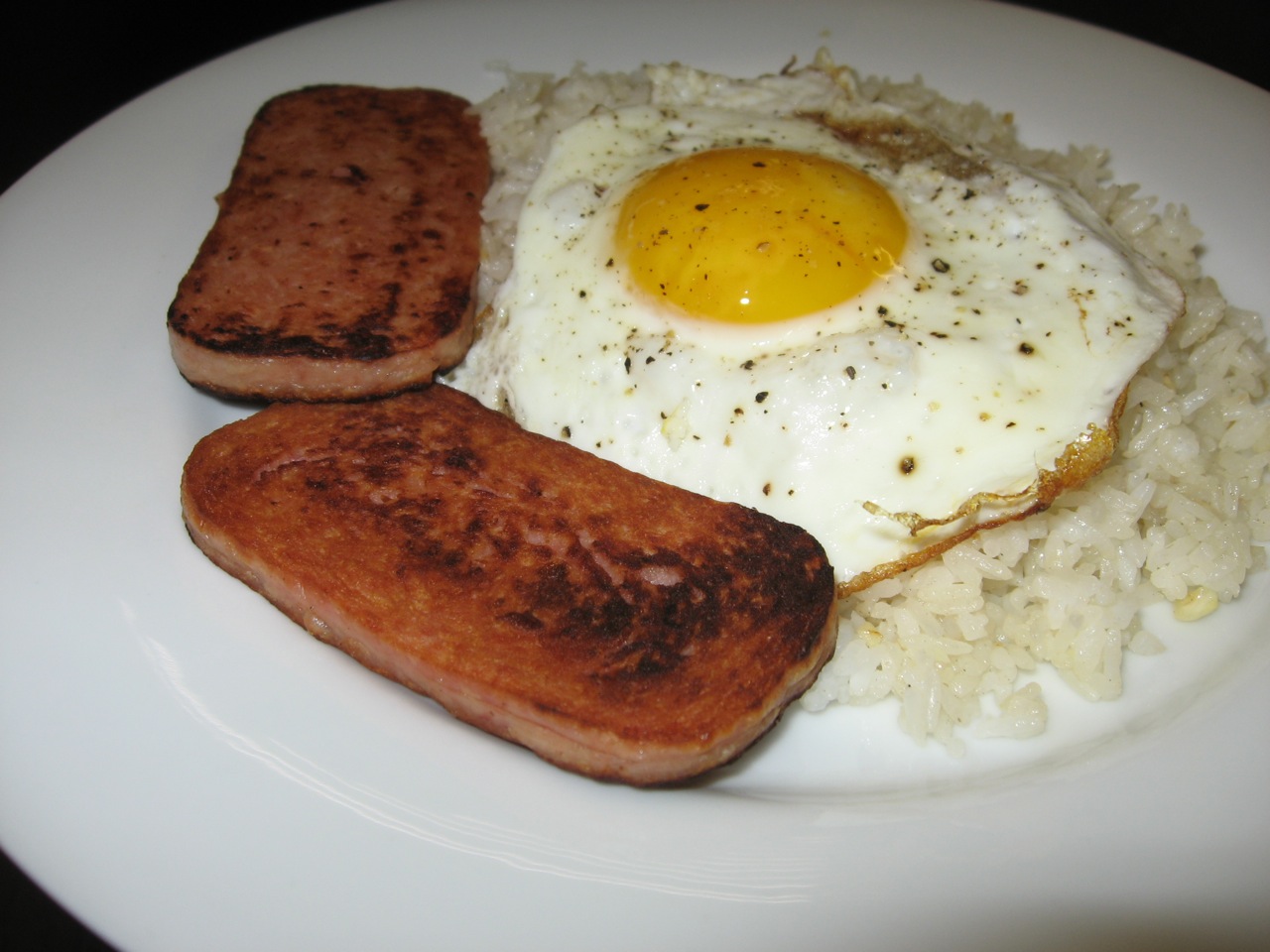
Spam was a pantry staple for decades, praised for its long shelf life and versatility. Fried with eggs, it became a quick breakfast or lunch option. Today, processed meats like Spam are often viewed as unhealthy. Gen Z tends to favor nitrate-free proteins and plant-based alternatives.
5. Liver and Onions
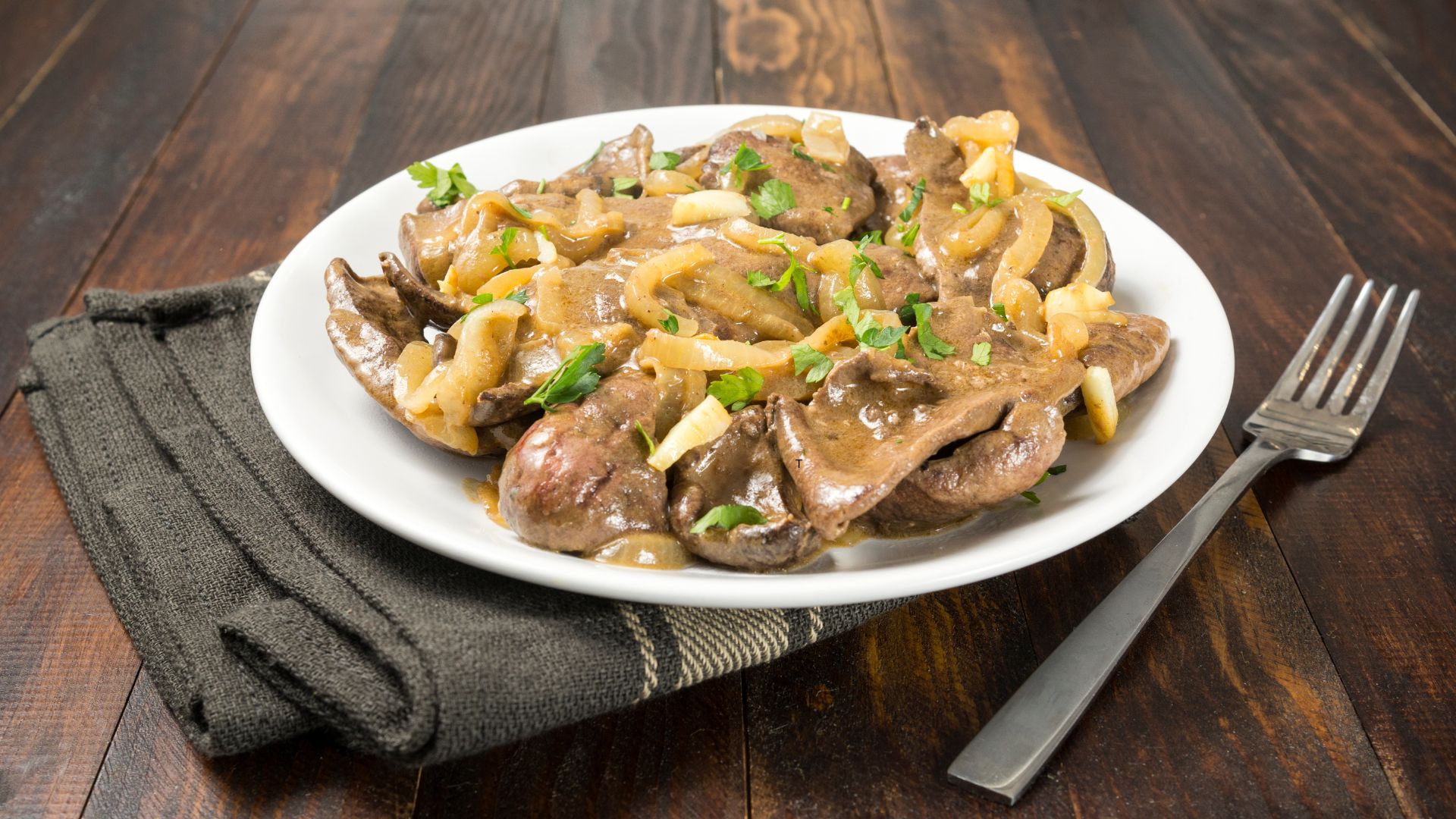
Rich in iron and inexpensive, liver was once a regular dinner item. Boomers often remember it as a “doctor-recommended” food. Its strong taste and chewy texture, however, make it unpopular with younger eaters. Gen Z prefers lean cuts of meat or vegetarian proteins that don’t involve organ meat.
6. Jell-O Salads
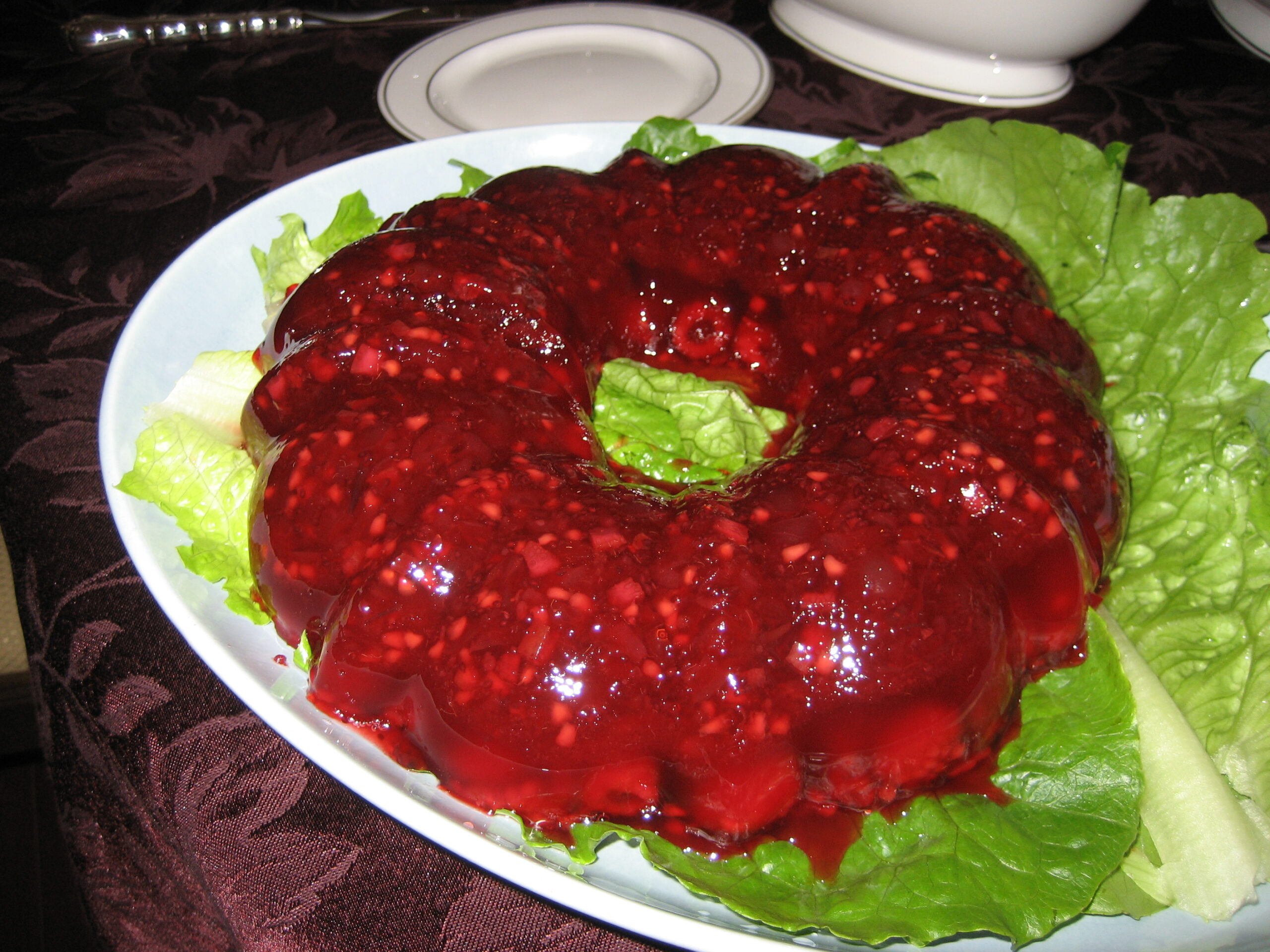
These colorful molds often featured Jell-O mixed with canned fruits, marshmallows, and even shredded carrots. For Boomers, they were a centerpiece at potlucks and holiday tables. Gen Z, raised on Greek yogurt and acai bowls, doesn’t consider gelatin a dessert. The artificial colors and textures are far removed from today’s wellness trends.
7. TV Dinners
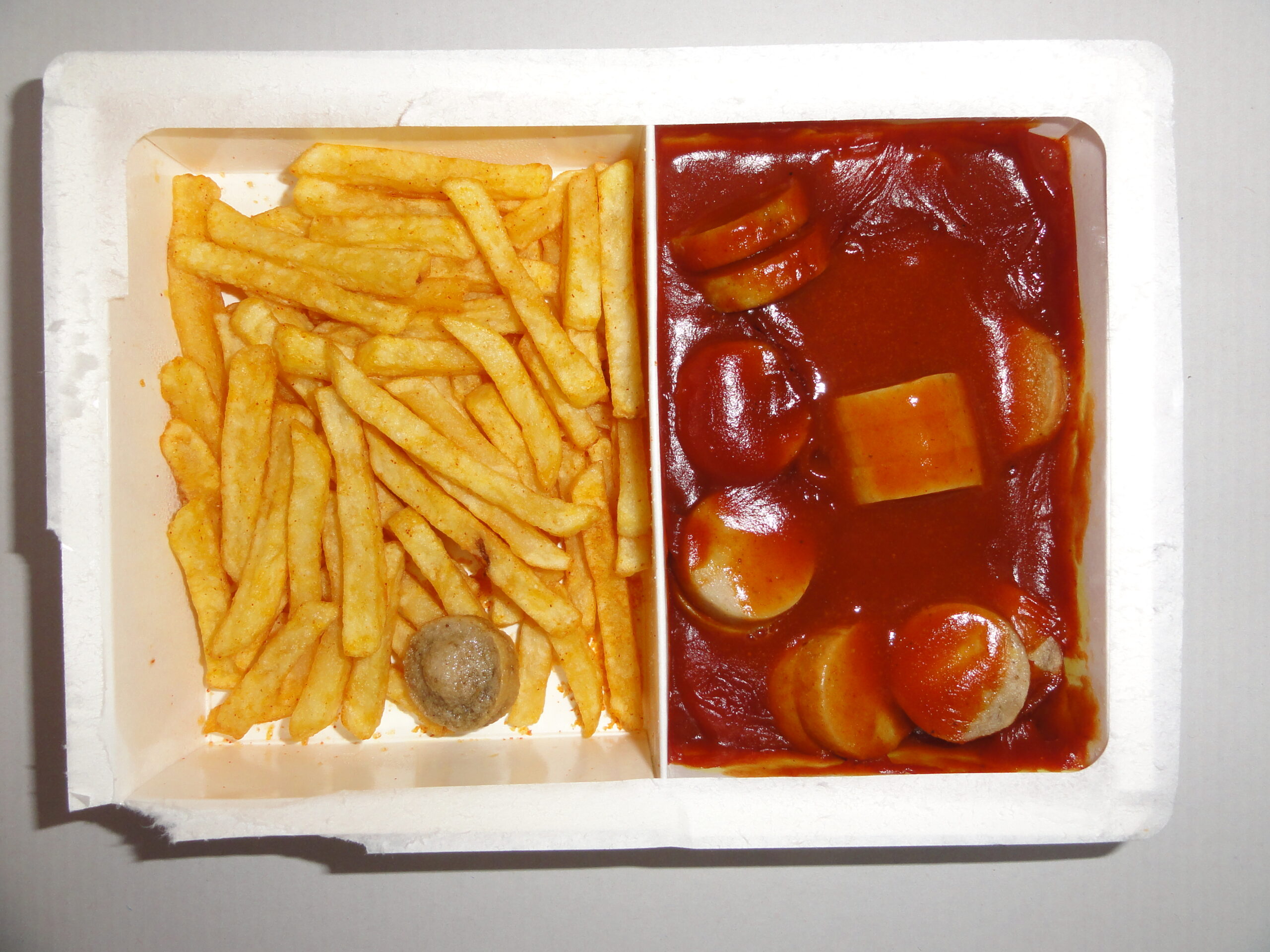
These frozen meals in foil trays brought convenience to American households. Heated in the oven, they offered meat, potatoes, and a veggie, all in one. Boomers loved the novelty and ease. Gen Z, growing up with microwaves and DoorDash, tends to skip these in favor of fresher or more customizable options.
8. Canned Vienna Sausages
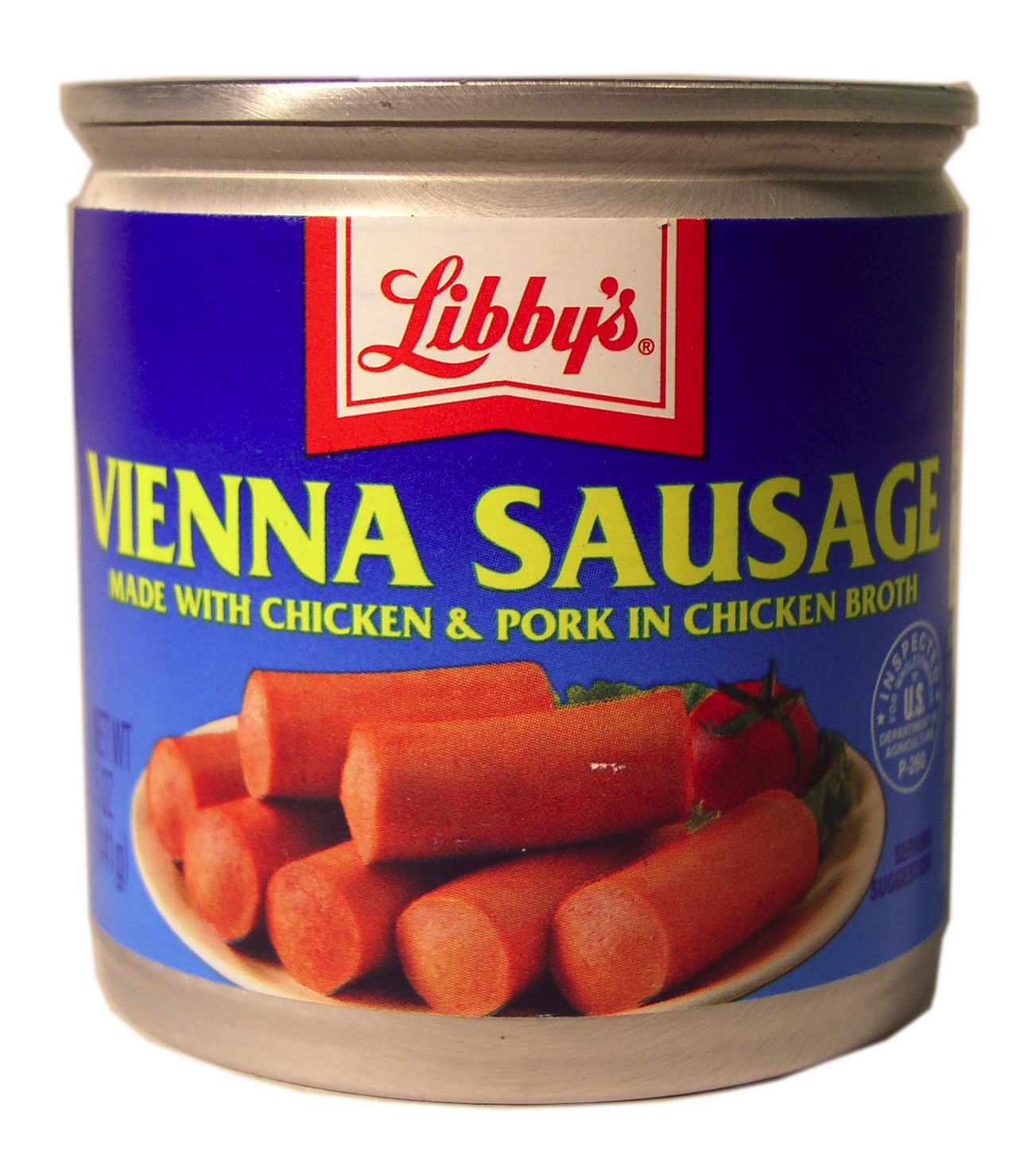
Often eaten cold or lightly warmed, Vienna sausages were a common item in lunchboxes and emergency kits. Their soft texture and salty taste made them accessible to kids. Today, they’re more associated with survival food than casual dining. Gen Z leans toward charcuterie boards and smoked sausages with clearer sourcing.
9. Sloppy Joes
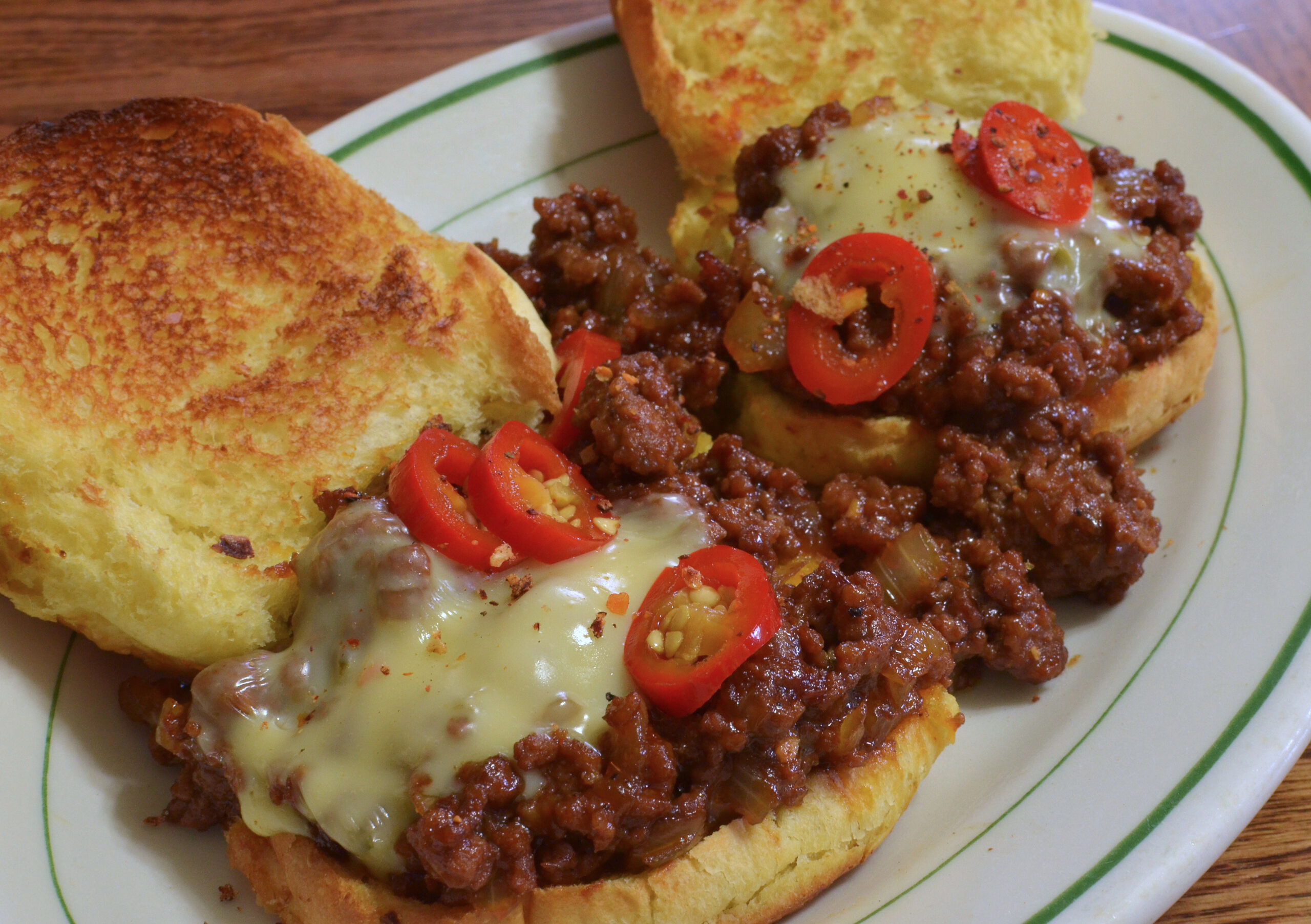
A mix of ground beef, ketchup, and onions served on hamburger buns, Sloppy Joes were messy but satisfying. They were easy to make and stretched a small amount of meat into a full meal. The texture and sugary sauce, however, don’t appeal to younger eaters. Gen Z often replaces this with tacos or Korean-style beef bowls.
10. Macaroni and Tomatoes
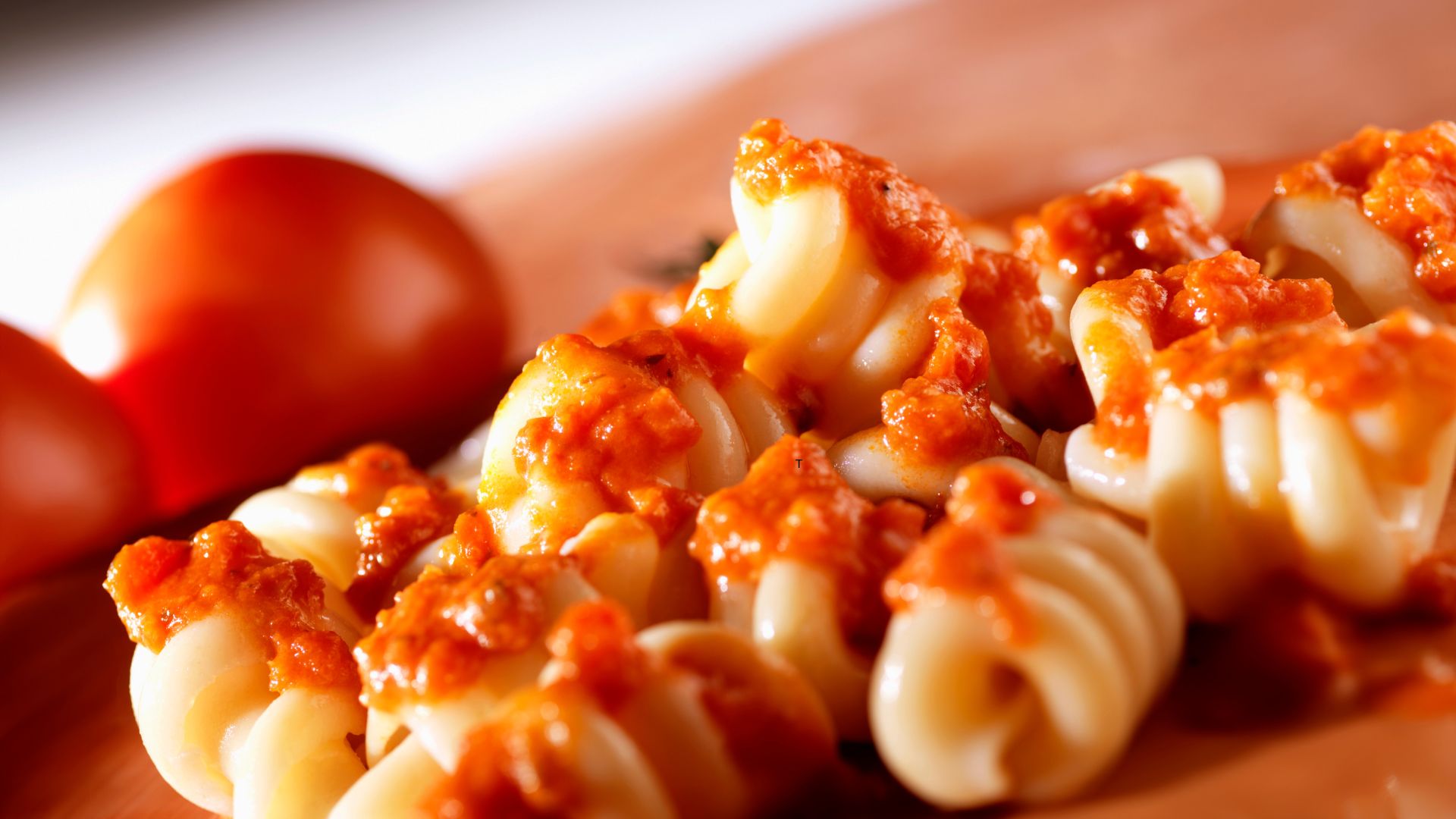
Pasta mixed with canned tomatoes and margarine was a Depression-era meal that stuck around through the 60s and 70s. Boomers ate it as a side or quick dinner. It lacks the richness and complexity Gen Z expects from pasta dishes today. The absence of fresh herbs, garlic, or cheese makes it a hard sell.
11. Hot Dog Stew
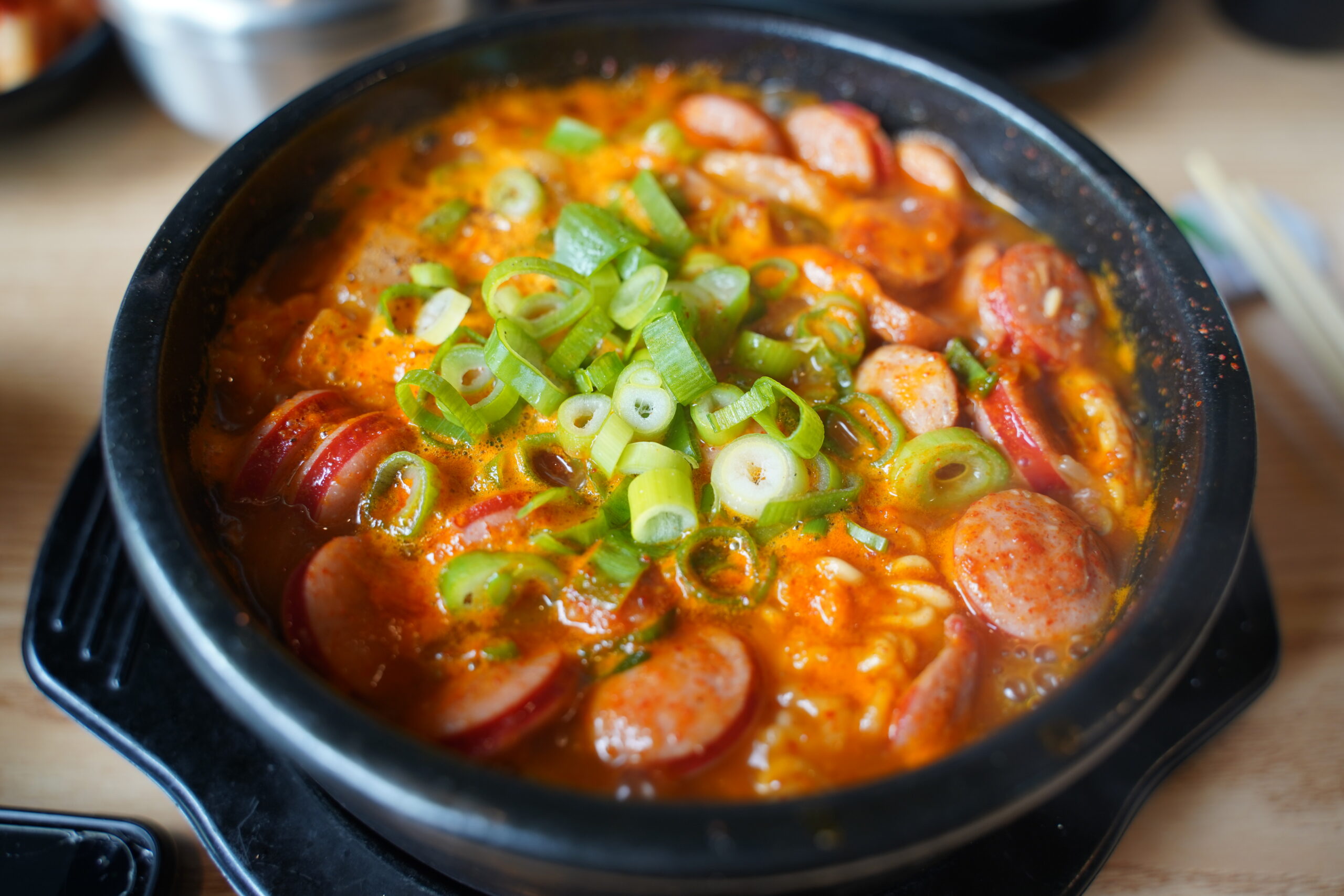
Cut-up hot dogs mixed with canned beans, corn, or potatoes made for a low-cost dinner. It was simple to prepare and could feed a family on a tight budget. Gen Z’s dislike for heavily processed meat keeps this dish off modern menus. The presentation also lacks the visual appeal expected in today’s food culture.
12. Meatloaf with Saltine Crackers
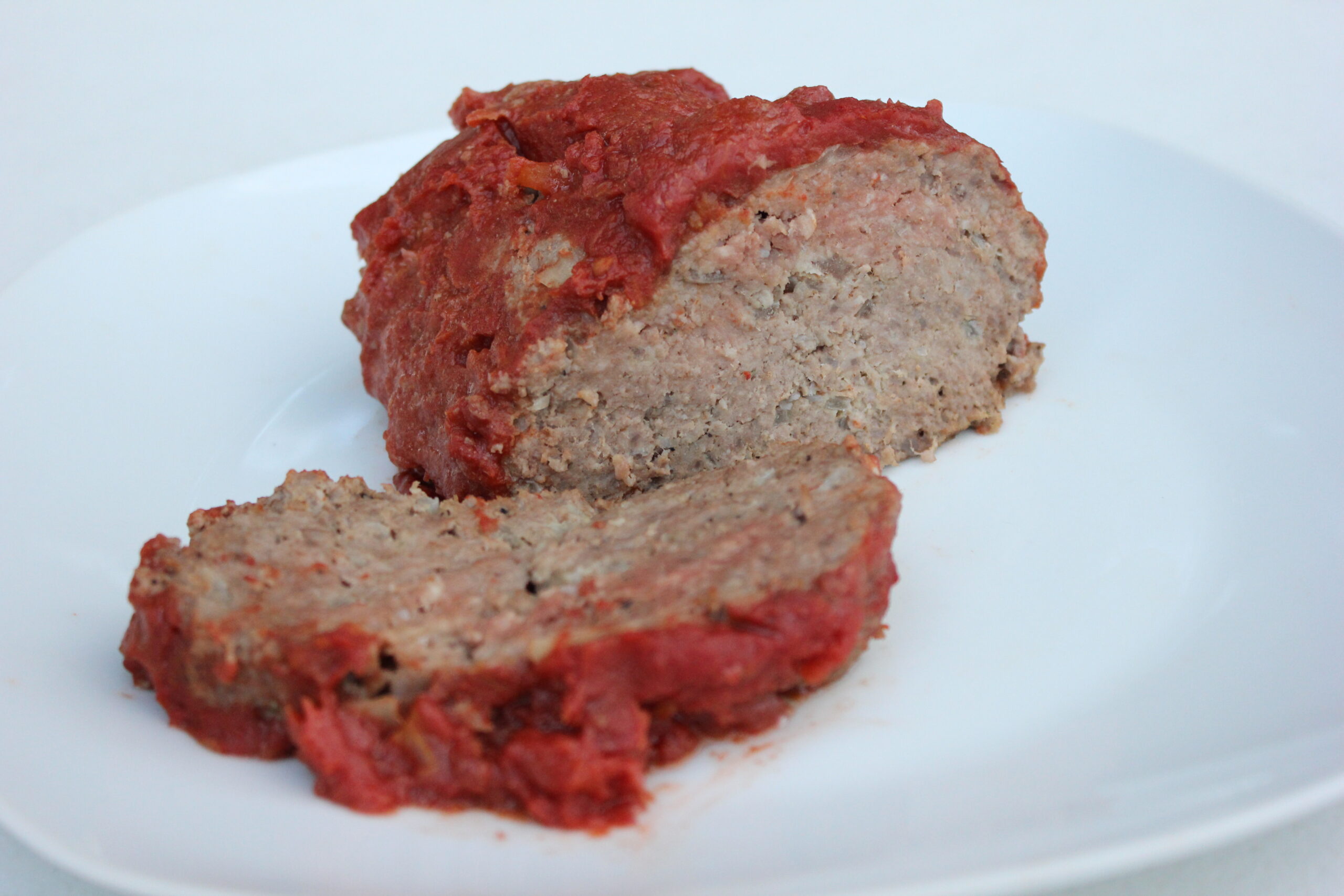
Saltines were crushed into ground beef to stretch it further and hold the loaf together. It was often topped with ketchup and served with mashed potatoes. While Boomers found it comforting, Gen Z sees it as dry and bland. Today’s meatloaf recipes lean toward higher-end ingredients or are swapped out entirely for plant-based versions.
13. Baked Beans on Toast
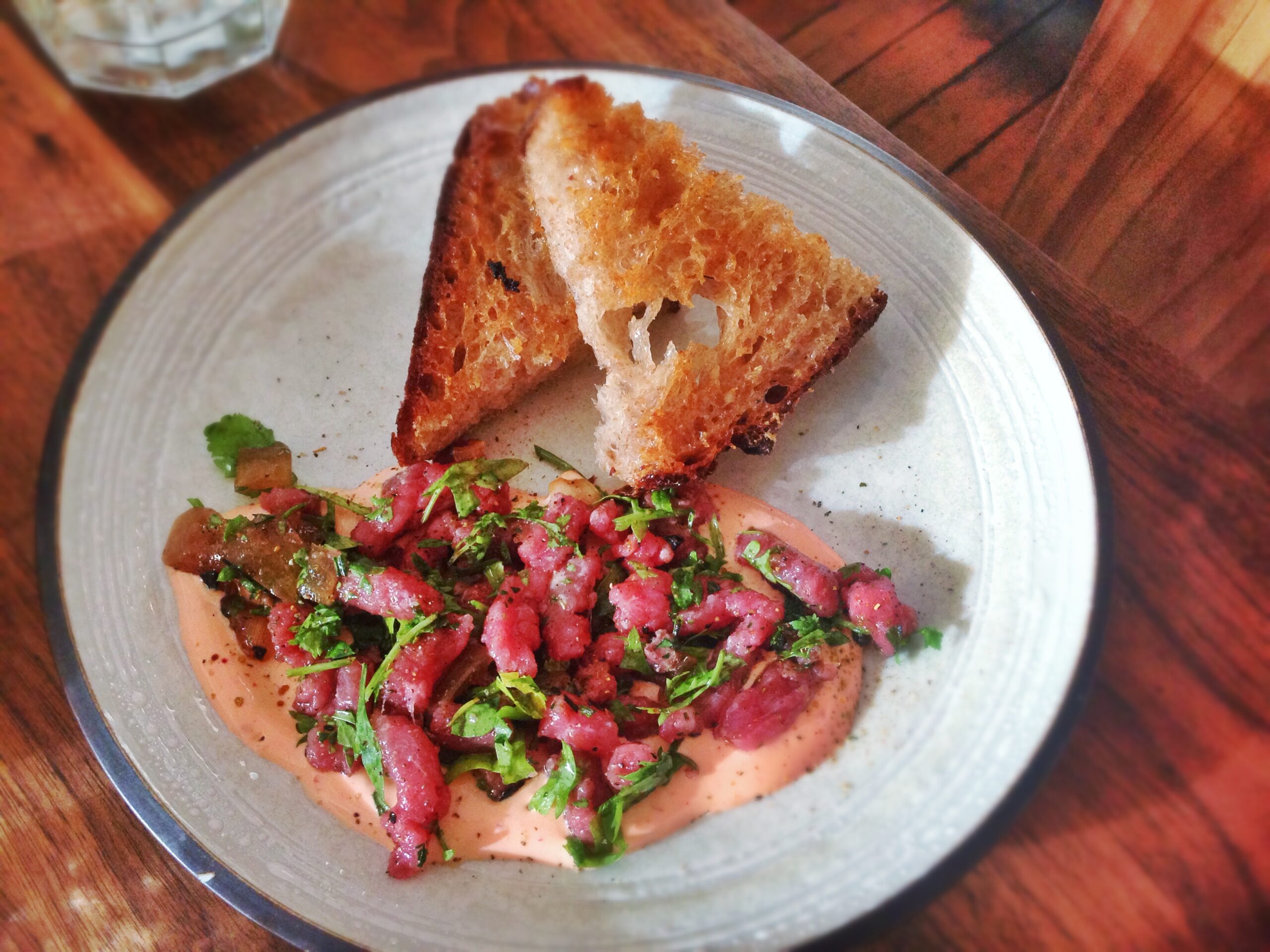
This British-inspired meal used canned baked beans poured over slices of white bread. It was quick, warm, and cheap. Gen Z, used to international flavors and loaded toasts topped with avocado or smoked salmon, finds little excitement in this basic combo. Texture and flavor are key barriers for adoption.
Conclusion
The above meals are rarely seen in kitchens today but still hold a place in the stories and memories of the generation that grew up with them. Boomers embraced these dishes because they were easy to make, affordable, and filling.
Their value was tied to practicality, not presentation. For Gen Z, those same traits often translate to processed, bland, or visually unappealing.