
Tooth decay forms when plaque (a sticky film of bacteria) feeds on sugars in the mouth and produces acids that erode the enamel. If not addressed early, it can lead to pain, infection, and even tooth loss.
This article outlines seven effective remedies that can slow, stop, or help reverse the early stages of tooth decay using practical, proven methods.
1. Remineralizing Toothpaste Strengthens Enamel

Remineralizing toothpaste helps restore lost minerals in enamel, making it stronger against future acid attacks. These kinds of toothpaste typically include calcium phosphate, hydroxyapatite, or fluoride compounds. Regular use can reduce early signs of decay and improve overall oral resilience.
Key Ingredients to Look For:
- Fluoride: Reinforces enamel and reduces bacterial activity.
- Hydroxyapatite: A natural mineral that mimics tooth structure.
- Xylitol: Inhibits bacterial growth and acid production.
2. Oil Pulling with Coconut Oil Reduces Bacteria

Oil pulling is a traditional practice that involves swishing oil in the mouth to reduce bacteria. Coconut oil is especially popular for this method due to its antimicrobial properties. While it doesn’t reverse decay, it can lower plaque buildup and improve gum health.
How to Practice:
- Swish 1 tablespoon of coconut oil in your mouth for 10–15 minutes.
- Spit into a trash can (not the sink).
- Rinse with water and brush as usual.
3. Chewing Sugar-Free Gum Stimulates Saliva

Saliva plays a major role in neutralizing acids and washing away food particles. Chewing sugar-free gum boosts saliva flow and can help in remineralization. Choose gums sweetened with xylitol, which also discourages cavity-causing bacteria.
Best Times to Chew:
- After meals
- Between brushing sessions
- During dry-mouth episodes
4. Green Tea Rinse Fights Oral Bacteria

Green tea contains catechins, powerful antioxidants that limit bacterial growth and reduce inflammation. Using it as a mouth rinse may help control plaque and freshen breath. Unlike alcohol-based mouthwashes, green tea is gentle and doesn’t dry out the mouth.
Quick Rinse Recipe:
- Brew strong green tea and let it cool.
- Swish for 30 seconds to 1 minute.
- Repeat daily or after meals.
5. Vitamin D Improves Calcium Absorption

Vitamin D plays a part in regulating calcium and phosphate levels in the body, which are essential for healthy teeth. Low vitamin D levels may be linked to a higher risk of tooth decay, especially in children. Sunlight exposure and certain foods can help maintain optimal levels.
Sources of Vitamin D:
- Fatty fish (like salmon or mackerel)
- Egg yolks
- Fortified dairy or plant-based milk
6. Clove Oil Eases Pain and Slows Infection

Clove oil has been used for centuries for dental care due to its high eugenol content, a compound with analgesic and antibacterial properties. Applying it directly to a decayed tooth can reduce discomfort and potentially slow bacterial spread.
How to Use:
- Dip a cotton swab in clove oil.
- Apply gently to the affected area.
- Limit use to a few times per day.
7. Regular Brushing with Baking Soda Neutralizes Acids
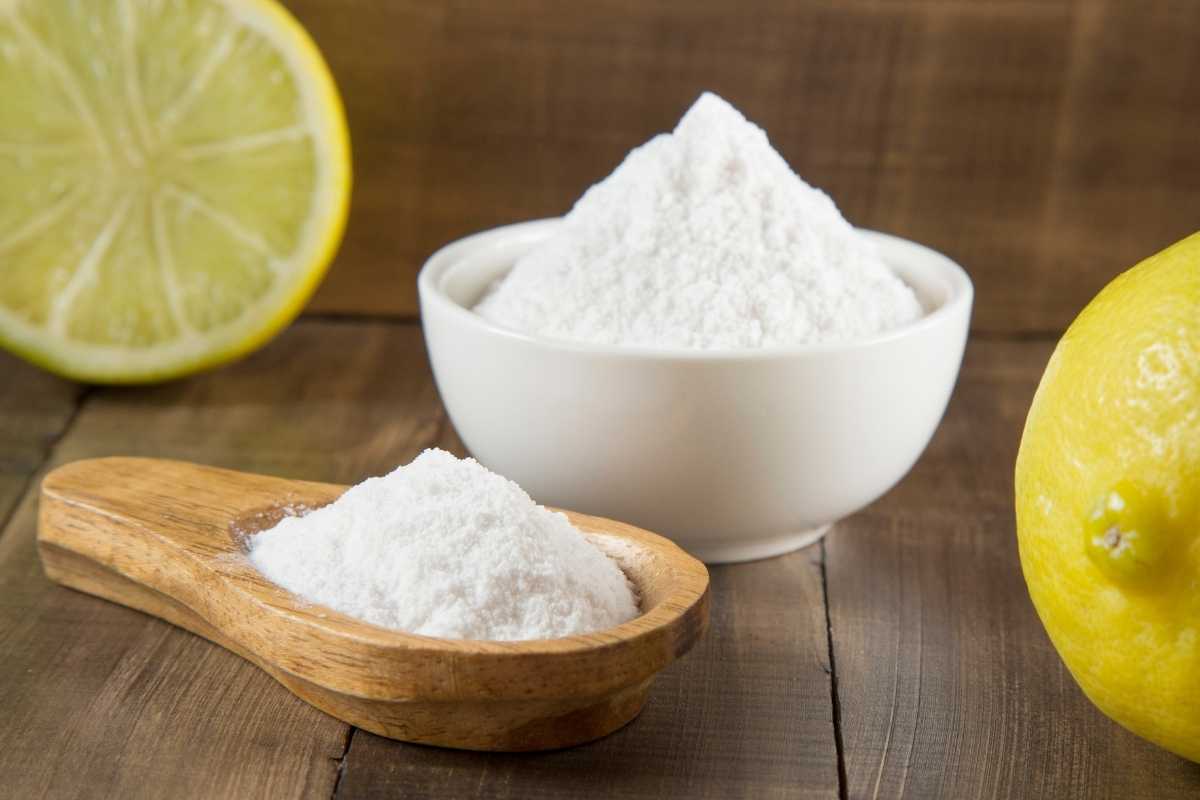
Baking soda is mildly abrasive and helps scrub away plaque. It also neutralizes acids in the mouth, creating a less favorable environment for decay-causing bacteria. Using it a few times a week can support standard toothpaste in maintaining oral pH. Avoid overuse to prevent enamel wear.
Safe Usage Tips:
- Mix 1/2 teaspoon of baking soda with water to form a paste.
- Brush gently for no more than 2 minutes.
- Rinse thoroughly afterward.
Conclusion
Tooth decay doesn’t always need a drill to be addressed. Many natural and accessible remedies can slow down or even reverse early damage.
The key lies in consistency, daily habits, and smart choices. Combine these methods with regular dental checkups for the best results.