15 high-protein snacks that actually keep you full until dinner
Fifteen simple high-protein snacks with roughly how much protein each one gives you, why protein plus fibre beats a bag of crisps, and how to build a snack that carries you to the next meal.

The mid-afternoon slump is real. Lunch was hours ago, dinner is hours away, and the vending machine or the biscuit tin starts calling your name. It's no surprise that "healthy snacks" is one of the biggest health searches on Pinterest right now, with "high protein snacks" right behind it.
The good news is that a better snack doesn't need to be fancy. It just needs the right building blocks. This guide explains why protein helps, gives you fifteen easy ideas with rough protein numbers, and shows you how to put together a snack that actually lasts.
Why protein makes a snack last longer
A snack made mostly of refined carbs, like crisps, crackers or a pastry, digests quickly. You get a short lift and then you're hungry again. Protein digests more slowly, and when you pair it with fibre from fruit, vegetables, nuts or whole grains, the snack sits with you for longer.
Harvard T.H. Chan School of Public Health's Nutrition Source points out that the source of protein matters as much as the amount. Beans, nuts, fish, poultry, eggs and dairy come with useful extras, while heavily processed meats come with salt and preservatives you don't need every day. So the list below leans on whole foods.
How much protein should a snack have? There's no official number, but somewhere around 10 to 20 grams is a practical target for most adults. That's enough to take the edge off hunger without turning your snack into a second lunch.
15 high-protein snack ideas
The protein figures below are rounded estimates based on the US Department of Agriculture's FoodData Central database. Brands and portion sizes vary, so check your labels.
- Greek yogurt with berries. A 170-gram pot of plain Greek yogurt gives you about 15 to 17 grams of protein. Add a handful of berries for fibre and sweetness without added sugar.
- Cottage cheese with pineapple or tomatoes. Half a cup has about 12 to 14 grams. Go sweet with fruit or savoury with cherry tomatoes and black pepper.
- Two hard-boiled eggs. About 12 to 13 grams. Boil a batch on Sunday and they keep in the fridge for up to a week in their shells.
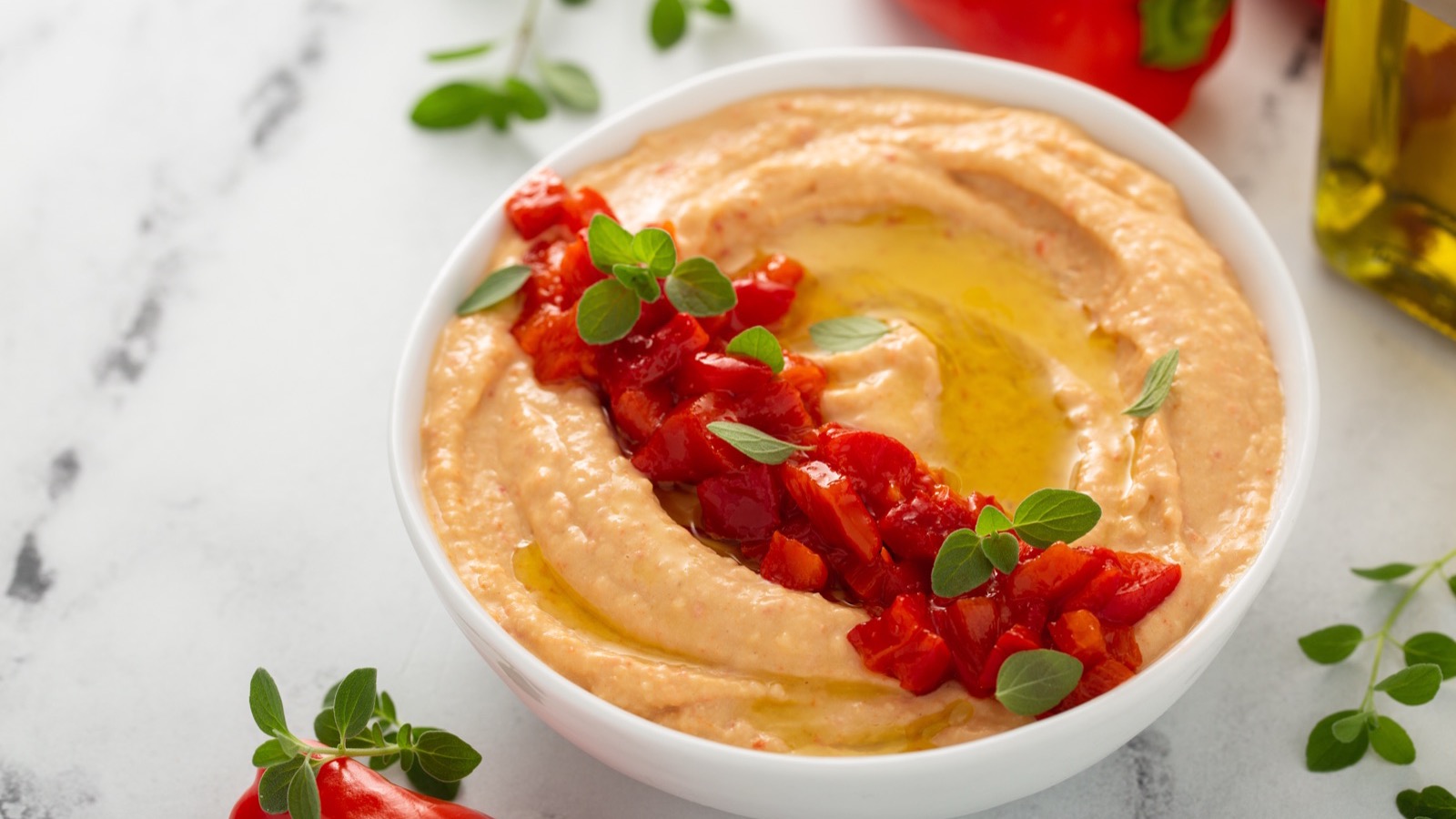
- Hummus with carrot and cucumber sticks. A quarter cup of hummus gives around 4 to 5 grams, so pair it with a cheese stick or a few nuts to push it higher.
- A small handful of almonds. About 28 grams of almonds (around 23 nuts) has 6 grams of protein plus fibre and healthy fats.
- Roasted chickpeas. Half a cup has around 6 to 7 grams. Toss drained chickpeas with oil and spices and roast until crunchy.
- Edamame. One cup of shelled edamame has about 17 to 18 grams. Buy it frozen, microwave it and sprinkle with salt or chilli flakes.
- Apple slices with peanut butter. Two tablespoons of peanut butter add about 7 grams of protein, and the apple brings fibre.
- Tuna on whole-grain crackers. A small can of tuna packed in water has around 20 grams of protein. Mix it with a spoon of Greek yogurt in place of mayonnaise.
- A cheese stick and an orange. One string cheese has about 6 to 7 grams. Simple, portable and kid-friendly.
- Turkey roll-ups. Roll slices of roast turkey around cucumber or pepper strips with a smear of cream cheese. Three slices give roughly 10 to 12 grams.
- Protein smoothie. Blend milk or soy milk with Greek yogurt and frozen fruit for 15 grams or more. Our smoothie recipe guide has six combinations.
- Homemade protein balls. Oats, nut butter and seeds rolled into bites give around 4 to 5 grams each. Here's how to make protein balls that hold together.
- Cottage cheese chips. Baked until crisp, they taste like a cheesy cracker. See how to make cottage cheese chips that actually get crispy.
- Pumpkin seeds. A quarter cup of shelled pumpkin seeds gives around 8 to 9 grams of protein plus magnesium.
The simple snack formula
If you'd rather not follow a list, use this formula: one protein + one fibre. Pick something from each column and you can't go far wrong.
- Protein: Greek yogurt, cottage cheese, eggs, cheese, tuna, turkey, edamame, hummus, nuts, seeds.
- Fibre: berries, an apple or pear, carrot or cucumber sticks, cherry tomatoes, whole-grain crackers, a small handful of oats.
A boiled egg with cherry tomatoes. Cottage cheese with a pear. Hummus with peppers and a cheese stick. Each one takes under two minutes to put together.
Watch out for "protein" labels
Many packaged snacks now shout about protein on the front of the box. Some are useful, but plenty are sweets with a protein powder sprinkled in. The American Heart Association recommends keeping added sugars low, no more than about 6 teaspoons (25 grams) a day for most women and 9 teaspoons (36 grams) for most men. Turn the packet over and check the added sugar line before you assume a bar is a healthy choice.
Making snacks easy on busy weeks
The best snack is the one that's ready when you're hungry. Spend fifteen minutes on Sunday boiling eggs, washing and cutting vegetables, and portioning nuts into small containers. Keep plain yogurt and cheese sticks at eye level in the fridge. When the healthy option is the easiest option, you'll reach for it without thinking.
If you're also planning your main meals for the week, our healthy lunch meal prep guide uses the same Sunday prep.
The bottom line
A good snack isn't about willpower. It's about having protein and fibre on hand before hunger hits. Pick three or four ideas from this list that you genuinely enjoy, keep them stocked, and the afternoon slump gets a lot easier to beat.
Sources
- FoodData Central (US Department of Agriculture)
- Protein (Harvard T.H. Chan School of Public Health, The Nutrition Source)
- Added sugars (American Heart Association)
- Fiber (Harvard T.H. Chan School of Public Health, The Nutrition Source)
Stop Buying These 10 Foods (and what I buy instead to live longer)
10 simple swaps, a printable grocery list and a 7-day starter plan. Plus one practical health tip from me each week.
Sent! Check your inbox. Your guide is in an email from Jude at Health Makes You.
Not there in a minute? Check your Promotions or spam folder, and move it to your main inbox so you get my weekly tips.
No spam. Unsubscribe any time.

Written by
Jude Uchella
Jude is the founder of Health Makes You, a YouTube channel about the everyday choices that decide how long and how well you live. He turns real research into clear, practical steps anyone can start today.