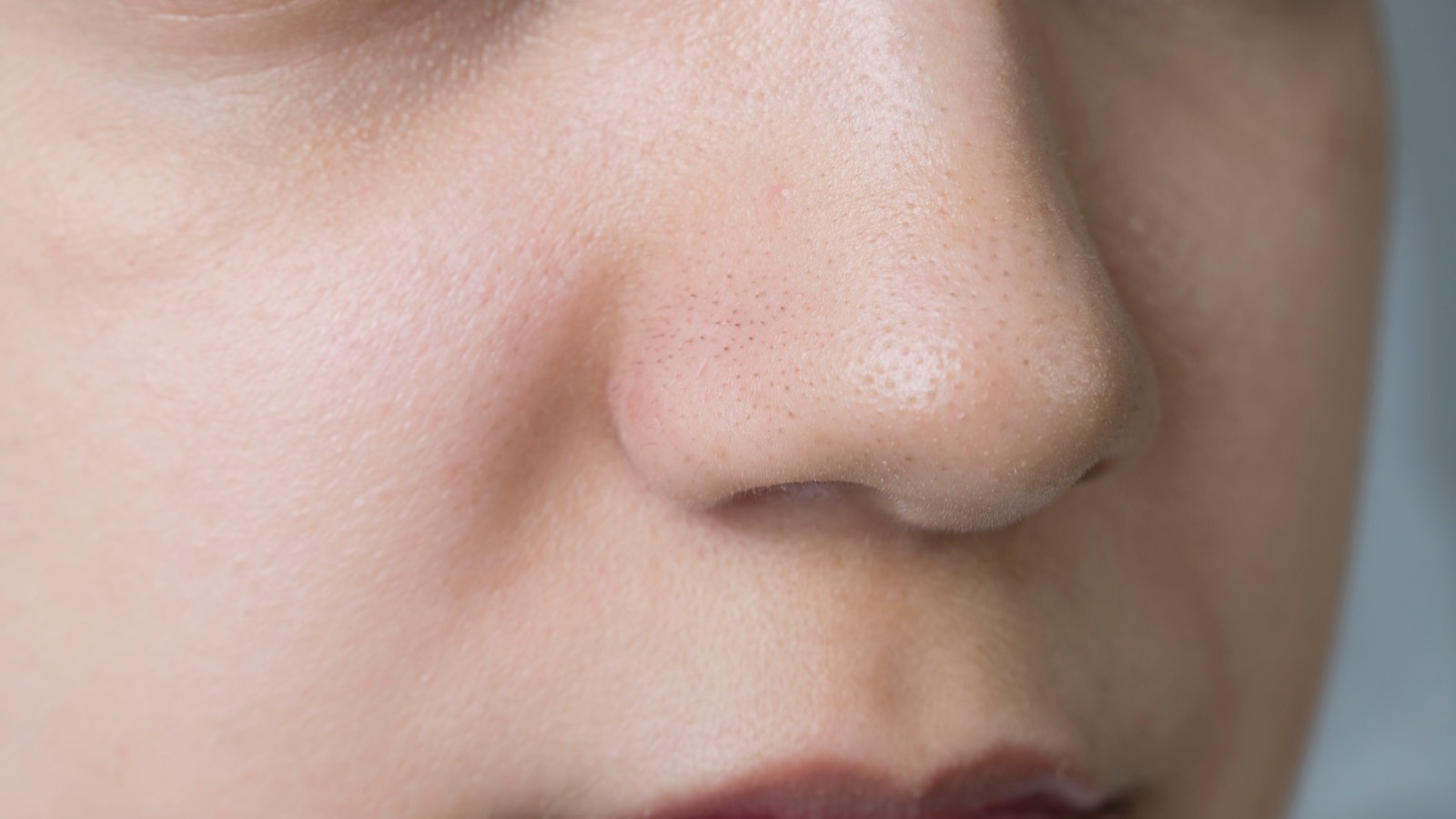
The winter shower routine that's kinder to your skin
A simple winter shower routine for softer, less itchy skin, including the right water temperature, how long to shower, which products to use, and the moisturising step most people miss.

On a cold morning, a long, steaming hot shower feels like the best part of the day. Then, an hour later, your legs itch, your back feels tight and your shins look like they've been dusted with flour.
"Shower routine" is one of the most searched self-care topics on Pinterest. Most routines online are about products. But in winter, the biggest wins are about how you shower. Here's a simple routine your skin will thank you for.
Why winter showers dry out your skin
Your skin is covered in a thin layer of natural oils that keeps moisture in. Hot water and long showers wash that layer away. Add harsh soaps, cold air outside and dry central heating inside, and skin loses water faster than it can replace it. That's when the itching, flaking and redness start.
The routine
1. Turn the temperature down
Use warm water, not hot. The American Academy of Dermatology (AAD) recommends warm rather than hot water for anyone with dry skin. A good rule: if the bathroom fills with steam and your skin turns pink, it's too hot.
2. Keep it short
Aim for 5 to 10 minutes. The longer you stand under the water, the more oil you lose. A short playlist of two or three songs is an easy timer.
3. Use a gentle, fragrance-free cleanser
Choose a creamy, moisturising body wash or a "syndet" bar labelled gentle or fragrance-free, rather than a strong deodorant soap. You don't need to lather every inch of your body every day. Focus on the areas that need it: armpits, groin, feet. Water is enough elsewhere on most days.
4. Skip the rough scrubbing
Loofahs and rough mitts can irritate dry skin, and they hold bacteria if they're not dried properly. Use your hands or a soft washcloth. Save exfoliation for once a week at most. Our DIY sugar scrub is a gentle option for rough elbows and knees.
5. Wash your face with lukewarm water
The skin on your face is thinner. Hot shower water hitting it directly can leave it red and tight. Many dermatologists suggest washing your face at the sink instead.
6. Pat, don't rub
Gently pat your skin with a soft towel so it's still slightly damp. Rubbing hard irritates skin.
7. Moisturise within 3 minutes
This is the step most people miss, and it makes the biggest difference. Apply a cream or ointment while your skin is still damp, to trap the water in. The AAD recommends moisturising within a few minutes of getting out of the shower or bath.
Look for creams with ceramides, glycerin, shea butter, petrolatum or hyaluronic acid. Thicker creams in a tub or tube usually work better in winter than thin pump lotions.
Extra tips for very dry skin
- Run a humidifier in the bedroom if the heating makes the air dry.
- Wear soft, breathable fabrics like cotton next to your skin. Wool can make itching worse.
- Drink enough water across the day, though it won't fix dry skin on its own.
- For dry hands, see our 9 habits for cracked winter hands.
Should you shower every day?
For most people, a daily short, warm shower is fine. Some dermatologists say that people with very dry skin may do better showering every other day in winter, especially older adults, whose skin produces less oil. It comes down to your skin, your activity level and what feels comfortable.
When to see a doctor
See a doctor or dermatologist if dry, itchy skin doesn't improve after a couple of weeks of better habits, if itching keeps you awake, or if you have cracks, bleeding, rashes or patches that look infected. It may be eczema or another skin condition that needs treatment.
If you like a calm start to the day, pair this with our 30-minute morning routine.
The bottom line
A skin-friendly winter shower is warm, short and gentle, and it ends with moisturiser on damp skin. Change those few habits and most people notice softer, calmer skin within a week or two.
Sources
- Dermatologists' top tips for relieving dry skin (American Academy of Dermatology)
- Dry skin: diagnosis and treatment (Mayo Clinic)

Stop Buying These 10 Foods (and what I buy instead to live longer)
10 simple swaps, a printable grocery list and a 7-day starter plan. Plus one practical health tip from me each week.
Sent! Check your inbox. Your guide is in an email from Jude at Health Makes You.
Not there in a minute? Check your Promotions or spam folder, and move it to your main inbox so you get my weekly tips.
No spam. Unsubscribe any time.

Written by
Jude Uchella
Jude is the founder of Health Makes You, a YouTube channel about the everyday choices that decide how long and how well you live. He turns real research into clear, practical steps anyone can start today.