
Menstruation comes with a mix of symptoms, including bloating, cramps, fatigue, and mood swings. While medication and rest help, what you eat plays a huge role in how you feel during your period. The right foods can reduce bloating, ease cramps, boost energy, and even improve your mood.
In this guide, we’ll explore the best foods to eat during your period to help you feel better. We’ll also break down why they work and how to include them in your diet.
How Your Diet Affects Menstrual Symptoms
Your body goes through hormonal shifts during your period, which can lead to:
- Water retention and bloating due to fluctuating estrogen and progesterone levels.
- Muscle cramps caused by contractions in the uterus.
- Fatigue and low energy from blood loss and lower iron levels.
- Mood swings and irritability due to changes in serotonin and dopamine.
- Increased cravings for sugar and carbs from hormonal imbalances.
Eating the right foods can help counter these effects by reducing inflammation, stabilizing blood sugar, replenishing lost nutrients, and keeping you hydrated.
Best Foods to Reduce Bloating and Discomfort
Oatmeal and Whole Grains

Whole grains like oatmeal, quinoa, and brown rice provide fiber, which helps regulate digestion and reduce bloating. They also contain B vitamins that support energy levels and mood.
How to Include Whole Grains:
- Start your morning with a bowl of oatmeal topped with fruits and nuts.
- Swap white rice for quinoa or brown rice in meals.
- Choose whole-grain bread for sandwiches.
Avocados
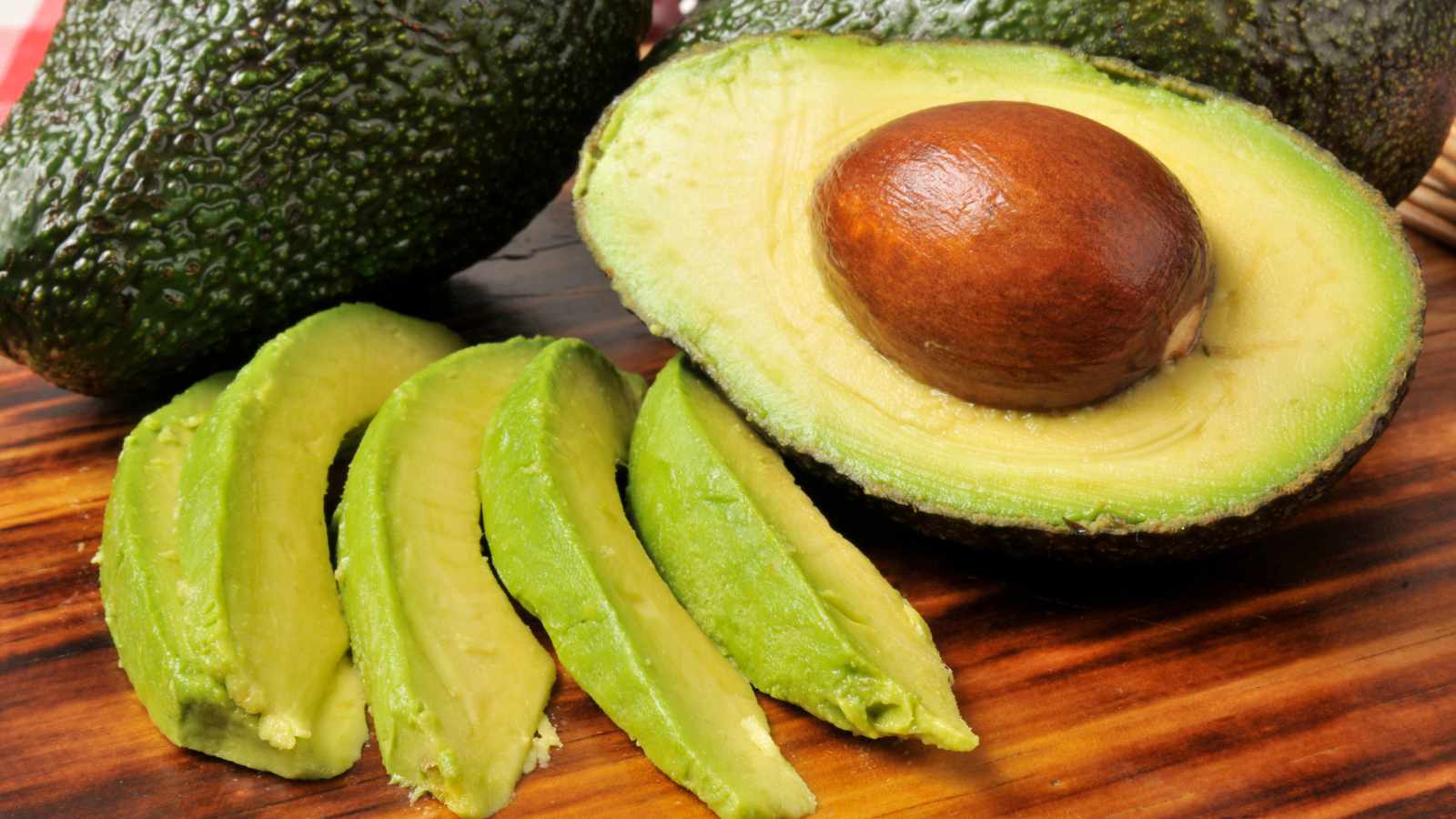
Avocados are packed with healthy fats, magnesium, and potassium, all of which help reduce bloating and ease cramps. They also support brain function, helping stabilize mood swings.
Ways to Eat Avocados:
- Mash on whole-grain toast with a sprinkle of salt and chili flakes.
- Blend into smoothies for a creamy texture.
- Add to salads, sandwiches, or omelets.
Watermelon and Cucumber
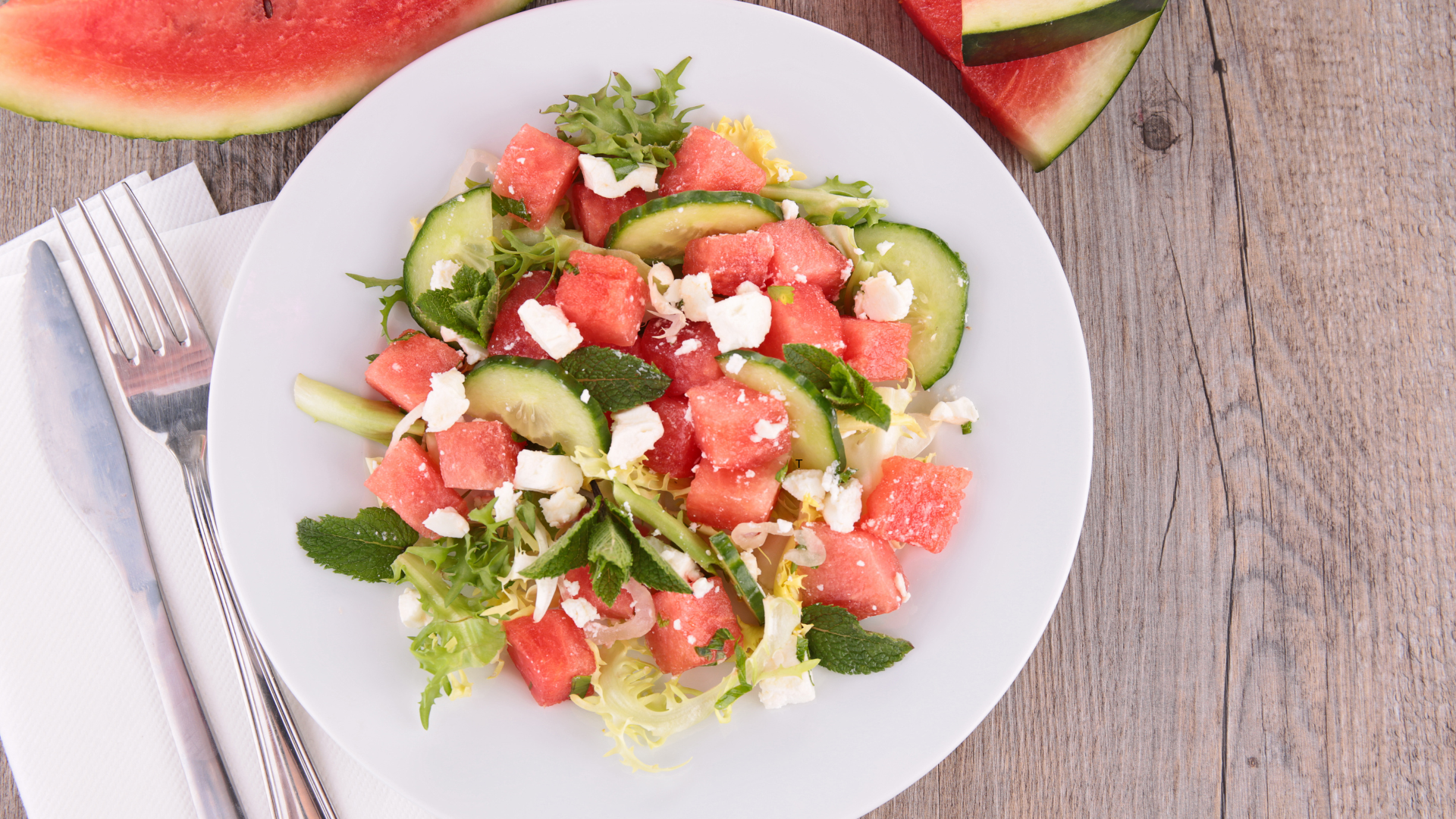
These water-rich foods help prevent dehydration and bloating. Staying hydrated can ease water retention, reducing that uncomfortable “puffy” feeling.
Best Ways to Eat Them:
- Snack on watermelon slices for a refreshing treat.
- Add cucumber to salads or infuse in water.
- Blend watermelon into a smoothie with mint and lime.
Leafy Greens (Spinach, Kale, Swiss Chard)
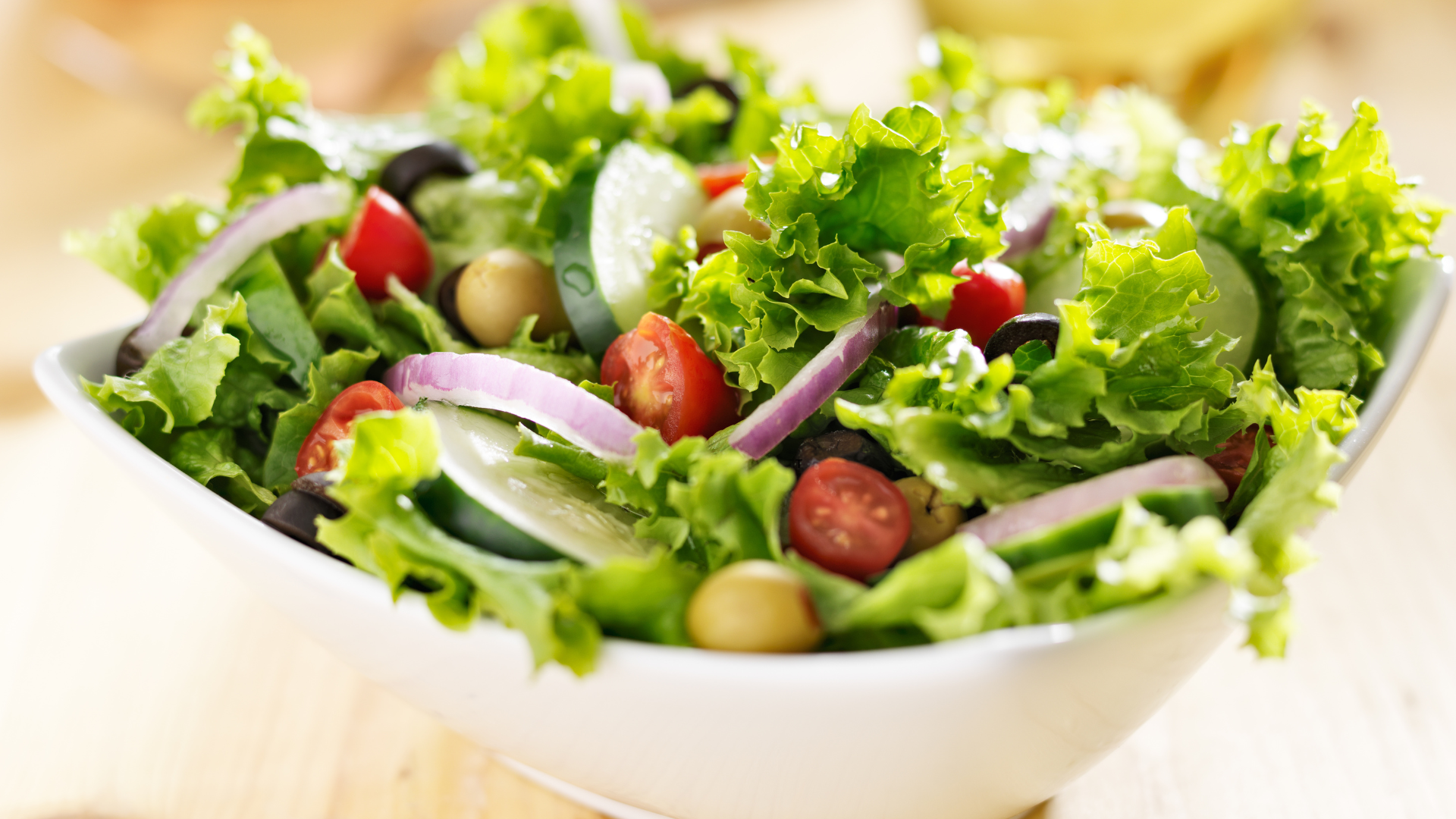
Leafy greens are packed with iron, which is essential since you lose some during your period. Low iron levels can lead to fatigue and weakness. These greens also contain magnesium, which helps relax muscles and ease cramps.
How to Add Them to Your Diet:
- Make a spinach and avocado smoothie for a nutrient-packed breakfast.
- Add kale to soups, salads, or stir-fries.
- Sauté Swiss chard with garlic and olive oil for a simple side dish.
Bananas

Bananas are rich in potassium and vitamin B6, which help reduce bloating and water retention. Potassium balances sodium levels, preventing excess fluid buildup. Plus, bananas help with digestion and can ease constipation, a common period issue.
Easy Ways to Eat Bananas:
- Eat one as a quick snack.
- Blend into a smoothie with yogurt and berries.
- Slice over oatmeal or whole-grain toast with peanut butter.
Salmon

Salmon is loaded with omega-3 fatty acids, which have anti-inflammatory properties that reduce period pain. These healthy fats also support brain function, helping with mood swings and irritability.
How to Include Salmon in Your Diet:
- Grill or bake salmon and serve with steamed vegetables.
- Add smoked salmon to whole-grain toast with avocado.
- Toss into salads or grain bowls for a protein boost.
Dark Chocolate (70% Cocoa or Higher)
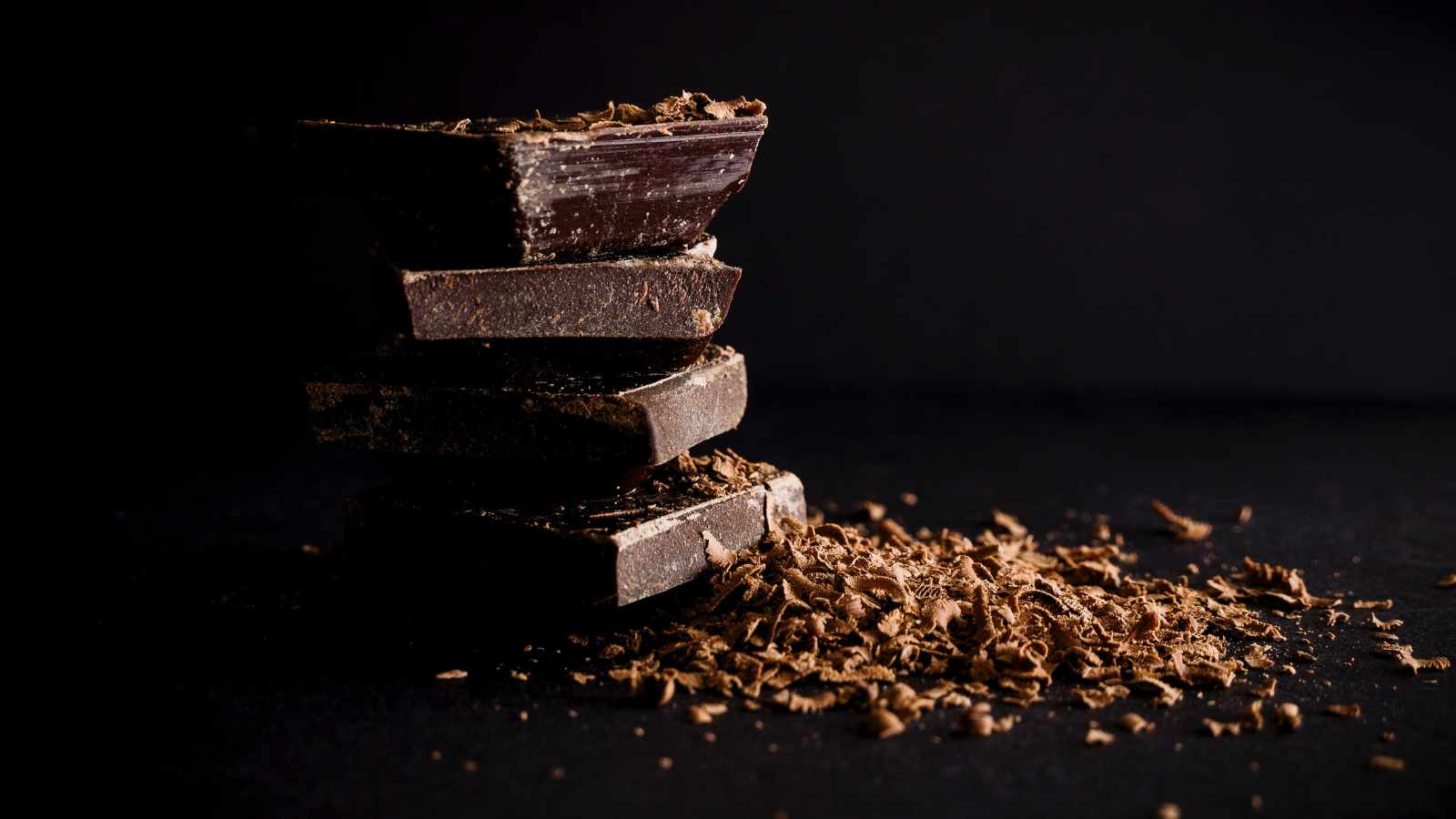
Craving chocolate? Go for dark chocolate! It’s rich in magnesium, which helps ease cramps and improves mood by boosting serotonin levels. It also contains iron to replenish what you lose during menstruation.
Best Ways to Eat Dark Chocolate:
- Eat a small piece as a snack.
- Melt and drizzle over fruits like strawberries or bananas.
- Mix with nuts for a satisfying trail mix.
Yogurt and Probiotic-Rich Foods

Your gut health affects your bloating and digestion. Probiotic-rich foods like yogurt, kimchi, and kefir help maintain a healthy gut, reducing bloating and supporting digestion. Plus, yogurt contains calcium, which may help reduce cramps.
How to Eat More Probiotics:
- Have a bowl of Greek yogurt with honey and berries.
- Add kimchi to rice bowls or scrambled eggs.
- Drink a small glass of kefir for a probiotic boost.
Ginger
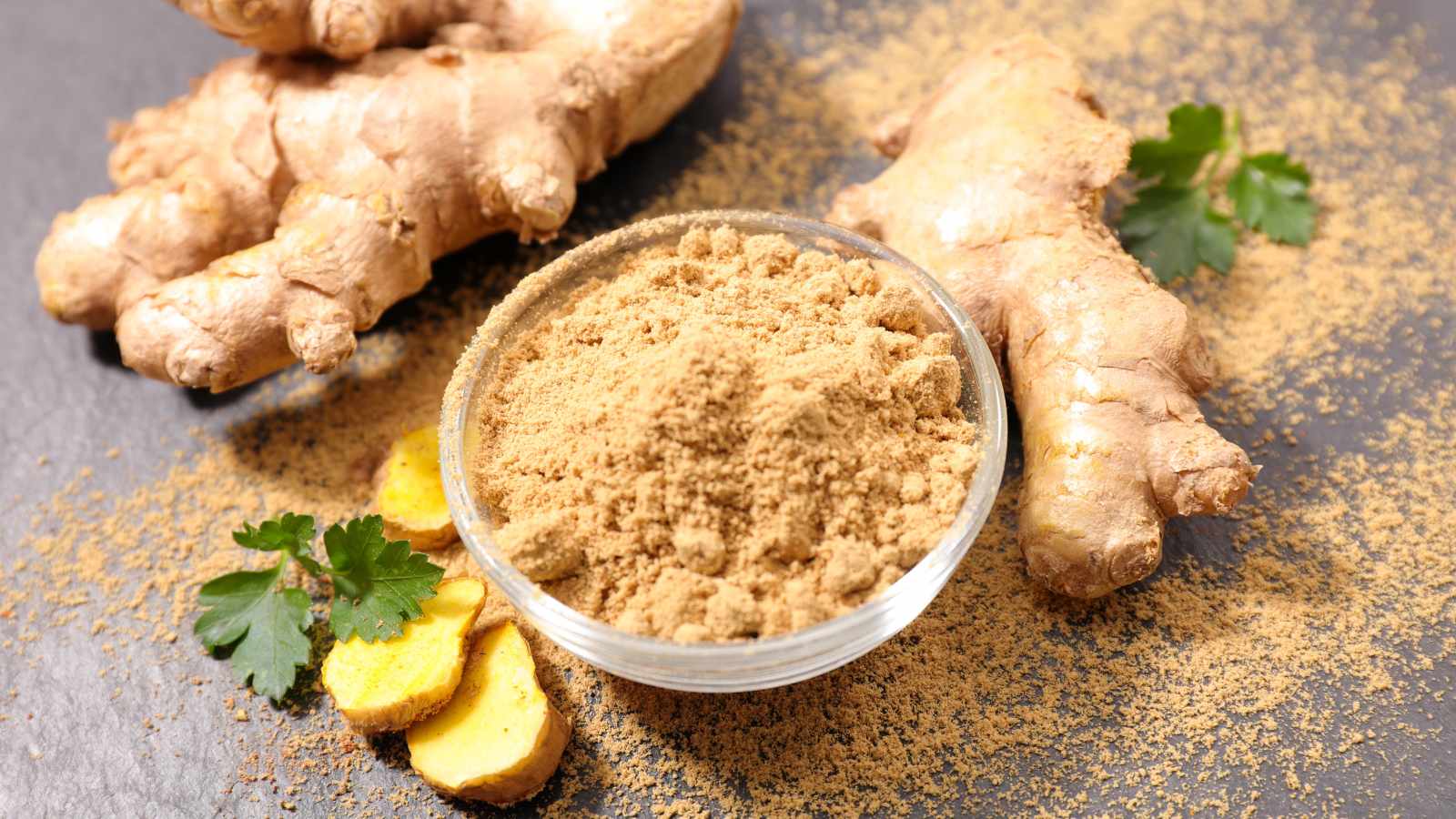
Ginger is a natural anti-inflammatory and can help reduce bloating and nausea. It also has pain-relieving properties that can ease period cramps.
Ways to Use Ginger:
- Brew fresh ginger tea with lemon and honey.
- Add grated ginger to soups, stir-fries, or smoothies.
- Snack on crystallized ginger (in moderation).
Nuts and Seeds (Almonds, Walnuts, Chia Seeds)

Nuts and seeds provide healthy fats, magnesium, and fiber, helping to reduce inflammation, bloating, and period pain. Walnuts, in particular, are high in omega-3s, while chia seeds are rich in fiber and calcium.
Easy Ways to Eat More Nuts and Seeds:
- Sprinkle chia seeds on yogurt, oatmeal, or smoothies.
- Snack on a handful of almonds or walnuts.
- Add ground flaxseeds to baked goods or soups.
Conclusion
Your period doesn’t have to be miserable. By choosing the right foods, you can ease bloating, reduce cramps, and improve your mood. Try incorporating leafy greens, bananas, salmon, yogurt, ginger, and herbal teas into your diet, and see how they make a difference.
At the same time, avoid foods that worsen period symptoms, such as salty snacks, sugary treats, caffeine, and processed foods.