
Hormones regulate various bodily functions, including metabolism, mood, and reproductive processes. While hormonal imbalances can stem from multiple factors, diet is a significant contributor. This article discusses the foods you should avoid or limit to maintain healthy hormone levels.
Highly Processed Vegetable Oils

Highly processed vegetable oils are high in omega-6 fatty acids but lack omega-3s. This imbalance can contribute to inflammation in the body, which is a risk factor for many health conditions, including hormonal imbalances. These oils are also hydrogenated, leading to trans fats, which can also disrupt hormonal equilibrium.
Refined Sugars

Refined sugars can disrupt hormonal balance by causing frequent blood sugar and insulin spikes. This insulin surge can lead to insulin resistance and the overproduction of androgens, resulting in health issues like PCOS, acne, and irregular menstrual cycles.
Dairy Products
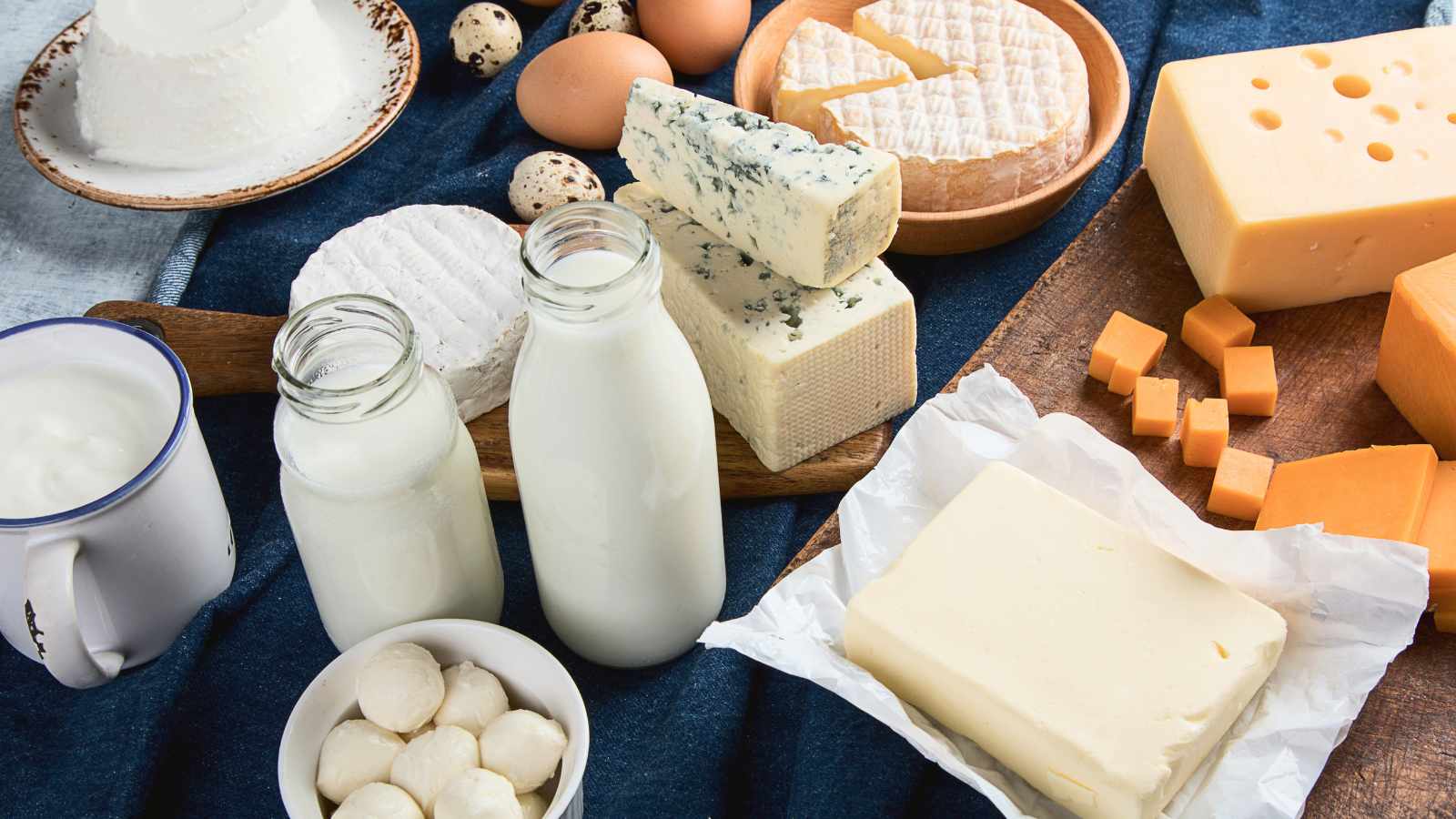
Dairy products contain proteins and naturally occurring hormones that can disrupt hormonal balance when consumed excessively. In women, this may result in irregular periods, acne, and worsened premenstrual symptoms. Men may experience reduced testosterone production from excessive dairy intake.
Non-organic Meat and Poultry

Conventionally raised meat and poultry may contain traces of hormones and antibiotics administered to animals. Regularly consuming such meat products could introduce these substances into the human body, potentially leading to hormonal disruptions.
Alcohol

Alcohol affects hormone levels directly by interfering with the functionality of the glands that release hormones and the mechanisms that allow hormones to communicate with cells. Regular or excessive alcohol consumption can cause the liver to overwork, leading to an imbalance of enzymes that are necessary for hormone production.
Caffeine Overconsumption

While moderate caffeine consumption may provide several health benefits, overconsumption can trigger hormonal imbalances. High intake of caffeine stimulates the adrenal glands, leading to the production of stress hormones like cortisol. Excessive cortisol may disrupt the balance of other hormones in the body.
Soy-Based Products

Soy-based products contain phytoestrogens, which mimic the body’s naturally occurring hormone functions. When consumed in large quantities, these phytoestrogens can prevent the body’s estrogen receptors from functioning correctly. As a result, the body may not respond to its estrogen, leading to a decrease in the overall effectiveness of this hormone.
Highly Salted Foods

Sodium, the primary component of salt, is vital for maintaining the body’s fluid balance, nerve transmission, and muscle function. However, excessive sodium consumption can increase blood pressure, causing the adrenal glands to overproduce aldosterone, a hormone responsible for managing sodium levels.
Cruciferous Vegetables in Excess

Cruciferous vegetables like broccoli, cauliflower, Brussels sprouts, and kale contain compounds called goitrogens, which can interfere with thyroid hormone production when consumed in excess. Goitrogens inhibit the absorption of iodine, an essential mineral for the thyroid to produce its hormones.
High-Glycemic Index Carbohydrates

Consuming high-glycemic index carbohydrates, like white bread and white rice, can cause a rapid spike in blood sugar levels. The rapid spike prompts the pancreas to produce more insulin, leading to an overabundance of this hormone. The excess insulin can disrupt other hormone functions, resulting in a hormonal imbalance and contributing to weight gain, mood disorders, and cancer.
Artificial Sweeteners

Artificial sweeteners can trick the body into believing it has consumed sugar, leading to an insulin response. When this happens frequently, the body may start producing insulin unnecessarily, even when no real glucose is metabolized. High levels of insulin can create a hormonal imbalance, affecting the function of other hormones and leading to metabolic syndrome, diabetes, and obesity.
More From Health Makes You

Eating is essential to your survival, but many food items can cause serious harm and put you at risk of death if ingested in large quantities or not prepared properly. Some of them are common foods you consume every day.
30 Dangerous Foods You Didn’t Know Could Kill You
16 Foods Boomers Love That Millennials Won’t Touch

The generation gap between Baby Boomers and Millennials can be seen in many aspects of life, from how they dress and listen to music to how they shop and eat. Here’s a look at some dishes Boomers love, but Millennials won’t touch.
16 Foods Boomers Love That Millennials Won’t Touch
The Top 25 Most Popular Foods in America You Must Try Once in Your Life

America is a melting pot of cultures, and its cuisine reflects that. From coast to coast, you can find all sorts of unique dishes that are delicious and nutritious. Here’s a list of the top 25 most popular foods in America that you must try at least once in your life!
The Top 25 Most Popular Foods in America You Must Try Once in Your Life
15 Foods Americans Eat That Foreigners Find Disgusting

Americans have various culinary preferences, and some foods popular in the United States may seem strange or even disgusting to foreigners. Here are some foods Americans eat that foreigners find most disgusting.
15 Foods Americans Eat That Foreigners Find Disgusting
10 Foods to Never Eat for Breakfast

Breakfast is the most important meal of the day as it sets the tone for your energy levels and how you function throughout the day. While some foods provide the necessary fuel to conquer the day, others derail your diet plans and leave you sluggish. Here’s a list of common foods to avoid to start your day right.
10 Foods to Never Eat for Breakfast
This article was produced on Health Makes You.