
In today’s fast-paced world, the consumption of processed foods is on the rise. These convenient meals, however, often harbor a hidden danger – chemicals. Many of these additives and preservatives can have serious health implications, silently wreaking havoc on our bodies.
In this article, you will discover these dangerous chemicals, shedding light on why they are used, their potential effects, and how to steer clear of them.
Partially Hydrogenated Oils

Commonly known as trans fat, these oils extend the shelf life of processed foods such as margarine, chips, and baked goods. These foods can sit on supermarket shelves for months without going bad, but the cost to your health is considerable.
Eating trans fat increases your risk of heart disease and stroke and should be avoided at all costs. The good news is that trans fat has been slowly phased out of many processed foods — but check the label before buying!
Check food labels to confirm your food is trans-fat-free or low in trans fats.
High Fructose Corn Syrup
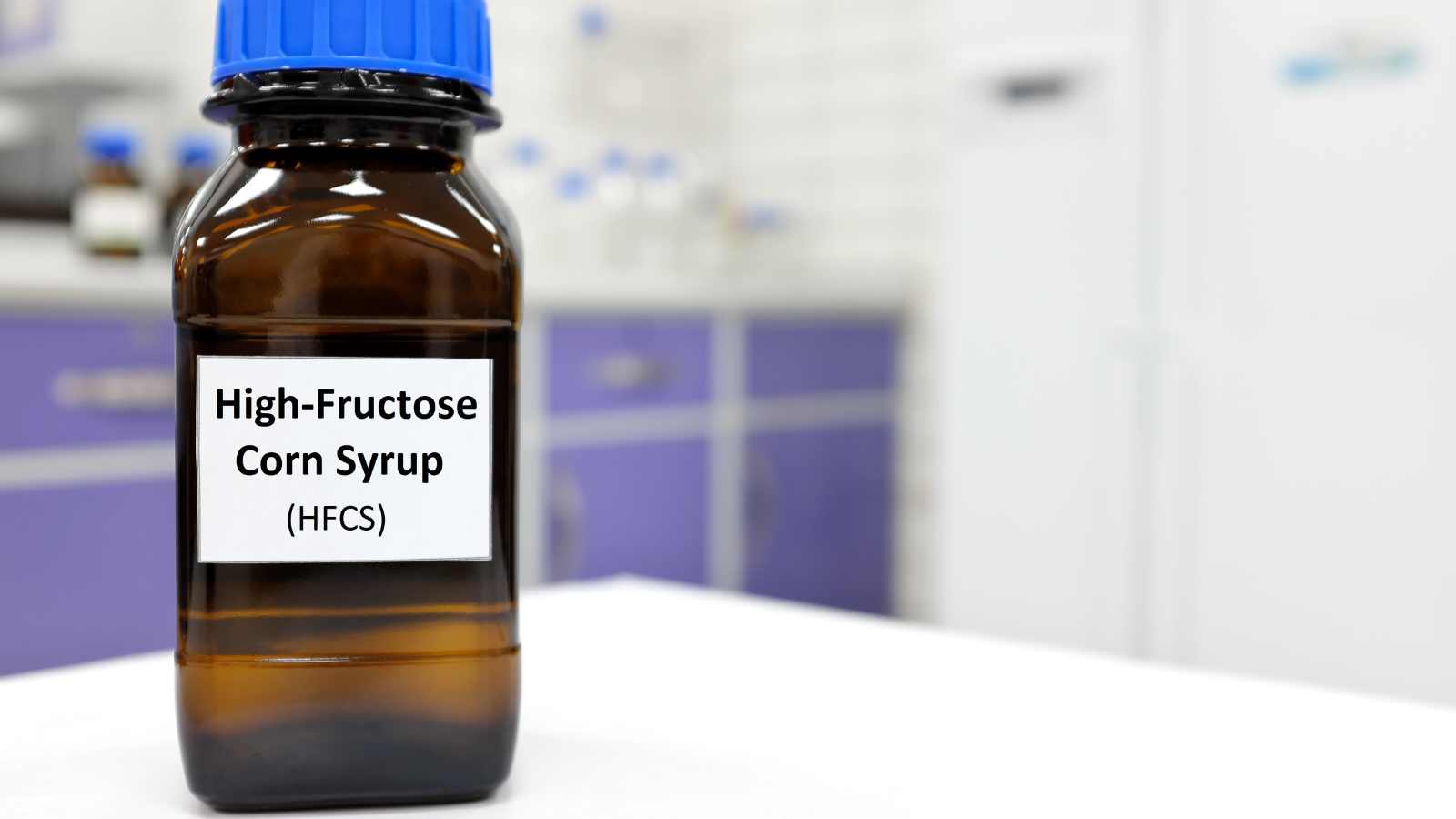
High fructose corn syrup (HFCS) is a common sweetener in processed foods and beverages. It has been linked to obesity, diabetes, and other health issues due to its high simple sugars.
Some studies found that Americans consume more calories from high fructose corn syrup than any other added sugar. Why? It’s added to almost everything, from soda and candy to bread and condiments.
Look for foods with natural sweeteners such as honey, maple syrup, or stevia. Read labels carefully and avoid beverages with added high fructose corn syrup.
Monosodium Glutamate (MSG)
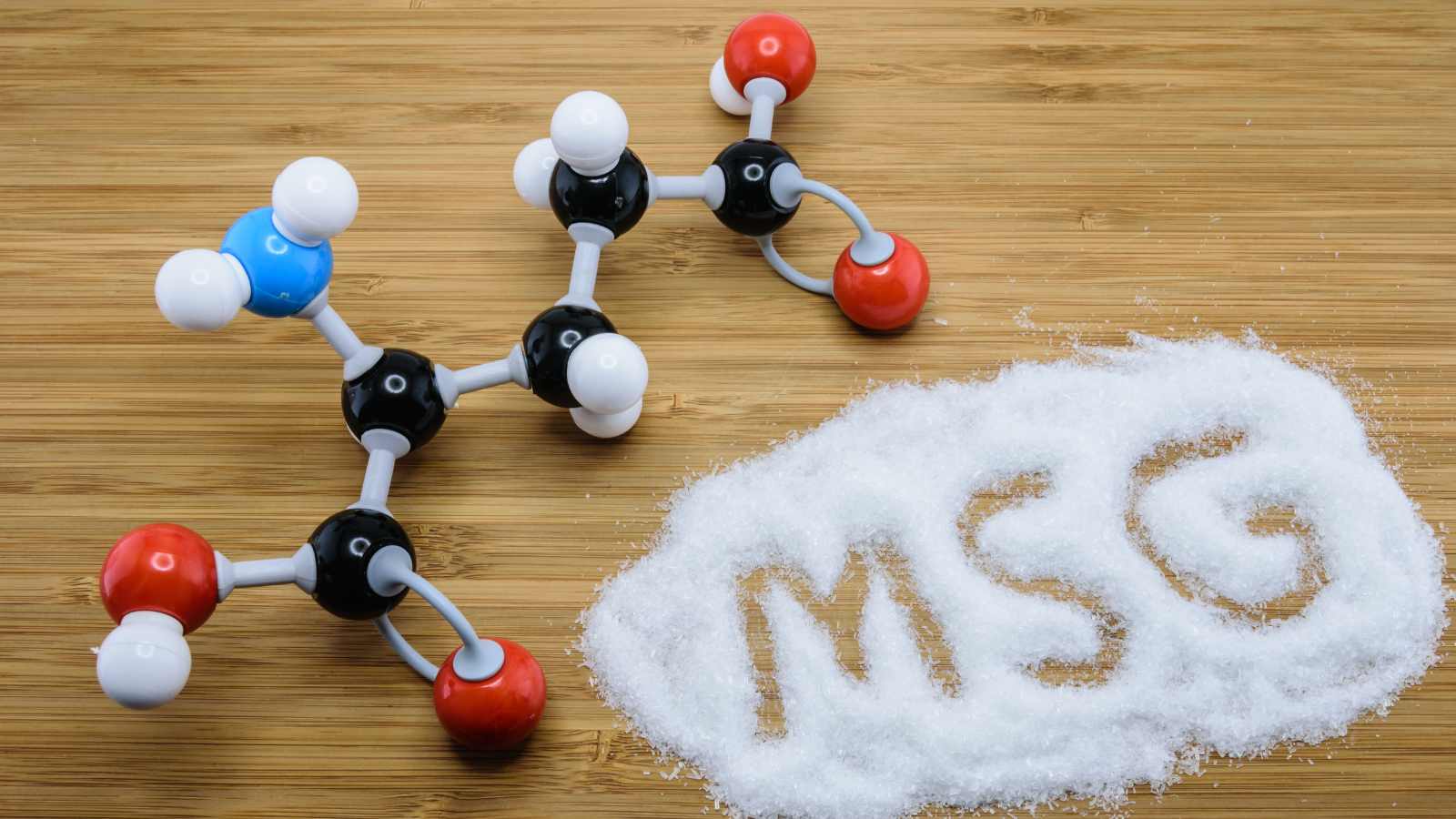
MSG or Monosodium glutamate is an additive used to enhance the flavor of processed foods. It has been linked to various symptoms, including headaches, nausea, and even seizures in some people.
It’s not always easy to identify as it can be listed under other names, such as yeast extract or autolyzed yeast. To avoid MSG, look for products labeled as “No Added MSG” and check the ingredient list for any of its other names. Better yet, flavor your food with herbs and spices instead.
Artificial Colors

Artificial colors are commonly used to give processed foods vivid hues but are not without risks. It contains small amounts of lead and arsenic. Consuming large quantities can increase the risk of Attention Deficit Hyperactivity Disorder, cancer, and other health issues.
Navigate the aisles of your supermarket with caution, as these artificial colors may be lurking in processed foods such as soft drinks, candy, and even breakfast cereals.
Look for products labeled “All Natural” or “No Artificial Colors” and opt for foods with natural colorings such as beet juice, turmeric, and paprika instead. Additionally, choose fresh fruits and vegetables instead of processed versions with added dyes.
Artificial Sweeteners

Commonly found in diet sodas and other low-calorie products, artificial sweeteners like aspartame, saccharin, and sucralose can help to reduce your calorie intake — but at what cost? Some research has linked them to metabolic syndrome, weight gain, cancer, and more.
If you’re looking for a healthier alternative to processed foods, opt for natural sweeteners such as honey, maple syrup, and coconut sugar. These are still high in calories and should be used sparingly, but they contain more nutrients than artificial sweeteners.
Sodium Nitrite/Nitrate

Commonly added to processed meats like bacon, hot dogs, deli meats, and sausages, these preservatives are linked to an increased risk of cancer due to the formation of compounds called nitrosamines.
When shopping for processed meats, look for products labeled “No Added Nitrites/Nitrates” or those cured with plant-based alternatives such as celery powder. Also, get fresh proteins like chicken and fish instead of processed versions to limit your exposure to sodium nitrite/nitrate.
Sodium Benzoate and Potassium Benzoate
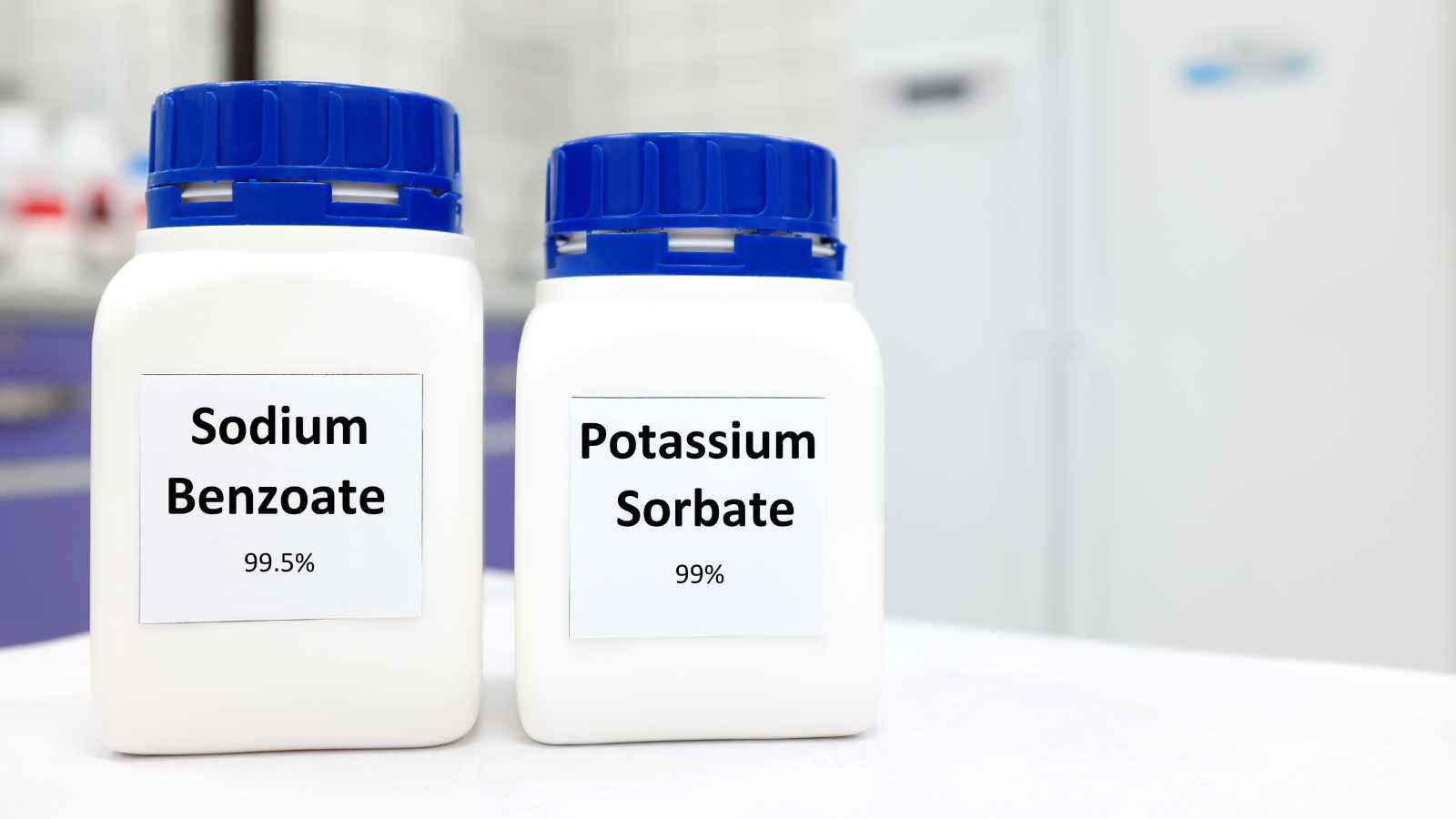
Sodium benzoate and potassium benzoate are preservatives in many processed foods, from soft drinks to salad dressings. Benzene is a known carcinogen formed when these preservatives are exposed to high temperatures or light. That carcinogen can be found in the atmosphere but is especially dangerous when consumed through food.
Limit your exposure to these preservatives by avoiding processed foods with added preservatives. Too much preservative exposure is not good for your health, so choose fresh, natural ingredients whenever possible.
Processed Grains

Processed grains like white flour, rice, pasta, and bread are stripped of their nutrient-dense outer layers during refining. While the remaining white, the starchy center is technically a carbohydrate, it lacks essential nutrients such as fiber and vitamins.
Also, these grains are easy to digest, so they can cause your blood sugar to spike. This is especially problematic for people with diabetes or those trying to lose weight. Choose whole grains like quinoa, brown rice, and oats, or look for products labeled “whole grain” or “whole wheat” to ensure you get all the beneficial nutrients.
More From Health Makes You

Food is one of the best things in life, and trying new cuisines can be a great way to experience different cultures. You won’t be too keen on trying these foods when you first see them. But don’t judge a book by its cover – these unique dishes may look disgusting, but are actually delicious!
11 Foreign Foods That Look Gross But Are Surprisingly Delicious
19 Foods From Other Countries That Americans Find Disgusting

Some foods from other countries are delicacies to those who live there but can be downright disgusting to Americans. Here are some of the most unusual and sometimes off-putting foods that Americans would definitely not want to try!
19 Foods From Other Countries That Americans Find Disgusting
20 Dangerous Foods Your Doctor Tells You to Avoid, But You Keep Eating Anyway

You must eat to survive, but certain foods can endanger your life! In this article, we’ll show you 20 foods that you should never eat and why. Consuming these dangerous foods can cause serious health problems or even death. It’s not too late to change your diet, so don’t risk eating these foods any longer!
20 Dangerous Foods Your Doctor Tells You to Avoid, But You Keep Eating Anyway
The 30 Worst Foods to Eat After Age 30

Eating healthily is vital at all times, but after 30, consuming certain foods can harm more than help. By avoiding these thirty food items when you reach your thirties, you can promote lasting health and happiness for years.
The 30 Worst Foods to Eat After Age 30
The 20 Most Disgusting Foods in the World

From the exotic to the downright bizarre, there is an abundance of unusual dishes from around the world that can make your stomach turn. Consider this roundup a heads-up to steer clear of these 20 disgusting foods, but if you’re feeling adventurous, give them a try!
The 20 Most Disgusting Foods in the World
This article was produced on Health Makes You.