
It’s often said that ‘you are what you eat,’ but few truly understand the profound impact our dietary habits can have on our overall health and wellbeing. Over time, seemingly benign eating habits can gradually wreak havoc on your body, leading to a multitude of health issues.
The following list unveils 15 such habits that, unbeknown to many, are slowly damaging your health. Awareness is the first step towards change, so let’s dive in and learn about these harmful habits.
Overeating

Overeating can cause a massive spike in your blood sugar levels, leading to an excessive influx of insulin. This rapid increase and decrease in your body’s blood sugar levels can cause fatigue, dizziness, and headaches, putting you at risk for developing diabetes. Eat smaller meals throughout the day to prevent this from happening.
Skimping on Protein

Protein is an essential macronutrient that supports muscle growth, repairs tissue damage, and helps you feel fuller for longer. Not getting enough protein in your diet can lead to muscle loss, weak bones, fatigue, and feeling hungry despite eating. Be careful with diets focusing on cutting calories instead of nourishing your body – they may be skimping on protein.
Not Eating Enough Fruits and Vegetables

Fruits and vegetables are some of the most nutrient-dense foods, packed with vitamins, minerals, antioxidants, and fiber. Not eating enough fruits and vegetables can lead to many deficiencies that can cause mental fog, poor skin health, a weakened immune system, fatigue, and more.
Eating Too Many Processed Foods

Processed foods are usually high in sugar, sodium, unhealthy fats, and additives. Too many processed foods can lead to weight gain and an increased risk of developing diabetes or heart disease. Try preparing your meals from scratch using whole ingredients.
Skipping Breakfast

Breakfast is the most important meal of the day – it helps to boost your metabolism, gives you energy for the day, and can help with weight loss. Skipping breakfast can lead to overeating at other meals and cravings for unhealthy snacks throughout the day. Try having something light and nutritious, like oatmeal or a smoothie, in the morning.
Eating Too Fast

Eating too fast can cause digestive issues like heartburn, bloating, or indigestion. It also hinders your body’s ability to recognize when it is full, leading you to consume more food than necessary and putting you at risk for weight gain. Slow down while eating and savor each bite.
Drinking Sugary Drinks

Soda, energy drinks, and sweet tea are examples of sugary beverages that can wreak havoc on your health. Consuming these drinks can lead to rapid weight gain and increased risks for diabetes and high blood pressure. Stick with water or add fresh fruit slices to plain sparkling water instead.
Not Drinking Enough Water

Water is crucial for the human body – it helps flush out toxins, lubricate your joints, and regulate your temperature. Not drinking enough water can lead to fatigue, dehydration, headaches, and dry skin. Make sure you’re getting at least 8 cups of water per day.
Eating Too Late at Night

Eating too late can interfere with your body’s natural circadian rhythm, leading to insomnia and fatigue. Eating before bed can also cause indigestion or heartburn, making it difficult for you to sleep. Aim to finish eating your last meal 2-3 hours before bed.
Relying on Diet Foods

While it’s important to watch your calorie intake, relying too heavily on diet foods can be counterproductive. Diet foods may be low in calories but they are often highly processed and lack key nutrients that your body needs to stay healthy. Opt for fresh whole foods like fruits and vegetables instead.
Making Unhealthy Food Swaps

Swapping out unhealthy ingredients for healthy ones can be a great way to make your meals healthier. But replacing one harmful component with another is not beneficial. For example, swapping out butter for margarine may seem like a better alternative, but margarine is high in trans fat. Always read labels and choose the healthiest ingredients you can for your meals.
Not Eating Enough Fiber
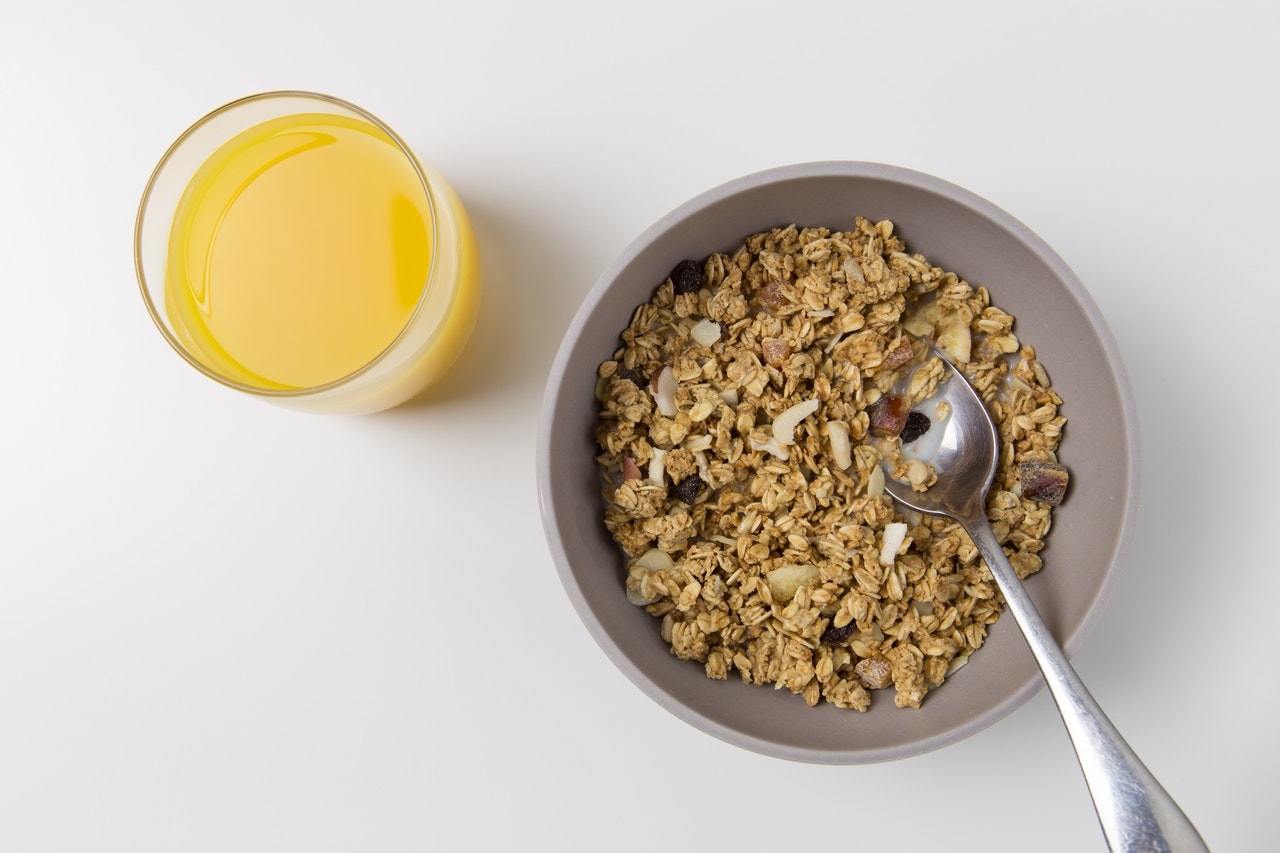
Fiber is an essential nutrient that keeps your digestive system running smoothly. Not eating enough fiber can lead to constipation, bloating, and other digestive issues. Ensure you get at least 25 grams of fiber per day from sources like fruits, vegetables, legumes, and whole grains.
Eating the Same Foods Repeatedly

It’s easy to fall into the habit of eating the same foods for breakfast, lunch, and dinner every day. However, this could lead to a lack of essential vitamins and minerals in your diet. Eat a variety of nutritious foods daily – including different types of proteins, grains, fruits, vegetables, and dairy products.
Ignoring Portion Sizes

Portion control is an important part of a healthy diet. Eating too much can lead to weight gain, fatigue, and digestive problems. Make sure you’re paying attention to how much food you put on your plate – aim for smaller portions that are filling yet still nutritious.
Eating Unnaturally Low-Fat Foods

Low-fat foods may seem healthy, but they often contain added sugar or artificial sweeteners to compensate for the lack of fat. Consuming too much sugar can lead to weight gain and an increased risk of developing diabetes or heart disease. Choose whole foods over processed, low-fat options whenever possible.
More From Health Makes You

Food is one of the best things in life, and trying new cuisines can be a great way to experience different cultures. You won’t be too keen on trying these foods when you first see them. But don’t judge a book by its cover – these unique dishes may look disgusting, but are actually delicious!
11 Foreign Foods That Look Gross But Are Surprisingly Delicious
19 Foods From Other Countries That Americans Find Disgusting

Some foods from other countries are delicacies to those who live there but can be downright disgusting to Americans. Here are some of the most unusual and sometimes off-putting foods that Americans would definitely not want to try!
19 Foods From Other Countries That Americans Find Disgusting
20 Dangerous Foods Your Doctor Tells You to Avoid, But You Keep Eating Anyway

You must eat to survive, but certain foods can endanger your life! In this article, we’ll show you 20 foods that you should never eat and why. Consuming these dangerous foods can cause serious health problems or even death. It’s not too late to change your diet, so don’t risk eating these foods any longer!
20 Dangerous Foods Your Doctor Tells You to Avoid, But You Keep Eating Anyway
The 30 Worst Foods to Eat After Age 30

Eating healthily is vital at all times, but after 30, consuming certain foods can harm more than help. By avoiding these thirty food items when you reach your thirties, you can promote lasting health and happiness for years.
The 30 Worst Foods to Eat After Age 30
The 20 Most Disgusting Foods in the World

From the exotic to the downright bizarre, there is an abundance of unusual dishes from around the world that can make your stomach turn. Consider this roundup a heads-up to steer clear of these 20 disgusting foods, but if you’re feeling adventurous, give them a try!
The 20 Most Disgusting Foods in the World
This article was produced on Health Makes You.