
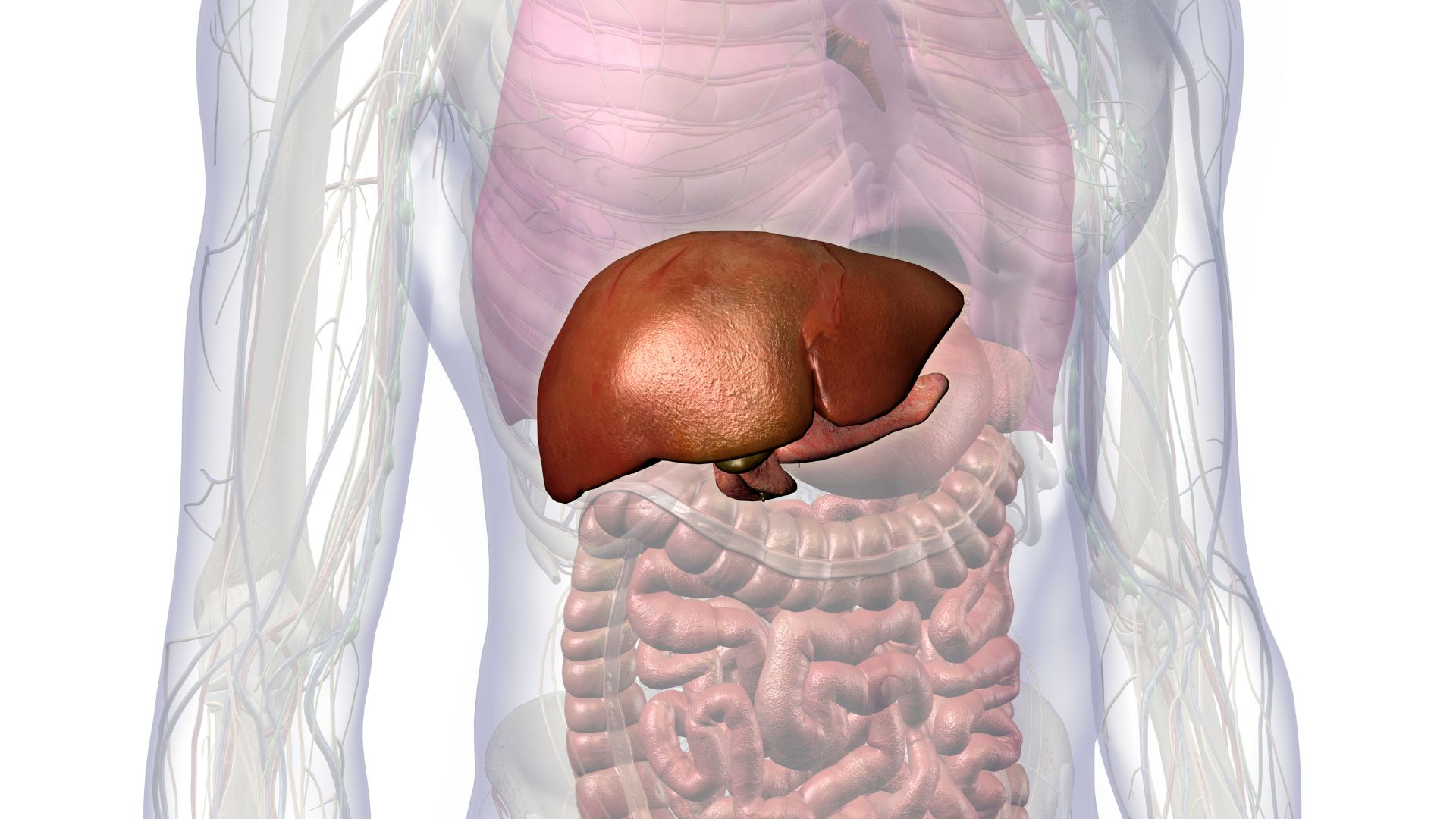
The human liver works silently, tucked under the rib cage, filtering blood, regulating nutrients, and clearing waste. Every meal, drink, and medication you take goes through this organ before reaching the rest of your body. It’s often talked about in general terms, but few people understand how it actually deals with the daily flood of toxins, alcohol, and sugar-heavy treats.
In this article, we’ll break down how the liver manages three common challenges: harmful substances, alcohol consumption, and sugar overload. You’ll walk away with a better grasp of what your liver does every day, and how your choices impact its long-term function.
Detox Isn’t What You Think: How the Liver Actually Filters Toxins
The term “detox” gets thrown around often, but your liver doesn’t need juice cleanses or expensive supplements to do its job. Its detox system works on a molecular level, transforming harmful substances into compounds your body can safely remove through urine or stool.
When a toxin enters your body, say, through air pollution, processed food additives, or medication, the liver engages in a two-step process. First, enzymes in the liver modify the chemical structure of the toxin. Then, the altered compound binds to another substance that makes it water-soluble and ready for elimination.
A Closer Look at Liver Enzymes
- Phase I enzymes, primarily cytochrome P450s, begin by breaking toxins down into intermediate forms.
- Phase II enzymes then attach these byproducts to molecules like glutathione or sulfate, making them easier to excrete.
Your liver runs this process constantly, 24/7. It doesn’t require outside help; only your support through hydration, protein intake (for enzyme production), and minimal exposure to harmful chemicals is needed.
Processing Alcohol: Why “Just One More Drink” Adds Up Fast
Alcohol is treated like a toxin because, at high levels, it can damage cells and interfere with the nervous system. When you drink, about 90% of the alcohol is broken down in the liver, with the remaining 10% excreted through sweat, breath, and urine.
The main workhorse in alcohol metabolism is an enzyme called alcohol dehydrogenase (ADH). This enzyme converts alcohol into acetaldehyde, a highly reactive and toxic compound. Then another enzyme, acetaldehyde dehydrogenase (ALDH), turns acetaldehyde into acetate, which your body can use for energy or eliminate.
Why You Feel That Hangover
- Acetaldehyde buildup is the reason behind headaches, nausea, and fatigue.
- Drinking faster than your liver can process leads to accumulation.
- Individual tolerance varies based on enzyme levels, genetics, and liver health.
The liver processes about one standard drink per hour. Anything more starts to stack up, making your system work harder and increasing the risk of liver stress, especially with repeated exposure.
That Extra Slice of Cake? Your Liver Notices
Sugar doesn’t just affect your waistline; it affects your liver directly. When you consume sweets, your body breaks down carbohydrates into glucose and fructose. While most cells can use glucose for energy, only the liver can metabolize fructose.
This means every sugary snack you eat sends a direct message to your liver. Fructose is turned into glycogen (stored energy) or, if there’s already enough, it’s converted into fat. Over time, excess sugar, especially in the form of high-fructose corn syrup, can lead to fat buildup in the liver.
The Rise of Fatty Liver Disease
- Non-alcoholic fatty liver disease (NAFLD) now affects nearly 1 in 4 adults worldwide.
- It often develops quietly, without symptoms.
- Over time, it can lead to inflammation, scarring, and reduced liver function.
So while a single dessert won’t break your system, repeated spikes in sugar, especially from processed snacks and sweetened drinks, put strain on the liver’s ability to maintain balance.
What Happens When the Liver Gets Overloaded
Now, the liver has a high threshold for stress, but it’s not limitless. When it’s overwhelmed by constant exposure to alcohol, high-sugar diets, or toxic substances, the result is damage that accumulates slowly over time.
Fatty deposits, inflammation, and scarring (also known as fibrosis) can interfere with the liver’s filtering systems. Eventually, this can progress into cirrhosis, where scar tissue replaces healthy cells and disrupts normal function. In advanced cases, this leads to liver failure, which can be fatal without a transplant.
Warning Signs Aren’t Always Clear
Liver damage often develops silently. Symptoms like fatigue, abdominal discomfort, or swelling usually appear late. That’s why understanding the liver’s workload and supporting it early matters.
How You Can Support Your Liver Every Day
You don’t need special detox teas or cleanses. Instead, the best way to support your liver is by making steady, daily choices that reduce its burden.
Simple Actions That Help:
- Limit alcohol to one drink a day (for women) or two (for men), with alcohol-free days during the week.
- Choose whole foods over processed snacks, especially those with added sugars and preservatives.
- Stay hydrated to aid in toxin elimination.
- Eat enough protein to maintain enzyme function.
- Move regularly to reduce fat buildup in liver tissue.
Adding variety to your diet with leafy greens, omega-3 fats (like those from fish), and high-fiber foods can also ease the liver’s workload. These nutrients don’t “cleanse” the liver, but they support the metabolic processes it relies on.
Wrapping Up
Your liver handles more than you think, from filtering pollutants to breaking down alcohol and managing sugar intake. While it’s built to handle these tasks, repeated overexposure to harmful substances and poor nutrition wears it down over time.
By understanding how your liver processes toxins, alcohol, and sugar, you can make choices that reduce stress on this vital organ. Instead of chasing detox trends, focus on simple habits that allow the liver to do what it’s designed for quiet, constant protection.