
Period cramps, also called dysmenorrhea, can feel like a dull ache or a sharp, throbbing pain in the lower belly. They happen when the muscles of the uterus tighten to help shed its lining. For some, the pain is mild and manageable. For others, it can interfere with daily activities.
This article explores natural ways to relieve period cramp pain; methods that are safe, practical, and easy to try at home. Let’s see them.
Apply Heat to the Lower Abdomen

Using heat is one of the simplest and most effective ways to ease cramps. A heating pad or hot water bottle placed on your lower belly relaxes the muscles and improves blood flow. This can help reduce the tightness that causes pain during your period.
You can also soak in a warm bath for 15–20 minutes. The warmth soothes the whole body, which may ease stress and make the pain feel less intense.
Try Gentle Movement and Stretching

Light activity may not be the first thing on your mind during your period, but it can help. Movement improves circulation and may lower inflammation, both of which can ease cramping. Stretching or going for a slow walk can provide some relief without overexertion.
Best Exercises for Cramps
- Pilates help stretch the lower back and abdominal muscles.
- Walking at a relaxed pace helps loosen stiff muscles and promote circulation.
- Pelvic tilts or gentle core work can help support the muscles involved in cramping.
Drink Herbal Teas with Soothing Effects

Certain teas contain natural compounds that relax muscles and reduce pain. They also keep you hydrated, which helps the body work better during your period.
Helpful Herbal Options
- Ginger tea may ease inflammation and help with nausea.
- Chamomile tea can act as a natural muscle relaxant.
- Peppermint tea has a calming effect on the body and may ease digestive cramps.
Avoid teas with caffeine, as it can narrow blood vessels and make cramping worse.
Eat Foods That Fight Inflammation
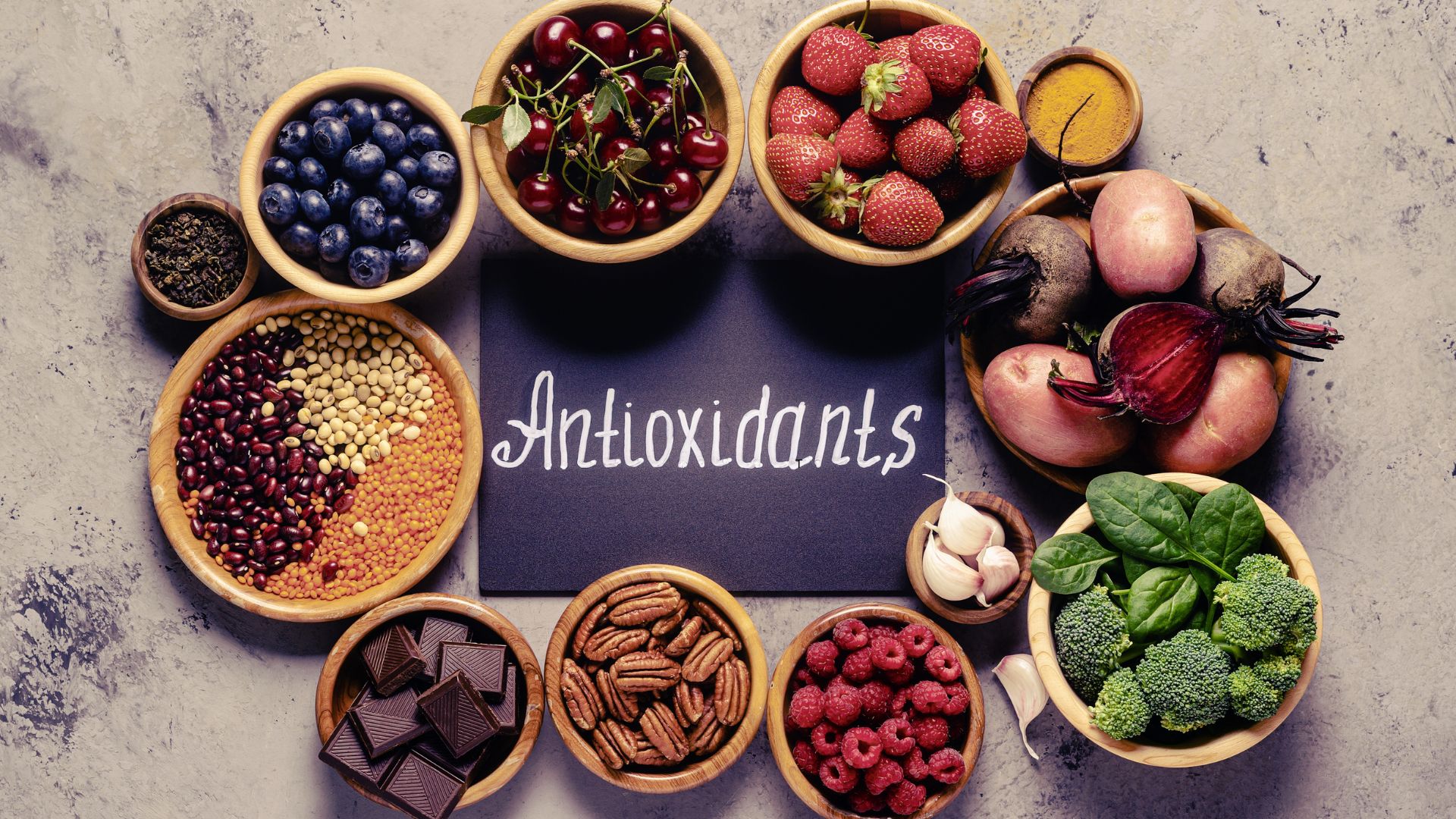
What you eat can affect how your body handles menstrual pain. A diet rich in anti-inflammatory foods may reduce cramping and help you feel better overall. Focus on meals with fresh fruits, vegetables, whole grains, and healthy fats.
Some foods to try include:
- Leafy greens like spinach and kale
- Fatty fish such as salmon
- Nuts, especially walnuts and almonds
- Berries, which are rich in antioxidants
Avoid processed snacks, red meat, and salty foods. These may cause bloating and make cramps feel worse.
Practice Deep Breathing or Meditation

Stress can make cramps more painful. When you’re tense, your muscles may stay tight, which can increase discomfort. Deep breathing helps your body relax and lowers your perception of pain.
Try spending a few minutes focusing on slow, steady breaths. You can also listen to calming music or use a meditation app to help you relax. Even five minutes of mindful breathing can make a difference.
Consider Natural Supplements
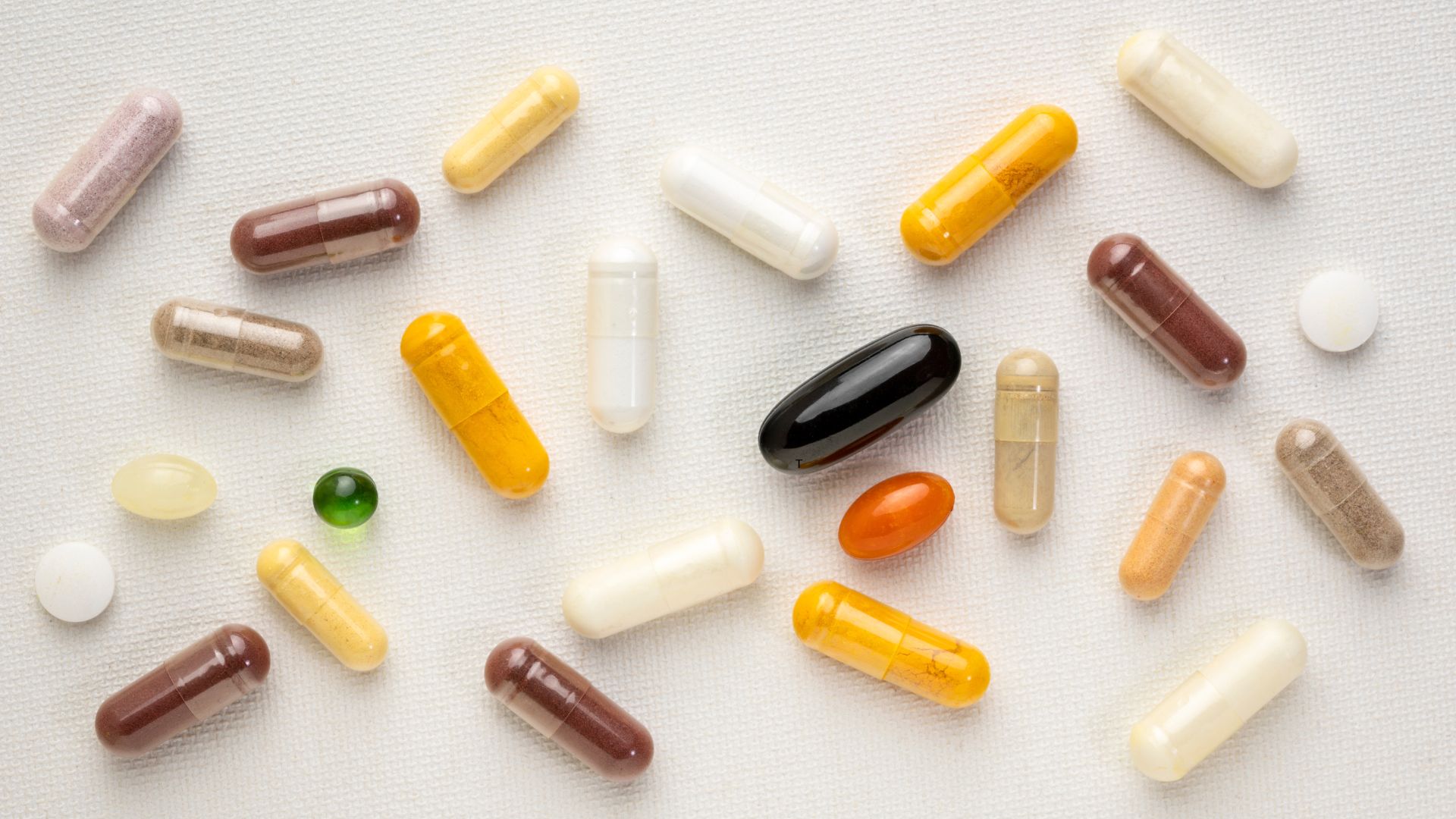
Some vitamins and minerals have been shown to ease menstrual cramps. You can get them through food or in supplement form, depending on what works best for you.
Nutrients to Consider
- Magnesium helps muscles relax and may reduce the severity of cramps.
- Vitamin B1 (thiamine) has been linked to lower cramp pain in some studies.
- Omega-3 fatty acids, found in flaxseeds or fish oil, may reduce inflammation.
Before starting any supplement, it’s a good idea to speak with a healthcare provider, especially if you’re taking other medications.
Massage with Essential Oils
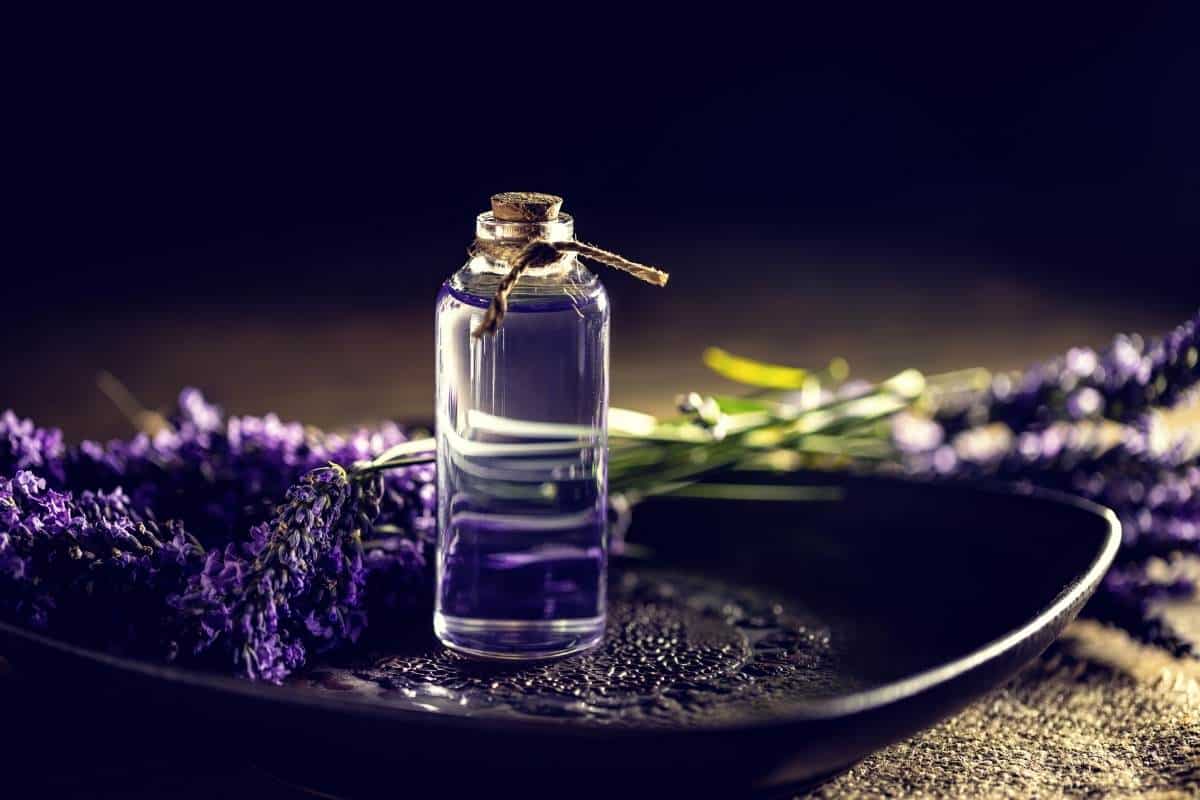
Abdominal massage with the right oil blend may ease cramping and relax tight muscles. Oils like lavender, clary sage, and marjoram are often used for this purpose. When massaged onto the skin, they may help reduce tension and calm the nervous system.
Use a carrier oil, like coconut or almond oil, to avoid skin irritation. Gently massage in a circular motion around the lower belly for 5 to 10 minutes. The combination of touch and scent can create a calming effect that supports pain relief.
Conclusion
Relieving period cramp pain naturally is possible with the right approach. Simple changes like applying heat, stretching, and drinking herbal tea can make a big difference. These methods work best when used consistently and tailored to your body’s needs.
Not every remedy will work the same for everyone, so it may take a little time to find what helps you the most.