
Consumers eager to make healthy choices can easily be swayed by enticing terms, only to find that the labels don’t reflect the true nature of the products. The food industry is well aware of this, with many brands using ambiguous or vague labels to their advantage. In this article, we unravel the truth behind some misleading food labels.
Low-fat Candy

Low-fat candy is one of the most misleading labels out there. All candy contains zero fat unless it has whole nuts or other added ingredients. This label appeals to people looking for a healthier snack, but you still consume highly processed, sugary treats when indulging in low-fat candy.
Superfruit
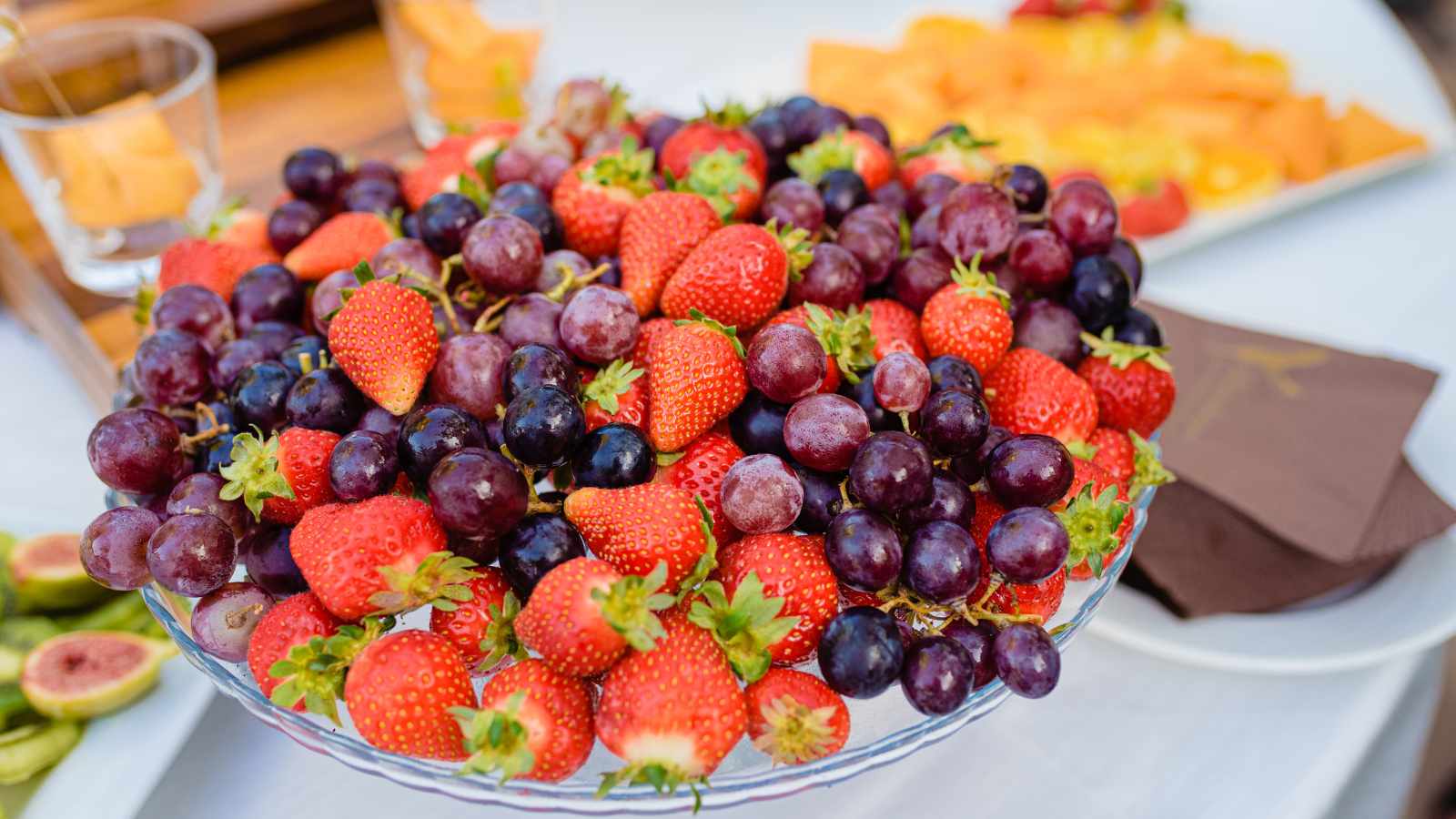
The term superfruit has been around for a while, but it’s an exaggeration of the benefits of some fruits. While some fruits offer more nutritional value than others, all whole fruits and vegetables are healthy sources of vitamins and minerals. There is no single “superfruit”; instead, include a variety of fruits and vegetables for optimal nutrition.
Low Glycemic Index

Many products advertise low glycemic index (GI) or low glycemic load (GL). While this can benefit people with diabetes, the GI of food is not necessarily an indicator of health. It’s important to think beyond the GI value; fiber, fat, and protein all affect the quick release of sugar into your bloodstream.
100% Natural

The term natural can be misleading as the definition is open to interpretation. In reality, “100% natural” foods are not necessarily free from preservatives or artificial ingredients. They may contain additives like modified food starch, MSG, and other chemicals. Before you buy into this label, read the ingredient list carefully.
Free-range Eggs
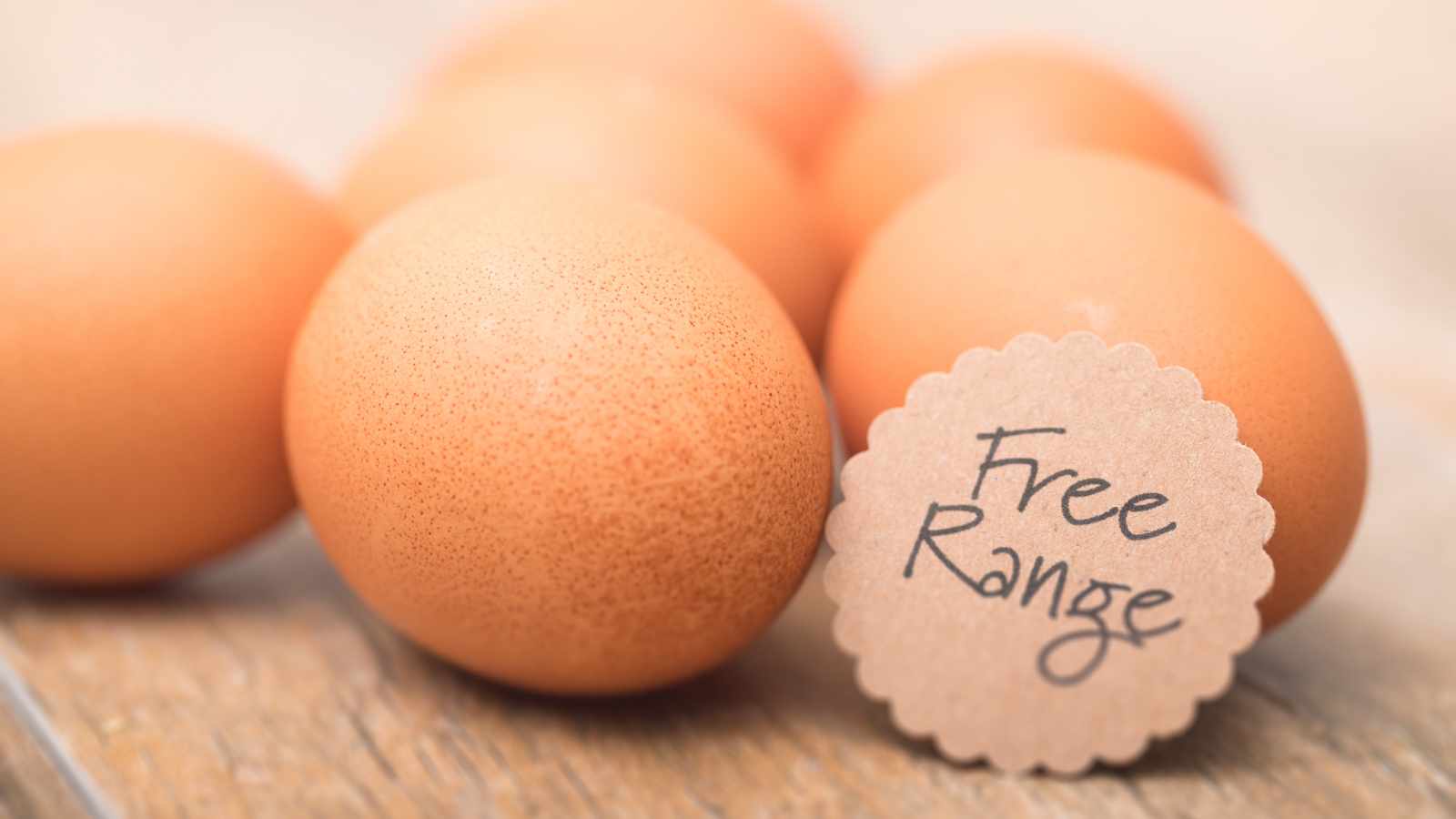
“Free-range” eggs sound much healthier than regular eggs, but it doesn’t always mean chickens can access the outdoors. For free-range certification, livestock need access to natural light and outdoor space, meaning they may not even step outside their cage.
No Added Sugars
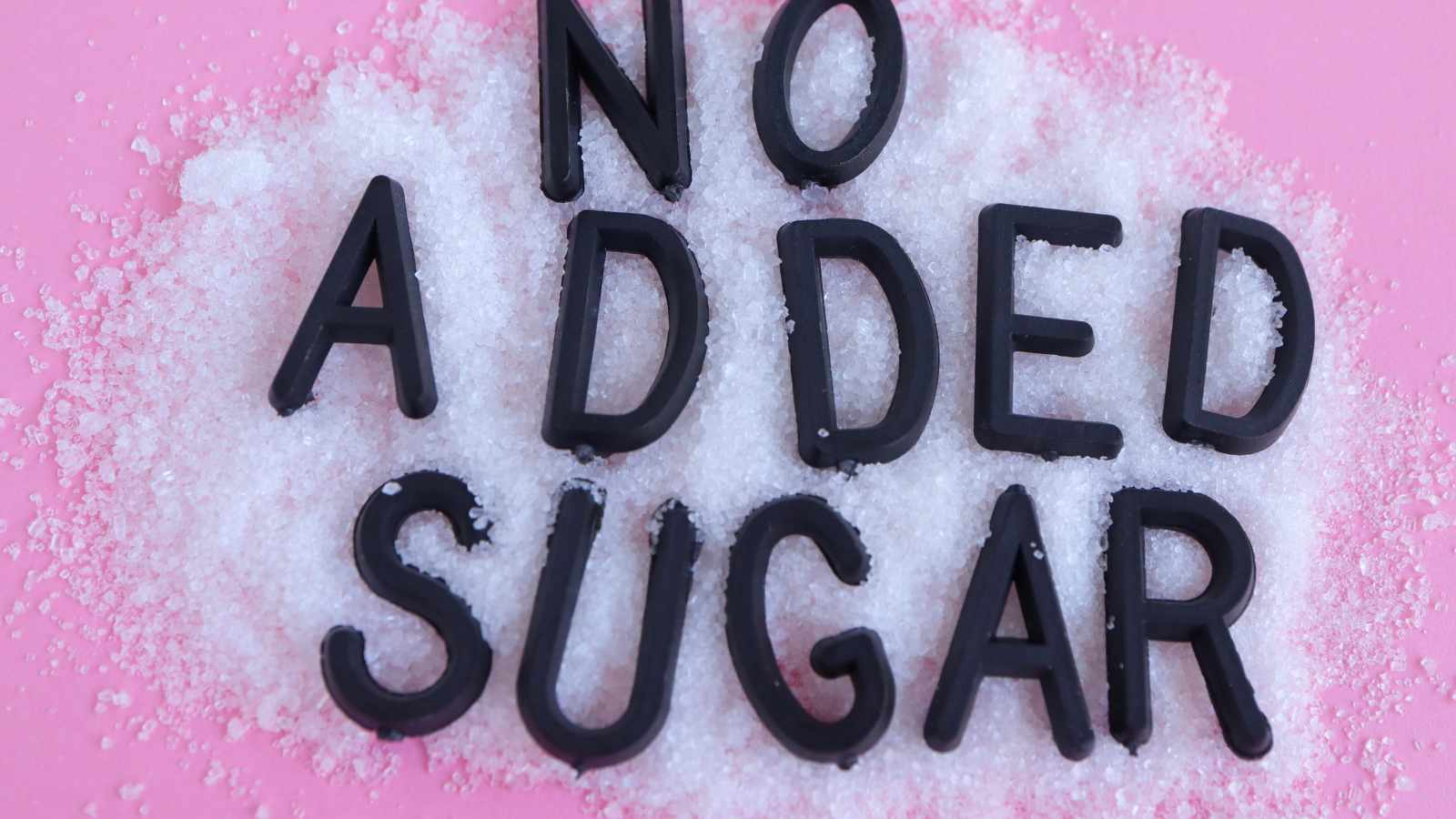
“No added sugars” can be deceiving as some products still contain natural sugars like honey or fructose. Read the ingredients label to determine which sugars are present. In addition, foods with “no added sugar” may still have a high-calorie count, so don’t be fooled into thinking that these foods are always a healthier alternative.
Multigrain

Including the term “multigrain” does not necessarily ensure the healthiness of a product, as there is no official certification to validate this claim. The label “multigrain” may imply using different grains, like rye and oats, while incorporating refined flours like white flour.
Non-GMO
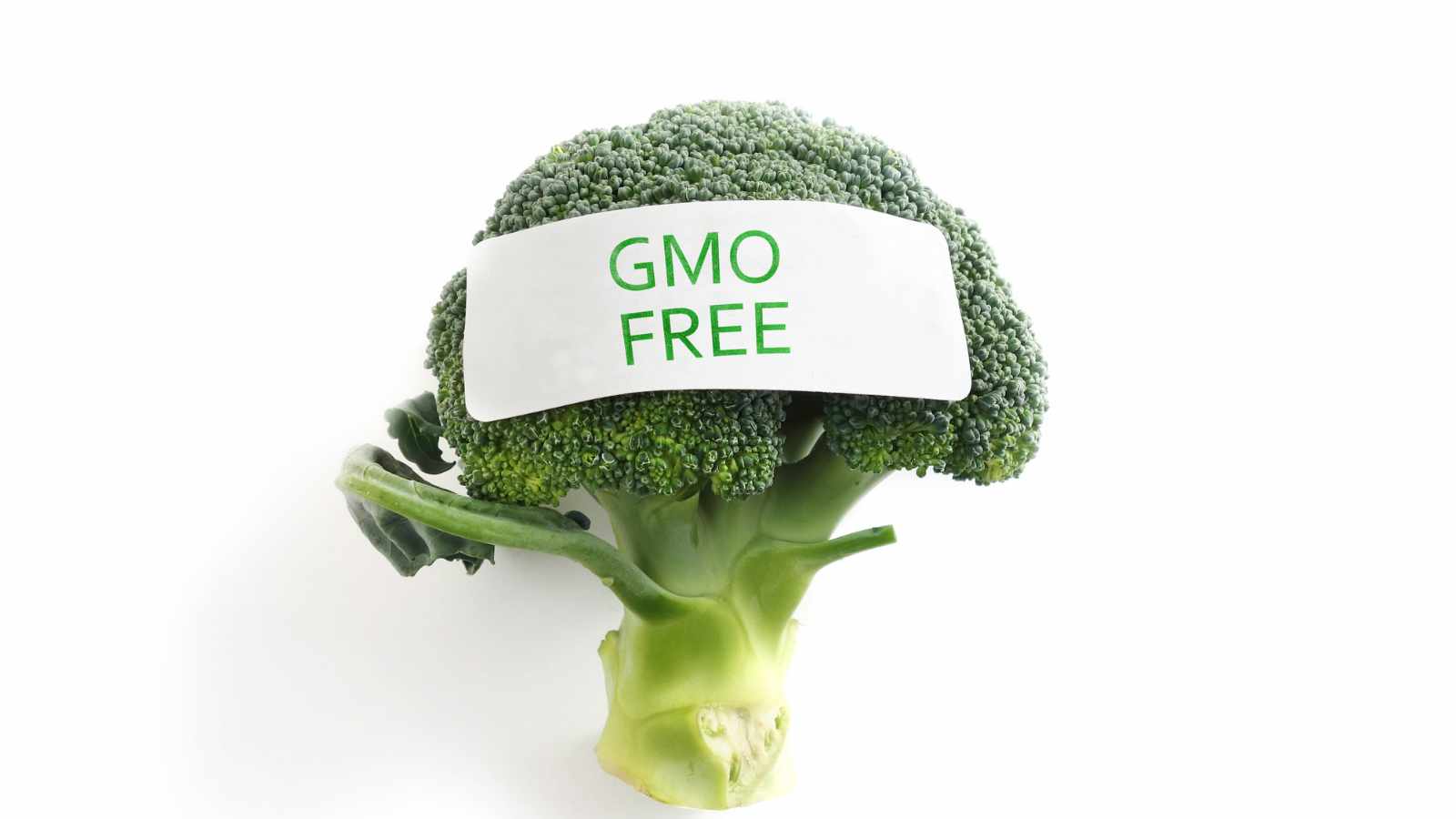
Consumers have become accustomed to seeing the “non-GMO” label on many products, but this doesn’t always mean a product is healthy or nutritious. GMO ingredients are not necessarily harmful, as genetic modification can be used to create more nutritious foods. The non-GMO label may indicate if it appears on whole, unprocessed foods.
Organic

Organic food is grown without synthetic pesticides and fertilizers, but this label doesn’t guarantee that a product is healthy or nutritious. Many organic snacks are still highly processed and contain added fats and sugars. Choose organic products carefully; opt for natural, unprocessed options whenever possible.
Gluten-free

Gluten-free products are not always healthier than those containing gluten. Non-gluten grains like corn and rice contain relatively high amounts of carbohydrates, so consuming more can lead to weight gain. Also, many processed gluten-free foods contain additives to enhance flavor or texture.
More From Health Makes You

Eating is essential to your survival, but many food items can cause serious harm and put you at risk of death if ingested in large quantities or not prepared properly. Some of them are common foods you consume every day.
30 Dangerous Foods You Didn’t Know Could Kill You
16 Foods Boomers Love That Millennials Won’t Touch

The generation gap between Baby Boomers and Millennials can be seen in many aspects of life, from how they dress and listen to music to how they shop and eat. Here’s a look at some dishes Boomers love, but Millennials won’t touch.
16 Foods Boomers Love That Millennials Won’t Touch
The Top 25 Most Popular Foods in America You Must Try Once in Your Life

America is a melting pot of cultures, and its cuisine reflects that. From coast to coast, you can find all sorts of unique dishes that are delicious and nutritious. Here’s a list of the top 25 most popular foods in America that you must try at least once in your life!
The Top 25 Most Popular Foods in America You Must Try Once in Your Life
15 Foods Americans Eat That Foreigners Find Disgusting

Americans have various culinary preferences, and some foods popular in the United States may seem strange or even disgusting to foreigners. Here are some foods Americans eat that foreigners find most disgusting.
15 Foods Americans Eat That Foreigners Find Disgusting
10 Foods That Look Amazing But Actually Taste Terrible

Some foods just look better than they taste. From rainbow bagels to grapefruit, here are some of the most visually appealing but unfortunately bad-tasting food items out there.
10 Foods That Look Amazing But Actually Taste Terrible
This article was produced on Health Makes You.