
Parenting is a tremendous responsibility that comes with a myriad of challenges. One of the most daunting tasks is determining what is beneficial for your child’s development and what could potentially harm them. This article will help you navigate these intricacies, providing crucial insights to ensure a safe, healthy, and enriching environment for your child’s growth.
Screens and Devices

In today’s digital age, imagining life without screens and devices is almost impossible. However, excessive screen time can negatively affect a child’s physical and mental health. It can alter their sleep patterns, leading to obesity, aggression, and anxiety. Constant exposure to screens can also hinder children’s social and emotional development.
Junk Food
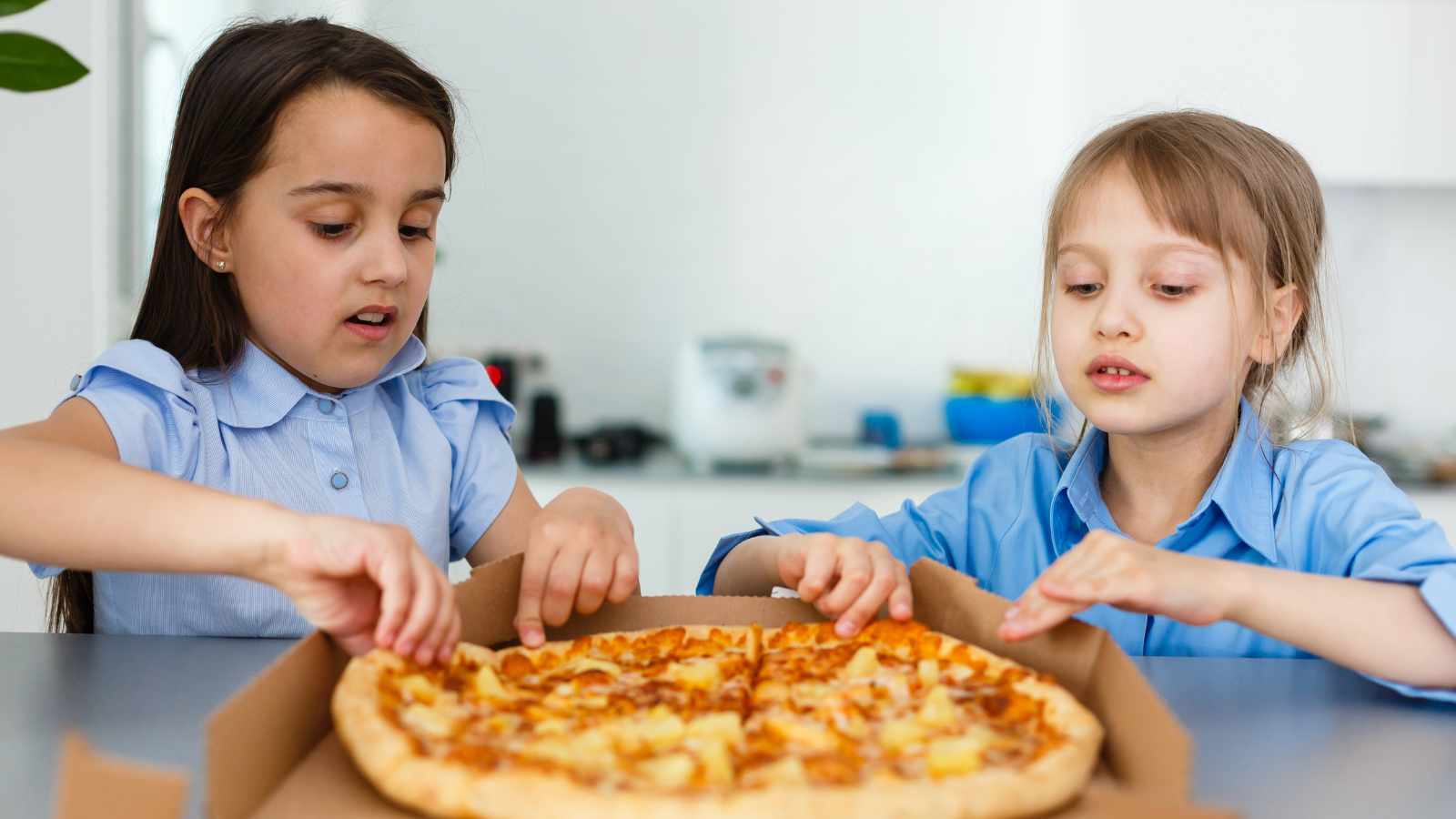
Fast food and snacks may seem like convenient options for feeding your child, but they are often filled with unhealthy amounts of sugar, salt, and fats. These foods can contribute to childhood obesity, dental problems, and other health issues. Instead, choose fresh fruits, vegetables, and home-cooked meals to ensure your child receives proper nutrition.
Toxic Substances
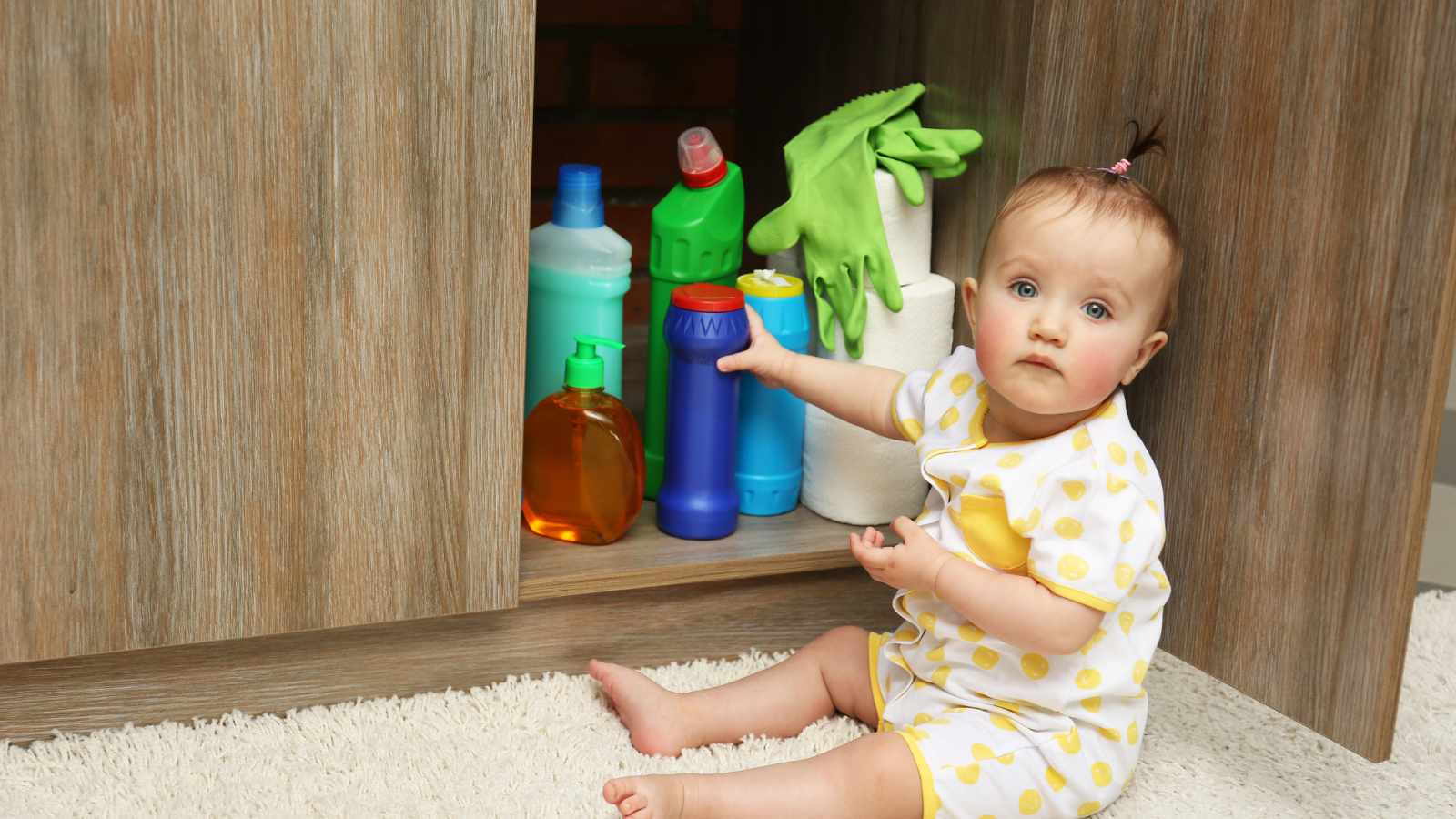
It is crucial to keep harmful substances like cleaning products, medications, and chemicals out of reach of children. These substances can pose serious health risks if ingested or mishandled by young children who are curious and prone to exploring their surroundings.
Educating your child about the dangers of these substances and enforcing strict rules for handling them is essential.
Unsupervised Outdoor Play

While outdoor play is essential for a child’s physical and social development, it is vital to supervise them at all times. Playing outside unsupervised can lead to accidents, injuries, or encounters with strangers. Establishing boundaries and setting clear rules for outdoor play can ensure a safe and enjoyable experience for your child.
Caffeine

Children should avoid caffeine, tea, energy drinks, and even chocolate as they can adversely affect their developing bodies. These drinks can cause restlessness, anxiety, difficulty sleeping, and dehydration. Encourage your child to drink water and opt for decaffeinated beverages when available.
Dangerous Toys
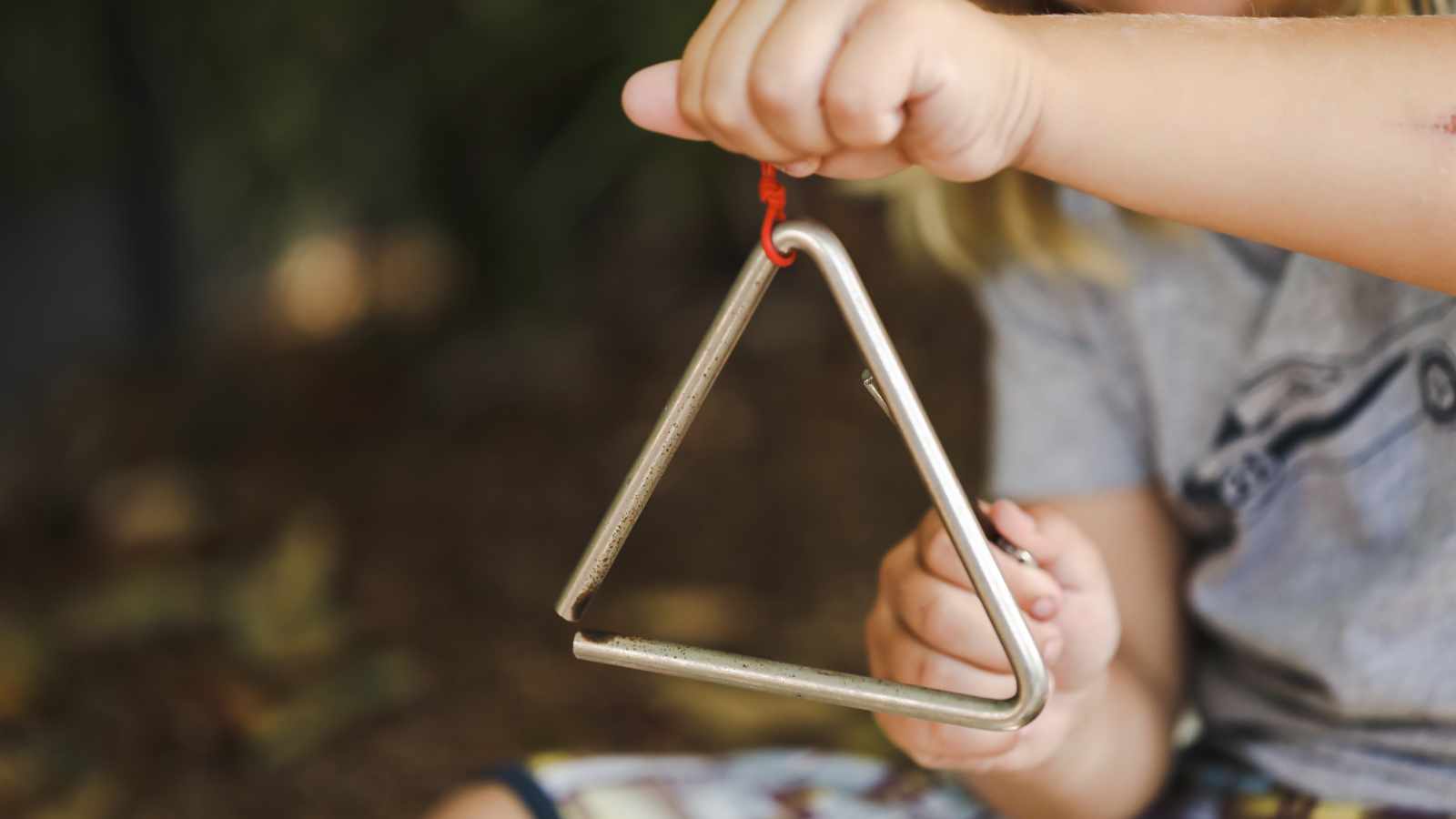
Toys are meant to be fun and educational but can pose significant safety hazards. Always check the age recommendations on toys before buying them for your child. Inspect them for any signs of wear or damage and ensure that toys are made with non-toxic materials and do not have any small parts that could be a choking hazard.
Negative Influences

Children become more susceptible to peer pressure and negative influences as they grow. Monitoring your child’s friendships and social activities is crucial, as they can significantly impact their behavior and attitudes. Encourage your child to surround themselves with positive role models and be open to discussing any concerns or issues they may have.
Harsh Discipline

Disciplinary actions like spanking, yelling, and other forms of physical or emotional punishment can have long-lasting effects on a child’s mental health and behavior. Instead, focus on positive reinforcement and setting clear expectations for your child’s behavior.
Consistent consequences for breaking the rules and positive reinforcement for good behavior can foster a healthy and respectful parent-child relationship.
Unrealistic Expectations

Imposing unrealistic expectations on your child can harm their self-esteem and confidence, even if you want the best for them. Help your child to strive for personal growth and improvement rather than perfection. Praise their efforts and celebrate their successes, no matter how small they may seem.
Your Baggage

As a parent, you must acknowledge your unresolved issues and avoid projecting them onto your children. Your childhood experiences and traumas should not dictate how you parent your children. Seek professional help to address any unresolved issues and strive to create a safe and nurturing environment for your child to grow and thrive.
More From Health Makes You

Respect isn’t just about what you do; it’s also about how you present yourself and interact with others. Don’t do these things, and people will respect you.
Want People to Respect You? DON’T DO These 20 Things
Want to Live a Long Life? DON’T DO These 20 Things

Do you want to live a long and healthy life? You should avoid doing certain things. Research shows that some habits, behaviors, and activities can harm your health. From smoking cigarettes to drinking too much alcohol, these unhealthy practices can cut your life short. So what are the top 20 worst things you can do for your health? Read on to find out!
Want to Live a Long Life? DON’T DO These 20 Things
25 Habits to Quite RIGHT NOW Before It’s Too Late

We all have bad habits, some of which can be incredibly difficult to break, but it’s possible with the right steps. The first step is recognizing the habit you want to quit before resolving to make a change. Here are 25 bad habits you need to quit right now!
25 Bad Habits to Quit RIGHT NOW Before It’s Too Late
18 Signs You Might Be Too Good for Your Own Good

Are you a perfectionist? Are you too hard on yourself? Being “too good for your own good” can lead to major stress and unhappiness. Here’s how to know if you are too good and must tone it down a notch.
18 Signs You Might Be Too Good for Your Own Good
15 Things to Never Buy at a Grocery Store

Navigating the supermarket aisles can be daunting when trying to stick to a budget and eat healthily. While some items are no-brainers, others might surprise you with their costs or questionable nutritional value. This guide unveils items you should avoid purchasing at your local grocery store to help you save money and make better dietary choices.
15 Things to Never Buy at a Grocery Store
This article was produced on Health Makes You.