
Being a woman comes with its unique set of experiences, challenges, and triumphs. While there are countless joys and moments of empowerment that come with embracing womanhood, there are also aspects that many women quietly find frustrating or irritating. This article brings these unspoken realities to light, candidly sharing the quieter grievances women face daily.
Physical Weakness
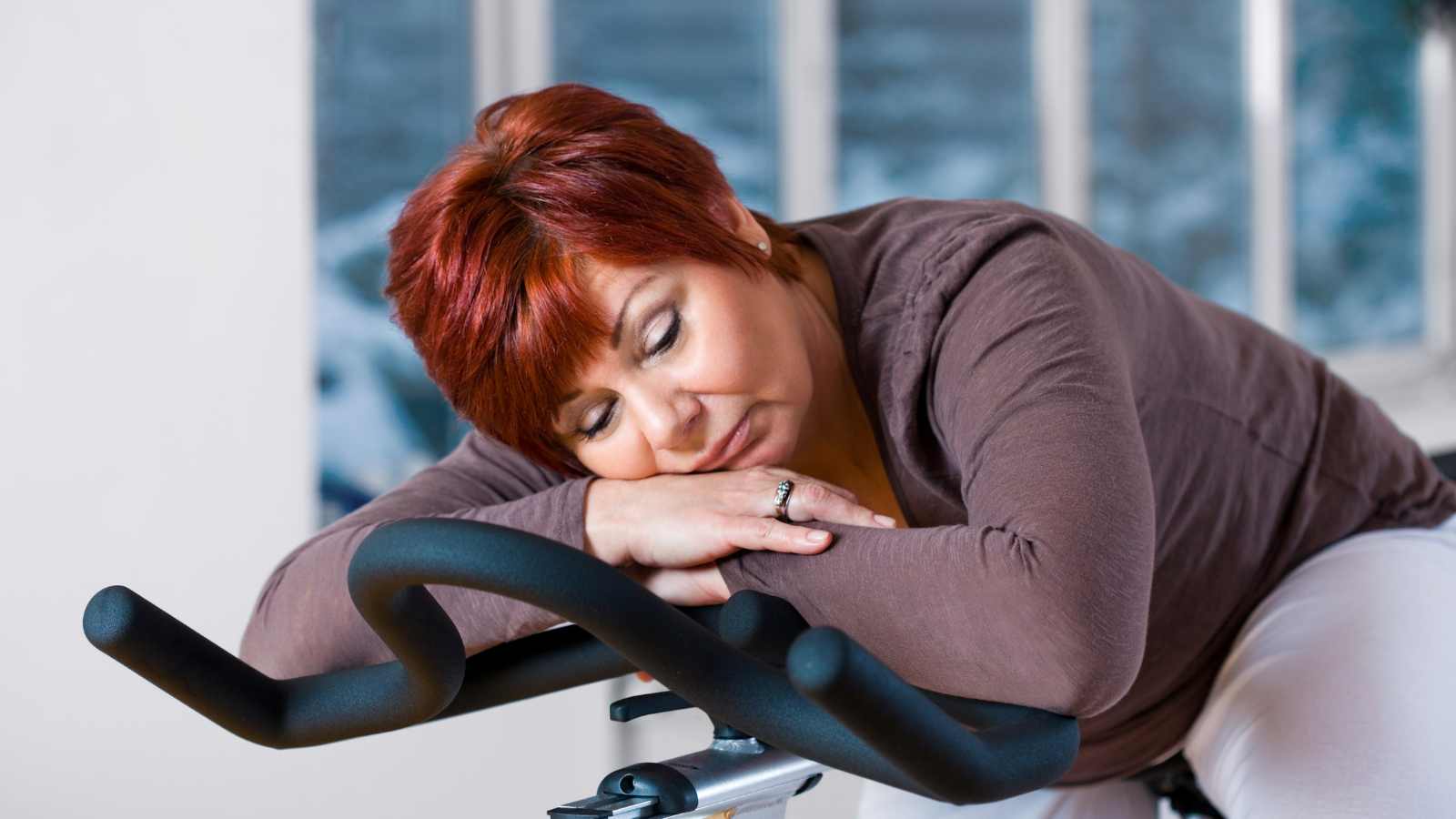
It’s no secret that men and women differ in physical strength. Women have less muscle mass, making it difficult to lift heavy objects or run faster than their male counterparts. This limitation can be frustrating for many women, who may feel limited in their capabilities due to their smaller size and reduced physical strength.
Menstruation

Every month, women endure the physical and emotional symptoms of menstruation. While it’s an essential biological process, sometimes it can be uncomfortable and messy. Many women feel frustrated at dealing with this recurring monthly event and any potential side effects like cramping or fatigue.
Sitting to Pee

Many women feel uncomfortable when they have to pee while sitting down, especially in public restrooms. This gender-specific task often requires women to awkwardly hover over the toilet seat, which adds discomfort and raises hygiene concerns. The discomfort and potential unhygienic conditions make it a challenge for women to relax in such situations fully.
Clothing Restrictions

Despite significant progress in the fashion industry, there continues to exist a noticeable imbalance between the diverse range of options available for women as compared to men. This persistent disparity restricts women’s style choices and hampers their freedom to fully express their individuality and personal flair.
Cultural Stereotypes
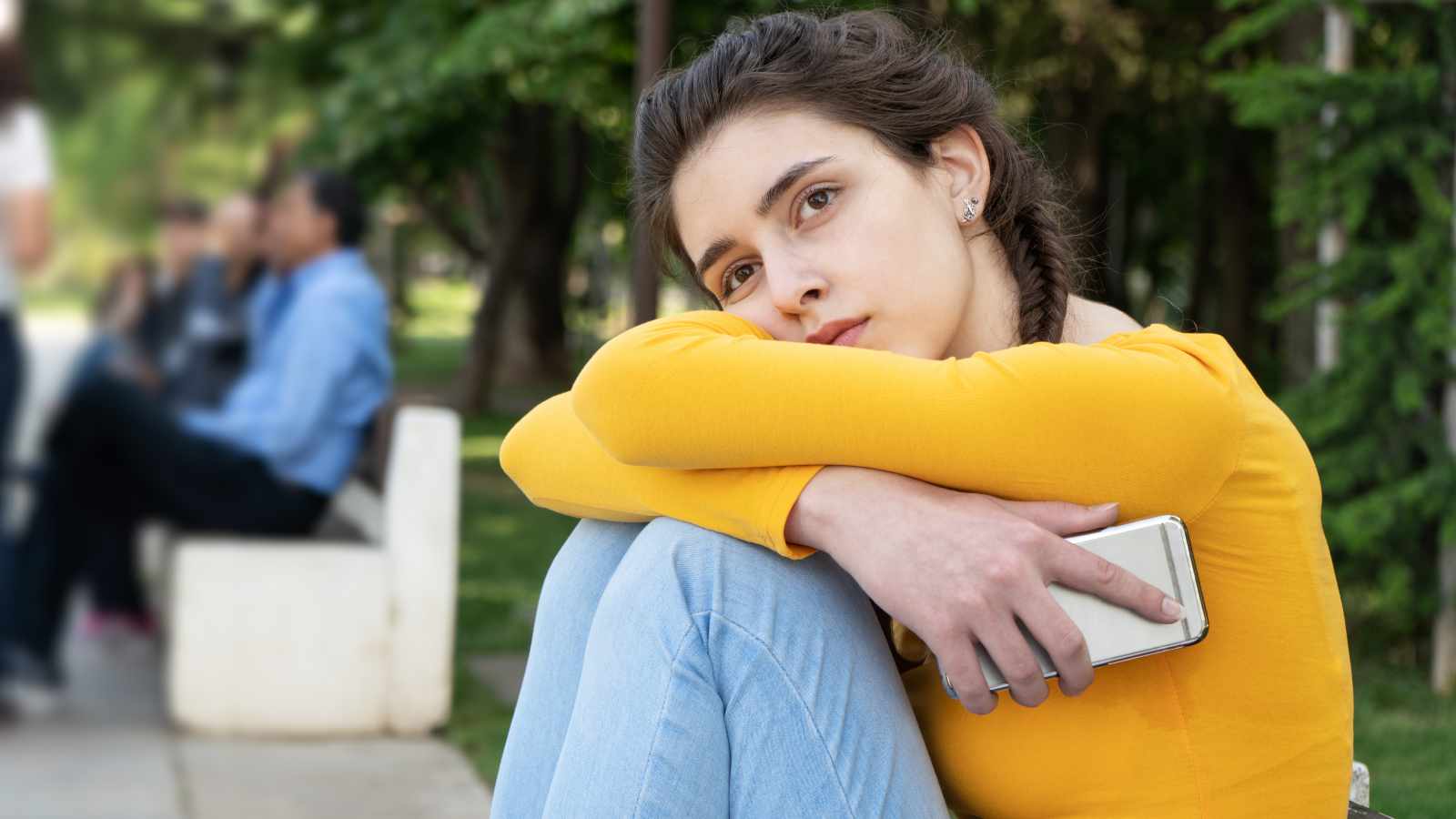
Unfortunately, there are still many cultural stereotypes that paint women as less capable and valuable than men. These stereotypes can be seen in occupational fields dominated by men, or .” just simple phrases like “man up.” Women feel frustrated at these persistent biases and assumptions about their potential.
Objectification of Women

Women are sometimes objectified in media and advertising and may be portrayed as trophies to be won. Not only is this type of representation dehumanizing for women, but it also sends the wrong message about how society should view them. It can be disheartening for women to see themselves reduced to physical assets instead of their potential.
Catcalling

Catcalling, the act of making unwanted and often derogatory comments towards women in public spaces, has unfortunately become a pervasive issue in many parts of the world. This form of harassment makes women feel unsafe and uncomfortable and perpetuates a culture of objectification and disrespect. Constantly navigating public spaces while fending off these unsolicited remarks can be mentally and emotionally exhausting.
Body Standards

In today’s society, body standards are imposed on women, which creates an overwhelming pressure to conform to a specific appearance to gain acceptance. These unrealistic expectations lead to a constant need to modify their physical appearance to align with societal norms and ideals. As a result, women often find themselves caught in a cycle of self-doubt and insecurity, striving to meet an unattainable standard of beauty perpetuated by society.
Sexual Harassment and Assault

Sexual harassment and assault are common occurrences that inflict physical and psychological trauma on women. Survivors may experience anxiety, depression, and PTSD, making it challenging to cope and heal. Addressing the immediate and long-term impacts is crucial for the well-being and safety of people affected by these traumatic events.
Motherhood Pressure

Society pressures women to embrace motherhood, regardless of their desires or circumstances. This expectation can be overwhelming and burdensome, leaving women feeling judged. Respect every woman’s unique path and empower her to make decisions that align with her happiness.
Double Standards

Double standards encompass not only friendships and relationships but also permeating societal norms. Women often find themselves in a position where they must go above and beyond to demonstrate their worth, while men seemingly face minimal scrutiny for similar choices. This imbalance of expectations can create an environment where women are unjustly criticized for decisions that would be deemed acceptable if made by men.
Inequality in the Workplace

In many workplaces, women frequently encounter inequality regarding wages and hiring practices. This persistent issue can make women feel undervalued, their voices unheard, and their contributions overlooked. Overcoming such deeply rooted policies and biases can be challenging, requiring sustained efforts to bring about meaningful change.
Accessibility Issues
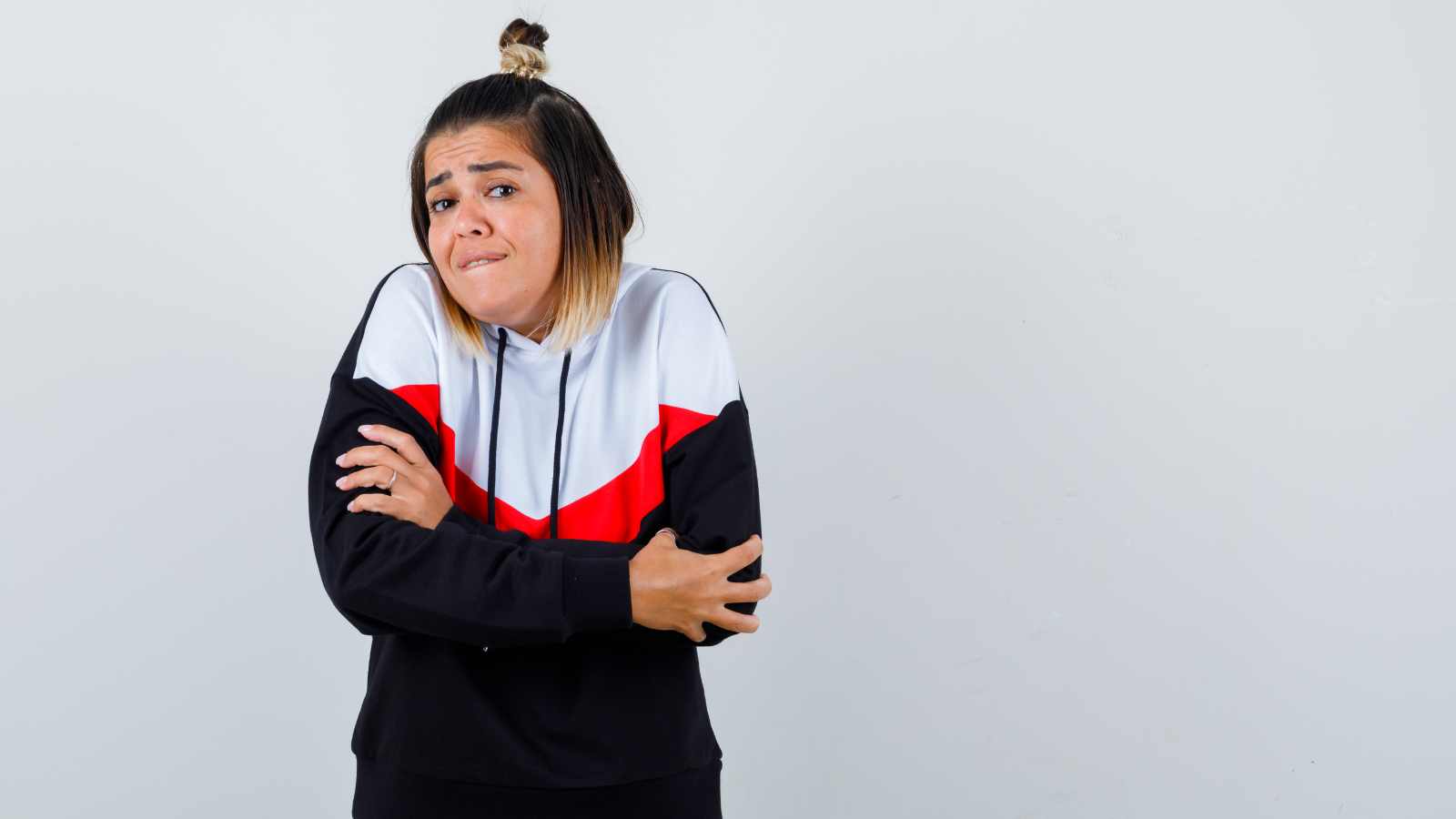
Many public spaces are not adequately accommodating or accessible for women, creating discomfort and danger. Issues like inadequate lighting and a lack of visible security personnel contribute to insecurity. Addressing these issues and creating inclusive and safe public spaces for everyone is crucial.
Misinterpreted Behaviour

Due to preconceived notions surrounding women’s behavior, it’s easy for them to be misinterpreted. A simple conversation or glance can often be mistaken as flirtation or interest. Women can feel frustrated and unappreciated when this happens, as they are unfairly judged for their actions.
Ageism

Ageism is an issue that disproportionately affects women, as societal expectations often pressure them to maintain a youthful appearance and behavior. It affects older women, who may face challenges like being overlooked for job opportunities or being ridiculed based on their appearance, undermining their self-worth and confidence.
Competition Among Women

Female friendships and relationships can be plagued by competition. Women feel the need to compare themselves to one another, probably because of the pressure of perfection, which can lead to envy and judgment. Building a supportive environment where women can lift each other instead of tearing each other down is essential for empowering everyone.
Unsolicited Advice

Women hear plenty of unsolicited advice from family, friends, and acquaintances on topics ranging from their careers to their parenting style. While well-meaning, this constant barrage of opinions can be overwhelming and make them feel like they are not doing enough.
More From Health Makes You

Eating is essential to your survival, but many food items can cause serious harm and put you at risk of death if ingested in large quantities or not prepared properly. Some of them are common foods you consume every day.
30 Dangerous Foods You Didn’t Know Could Kill You
16 Foods Boomers Love That Millennials Won’t Touch

The generation gap between Baby Boomers and Millennials can be seen in many aspects of life, from how they dress and listen to music to how they shop and eat. Here’s a look at some dishes Boomers love, but Millennials won’t touch.
16 Foods Boomers Love That Millennials Won’t Touch
The Top 25 Most Popular Foods in America You Must Try Once in Your Life

America is a melting pot of cultures, and its cuisine reflects that. From coast to coast, you can find all sorts of unique dishes that are delicious and nutritious. Here’s a list of the top 25 most popular foods in America that you must try at least once in your life!
The Top 25 Most Popular Foods in America You Must Try Once in Your Life
15 Foods Americans Eat That Foreigners Find Disgusting

Americans have various culinary preferences, and some foods popular in the United States may seem strange or even disgusting to foreigners. Here are some foods Americans eat that foreigners find most disgusting.
15 Foods Americans Eat That Foreigners Find Disgusting
10 Foods That Look Amazing But Actually Taste Terrible
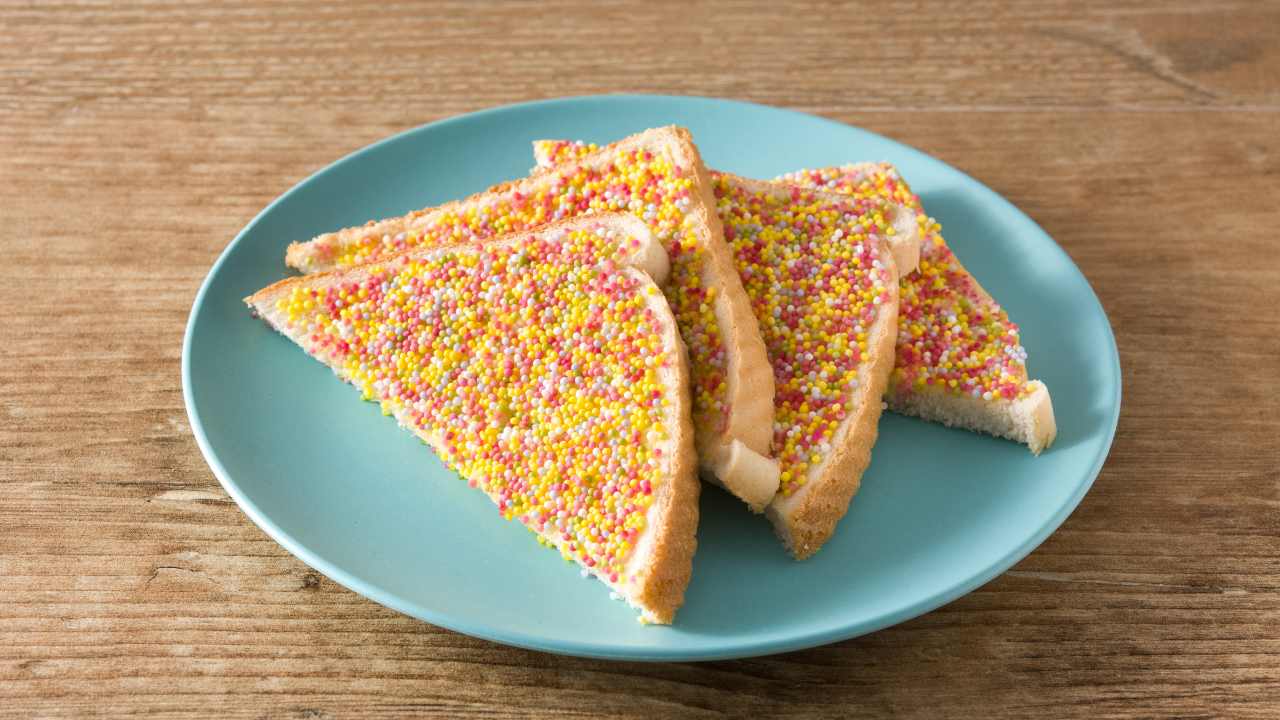
Some foods just look better than they taste. From rainbow bagels to grapefruit, here are some of the most visually appealing but unfortunately bad-tasting food items out there.
10 Foods That Look Amazing But Actually Taste Terrible
This article was produced on Health Makes You.