
Stroke is a debilitating health condition that affects millions of people worldwide. Preventing strokes is vital, and diet is a critical factor in stroke prevention. Some foods, when consumed excessively, can increase your risk of stroke. This article sheds light on these high-risk foods, equipping you with the knowledge to make healthier dietary choices.
Excessive Sodium

Excessive sodium intake affects our body’s ability to regulate blood pressure. Consuming high amounts of sodium causes the body to retain water to dilute the high concentration, increasing blood volume inside your vessels. This elevated blood volume exerts added pressure on your arteries and blood vessels, leading to hypertension or high blood pressure.
Processed Meats

Processed meats are high in sodium and contain large quantities of preservatives – nitrates and nitrites. These compounds interact with the amines in meat to form nitrosamines, harmful chemicals known to damage blood vessels.
This damage can lead to atherosclerosis, a condition where the arteries harden and narrow due to the buildup of plaques. Narrowed arteries restrict blood flow to the brain, which can result in a stroke.
Trans Fats

Trans fats in processed foods, like pastries, fried foods, and margarine, contribute to stroke risk by directly affecting your cholesterol levels. They elevate your low-density lipoprotein (LDL), or “bad” cholesterol while lowering your high-density lipoprotein (HDL), or “good” cholesterol. This imbalance leads to the buildup of fatty deposits or plaques in your arteries.
Sugary Beverages
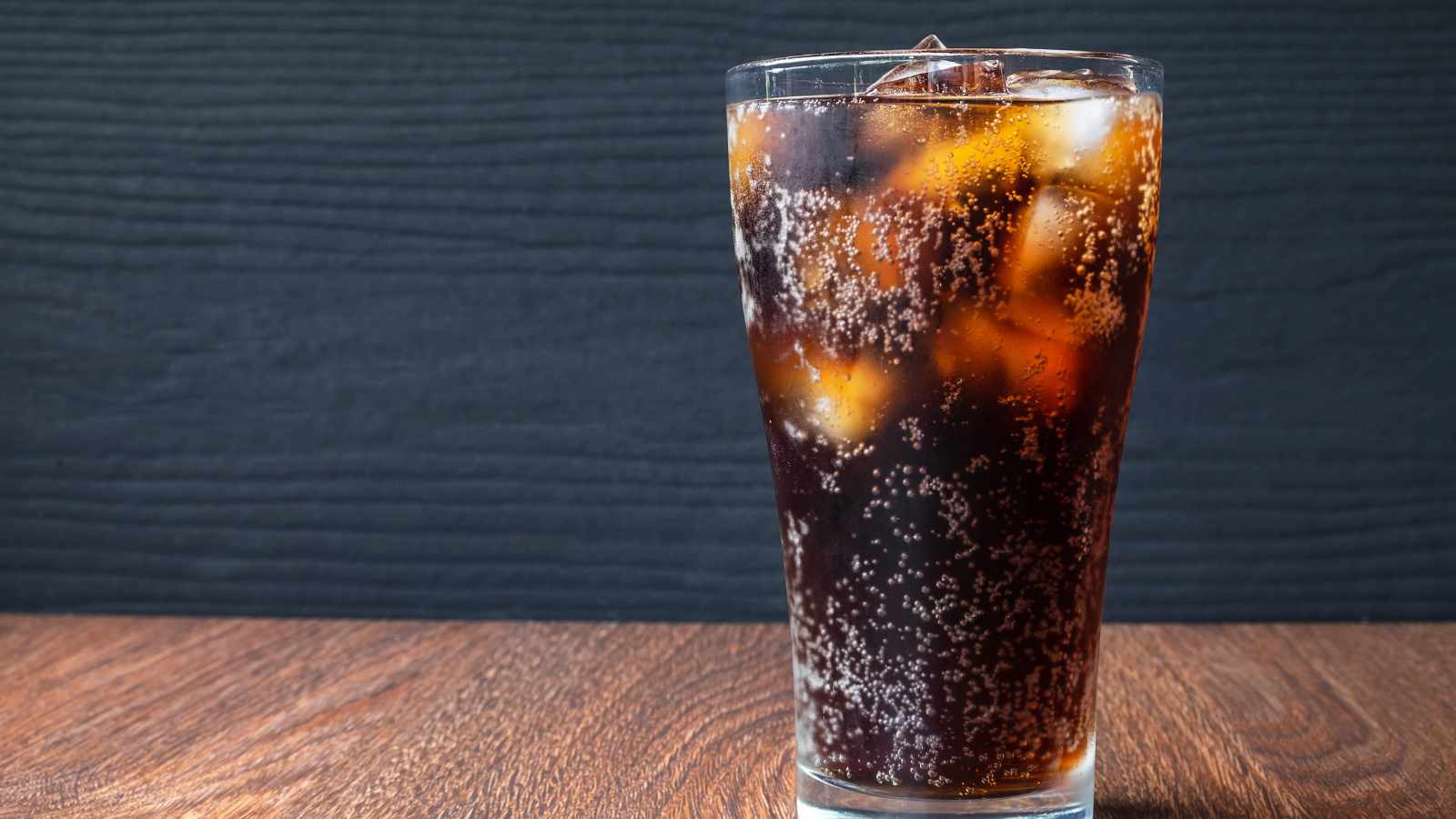
Sugary beverages are a significant source of added sugars in our diet. Drinking these drinks excessively can lead to several health issues, including stroke. Excessive sugar consumption from these beverages can cause obesity and the development of type 2 diabetes, both of which are risk factors for stroke.
Red Meats

Red meats, especially those that are high in saturated fats, contribute to stroke risk by triggering a sequence of health issues. The saturated fats in red meat raise the level of cholesterol in the blood.
Over time, this excess cholesterol forms plaques that adhere to the walls of arteries. When these plaques rupture, they can form a blood clot that blocks the oxygen supply to the brain, causing a stroke.
High-Fructose Corn Syrup

High-Fructose Corn Syrup (HFCS) poses a stroke risk through its impact on key health indicators. When consumed in large quantities, HFCS can lead to significant weight gain and obesity due to its high-calorie content. Obesity increases the chances of developing Type 2 diabetes and hypertension, conditions known to elevate stroke risk.
Fast Food

Fast food presents a severe risk for stroke due to a few critical factors. Fast food meals typically contain high levels of sodium. An excess of sodium in the diet can lead to high blood pressure, a significant risk factor for stroke. Also, fast food is rich in trans fats and saturated fats, which can affect cholesterol levels, leading to arterial plaque buildup.
Excess Alcohol

Excessive alcohol consumption can increase blood pressure, one of the most prominent risk factors for stroke. High blood pressure results from the heart working harder to pump blood, weakening it over time and damaging the blood vessels. Also, alcohol can increase the levels of certain fats in the blood, known as triglycerides.
Canned Soup

The canning process includes adding significant amounts of salt as a preservative and flavor enhancer. When consumed frequently, the elevated sodium levels can cause the body to retain more water. This retention increases the blood volume your heart must pump, raising blood pressure.
Diet Soda

Contrary to popular belief, diet sodas, though calorie-free, are not entirely harmless. They contain artificial sweeteners like aspartame and saccharin. These artificial sweeteners can cause disturbances in the body’s metabolic processes and boost the likelihood of stroke.
High-Fat Dairy
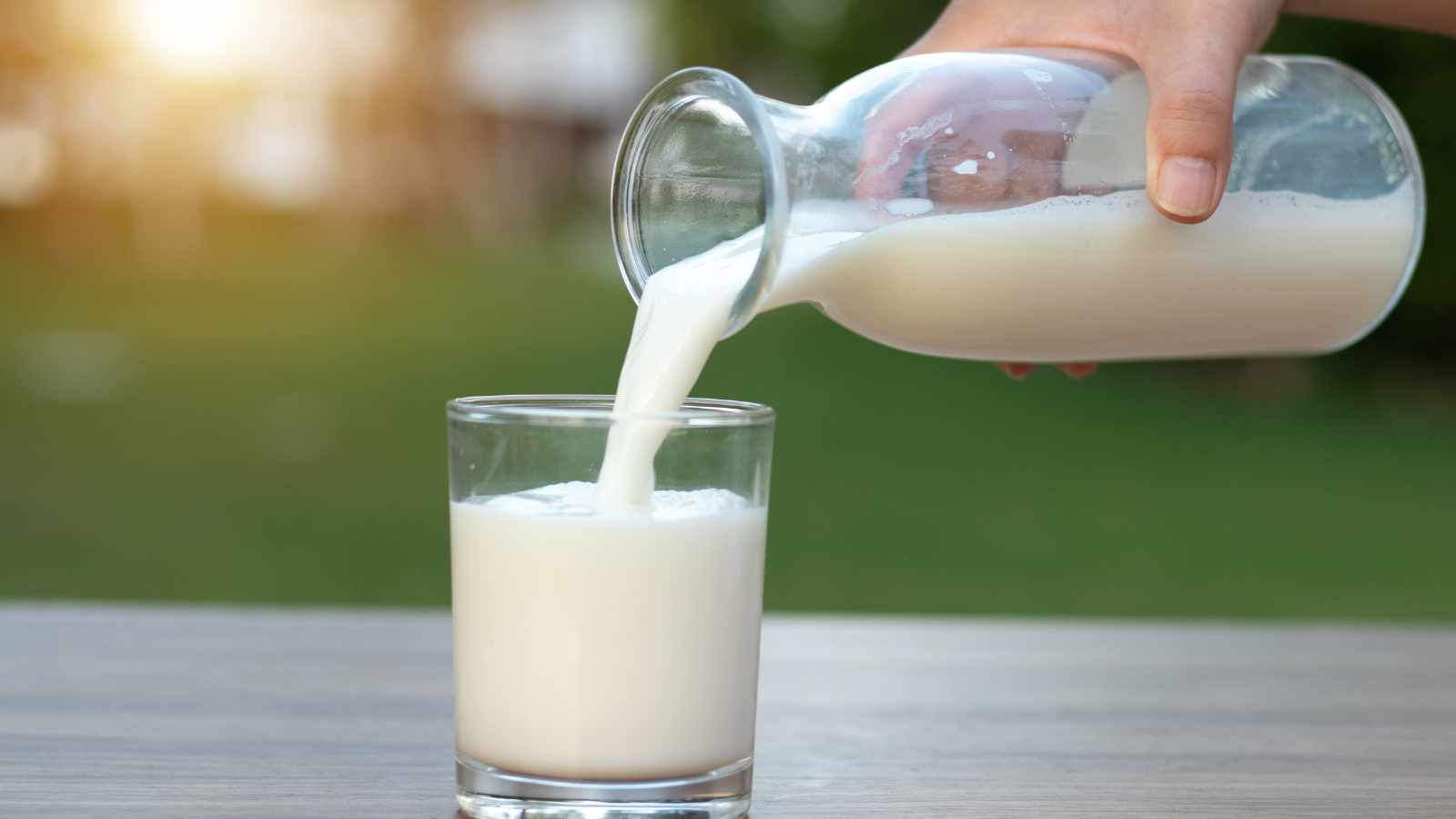
High-fat dairy products, like full-fat milk, cream, and cheese, are rich in saturated fats. When you consume these products excessively, the saturated fats increase your blood cholesterol levels.
Over time, the rising cholesterol in the bloodstream forms plaques that can create a clot that impedes the flow of oxygen-rich blood to the brain. A stroke occurs when the brain lacks the necessary oxygen to function.
Microwave Popcorn

Microwave popcorn can contribute to stroke risk due to its surprisingly high sodium and trans fat content. Excessively consuming microwave popcorn excessively can increase blood pressure due to the high sodium content. The trans fats in the artificial butter flavoring can also raise your “bad” LDL cholesterol levels while lowering your “good” HDL cholesterol.
White Bread

The refining process strips the wheat of its natural fiber, vitamins, and minerals, leaving it with a high glycemic index. Foods with a high glycemic index lead to a rapid spike in blood sugar levels. This abrupt increase triggers the pancreas to produce more insulin.
Over time, this cycle can exhaust the pancreas, leading to insulin resistance. Insulin resistance is a precursor to type 2 diabetes, a known risk factor for stroke.
Artificial Sweeteners

Artificial sweeteners, while offering a zero-calorie alternative to sugar, can indirectly contribute to the risk of stroke. Consumption of these non-nutritive sweeteners, like aspartame and saccharin, can lead to changes in metabolic processes and dysbiosis in the gut microbiota. These conditions increase the risk of stroke.
Frozen Pizza
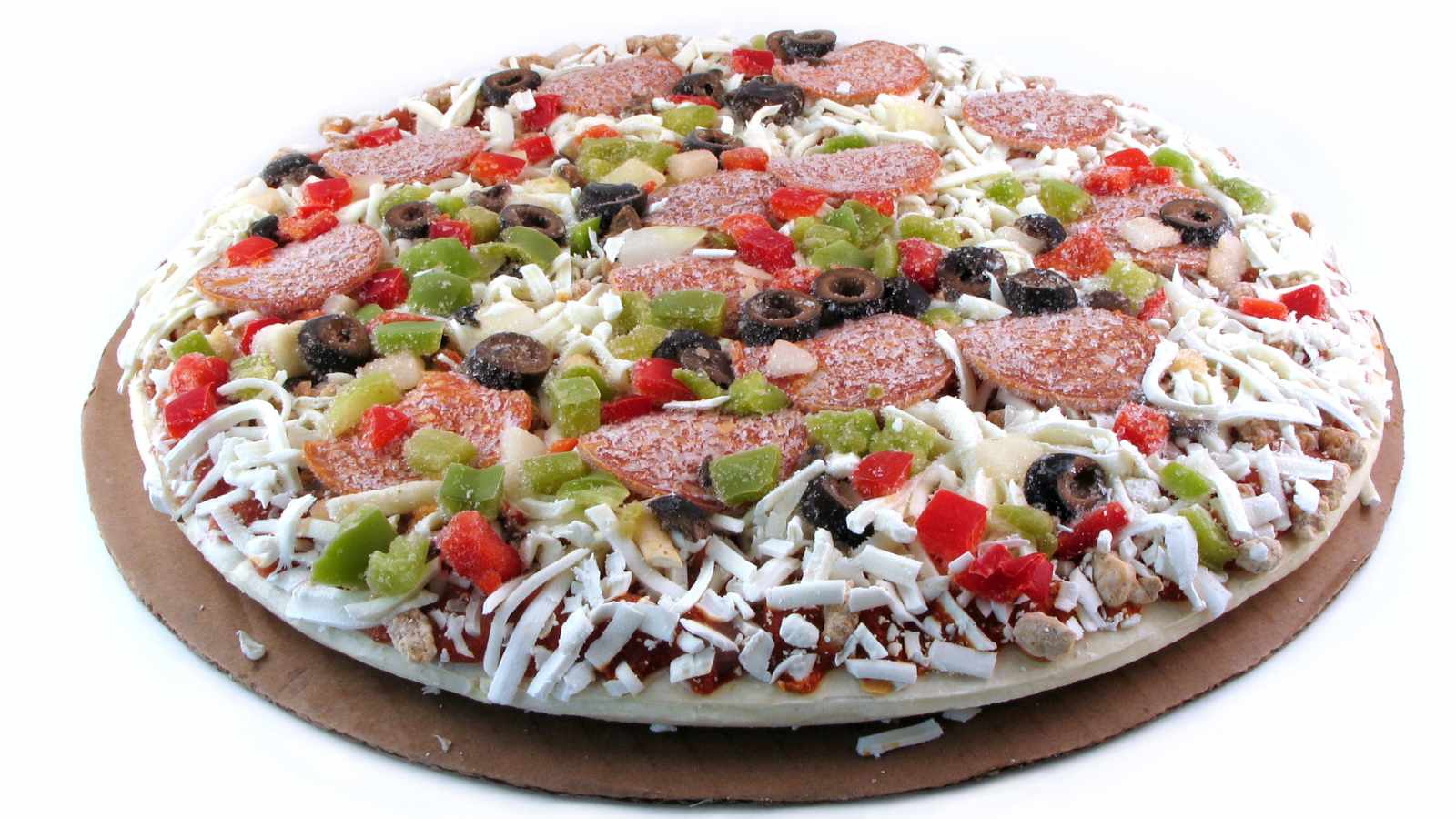
Frozen pizza can contribute to stroke risk due to its high sodium and saturated fat content. High sodium in the diet increases blood pressure by causing the body to retain water, elevating the blood volume your heart must pump. Over time, high blood pressure can damage your blood vessels, leading to the conditions conducive to a stroke.
More From Health Makes You

Eating is essential to your survival, but many food items can cause serious harm and put you at risk of death if ingested in large quantities or not prepared properly. Some of them are common foods you consume every day.
30 Dangerous Foods You Didn’t Know Could Kill You
16 Foods Boomers Love That Millennials Won’t Touch

The generation gap between Baby Boomers and Millennials can be seen in many aspects of life, from how they dress and listen to music to how they shop and eat. Here’s a look at some dishes Boomers love, but Millennials won’t touch.
16 Foods Boomers Love That Millennials Won’t Touch
The Top 25 Most Popular Foods in America You Must Try Once in Your Life

America is a melting pot of cultures, and its cuisine reflects that. From coast to coast, you can find all sorts of unique dishes that are delicious and nutritious. Here’s a list of the top 25 most popular foods in America that you must try at least once in your life!
The Top 25 Most Popular Foods in America You Must Try Once in Your Life
15 Foods Americans Eat That Foreigners Find Disgusting

Americans have various culinary preferences, and some foods popular in the United States may seem strange or even disgusting to foreigners. Here are some foods Americans eat that foreigners find most disgusting.
15 Foods Americans Eat That Foreigners Find Disgusting
10 Foods to Never Eat for Breakfast

Breakfast is the most important meal of the day as it sets the tone for your energy levels and how you function throughout the day. While some foods provide the necessary fuel to conquer the day, others derail your diet plans and leave you sluggish. Here’s a list of common foods to avoid to start your day right.
10 Foods to Never Eat for Breakfast
This article was produced on Health Makes You.