
Your menstrual cycle brings about hormonal fluctuations that can cause bloating, cramps, fatigue, mood swings, and digestive issues. While many factors influence these symptoms, diet plays a crucial role in either alleviating or worsening them. Some foods can trigger inflammation, increase water retention, or disrupt hormone balance, making period symptoms even more uncomfortable.
Here’s a detailed look at the foods you should avoid during your period and why staying away from them can help you feel better.
Processed and Fast Foods
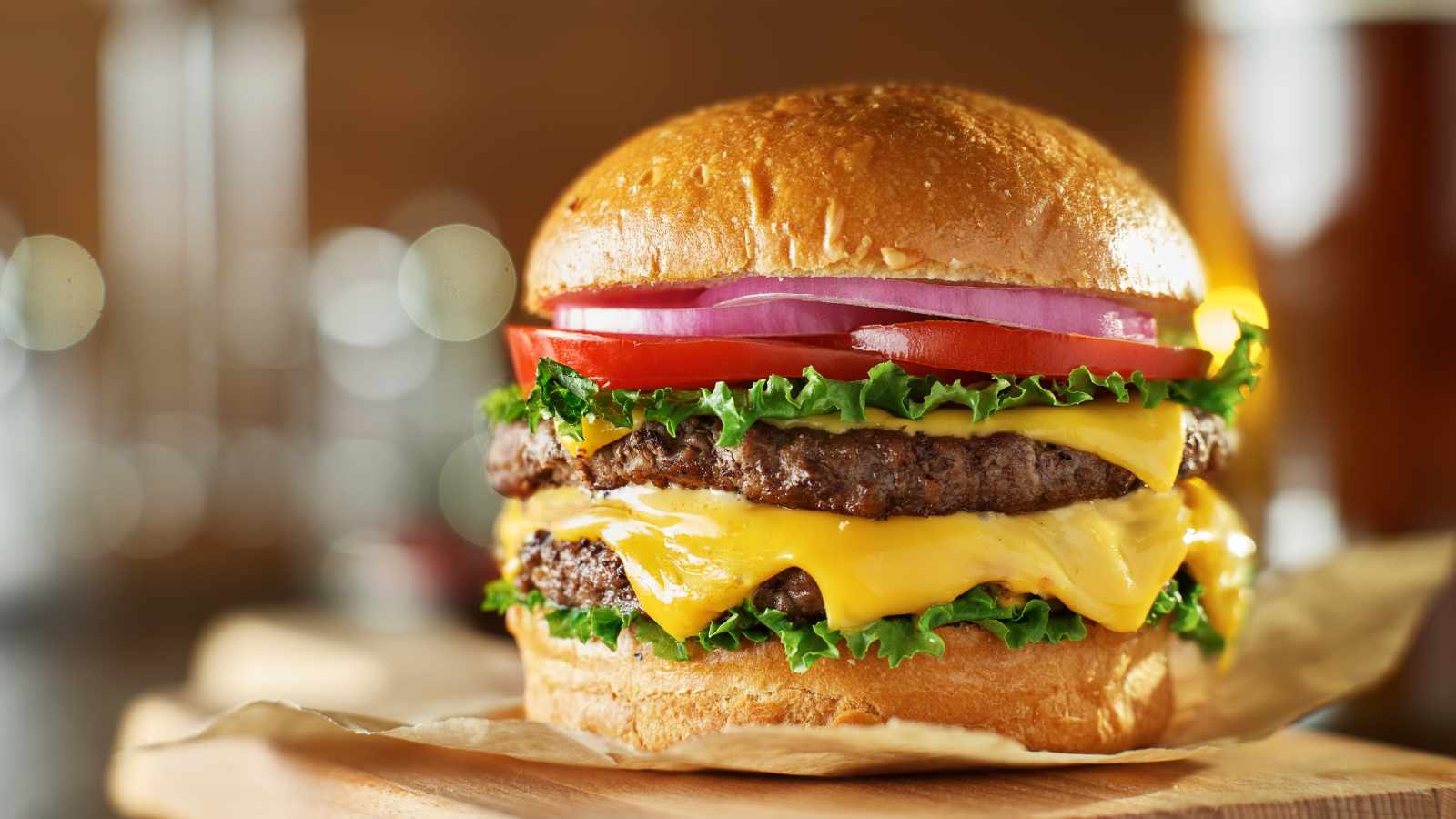
Processed and fast foods are often loaded with unhealthy fats, excessive salt, and preservatives that can make period symptoms worse.
- High Sodium Content: Foods like chips, instant noodles, frozen meals, and fast food burgers contain excessive sodium, which leads to water retention and bloating. This can make you feel heavier and more uncomfortable during your period.
- Trans Fats and Saturated Fats: These unhealthy fats, commonly found in fried foods, packaged snacks, and commercial baked goods, promote inflammation, which can exacerbate cramps.
- Hidden Sugars: Processed foods often contain added sugars, which can cause a rapid spike and crash in blood sugar levels, leading to mood swings, fatigue, and cravings.
If you’re craving something savory, opt for fresh homemade meals with minimal added salt. Try using herbs and spices like garlic, ginger, and turmeric to enhance flavor without increasing sodium intake.
Caffeinated Beverages

Coffee, energy drinks, and certain teas contain high levels of caffeine, which can impact your menstrual symptoms negatively.
- Increased Anxiety and Irritability: Caffeine is a stimulant that can increase heart rate and contribute to anxiety or irritability, both of which can be heightened during your period due to hormonal fluctuations.
- Dehydration and Water Retention: Caffeine acts as a diuretic, leading to increased urination and potential dehydration. When your body senses dehydration, it holds on to water, worsening bloating.
- Worsened Cramps: Caffeine constricts blood vessels, including those in the uterus, which may lead to more intense menstrual cramps.
If you rely on caffeine to get through the day, consider switching to herbal teas like chamomile or peppermint, which can have calming effects and may even help with cramps.
Sugary Treats and Desserts

While cravings for chocolate, cookies, or pastries are common during menstruation, indulging in too much sugar can have negative effects.
- Blood Sugar Rollercoaster: Sugary foods cause a quick spike in blood sugar, followed by a crash that leads to fatigue, mood swings, and more cravings.
- Increased Inflammation: Excess sugar can contribute to inflammatory responses in the body, which may worsen period cramps.
- Disrupts Hormone Balance: Studies suggest that high sugar intake can interfere with estrogen and progesterone levels, potentially leading to more severe PMS symptoms.
Instead of refined sweets, try satisfying your cravings with dark chocolate (70% or higher), fruits, or natural sweeteners like honey.
Dairy Products

Dairy might seem like a comfort food, but it can contribute to increased discomfort during your period.
- Promotes Inflammation: Dairy contains arachidonic acid, which can increase inflammation and worsen cramps.
- Digestive Issues: Many people have some degree of lactose intolerance, which can cause bloating, gas, and diarrhea—issues that are already common during menstruation.
- Hormonal Disruptions: Dairy contains natural hormones from cows, which may interfere with your body’s hormonal balance, possibly intensifying PMS symptoms.
Consider dairy alternatives like almond milk, coconut yogurt, or plant-based cheeses if you find that dairy makes you feel worse during your period.
Fried and Fatty Foods

While comfort foods like fried chicken, French fries, and greasy pizza might be tempting, they can exacerbate period symptoms.
- Increases Prostaglandin Production: These foods contain high levels of unhealthy fats, which can increase the production of prostaglandins—hormone-like substances responsible for uterine contractions and cramps.
- Causes Digestive Discomfort: Fatty foods take longer to digest and may lead to bloating, gas, and sluggish digestion.
- Affects Mood and Energy: The high-fat content can contribute to sluggishness and irritability, making you feel even worse.
Instead, choose healthier fats from sources like avocados, nuts, seeds, and olive oil, which provide anti-inflammatory benefits.
Alcohol

Drinking alcohol during your period may seem harmless, but it can actually make symptoms worse in multiple ways.
- Dehydration and Bloating: Alcohol dehydrates the body, causing water retention and bloating—two symptoms that many already struggle with during menstruation.
- Worsens Mood Swings: Alcohol affects brain chemistry and can amplify emotional symptoms such as anxiety, irritability, and mood swings.
- Disrupts Sleep: While alcohol may make you drowsy initially, it interferes with sleep quality, leading to fatigue and grogginess.
- Affects Blood Sugar: Alcohol can cause fluctuations in blood sugar levels, leading to sudden energy crashes and increased cravings for unhealthy foods.
If you’re in a social setting, opt for mocktails, herbal teas, or simply water with lemon to stay hydrated and reduce discomfort.
Red Meat

Red meat, such as beef and pork, contains high amounts of saturated fats and iron, which can be problematic during menstruation.
- Increases Inflammation: The saturated fats in red meat can contribute to inflammatory processes, worsening cramps and discomfort.
- High in Arachidonic Acid: Like dairy, red meat contains arachidonic acid, which is linked to increased production of prostaglandins, intensifying uterine contractions.
- May Cause Digestive Discomfort: Some people find that red meat is harder to digest, leading to bloating or sluggish digestion.
Instead, opt for lean protein sources such as chicken, fish, tofu, or lentils, which provide nutrients without the inflammatory effects.
Carbonated and Artificially Sweetened Drinks

Soda, diet drinks, and artificially sweetened beverages can make period symptoms worse due to their high sugar or artificial ingredient content.
- Triggers Bloating: Carbonation can cause gas buildup, leading to bloating and discomfort.
- High Sugar Content: Regular soda spikes blood sugar levels, leading to energy crashes, mood swings, and cravings.
- Artificial Sweeteners and Gut Health: Many diet drinks contain artificial sweeteners like aspartame or sucralose, which can disrupt gut bacteria, leading to digestive issues.
Hydrating with water, coconut water, or infused herbal teas is a better alternative to keep your body feeling refreshed and balanced.
Conclusion
What you eat during your period can significantly impact how you feel. While cravings are common, choosing the wrong foods can worsen bloating, cramps, mood swings, and fatigue. By avoiding processed foods, excess sugar, caffeine, dairy, alcohol, and fatty or fried foods, you can help manage your symptoms and feel more comfortable.