
Although freezers help extend food lifespan, lock in freshness, and prevent waste, not all foods are freezer-friendly. Some items undergo texture changes and flavor deterioration when subjected to freezing temperatures. Here are foods that should never enter your freezer.
Eggs in Shells

Freezing eggs in their shells causes them to expand and crack, resulting in a messy freezer and unusable eggs. Instead, break the eggs and freeze them in an airtight container or ice cube tray for later use.
Wine
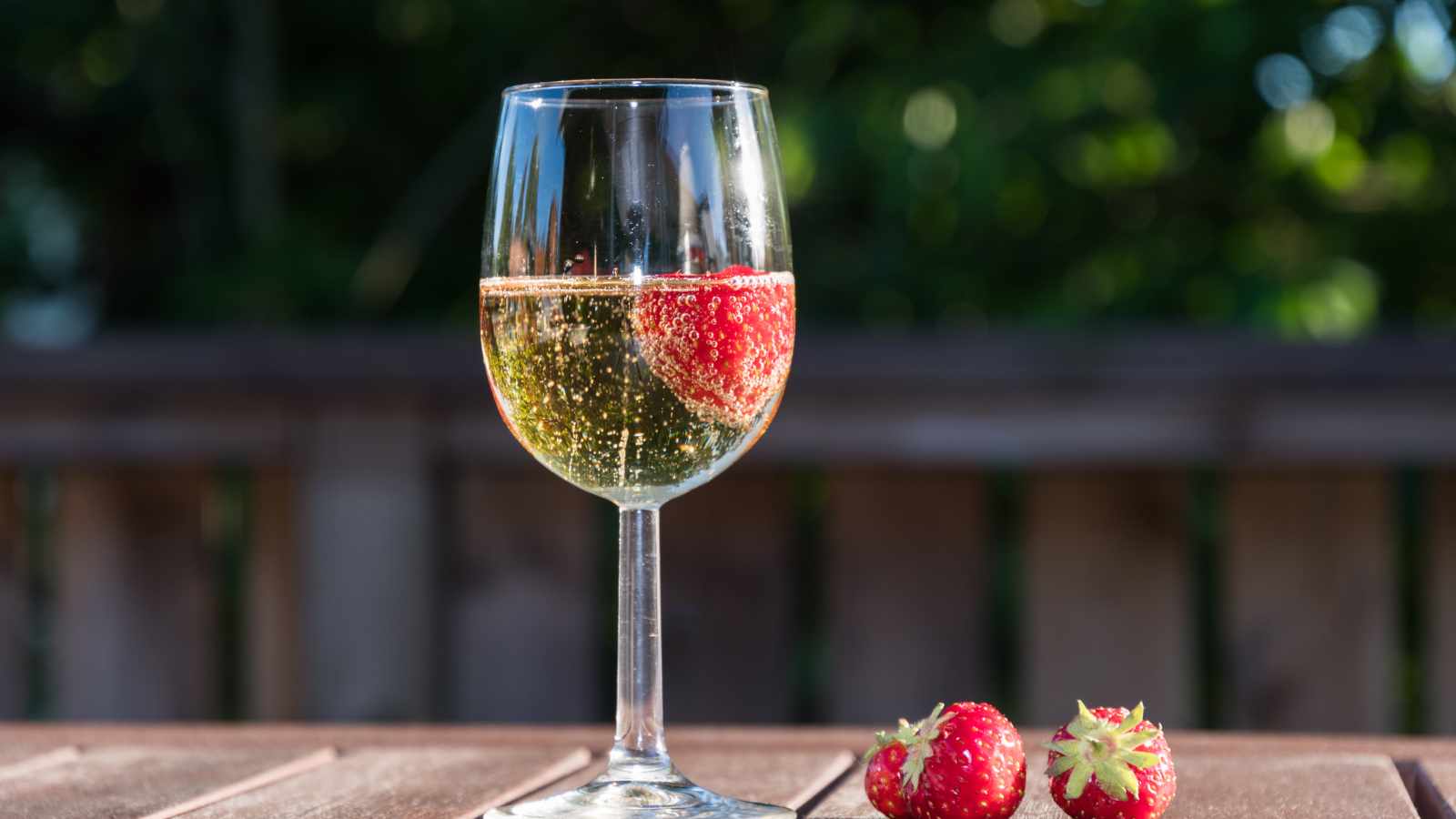
The alcohol in wine does not freeze, but the water content does, resulting in a lower-quality taste when thawed. Instead of freezing wine, use it to deglaze pans or incorporate it into sauces and stews for added flavor. If you have leftover wine you don’t plan on drinking, you can also use it to make vinegar.
Raw Potatoes

Raw potatoes contain high amounts of water, which turns into ice crystals when frozen. This freezing process leads to ice crystals forming within the potato cells, resulting in a mushy and unappetizing texture when thawed. If you have any leftover raw potatoes, cook them before freezing for better results.
Cucumbers
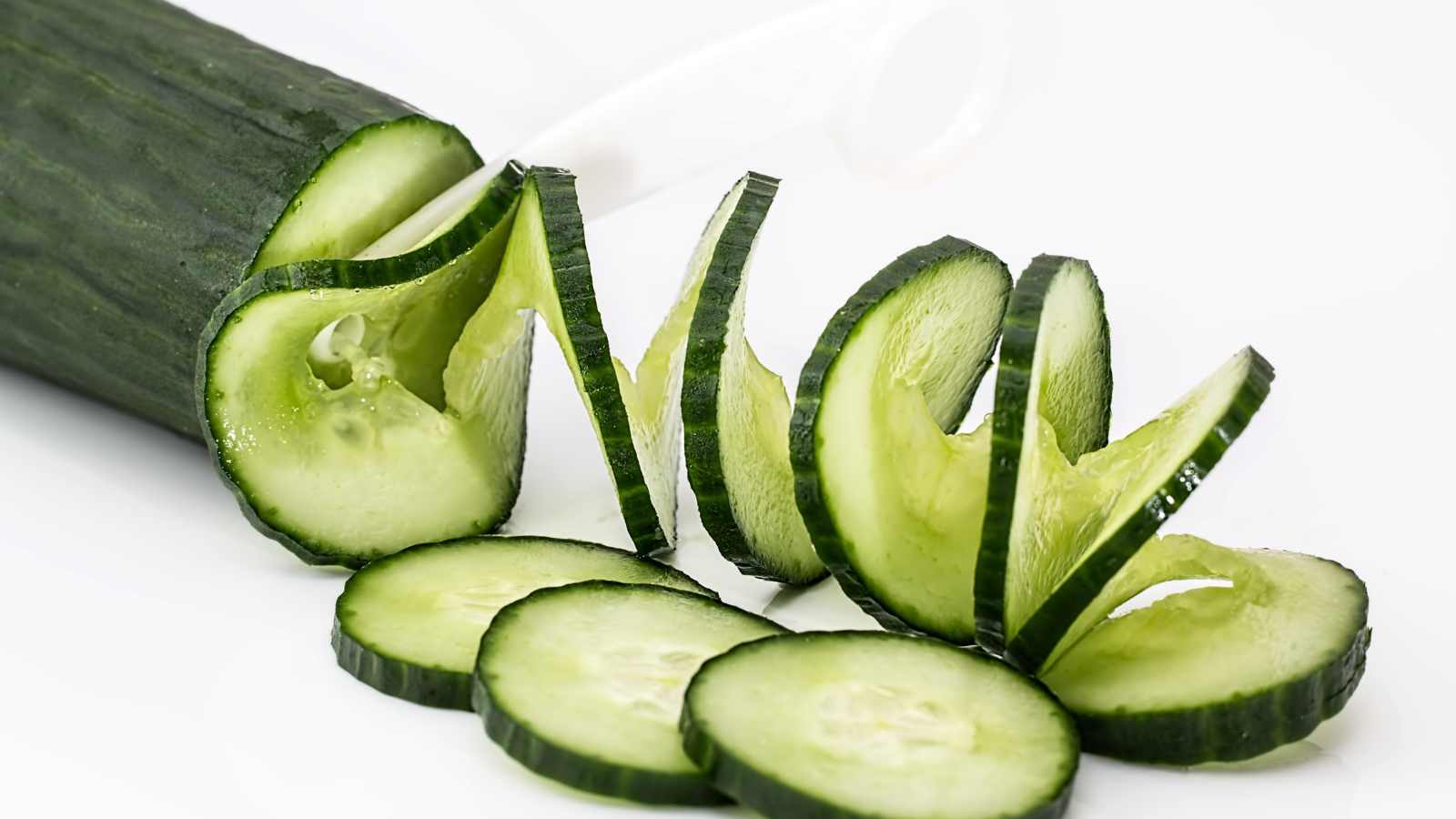
Cucumbers have a high water content, making them unsuitable for freezing. Freezing causes the liquid inside to expand and rupture the cell walls, resulting in a mushy texture when thawed. If you want to preserve cucumbers, try pickling or fermenting them instead.
Mayonnaise

Mayonnaise contains high levels of oil, which does not freeze well. Freezing causes the emulsion to break down, resulting in separated and watery mayonnaise when thawed. It is best to store mayonnaise in the fridge and use it within a reasonable time.
Lettuce
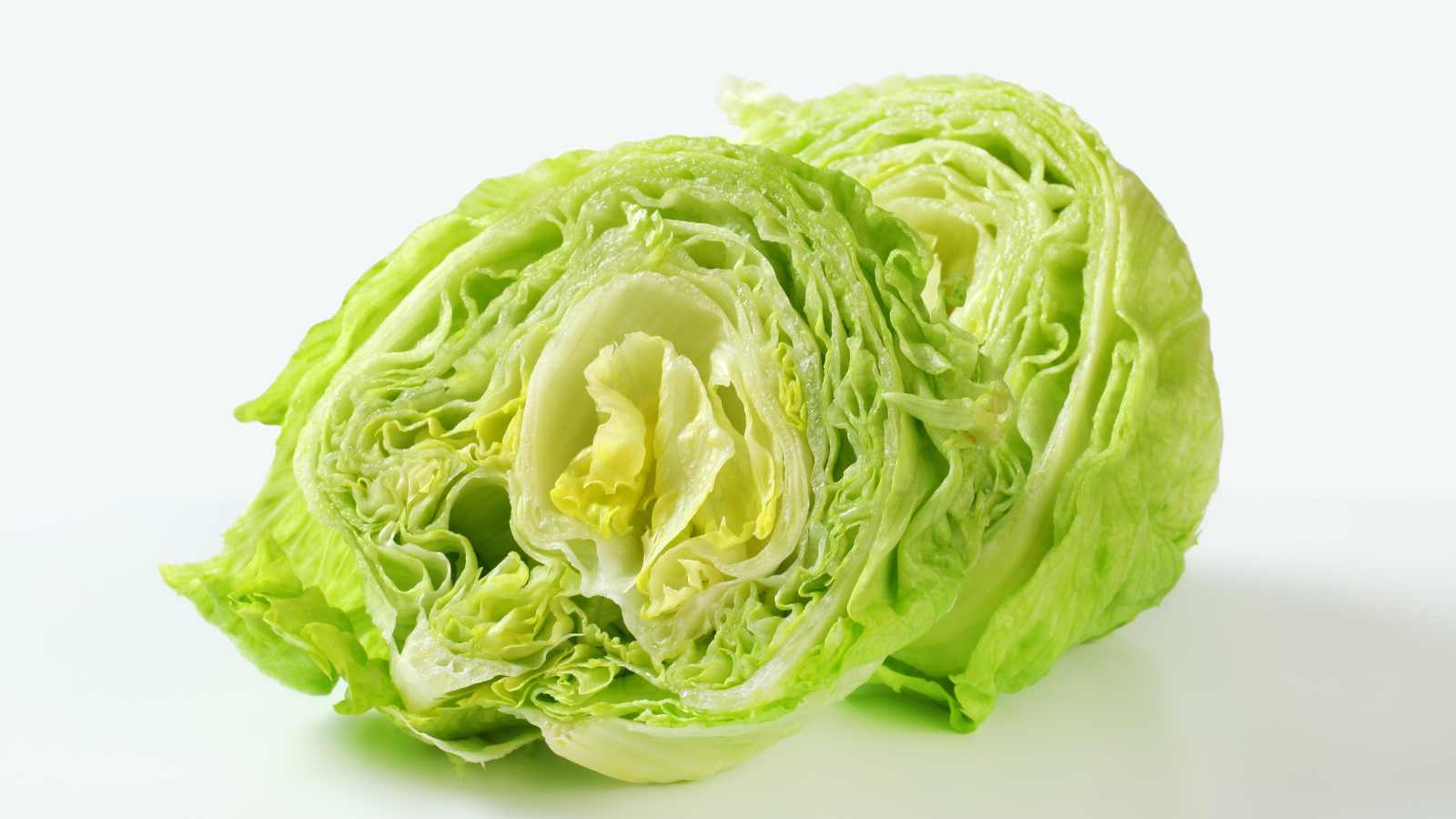
Lettuce contains a high water content and does not freeze well. Freezing causes them to wilt and become soggy when thawed. If you have extra lettuce or leafy greens, consider making a salad or using them in cooked dishes before they spoil.
Gravy

Gravy sauces with thickeners separate when frozen, resulting in a grainy and unappetizing texture. Gravy contains meat fats that can go rancid when exposed to freezing temperatures for an extended period. Use leftover gravy within a few days of refrigeration or incorporate it into dishes before freezing.
Hard-Boiled Eggs (In the Shell)

The texture of hard-boiled eggs changes when frozen, becoming rubbery and potentially developing an off-putting odor. If you have hard-boiled eggs to freeze, peel them and freeze the yolks or whites separately for future use in recipes.
Marshmallows
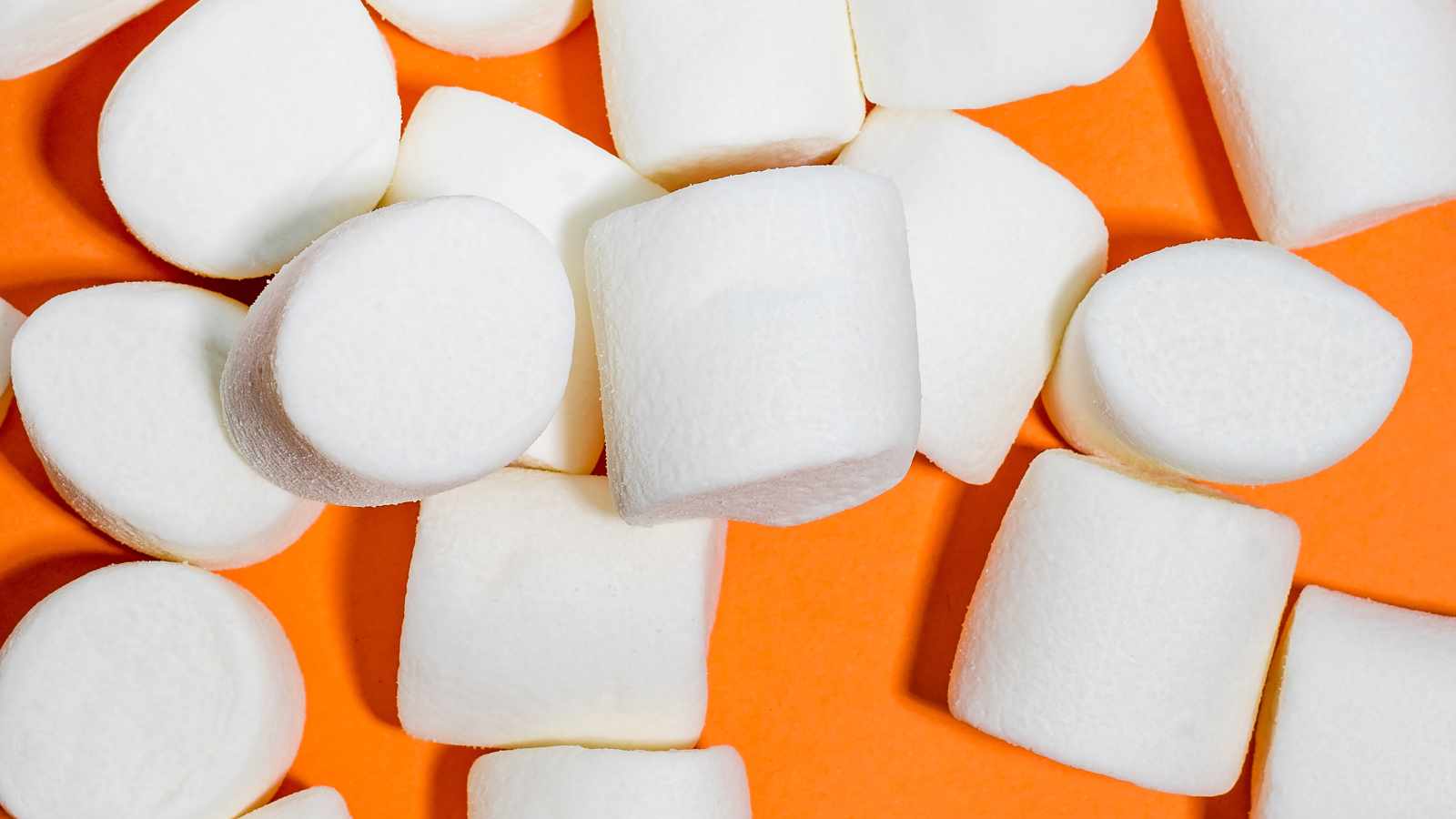
Marshmallows can become tough and dry when frozen due to their high sugar content. However, they do not necessarily spoil; it is just a change in texture that may make eating less enjoyable on their own.
Soft Cheese
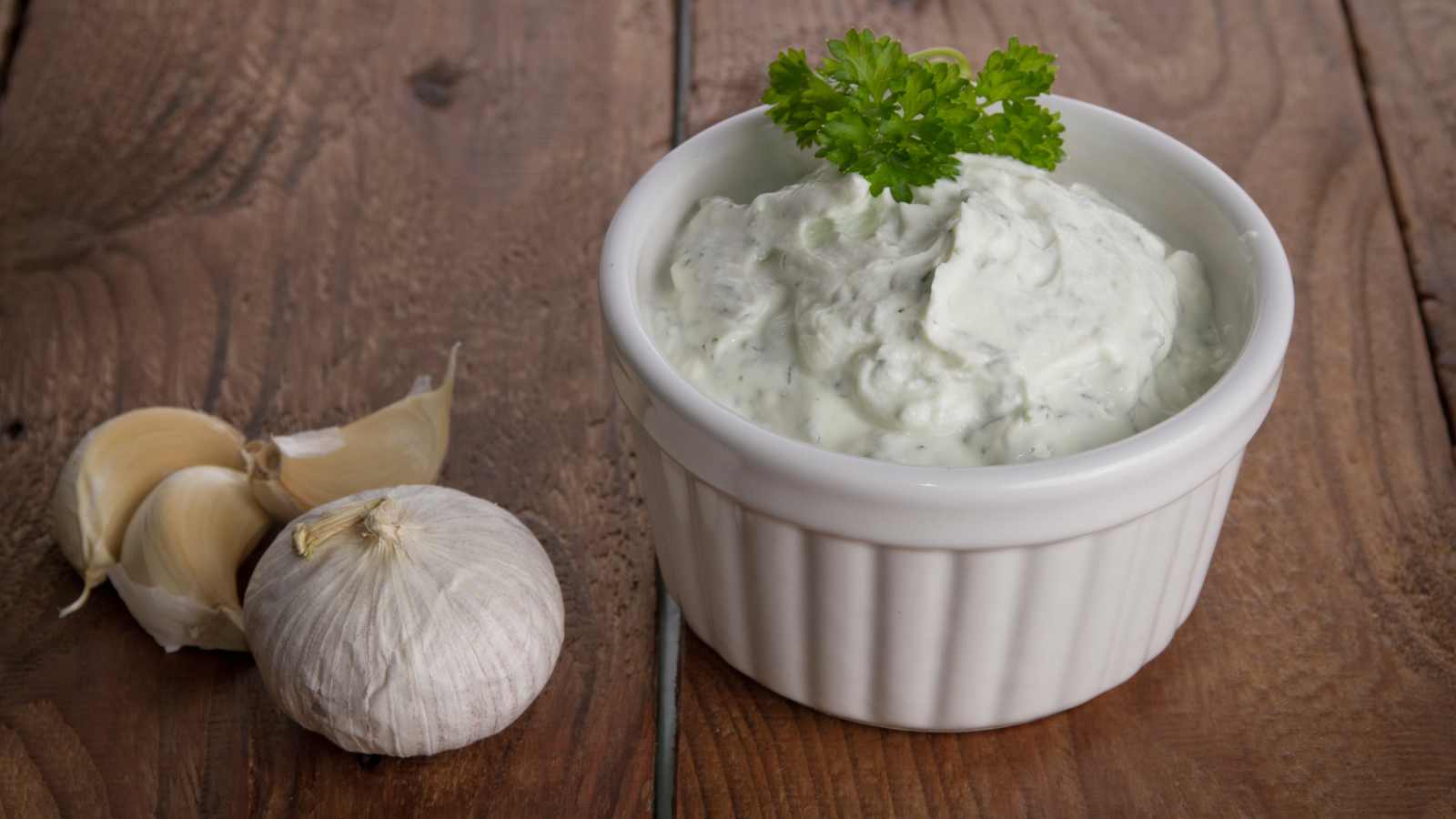
Soft Cheese, like cream cheese, can become crumbly and lose its creamy consistency when frozen. Hard cheeses, on the other hand, tend to freeze well. Use leftover soft Cheese within a few days or incorporate it into a dish before freezing.
Fried Foods

The crispiness of fried foods diminishes when frozen, resulting in a less satisfying texture when reheated. Enjoy them fresh or within a day or two of cooking. To restore leftover fried food’s texture, reheat it in the oven to revive the crispy exterior and maintain the optimal taste and texture.
Yogurt

Yogurt contains live cultures that can die off when exposed to freezing temperatures, leading to a change in taste and texture. Frozen yogurt also tends to become icy instead of creamy. Enjoy fresh yogurt, or use it within a few days if refrigerated.
Tomatoes

Tomatoes contain high amounts of water, which crystallizes and breaks down the cell walls when frozen, resulting in a mushy texture. Consider canning or using extra tomatoes in cooked dishes before they spoil.
Citrus Fruits

Citrus fruits, like oranges and lemons, can become mushy when frozen due to the high water content. Also, freezing can alter their taste and make them less flavorful. To store citrus fruits long-term, consider juicing or zesting them before freezing.
Fried Eggs
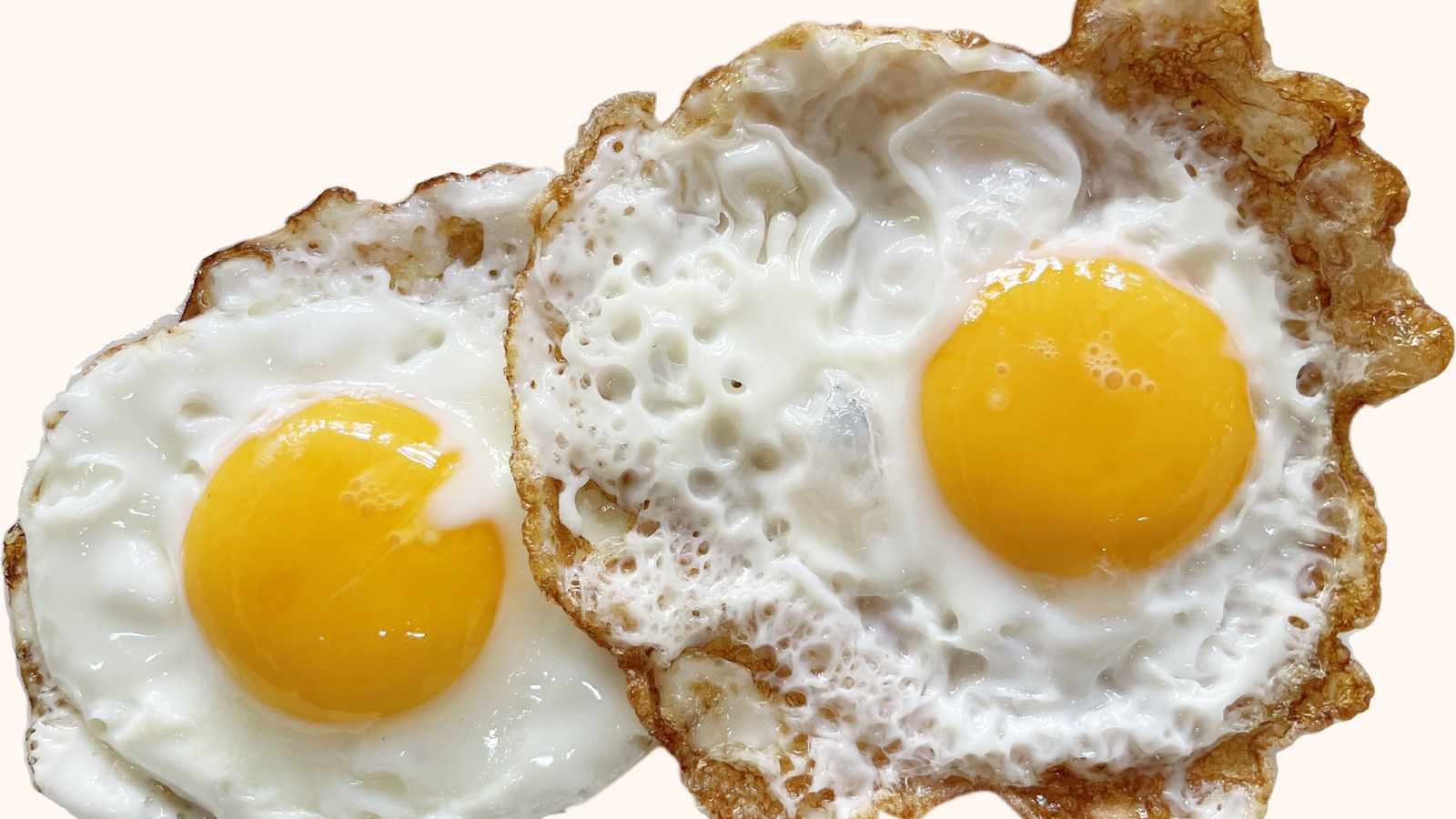
Fried Eggs do not freeze well; the whites can become rubbery, and the yolks can harden when thawed. Enjoy them fresh or use them within a day of cooking. Incorporate leftover fried eggs into a dish.
Milk
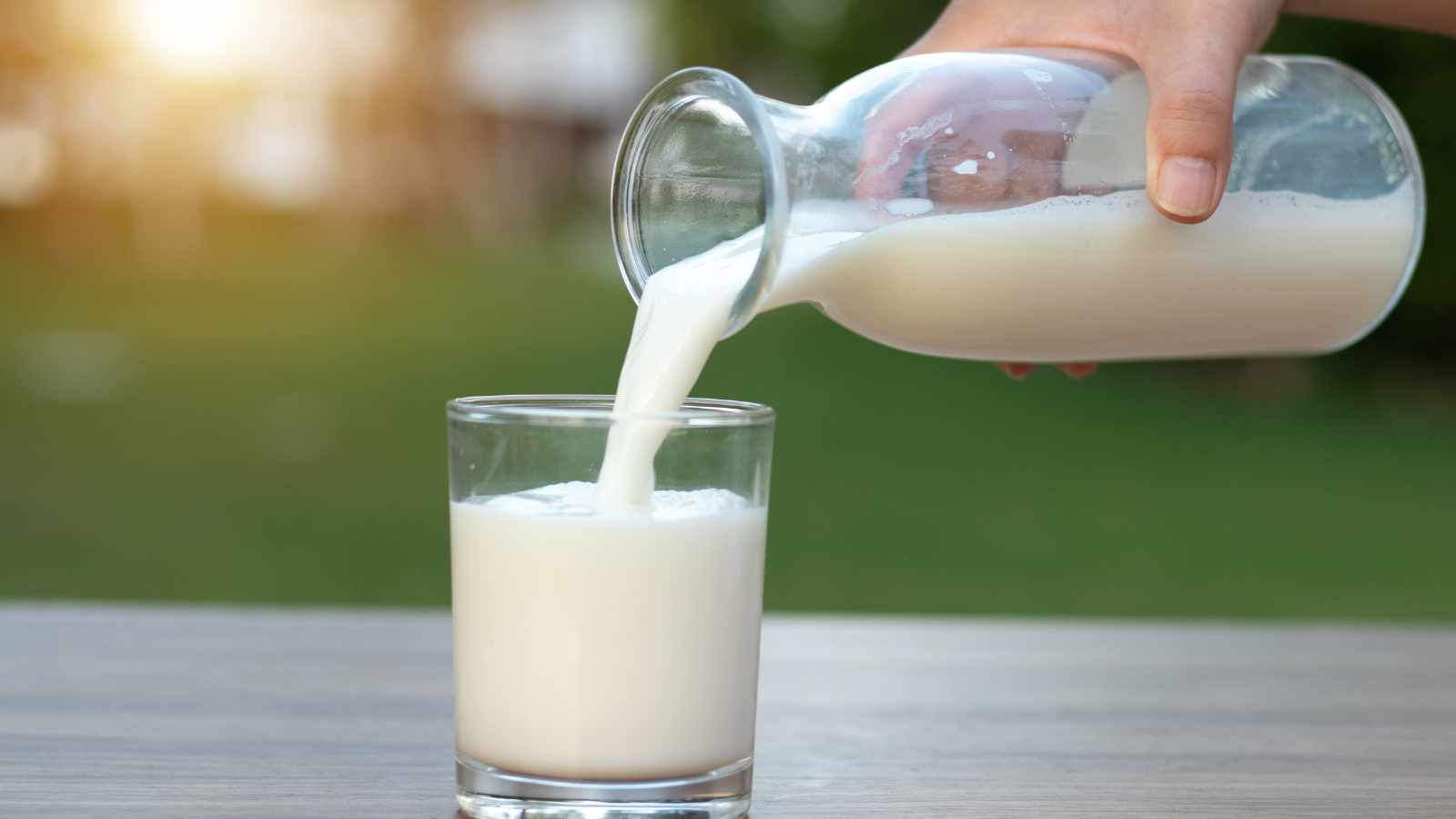
The process of freezing and thawing causes the milk fat to separate, forming clumps and uneven consistency. You can’t consume thawed milk as a standalone beverage due to its unappetizing texture, but you can use it in recipes.
Whole Avocados

Freezing avocados can lead to a change in texture, making them mushy and unappetizing when thawed. Instead of freezing whole avocados, try mashing them and freezing the puree in guacamole or smoothies for future use.
Herbs
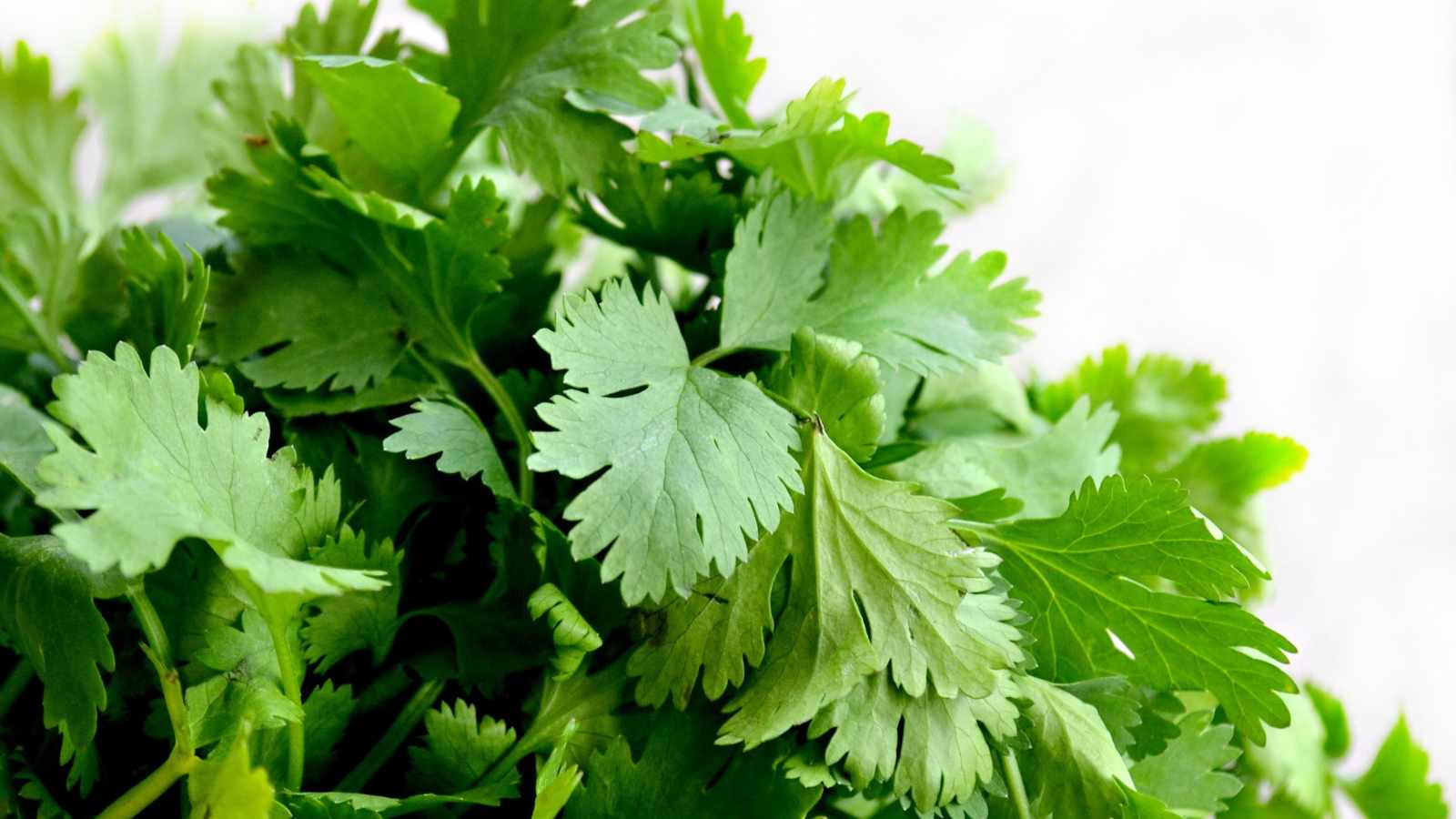
If you freeze fresh herbs without proper preparation, such as blanching or using an ice cube tray, they’ll likely become unappetizing brown, mushy messes when thawed. To preserve herbs’ vibrant flavors and textures, consider alternative methods like air-drying or dehydrating them.
Sour Cream

Sour cream can become watery and separate when frozen, causing a change in texture and flavor. Enjoy sour cream fresh, or use it within a few days of opening the container. If you have leftover sour cream, try using it in a dish before freezing for better results.
Gelatin-Based Desserts
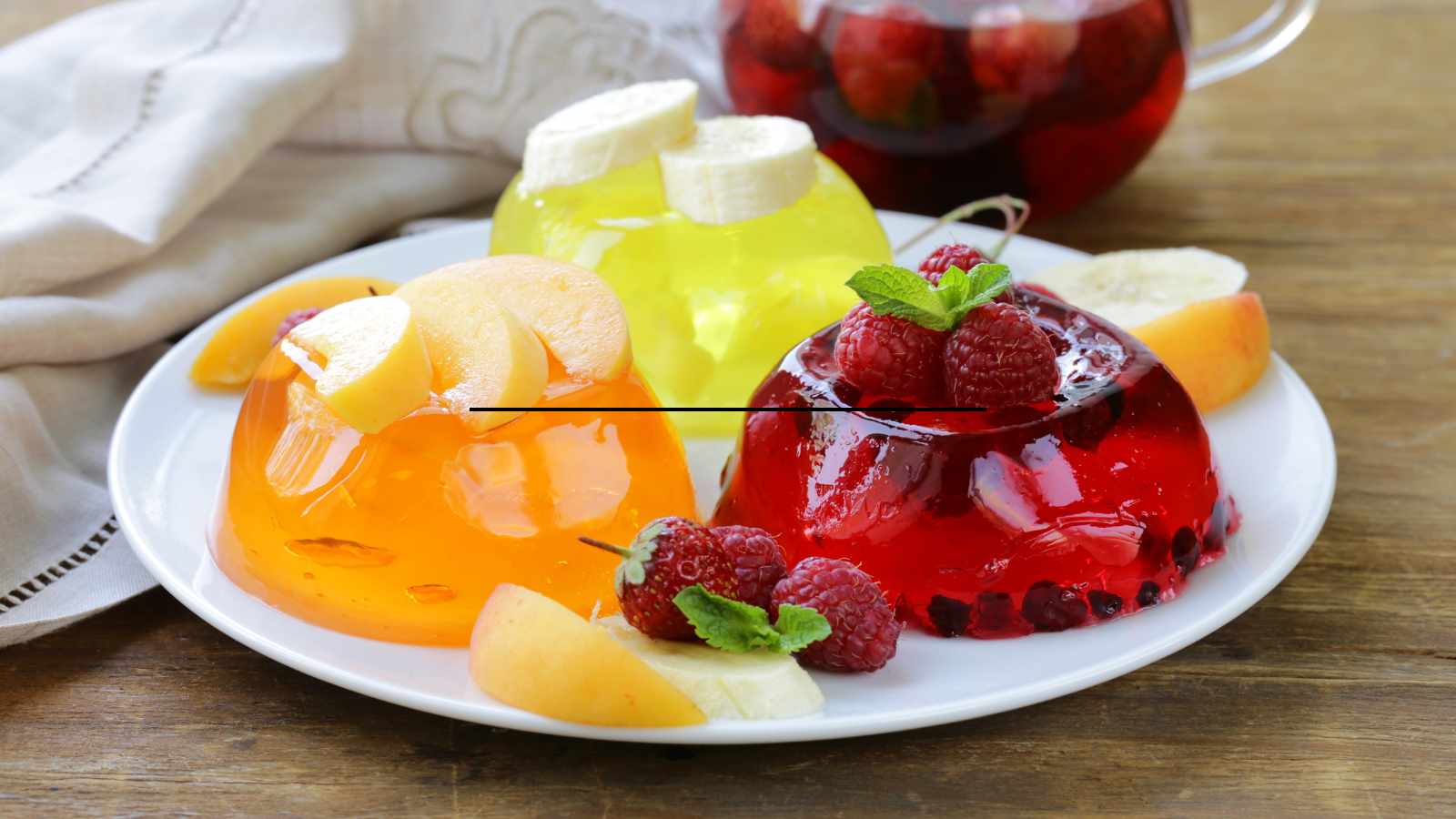
Gelatin-based desserts, like Jell-O, can lose their smooth and silky texture and develop a slightly grainy consistency when frozen for an extended period. The freezing process can cause the gelatin molecules to rearrange, resulting in a less homogeneous structure and a different mouthfeel.
More From Health Makes You

Eating is essential to your survival, but many food items can cause serious harm and put you at risk of death if ingested in large quantities or not prepared properly. Some of them are common foods you consume every day.
30 Dangerous Foods You Didn’t Know Could Kill You
16 Foods Boomers Love That Millennials Won’t Touch

The generation gap between Baby Boomers and Millennials can be seen in many aspects of life, from how they dress and listen to music to how they shop and eat. Here’s a look at some dishes Boomers love, but Millennials won’t touch.
16 Foods Boomers Love That Millennials Won’t Touch
The Top 25 Most Popular Foods in America You Must Try Once in Your Life

America is a melting pot of cultures, and its cuisine reflects that. From coast to coast, you can find all sorts of unique dishes that are delicious and nutritious. Here’s a list of the top 25 most popular foods in America that you must try at least once in your life!
The Top 25 Most Popular Foods in America You Must Try Once in Your Life
15 Foods Americans Eat That Foreigners Find Disgusting

Americans have various culinary preferences, and some foods popular in the United States may seem strange or even disgusting to foreigners. Here are some foods Americans eat that foreigners find most disgusting.
15 Foods Americans Eat That Foreigners Find Disgusting
10 Foods to Never Eat for Breakfast

Breakfast is the most important meal of the day as it sets the tone for your energy levels and how you function throughout the day. While some foods provide the necessary fuel to conquer the day, others derail your diet plans and leave you sluggish. Here’s a list of common foods to avoid to start your day right.
10 Foods to Never Eat for Breakfast
This article was produced on Health Makes You.