
Farmers’ markets are considered a treasure trove of fresh produce, artisanal goods, and locally sourced items. They are often lauded for their quality offerings and community-driven nature. So, before you head off with your shopping list and reusable bags, let’s dive into some surprising items that might not be the best pick from the farmers’ market stalls.
Imported Fruits and Vegetables

While farmers’ markets are usually praised for their locally grown produce, some vendors may sell items not grown in the region or the country.
Processed Foods

Although purchasing sauces or baked goods at a farmers’ market may seem like a good idea, these products may only sometimes be made with fresh ingredients. Some vendors may use commercially produced components or add preservatives, making them less healthy and sustainable than they appear.
Non-seasonal Produce
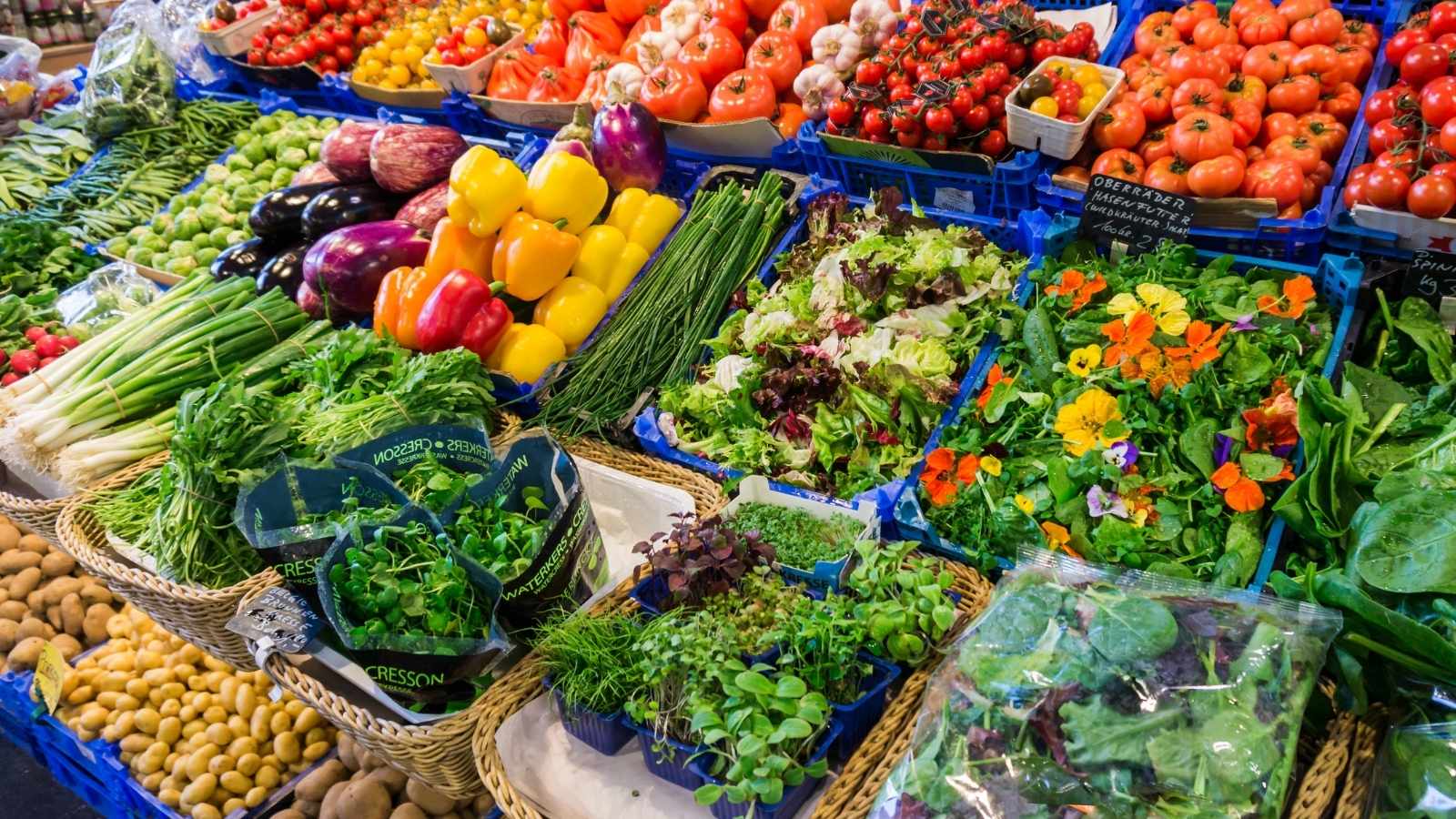
Fruits and vegetables that are not in season are often shipped from other regions or even countries to be sold at farmers’ markets; this increases the carbon footprint and means that the produce is likely less fresh than what you would find at a local grocery store.
Meat and Poultry

Some farmers’ markets offer locally sourced meat and poultry; others may import these items from large-scale producers. You must confirm that the vendor uses ethical and sustainable farming practices to purchase these products from a trusted source.
Honey

Although honey is often sold at farmers’ markets, not all may be locally produced. Some vendors may source their honey from large-scale beekeeping operations, making it difficult to know the product’s true origins. It’s best to research and support local beekeepers directly if you want locally sourced honey.
Seafood

Seafood at farmers’ markets may not always come from local sources. Additionally, the sustainability or safety of the seafood being sold is not guaranteed. It’s essential to do your research and ensure you purchase from a reputable vendor.
Raw Milk
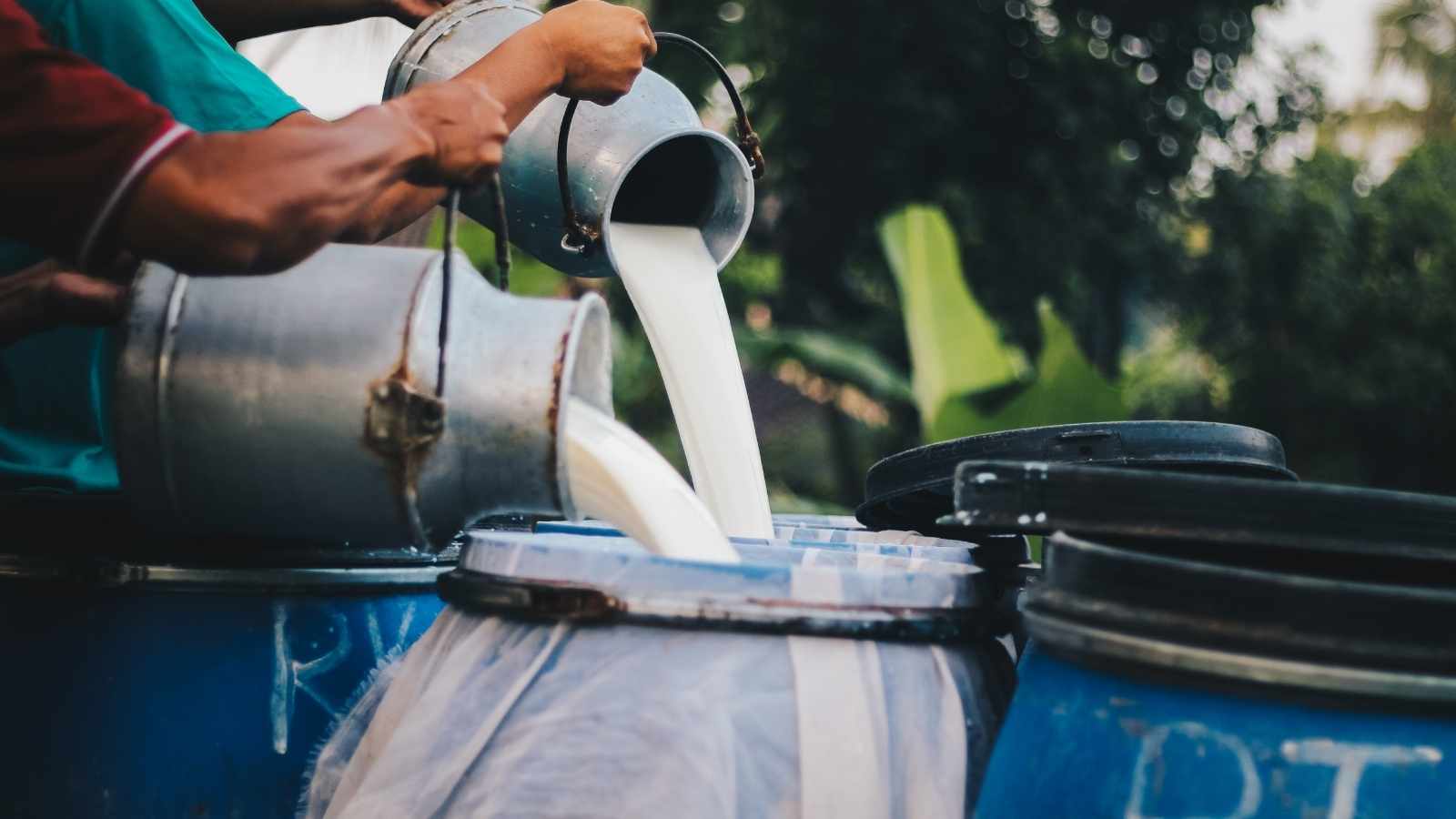
A staple in many farm-to-table homes, raw milk is the milk that has not been pasteurized. It’s often sought after for its rich, creamy taste and its high nutritional content, including beneficial enzymes and probiotics that are destroyed in the pasteurization process. However, it’s important to consider the source of your raw milk as it also has a higher risk of containing harmful bacteria if not handled correctly.
Pre-cut Fruits and Vegetables

Pre-cut fruits and vegetables are often marked up in price significantly at farmers’ markets. Additionally, due to exposure to air, they may lose nutrients faster than their whole counterparts. It’s more cost-effective and healthier to purchase whole fruits and vegetables and cut them at home.
Non-organic Berries

Berries are one of the fruits most heavily sprayed with pesticides. If you’re shopping at a farmers’ market for healthier produce, non-organic berries should be avoided.
Flavored Nuts and Popcorn
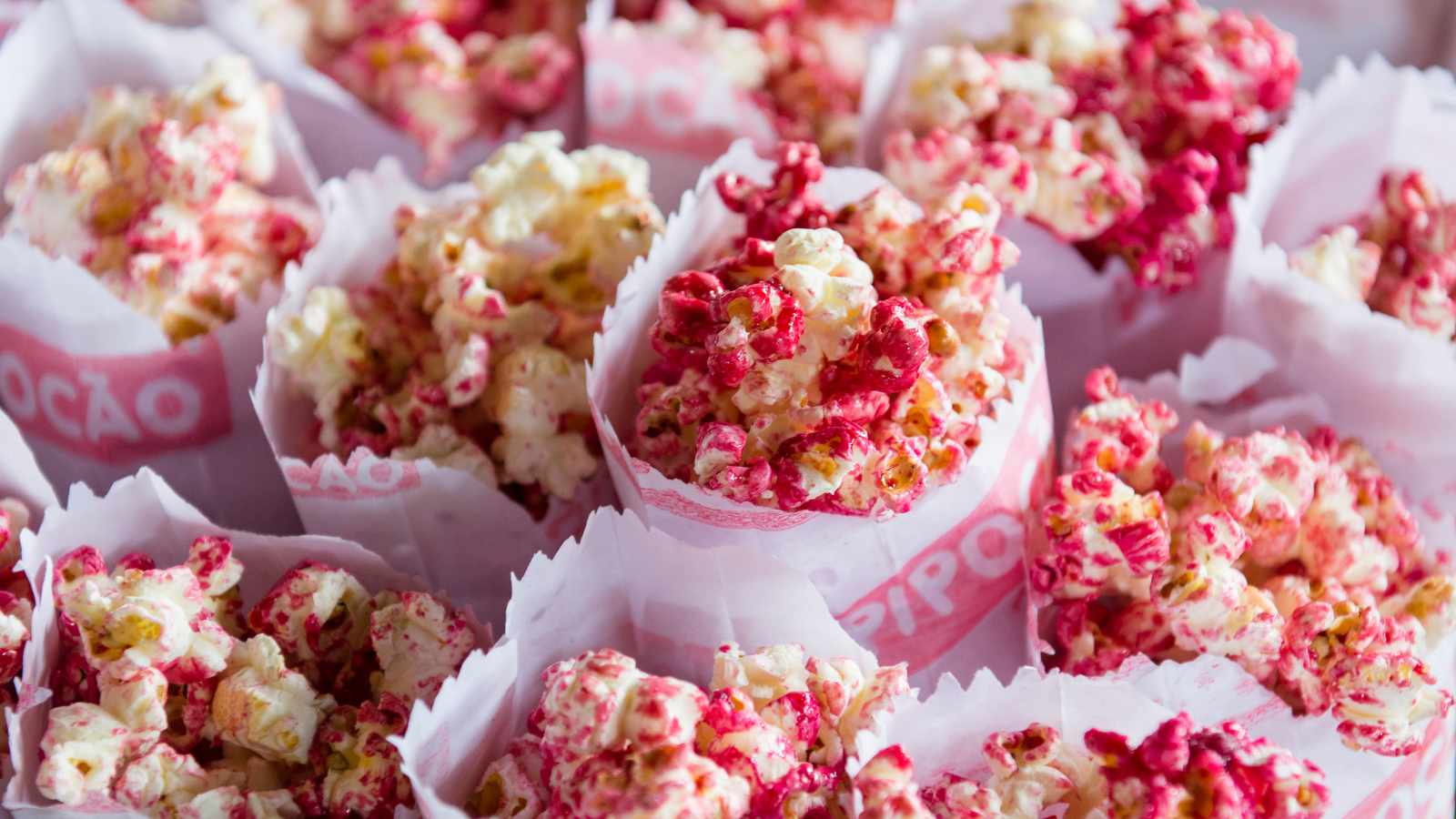
Tempting, spiced nuts and popcorn at farmers’ markets contain unhealthy additives like sugar and artificial flavors. Stick to plain varieties or check the label for natural ingredients.
Pre-made Meals
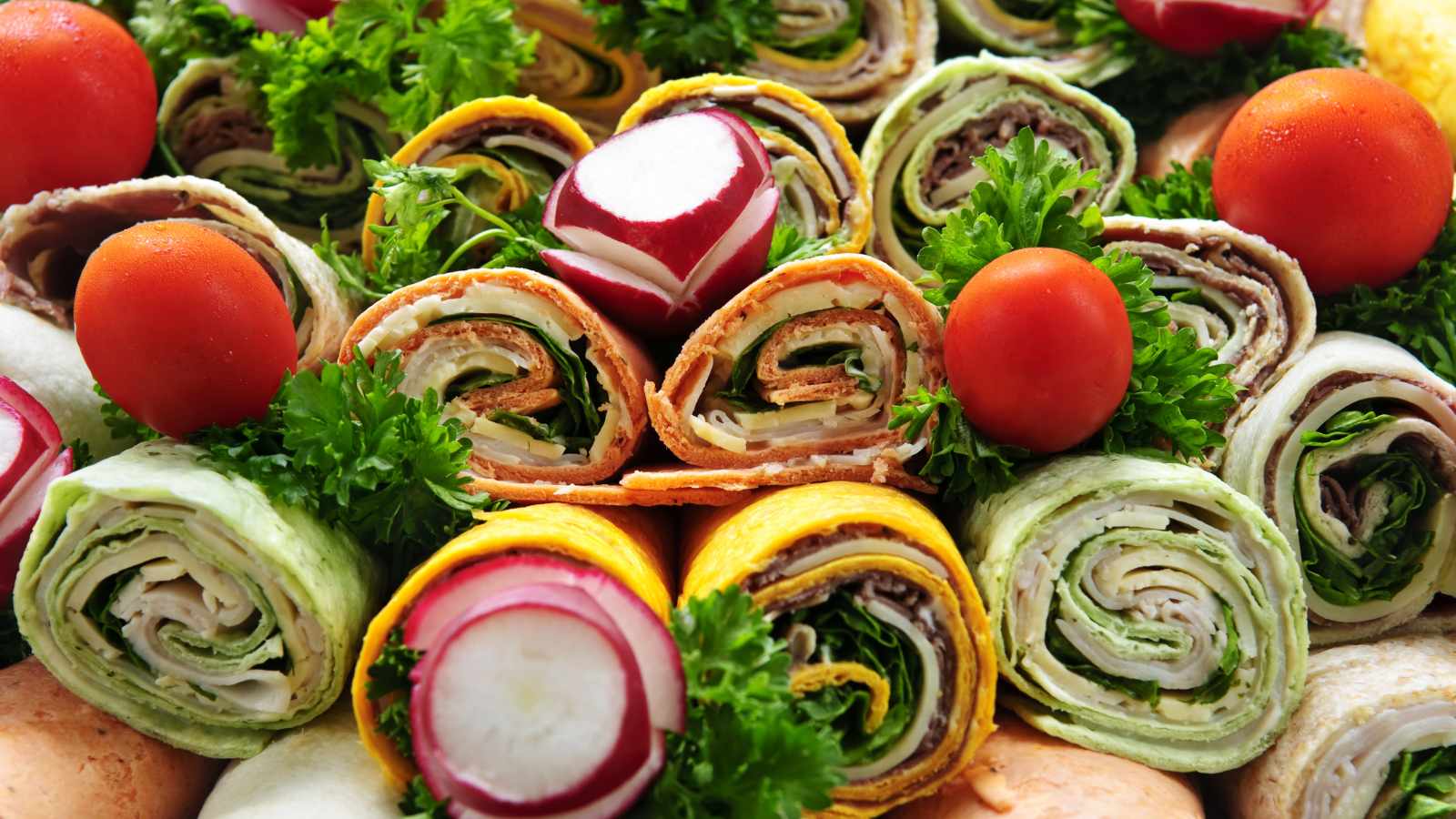
These meals may seem convenient, but pre-made meals at farmers’ markets are high in sodium and unhealthy fats. Sticking to fresh produce and meats for a healthier option is best.
Fruit Juices
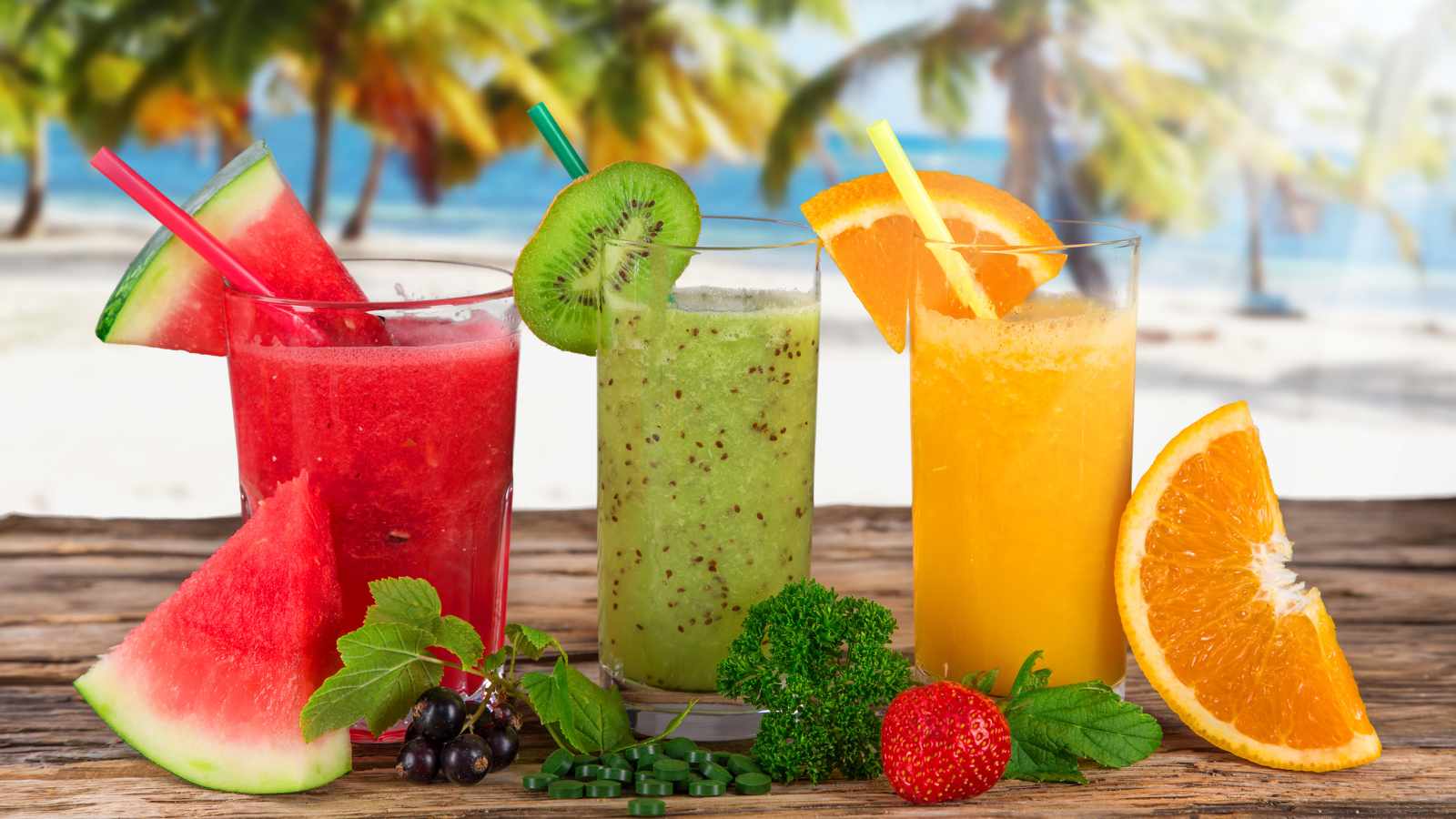
Be cautious when purchasing fruit juices at the farmer’s markets. They can be high in added sugars and lack the fiber and nutrients that whole fruits provide. It is always better to opt for fresh fruits instead.
Homemade Jams and Preserves

You may come across homemade jams and preserves at the farmer’s market that seems too good to pass up. However, these have added sugars and preservatives.
Candied Fruit and Nuts
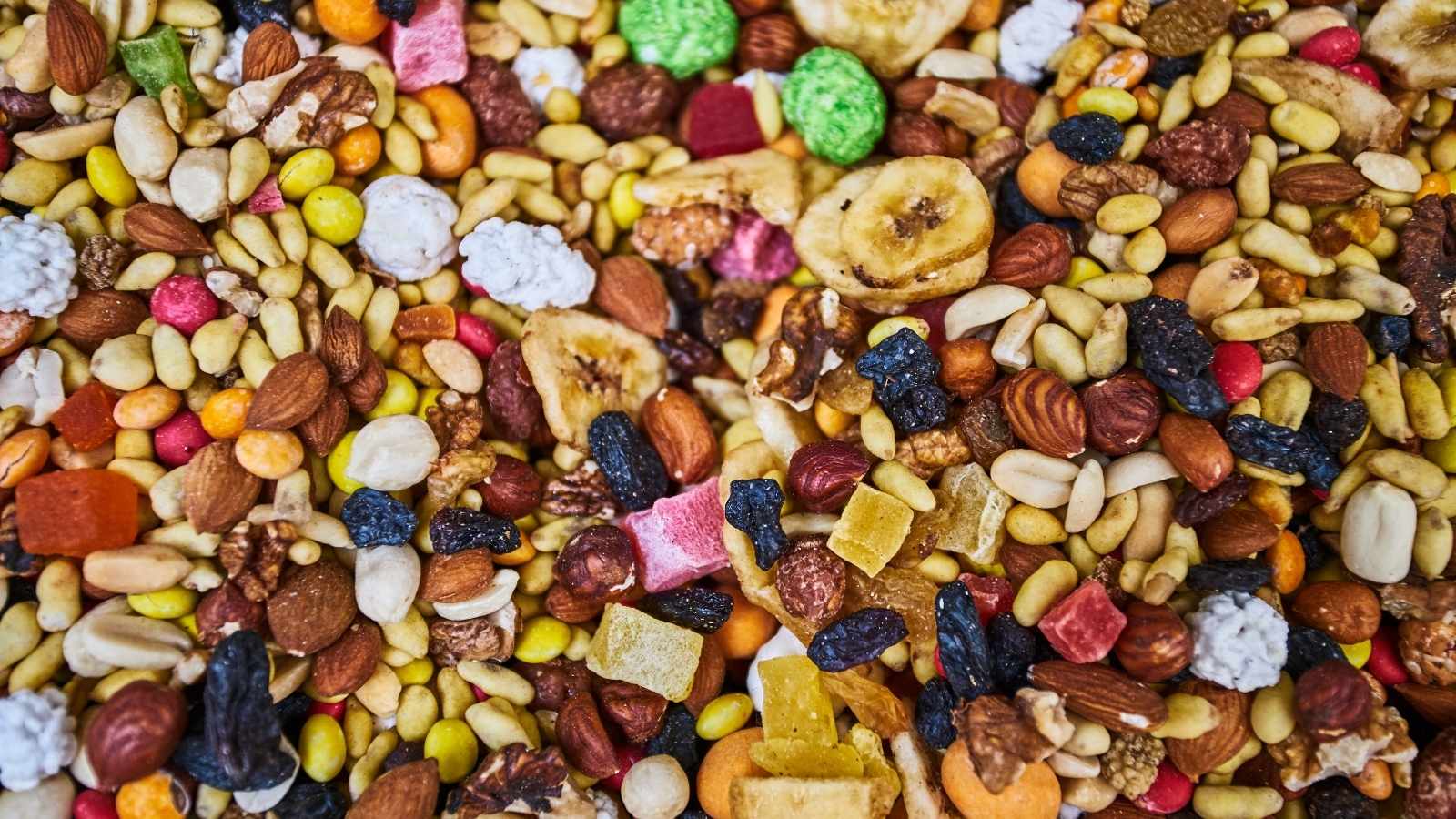
These may seem like a healthier alternative to candy, but they can be just as high in added sugars. It is essential to check the ingredient list and opt for naturally sweetened options such as dried fruits or raw nuts.
Homemade Granola

Homemade granola may seem healthy, but they are high in added sugars and unhealthy fats. Be mindful of portion sizes and choose natural sweeteners and whole-grain ingredients.
More From Health Makes You

Eating is essential to your survival, but many food items can cause serious harm and put you at risk of death if ingested in large quantities or not prepared properly. Some of them are common foods you consume every day.
30 Dangerous Foods You Didn’t Know Could Kill You
16 Foods Boomers Love That Millennials Won’t Touch

The generation gap between Baby Boomers and Millennials can be seen in many aspects of life, from how they dress and listen to music to how they shop and eat. Here’s a look at some dishes Boomers love, but Millennials won’t touch.
16 Foods Boomers Love That Millennials Won’t Touch
The Top 25 Most Popular Foods in America You Must Try Once in Your Life

America is a melting pot of cultures, and its cuisine reflects that. From coast to coast, you can find all sorts of unique dishes that are delicious and nutritious. Here’s a list of the top 25 most popular foods in America that you must try at least once in your life!
The Top 25 Most Popular Foods in America You Must Try Once in Your Life
15 Foods Americans Eat That Foreigners Find Disgusting

Americans have various culinary preferences, and some foods popular in the United States may seem strange or even disgusting to foreigners. Here are some foods Americans eat that foreigners find most disgusting.
15 Foods Americans Eat That Foreigners Find Disgusting
10 Foods to Never Eat for Breakfast

Breakfast is the most important meal of the day as it sets the tone for your energy levels and how you function throughout the day. While some foods provide the necessary fuel to conquer the day, others derail your diet plans and leave you sluggish. Here’s a list of common foods to avoid to start your day right.
10 Foods to Never Eat for Breakfast
This article was produced on Health Makes You.