
Contrary to what many people believe, organic produce doesn’t mean healthier produce. Organic food is grown, harvested, stored, and transported without synthetic chemicals, irradiation, or fumigants. We have highlighted common misconceptions and why you should reconsider these purchases.
Higher Price Tag

One of the biggest deterrents to buying organic food is its significantly higher price tag. Organic fruits and vegetables can cost up to 50% more than conventionally grown produce, making it difficult for consumers on a budget to afford.
Equivalent Nutrient Levels

Contrary to popular belief, organic food does not always equate to higher nutritional value. The nutrient content of organic and conventionally grown produce is nearly identical. Despite the higher cost, organic food provides no substantial healthy advantage over non-organic food.
Pesticide Residue Levels

The FDA diligently oversees and controls the levels of pesticide residue on conventionally grown produce. The amounts detected in non-organic produce are significantly below toxic thresholds and pose minimal health risks to consumers.
Misleading Labels

The label “organic” does not necessarily mean pesticide-free. Organic farmers are permitted to use “natural” pesticides, which can still be harmful if consumed in large quantities. Also, the term “organic” can be misleading as it implies that non-organic food contains toxic chemicals when they are safe for consumption.
Limited Availability

Organic produce is not always readily available in all grocery stores, making it challenging for consumers to purchase organic food consistently. This limited availability also contributes to the higher prices of organic produce.
Transportation Costs
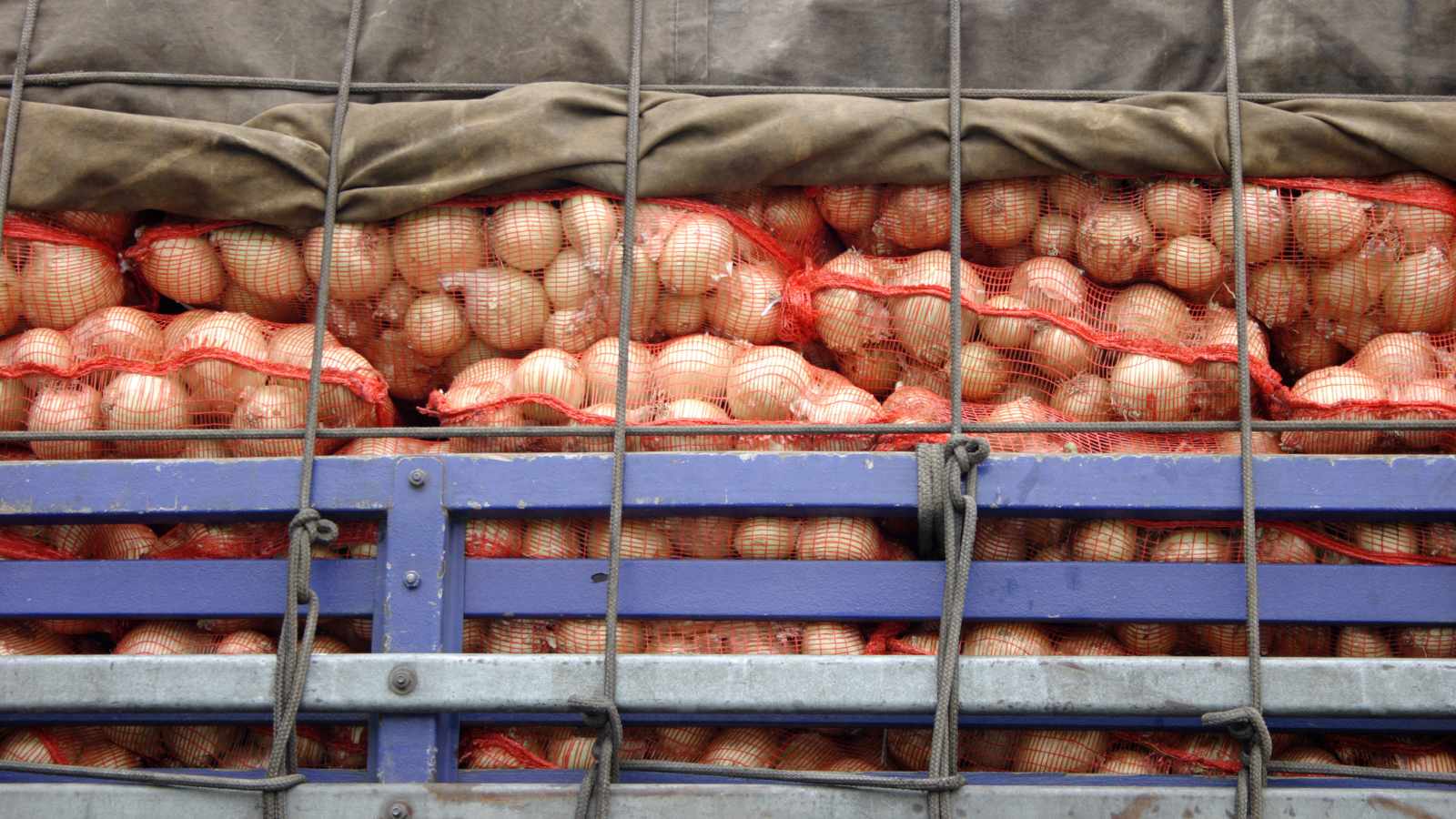
Organic food, due to its nature, is often sourced from specialized farms located farther away from urban centers. As a result, it needs to travel longer distances to reach consumers, which incurs higher transportation costs. These additional costs, including fuel, logistics, and handling, are ultimately passed on to the consumer, contributing to the overall price of organic food.
Potential for Foodborne Illnesses

Organic produce is not immune to foodborne illnesses. Using organic fertilizers like manure increases the risk of contamination by bacteria such as E. coli and Salmonella. These illnesses can cause severe health complications, especially for children, pregnant women, and those with weakened immune systems.
Lower Yields
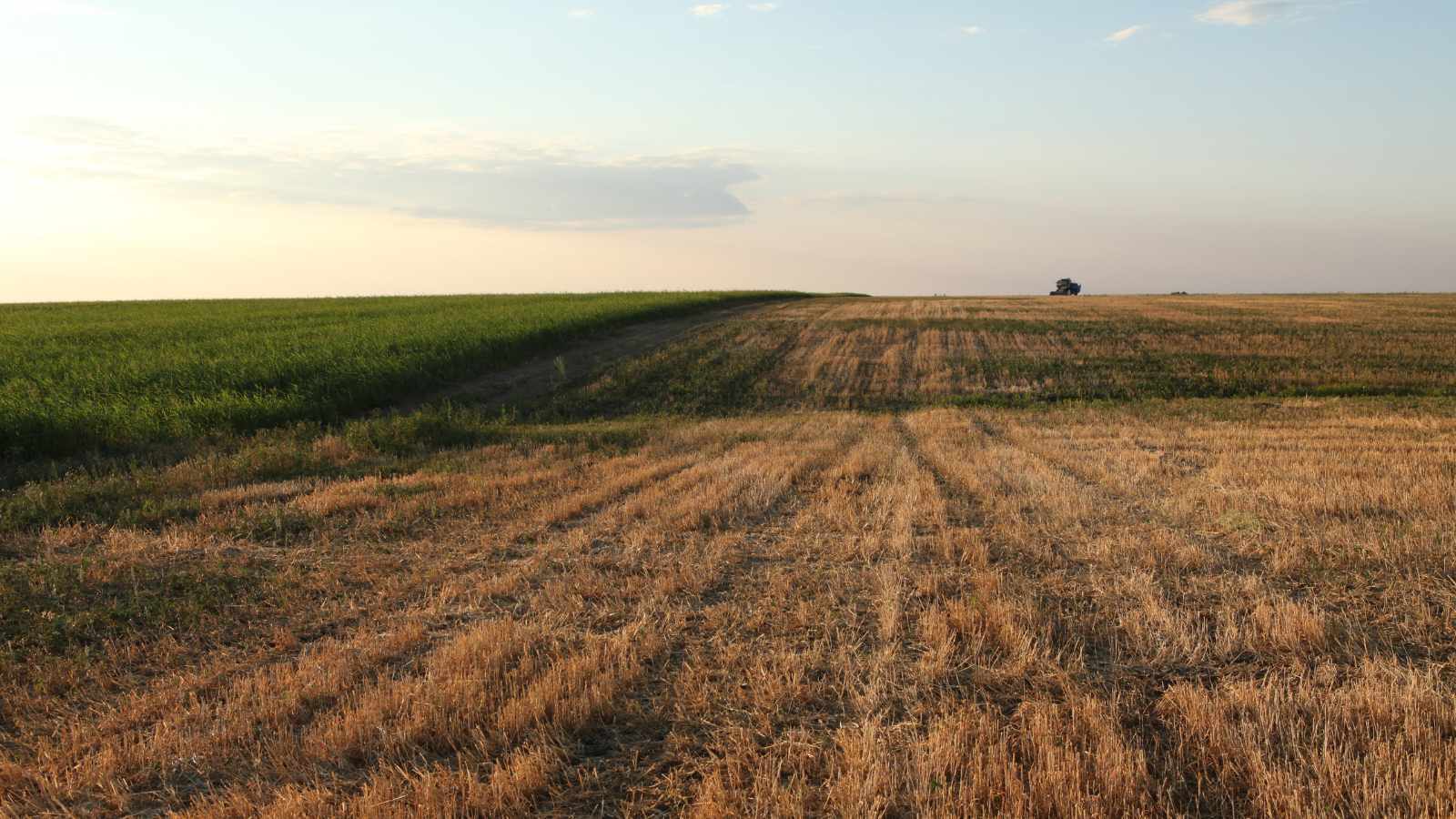
Due to stricter regulations and limited use of synthetic pesticides, organic farms often have lower yields compared to conventional farms. This restriction leads to a higher cost per unit produced, which is then reflected in the price of organic food.
No Significant Taste Difference

Many consumers claim that organic food tastes better due to its natural cultivation methods and absence of synthetic chemicals. However, there is no proof of a significant taste difference between organic and conventional produce, suggesting that personal preferences and individual experiences may play a role in this perception.
Questionable Environmental Impact
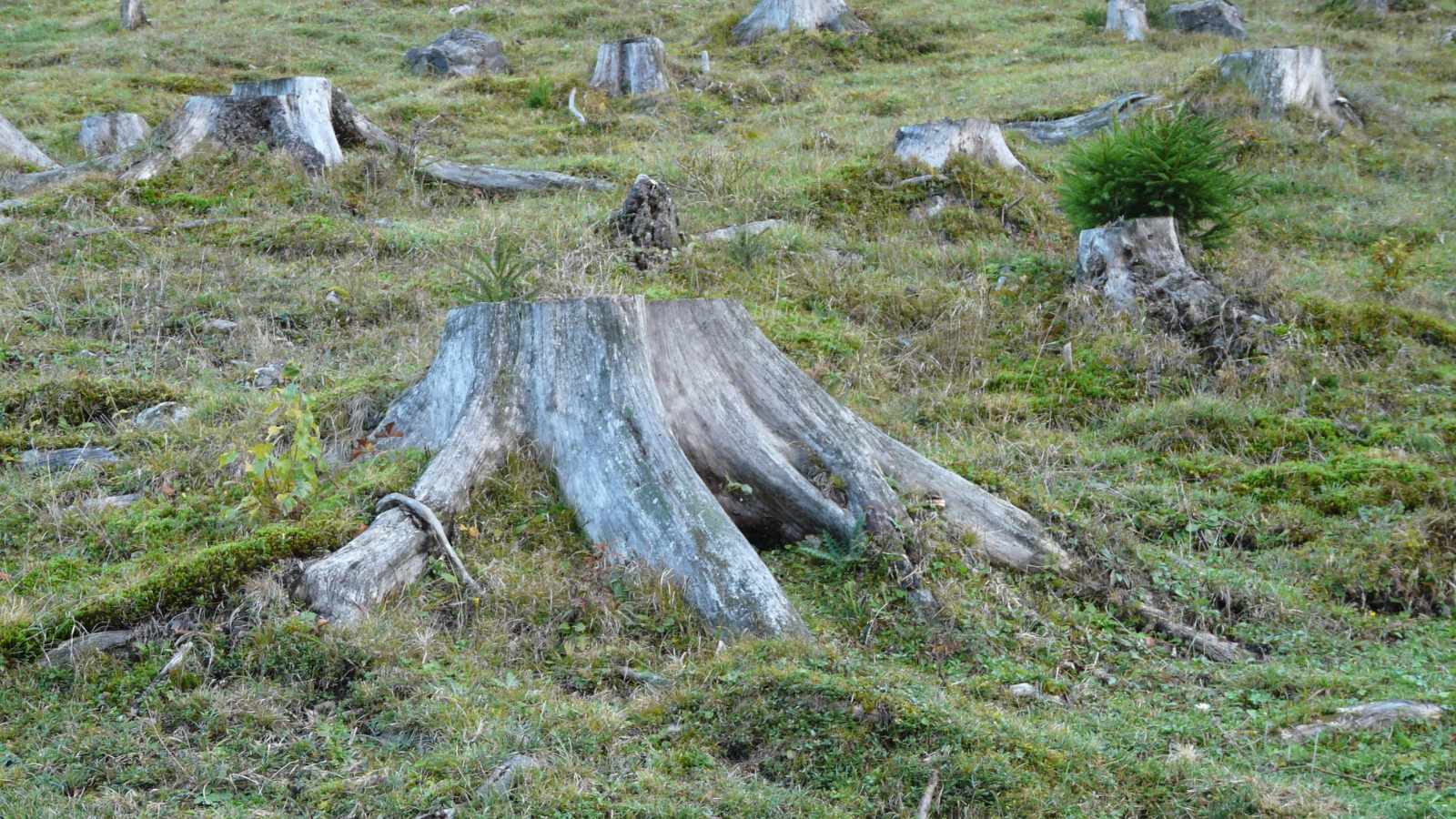
While promoting sustainable agriculture, organic farming practices may require a larger land area to produce equivalent food yields. This expansion of agricultural space can potentially contribute to deforestation and the destruction of natural habitats, necessitating clearing land for cultivation.
Natural Doesn’t Mean Safer
Natural pesticides used in organic farming can be as toxic as synthetic ones, debunking the notion that “natural” means “safe.” Concentrated or excessive use of naturally occurring substances can harm the environment and human health.
Strict Certification Criteria

To label a product as organic, farmers must meet strict certification criteria. This process can be time-consuming and expensive, adding to the overall cost of organic food production. These costs are eventually passed on to the consumer, increasing prices.
Less Efficient Water Use
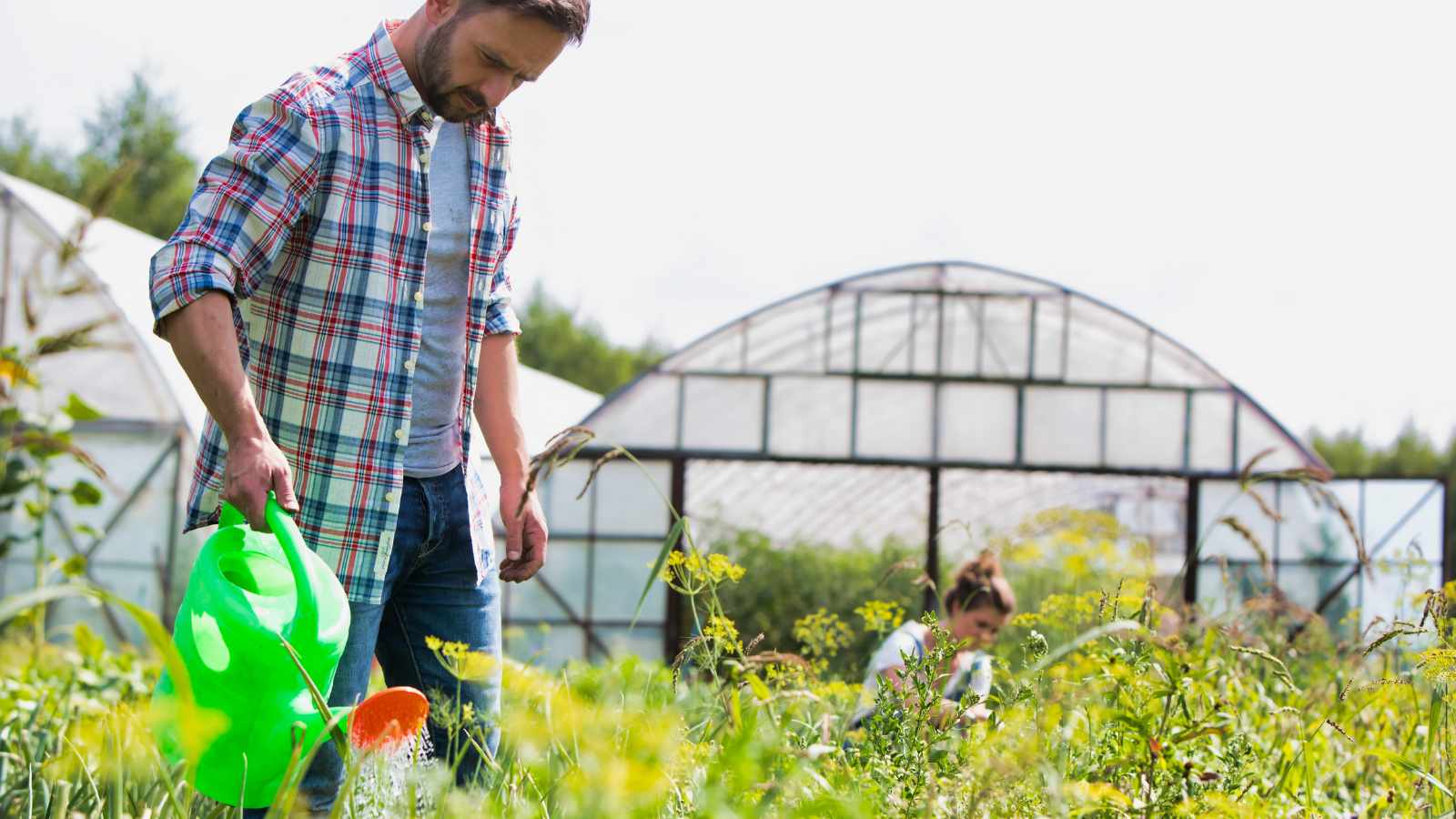
Organic farming methods often require more water due to the lack of synthetic fertilizers and pesticides. This increased demand for water can lead to higher costs, making organic food even more expensive.
Risk of Nitrate Contamination
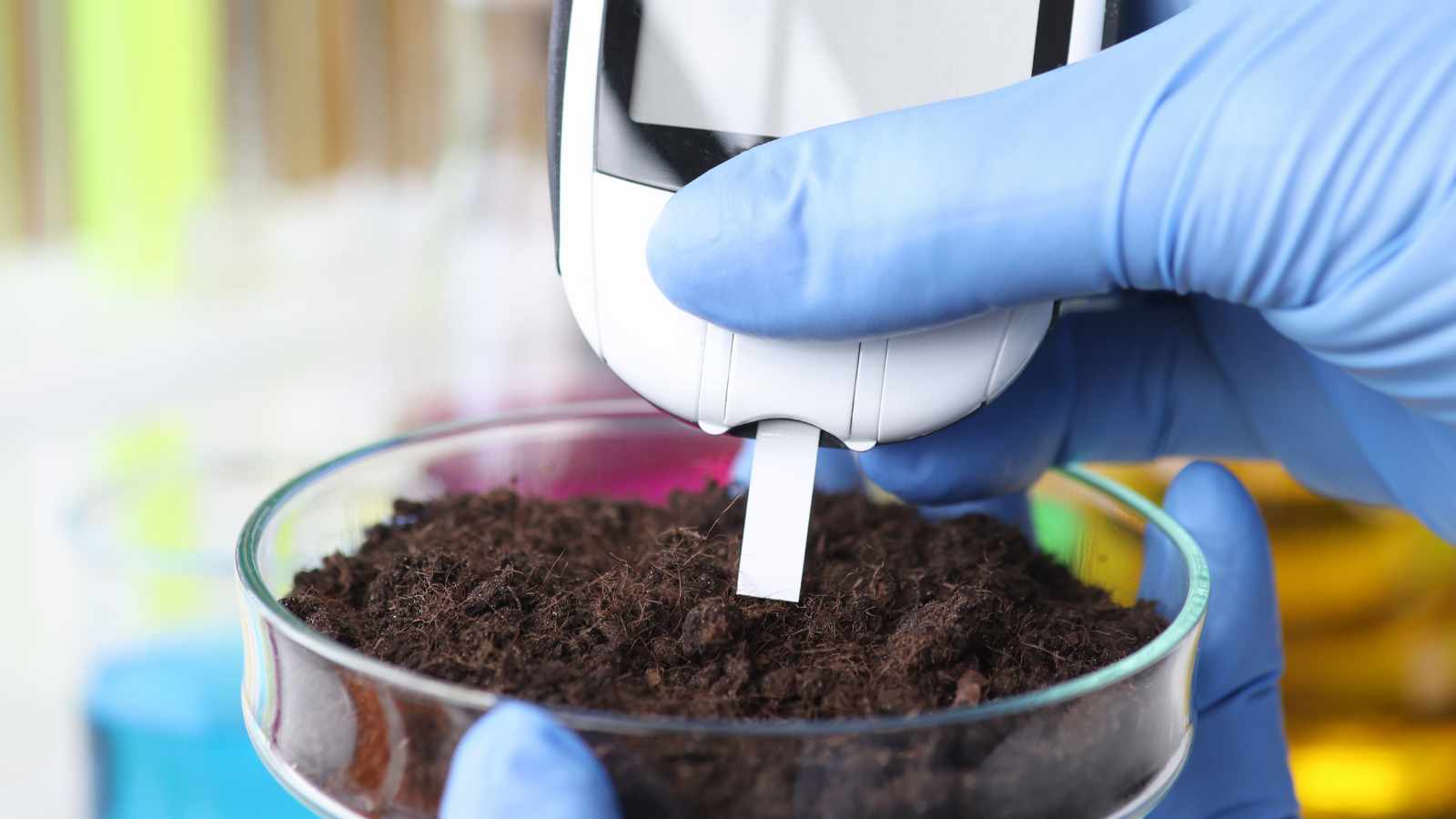
Organic fertilizers, especially those derived from animal manure, can increase the risk of nitrate contamination in groundwater, posing health risks. Excessive nitrates negatively impact drinking water quality and may cause health issues like “blue baby syndrome.”
Consumer Misperception

The “organic equals healthy” mindset can mislead consumers, overshadowing other essential factors like diet and lifestyle. Taking a holistic approach to food choices is crucial. Consider the nutritional composition, personal health goals, and individual dietary needs.
More From Health Makes You

Eating is essential to your survival, but many food items can cause serious harm and put you at risk of death if ingested in large quantities or not prepared properly. Some of them are common foods you consume every day.
30 Dangerous Foods You Didn’t Know Could Kill You
16 Foods Boomers Love That Millennials Won’t Touch

The generation gap between Baby Boomers and Millennials can be seen in many aspects of life, from how they dress and listen to music to how they shop and eat. Here’s a look at some dishes Boomers love, but Millennials won’t touch.
16 Foods Boomers Love That Millennials Won’t Touch
The Top 25 Most Popular Foods in America You Must Try Once in Your Life

America is a melting pot of cultures, and its cuisine reflects that. From coast to coast, you can find all sorts of unique dishes that are delicious and nutritious. Here’s a list of the top 25 most popular foods in America that you must try at least once in your life!
The Top 25 Most Popular Foods in America You Must Try Once in Your Life
15 Foods Americans Eat That Foreigners Find Disgusting

Americans have various culinary preferences, and some foods popular in the United States may seem strange or even disgusting to foreigners. Here are some foods Americans eat that foreigners find most disgusting.
15 Foods Americans Eat That Foreigners Find Disgusting
10 Foods to Never Eat for Breakfast

Breakfast is the most important meal of the day as it sets the tone for your energy levels and how you function throughout the day. While some foods provide the necessary fuel to conquer the day, others derail your diet plans and leave you sluggish. Here’s a list of common foods to avoid to start your day right.
10 Foods to Never Eat for Breakfast
This article was produced on Health Makes You.